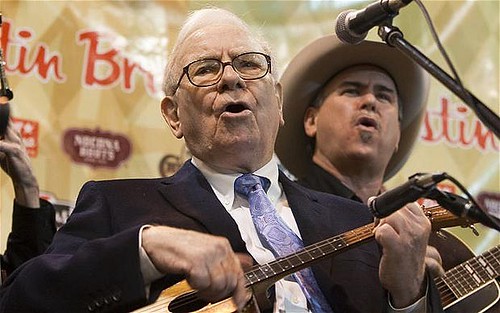
Warren Buffett is famous for his investing success, but some of his most valuable advice has little to do with choosing stocks. Throughout his career, he has emphasized patience, discipline, lifelong learning, strong relationships, and avoiding unnecessary risks. Those principles helped him build an extraordinary fortune, but they can also guide everyday decisions, particularly for people entering their 70s.
At that stage of life, success often begins to look different. The goal may be less about accumulating more wealth and more about preserving savings, protecting health, simplifying financial decisions, and spending time with purpose. Buffett’s broader philosophy suggests that sound judgment, trusted relationships, and clear priorities can matter just as much as investment returns.
These 10 lessons apply Buffett’s approach to money, time, health, and decision-making to life after 70. Together, they offer a practical framework for making later years more secure, intentional, and fulfilling.

Warren Buffett is famous for his investing success, but some of his most useful lessons have little to do with picking stocks. Across his career, he has emphasized patience, discipline, continuous learning, trusted relationships, and avoiding decisions that create unnecessary risk. Those ideas helped shape one of the most successful business careers in modern history, but they can also guide everyday life, especially after age 70.
At this stage, success often looks different than it did during the working years. The focus may shift from accumulating more to protecting savings, simplifying financial choices, maintaining health, and deciding how to spend limited time. These 10 lessons draw from Buffett’s broader philosophy and apply it to money, purpose, relationships, and the decisions that can make life after 70 more secure and meaningful.
1. Invest in Yourself and Keep Learning

Buffett has repeatedly argued that the most valuable investment a person can make is in their own abilities. That principle does not expire at retirement. Learning how to use new technology, understanding changes to Medicare or taxes, improving communication skills, or exploring a long-delayed interest can make daily life easier and more rewarding. It can also help older adults remain confident when financial products, healthcare systems, and ordinary routines change around them.
Investing in yourself after 70 does not require returning to school or turning every hobby into a job. It may mean attending a community class, learning a language, reading about a subject you have always enjoyed, or asking someone to show you a skill that once felt intimidating. Research on healthy aging suggests that continued learning and stimulating activities can support well-being and social engagement. The goal is not to prove anything. It is to keep growing instead of assuming your most useful years are behind you.
2. Build Better Habits and Review Them Regularly

Buffett’s investing philosophy is built around the power of compounding, and daily habits can compound in much the same way. A small routine repeated for years may become either a major advantage or a stubborn problem. By the time someone reaches their 70s, many habits feel automatic, but that does not mean they still fit the life, health, or budget that person has today.
A useful review might include spending patterns, subscriptions, physical activity, sleep, social routines, and the way financial paperwork is organized. Even modest changes can reduce stress. That could mean setting one day each month to review accounts, creating automatic bill payments, taking a regular walk if a doctor agrees, or scheduling time with friends before the calendar fills up. Buffett’s larger lesson is that good outcomes are rarely produced by one dramatic decision. They usually come from sensible choices repeated long enough to matter.
3. Stay Curious and Make Time to Think

Buffett’s routine has long included extensive reading and long stretches of uninterrupted thinking. He does not treat reflection as wasted time. For someone in their 70s, that can be an important reminder that a crowded calendar is not the same thing as a meaningful life. Retirement may create room to examine what is working, what has become a burden, and what deserves more attention during the years ahead.
Curiosity can take many forms. A person might join a book club, study family history, learn to cook unfamiliar meals, follow developments in a former profession, or finally understand an investment they have owned for years. Quiet thinking is equally valuable when facing a major choice such as downsizing, helping an adult child, changing an estate plan, or taking on more investment risk. Buffett’s example favors informed patience over rushed action. Learning supplies the facts, while reflection helps determine which facts actually matter.
4. Protect Your Reputation and Your Closest Relationships

Buffett has often warned that a reputation built over many years can be damaged by one careless decision. That lesson applies well beyond business. After 70, trust may shape family finances, caregiving plans, medical decisions, inheritance expectations, and the willingness of loved ones to step in when help is needed. Honest conversations now can prevent confusion and resentment later.
That may mean explaining an estate plan before it surprises anyone, documenting financial accounts, naming reliable decision-makers, or admitting when a subject has become difficult to manage alone. Integrity also includes keeping promises, respecting boundaries, and being clear about what help you can realistically provide. Money can strengthen relationships when expectations are understood, but it can also divide families when decisions remain hidden. Buffett’s broader approach suggests that protecting trust is at least as important as protecting assets, because a strong balance sheet cannot repair every broken relationship.
5. Turn Passion Into Purpose

Buffett has spent much of his life doing work he genuinely enjoys, and that sense of purpose appears to be one reason he remained engaged long after he could easily have retired. Leaving a career can create freedom, but it can also remove the schedule, identity, and daily goals that once gave life structure. Finding something worth getting up for can therefore matter as much as having enough money to stop working.
Purpose does not have to be profitable or impressive. It may come from helping with grandchildren, joining a choir, caring for a garden, mentoring younger workers, restoring an old car, writing family stories, or serving through a church or community group. A useful retirement plan should account for more than withdrawals and expenses. It should also answer how a person wants to spend ordinary Tuesdays. Buffett’s example is not that everyone should keep running a company. It is that having meaningful work, even unpaid work, can keep later life from becoming an endless series of empty weekends.
6. Invest in the People Around You

Buffett has repeatedly treated trusted relationships as a more meaningful measure of success than wealth alone. That idea becomes especially important in the 70s, when retirement, relocation, health changes, and the loss of friends or family can shrink a person’s social world. Strong connections are not merely pleasant extras. Research links social engagement in older adulthood with better quality of life and emotional well-being.
Maintaining those relationships often requires deliberate effort. Regular lunches, phone calls, volunteer work, religious communities, clubs, and neighborhood activities can keep connections from fading through neglect. It also helps to build relationships across generations rather than relying only on people in the same age group. Older adults have experience to share, while younger friends and relatives can provide new perspectives and practical support. Buffett’s lesson is simple: choose people whose character you respect, make time for them, and do not wait for a crisis to discover that financial independence is not the same thing as having a dependable community.
7. Take Smart Risks, Not Reckless Ones

Buffett’s approach to risk is not about avoiding every uncertain decision. It is about understanding what can go wrong and refusing to make bets that could cause permanent damage. That distinction matters after 70 because there may be less time to recover from a major financial loss, but excessive caution can also prevent people from enjoying the life they worked hard to build.
A smart risk might be taking a long-planned trip, moving closer to family, starting a small business, or using a reasonable portion of savings for an experience that matters. A reckless one might involve concentrating retirement money in one speculative stock, guaranteeing a relative’s debt without a backup plan, or purchasing a complex product that is not fully understood. The practical test is whether the downside is survivable. Courage still belongs in later life, but it should be paired with research, adequate reserves, and a clear understanding of how a decision could affect housing, healthcare, and long-term income.
8. Live Below Your Means to Protect Your Freedom

Buffett is known for keeping much of his personal lifestyle relatively modest despite his enormous wealth. The useful lesson is not that retirees should deny themselves every comfort. It is that spending less than available income creates choices. In the 70s, those choices may include handling an unexpected medical bill, helping family without jeopardizing retirement, traveling without debt, or remaining in a preferred home longer.
Frugality works best when it removes spending that adds little value rather than cutting everything enjoyable. Reviewing insurance, subscriptions, vehicles, housing costs, restaurant spending, and recurring fees may reveal money that can be redirected toward priorities. At the same time, excessive saving can become its own problem if fear prevents someone from using resources they accumulated for retirement. Buffett’s philosophy points toward intentional spending: protect the essentials, avoid waste, maintain a margin of safety, and spend confidently on the people and experiences that make life better.
9. Give Back With Money, Time, or Experience

Buffett has pledged that more than 99% of his wealth will ultimately go to philanthropy, but his example does not mean meaningful giving requires billions of dollars. People in their 70s may have something just as valuable to offer: time, judgment, professional experience, patience, and knowledge of their communities. Those resources can help schools, churches, charities, neighborhood groups, and younger people who are still finding their way.
Giving should still fit within a sound retirement plan. Large gifts can affect taxes, cash flow, healthcare reserves, and what remains for a surviving spouse, so generosity works best when it is deliberate rather than impulsive. Some people may donate appreciated assets or make qualified charitable distributions after consulting a tax professional. Others may tutor, mentor, serve on a nonprofit board, deliver meals, or share skills from a former career. The larger Buffett lesson is that legacy is not measured only by what remains in an account. It is also reflected in what a person chose to improve while they were here.
10. Keep Enjoying the Life You Built

Retirement is often described as a finish line, but reaching it does not automatically produce a satisfying life. Without work schedules and familiar responsibilities, some retirees discover that relaxation eventually turns into boredom. Buffett’s long career offers a different model: remain engaged with activities, people, and ideas that make the days interesting, even when there is no financial need to keep pushing.
Enjoyment can be ambitious or ordinary. It may involve travel, concerts, family traditions, new restaurants, regular card games, creative projects, or simply having more control over the pace of each day. Health and mobility may change what is possible, but they do not erase the need for anticipation and pleasure. A thoughtful retirement plan should leave room for both future security and present enjoyment. After decades of saving, the objective is not to finish with the largest possible account balance. It is to use money, time, and energy in ways that create a life worth remembering.