



















Dave Ramsey Says These Questions Reveal How People Think About Money
Debt has become a normal part of American life, but Dave Ramsey has spent much of his career arguing that it should not stay that way. Credit cards, car loans, personal loans, student loans, and buy-now-pay-later plans can make purchases feel manageable in the moment. The problem is that balances often linger for months or years, growing under interest rates that make it harder to catch up.
Ramsey’s advice is famously blunt: stop asking, “How much down?” and start asking, “How much?” In other words, the monthly payment is not the real price. The total cost matters, especially when interest turns an affordable-looking purchase into a long-term financial burden. His broader message is simple but difficult for many households to follow: live below your means, avoid borrowing for things you cannot truly afford, and make getting out of debt a priority.
That message is especially relevant now. Debt.com’s 2025 survey found that 1 in 3 Americans said they relied on credit cards to make ends meet, with many already maxed out. Business Insider, citing Experian data, reported that the average American debt balance was about $105,000 in 2024, including mortgages, auto loans, credit cards, student loans, and other forms of debt.
This slideshow looks at Ramsey’s best-known debt advice, including the habits that keep people trapped, the questions he says consumers should ask before borrowing, and the steps that can help households regain control of their money.
Dave Ramsey's Debt Philosophy
- Dave Ramsey highlights the importance of mindset in financial decisions.
- He believes rich people ask, 'How much?' while poor people ask, 'How much down?'
- This reflects a focus on affordability versus long-term debt.
The Weight of American Debt
- Business Insider reports the average American holds $104,215 in debt.
- This includes mortgages, student loans, auto loans, and credit card debt.
- Debt can quickly become overwhelming, especially with rising interest rates.
The Credit Card Trap
- 1 in 3 Americans have maxed out their credit cards according to Debt.com.
- Many people rely on credit to afford basic needs due to inflation.
- 22% carry $10,000 6,000 in debt, and 5% owe more than $30,000.
Massive Growth of the Debt Industry
- Visa and MasterCard stocks are near record highs.
- Credit card balances exceeded $1 trillion in Q4 2023.
- The debt industry is booming despite rising financial insecurity for many.
Psychology of Spending
- Ramsey stresses that poor spending decisions often stem from emotional buying.
- Social media and constant advertising pressure consumers to spend.
- Asking 'Can I afford this?' is a better question than 'Can I make the down payment?'
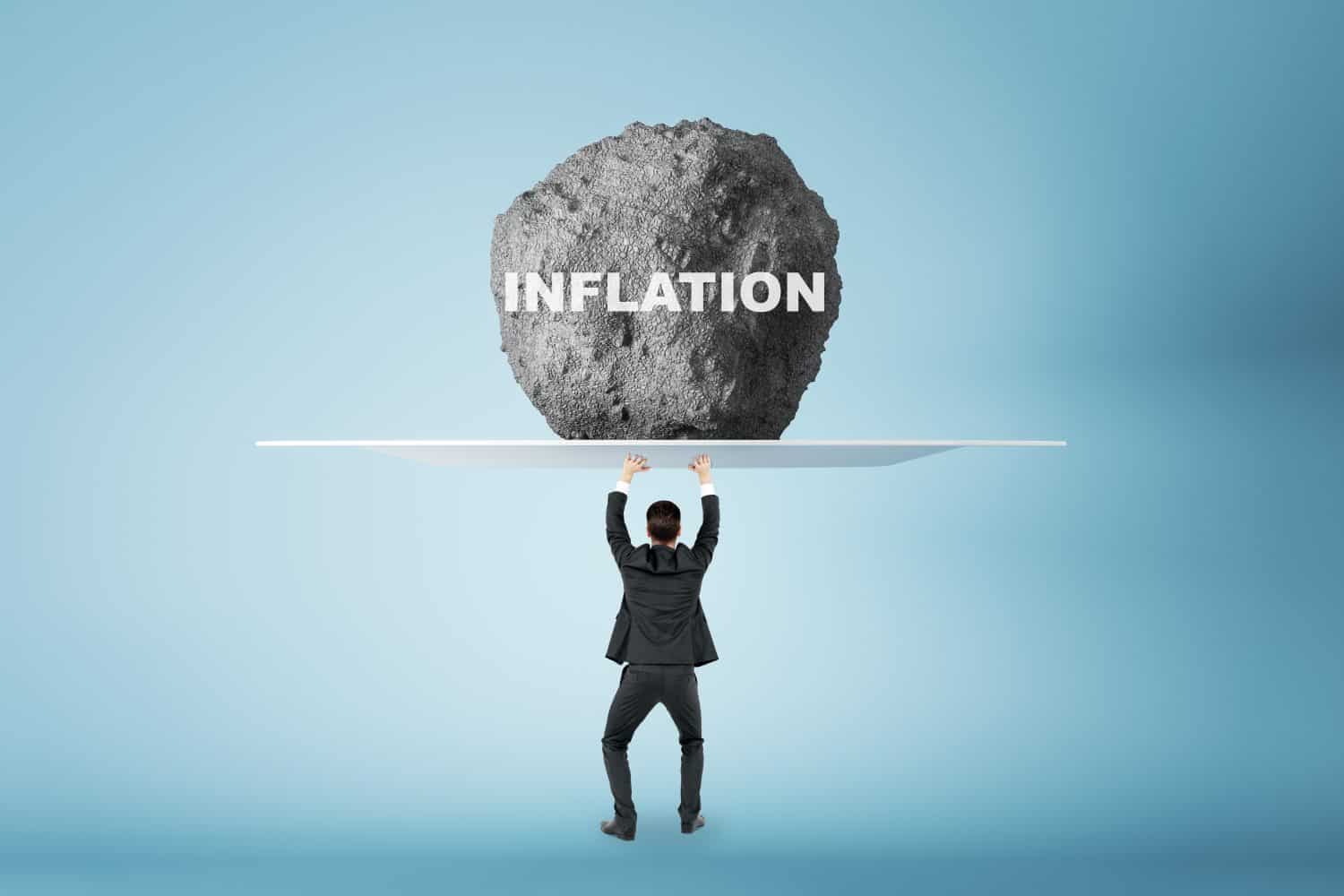
How Inflation Drives Debt
- Inflation has caused basic expenses to rise significantly.
- 45% of people report using credit cards to pay for necessities.
- This reliance contributes to long-term debt and high interest payments.
Ramsey's Core Advice
- Ramsey's core philosophy is: 'Don't buy it if you can't afford it.'
- This means avoiding purchases that lead to debt without secure income.
- He promotes living below your means as a path to wealth.
Budgeting to Break Free
- Weekly budgeting helps differentiate between wants and needs.
- Small, consistent savings add up over time.
- Budgeting allows for better financial planning and less reliance on credit.
Cutting Credit Card Dependency
- Avoid habitual use of credit cards by using cash or debit.
- Credit card interest makes small purchases cost significantly more.
- Track spending regularly to stay within budget.
Consider Debt Consolidation
- Refinancing high-interest credit cards can reduce debt faster.
- Consolidation into lower-interest loans may provide relief.
- Act before rates rise again to secure better terms.