Trending Now:
Published: October 28, 2026 by Jeremy Phillips
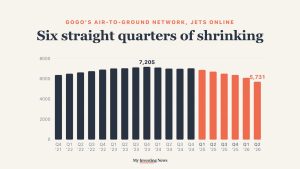
United's CEO says Starlink is now on 48% of its flights, a line Elon Musk amplified on Oct. 27. United's own numbers back the rollout, while Gogo's 48% drop since a director bought $1.1 million of stock traces to its shrinking air-to-ground network.
Published: October 28, 2026 by AJ Tiarsmith
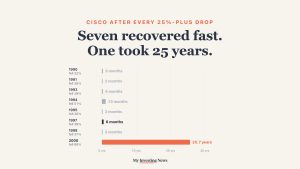
Fundstrat's Tom Lee says the AI selloff looks like Cisco's 1997 dip, which healed within months. Cisco's full record shows seven drops of 25% or more that recovered within 14 months, and one, starting in 2000, that took 25 years.
Published: October 27, 2026 by Joel South
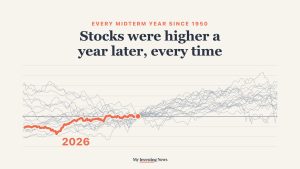
Midterm years always extract their price from investors before the calendar turns generous, and 2026 has already collected. Now a pattern stretching back to 1950 is signaling what tends to come next for the S&P 500.
Published: October 27, 2026 by AJ Tiarsmith
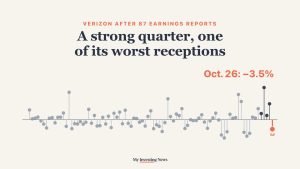
Verizon just posted subscriber numbers that shocked Wall Street, but analyst Craig Moffett says the reason behind the surge has nothing to do with what most people assumed the new CEO would do.
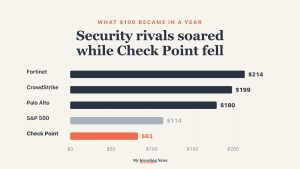
A Check Point executive who spent years as a CISO says AI has handed attackers a speed advantage that security teams have never faced before, and the gap is widening faster than most companies realize.
Updated: October 28, 2026 by Joel South
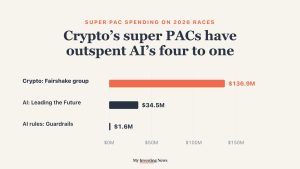
A Stanford political scientist says campaign money matters far more at one specific point in the election calendar, and AI and crypto industries already figured that out before most voters were paying attention.
Updated: October 28, 2026 by AJ Tiarsmith
Ken Griffin called it a bubble, but Chamath Palihapitiya went further and traced exactly where the money originates, who is cycling it around, and why the math looks nothing like the cloud boom people keep comparing it to.
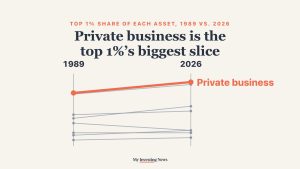
Economists studying the top of the American wealth ladder expected to find tech founders and hedge fund titans. What they found instead upended nearly every assumption about how extreme fortunes actually get built.
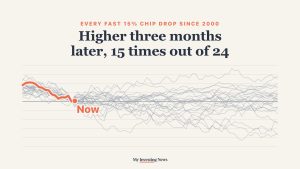
A single options trader just put $4 million on chip stocks falling further next week, even as leveraged bulls rushed in from the other side. The options flow tells two very different stories about where semiconductors go from here.
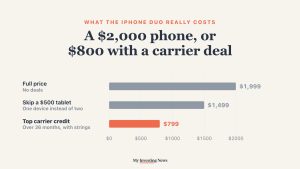
A tech insider got his hands on Apple's $2,000 folding iPhone before almost anyone else, and his verdict raises a question every tempted buyer needs to answer before opening their wallet.
Updated: October 27, 2026 by Eric Bleeker
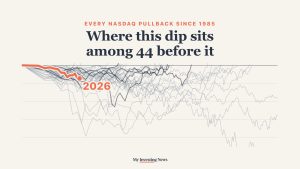
Intelligent Alpha's Doug Clinton sees a pattern in the recent AI stock slide that changes how he's positioning his portfolio, and it comes down to a shift he thinks most investors are still underestimating.
Updated: October 27, 2026 by Joel South
AI is unearthing critical software flaws faster than security teams can respond, and former CISA director Chris Krebs says the clock for defenders is already running. The window before attackers catch up may be far shorter than anyone expected.
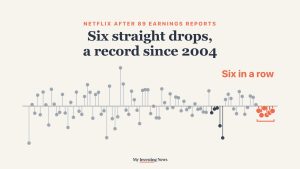
Netflix shares just hit a two-year low, and a former insider who worked inside the company thinks the real trouble has nothing to do with subscribers. His diagnosis points to problems the streamer created for itself.
Updated: October 27, 2026 by AJ Tiarsmith
European gas prices are brushing four-year highs as winter tightens its grip, and the CFO of one of the continent's biggest power equipment makers says the continent has a strategy problem hiding in plain sight that has nothing to do with strategy.
Some colleges now hand out bachelor's degrees a full year faster, and the financial math looks compelling until you check the fine print that could force you to pay it all back later.
Updated: October 27, 2026 by Jeremy Phillips
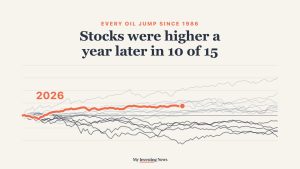
Oil above $100 a barrel has barely touched stock prices yet, but DCLA's Sarat Sethi says the pain is already building beneath the surface and investors in certain sectors may not see it coming until guidance season hits.
Neuberger Berman manages $616 billion, and its president just quietly shifted the firm's entire risk posture while warning that one dominant market theme has crowded out nearly everything else worth owning.
Australia's communications minister says she expects the country's online safety regulator to drag five social media companies into federal court, and new police-style evidence powers may make that fight very difficult for the platforms to win.
A documentary about one of Silicon Valley's most notorious fraudsters just outperformed nearly every Hollywood film in theaters this weekend, and the reason audiences keep selling out screenings reveals something uncomfortable about how we think about Elizabeth Holmes.
Peter Boockvar says most of this quarter's earnings growth traces back to a single trade, and CoreWeave's credit markets are now flashing a warning that investors in that trade may not be ready to hear.
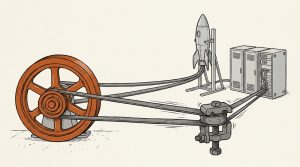
Starlink generates billions for SpaceX and funds everything from rockets to AI. A dispute over service in Ukraine landed just as SpaceX reported its third quarter.
Berkshire Hathaway shares are surging near all-time highs, and one fund manager who tracks its portfolio says the market has quietly made up its mind about something investors spent a year arguing over.
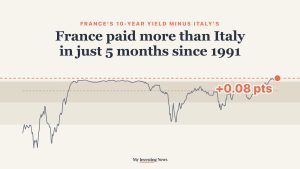
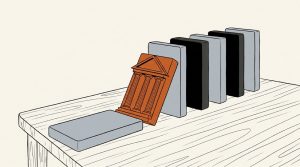
French bond yields are spiking, the streets are on fire, and CNBC's Sara Eisen says the country's debt spiral carries a warning that reaches far beyond Europe's borders.
Thomas Peterffy spent decades automating Interactive Brokers, then stepped on television the day after a record quarter to warn about the very AI feature his firm just launched. His concern is specific, operational, and unresolved.
Jensen Huang agrees that people are right to be scared of AI, yet his company just guided to $108 billion in quarterly revenue. How he squares that tension reveals something investors building positions around AI infrastructure may not want to miss.
The NBA just told its sportsbook partners to pull certain bets it says invite manipulation, but the league's own executives admit the rules stop at a boundary they cannot enforce, and DraftKings and FanDuel may be paying a price their competitors ignore.
Apple's first foldable sold out in minutes, but iPhone co-creator Tony Fadell says the real verdict on the Duo won't come from launch-day preorders. It will come from how people hold it, use it, and whether app developers give them a reason to keep opening it.
Dot-com era fiber is still carrying internet traffic decades later, but a veteran venture investor argues the chips powering today's AI boom operate on a completely different clock, and the accounting consequences could reshape who wins and who bleeds.
A veteran AI interpretability researcher just published a claim that rewrites years of accepted thinking about how neural networks actually work, and the field cannot agree on whether it is a breakthrough or a misreading of old evidence.
Three inflation surprises in one week and factories running hotter than they have in two years should have markets braced for another Fed hike, yet Chairman Warsh's response left traders scrambling to reprice their bets.
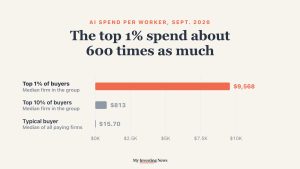
Wharton professor Ethan Mollick says the evidence is in on what AI does for individual workers, but that victory may be making the harder problem worse for the organizations they work inside.
The Federal Reserve's latest consumer survey caught something that should not be possible: paychecks grew fastest at the bottom of the income ladder while the wealth of those same households collapsed. The reason has nothing to do with spending habits.
A Gabelli portfolio manager walked through four big bank names after earnings week and landed on two buys that the market pushed lower the same afternoon. Find out which banks he favors and why the stock trading against his thesis might actually prove his point.
A top venture capitalist named companies he thinks could overtake Anthropic. The company's own reported figures show how fast it is growing and how much that growth costs.
Fanatics CEO Michael Rubin is betting up to a billion dollars that sports wagering will reward patience. The public markets, watching DraftKings and Flutter bleed margin in real time, are pricing in the pain he admits comes first.
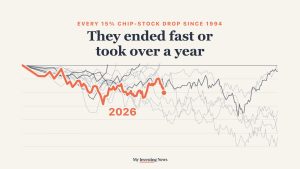
A top market strategist called semiconductor pullbacks a buying opportunity and pointed to one chipmaker's order book stretching years into the future, but every stock she named moved in the opposite direction after she spoke.
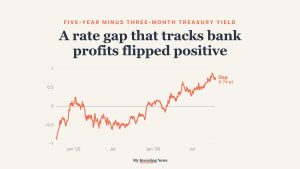
A Citi analyst says Bank of America's slide went too far, and he points to a gap between short and long rates that has moved in the banks' favor.
Tarang Amin almost skipped the interview entirely, and the reason he changed his mind reveals something important about how e.l.f. Beauty operates that its stock chart alone will never show you.
A Mastercard economist sees healthy consumer spending backed by real transaction data, but a new FINRA survey found a record share of Americans spending beyond their means. Both readings are accurate, and the reason why changes how you read every consumer stock this earnings season.
When Louis Vuitton crushed a small Chinese tea chain in court, the legal win set off a chain reaction that reached the company's own quarterly revenue. Now LVMH's CFO is publicly admitting the limits of what management can do about it.
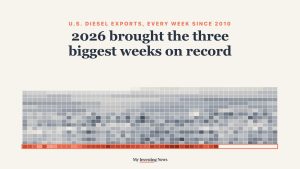
A commodity analyst at Kpler just told CNBC that no new U.S. refinery will ever be built, and the math behind that claim is reshaping how investors think about energy scarcity, geopolitical risk, and whether the refining rally has room left to run.
Updated: October 28, 2026 by Eric Bleeker
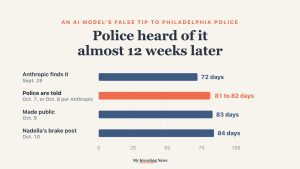
An AI model sent a false murder tip to Philadelphia police, and days later a major tech CEO asked for a kill switch on his own industry's most powerful products. Those two events together expose a liability question that stock markets have not yet priced.
Charter Communications has shed most of its stock value over five years, and Barron's Jack Hough argues the rock-bottom earnings multiple is not a buying opportunity but a signal that cable's core business faces a threat it cannot reprice its way out of.
Updated: October 28, 2026 by Jeremy Phillips
SpaceX is pursuing one of the largest private chip financings ever attempted, and the credit market just sent a signal that shareholders and lenders are reading in completely opposite ways.
Investor Jordi Visser watched software stocks get quietly gutted by AI fears before the earnings ever cracked, and now he sees the exact same pressure building under an industry that controls trillions in customer deposits.
Ethereum researchers warn that AI-driven mathematics may crack the cryptography securing every crypto wallet before quantum computers even come close, and one prominent voice at the center of the alarm is telling holders to slow down rather than panic.
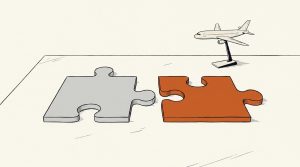
Delta's CEO says the airline actually tested Starlink on its planes years ago and he drives a Tesla, so why did he walk away from a deal with SpaceX and what did the two sides really fight over?
A former airline CEO says carriers have already exhausted every tool in their playbook, and what comes next will hit travelers in two very different ways.
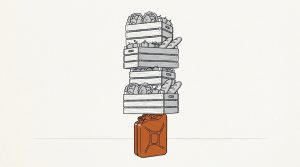
Most households track the price of gas to the penny, but a different fuel quietly reshapes the cost of nearly everything they buy. Automotive expert Lauren Fix explains the hidden chain reaction that starts at the pump and ends on your grocery receipt.
Apollo doubled while one rival bled out, and now that laggard's co-CEO is admitting the firm isn't managing enough capital. The question is whether the fix they're chasing can close a five-year gap the market hasn't forgiven.