
A 29-year-old caller from New Mexico reached out to The Ramsey Show with his wife because they were considering a drastic move: selling their house, taking the equity, and using the money to wipe out their debts. The couple had a good income on paper, but their debt load had become overwhelming. When Dave Ramsey learned they had financed a nearly $50,000 truck while already carrying six figures of consumer debt, his reaction was immediate: “Good God.”
The numbers explained why Ramsey was so stunned. The couple earns about $160,000 to $170,000 a year before taxes, but only $8,000 to $10,000 a month actually lands in their bank account. At the same time, they are juggling about $135,000 in consumer debt. That includes $28,000 in the wife’s student loans, $6,000 in the caller’s student loans, $4,700 on a credit card, $10,000 remaining on the wife’s car, $47,000 on the truck, and a $33,000 home equity loan.
The home equity loan came during a difficult stretch. The caller said he had been in a motorcycle accident and was unable to work for about six months, forcing the couple to take out a second mortgage to stay afloat. But Ramsey’s concern was that the emergency had turned into a larger pattern of borrowing. Between the truck loan, student loans, credit card balance, car loan, and second mortgage, the couple had created a situation where even a strong household income was being swallowed by payments.
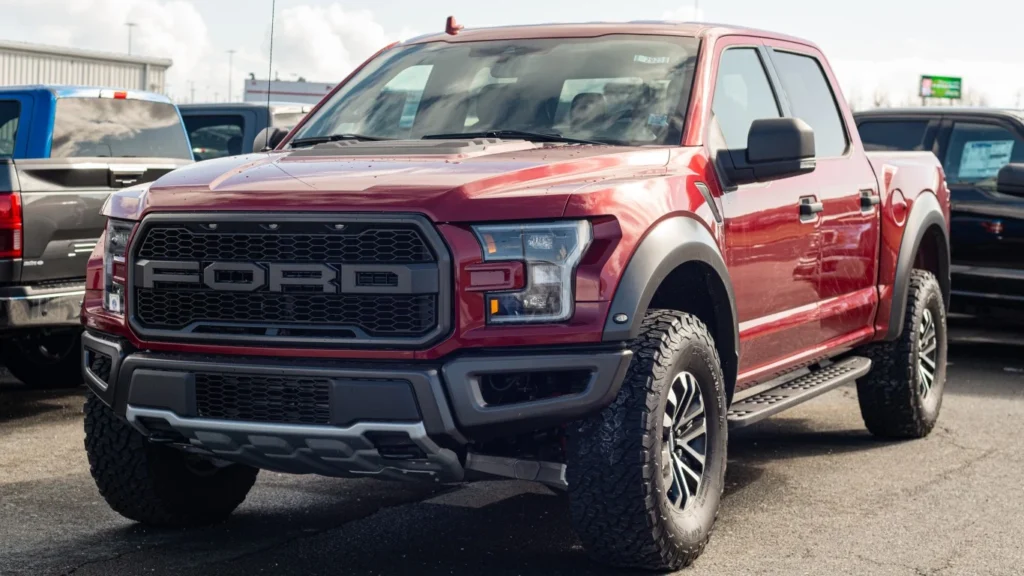
The Verdict: The Truck Is the Line to Cut
Ramsey’s advice to the couple was blunt: “You do not need to sell your house. You need to sell your truck.” In this case, that was not just a dramatic radio-show answer. It was the clearest financial move on the table. The couple was considering selling their home and using the equity to clean up their debt, but that would have treated the symptom while protecting one of the biggest causes of the problem. The truck loan was the single largest consumer debt they listed, and unlike the house, it was attached to a depreciating asset.
Using home equity to pay off consumer debt can feel like progress because it simplifies the monthly bills. But it also turns unsecured debt or vehicle-secured debt into debt backed by the family home. That matters. If income drops again, as it already did when the caller was recovering from his motorcycle accident, the house becomes the asset at risk. The couple had already taken out a $33,000 home equity loan to survive one emergency. Rolling more debt into the house would only increase that vulnerability.
The truck is different. It may be painful to sell, and the couple may have to replace it with a much cheaper used vehicle, but it is still the most obvious place to cut. A $47,000 truck loan creates a payment, insurance costs, fuel costs, and depreciation all at once. Even if they are slightly upside down, selling the truck and covering the gap is likely cleaner than carrying the loan for years while trying to make progress elsewhere. That payment is tying up cash flow the couple badly needs.
Rachel Cruze also pointed out something important in the way the caller described the debts. He referred to some balances as his wife’s debt, but the truck as “our” debt. That framing suggested the couple had not fully accepted that every line on the balance sheet belonged to both of them. Ramsey’s broader read was that the couple had not committed one giant financial mistake across the board. Instead, they had drifted into trouble through repeated borrowing, loose planning, and one especially bad truck decision. In his words, the truck was the big one. Everything else was “death by a thousand cuts.”

The Variable That Changes the Math: Interest Rate on Each Line
The size of each debt matters, but the interest rate determines how aggressively each one is hurting the household. That is why the $4,700 credit card balance cannot be ignored just because it is smaller than the truck loan or the home equity loan. Credit cards often carry some of the highest interest rates in a household budget, and at roughly 21%, a balance can grow quickly if it is not attacked. Every month it sits there, more of the payment goes toward interest instead of actually lowering the debt.
The truck loan is a different kind of problem. It may not have the highest interest rate in the stack, but it combines debt with depreciation. A financed vehicle can lose value while the borrower is still paying interest on the loan, which is how people end up owing more than the vehicle is worth. That makes the truck both a cash-flow problem and a balance-sheet problem. It is taking money every month while also likely becoming less valuable over time. That is why selling it can change the couple’s situation faster than simply trimming small expenses.
The student loans and car loan still matter, but they do not carry the same urgency as the credit card and truck. The wife’s $28,000 in student loans and the caller’s $6,000 in student loans should be part of the payoff plan, but they are not the immediate fire. The $10,000 remaining on the wife’s car is also manageable compared with the truck. Those debts need a structured payoff order, but the household first needs breathing room.
The home equity loan may have a lower interest rate than the credit card or truck loan, but it is the most dangerous debt to expand because it is tied to the house. That is the trap in using home equity as a cleanup tool. It can make the debt look cheaper, but it also raises the stakes. Ramsey’s logic is that the couple should protect the house, stop adding risk to it, and attack the consumer debts with income instead. The disciplined move is to leave the home equity loan alone for now, sell the truck, knock out the credit card, and then work down the remaining balances with a written plan.

What to Do Tomorrow Morning
Ramsey gave the couple more than criticism. He offered them a free premium EveryDollar subscription and told them, “If I woke up in your shoes knowing what I know, I think you could be a millionaire in about 12 years from today.” That line matters because the couple’s situation is serious, but not hopeless. They have a strong income. Their problem is not that they are permanently broke. Their problem is that too much of their income is already promised to lenders before the month begins.
The first step for anyone in a similar position is to list every debt in one place. That means the balance, interest rate, minimum payment, and whether the debt is unsecured, tied to a vehicle, or tied to the house. The credit card balance deserves immediate attention because high-interest debt compounds quickly. But the truck also needs to be dealt with because it is the largest consumer loan and one of the biggest monthly cash-flow drains.
The second step is to sell the financed vehicle before touching the house. Home equity should not be treated like a bailout fund for lifestyle debt. A car can be replaced. Shelter is the asset to protect. If the truck must be replaced with an $8,000 used vehicle, that may feel like a downgrade, but it is also the kind of downgrade that can help save the household from years of financial stress.
The third step is to understand the gap between gross income and take-home pay. A household earning $160,000 to $170,000 a year but bringing home $8,000 to $10,000 a month needs to know exactly where the rest is going. Taxes, insurance, retirement contributions, benefits, and other withholdings may explain much of it, but they still need to review every line. A strong salary does not help much if the monthly plan is unclear.
Finally, the couple needs a zero-based budget and a freeze on financing depreciating assets. Every dollar should have a job before the month starts: housing, food, utilities, transportation, debt payoff, emergency savings, and only then discretionary spending. No new car loans, no new credit cards, no more borrowing against the house. The payment sitting in the driveway is the problem, and getting rid of it is the first real step toward turning their income into wealth instead of payments.