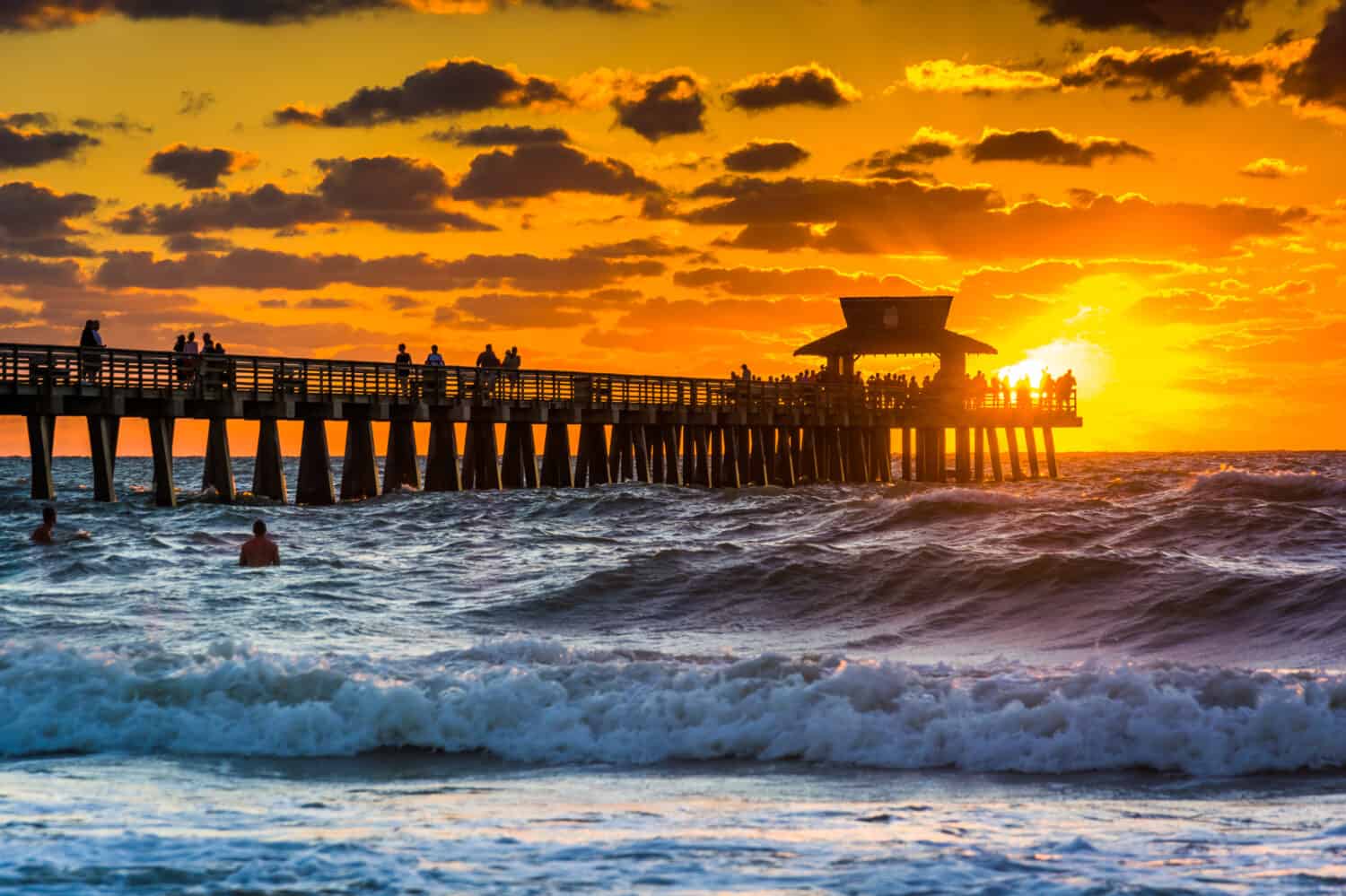
Many Americans dream of relocating after retirement, but choosing the right place takes more than picking a sunny destination or following the crowd. Retirees have to weigh cost of living, housing prices, taxes, health care access, climate, safety, and the kind of lifestyle they want in their next chapter.
Some of the most popular retirement states are well-known for a reason, but they are not always the best fit for every budget. In many cases, smaller cities and overlooked communities can offer a better mix of affordability, comfort, and quality of life without the crowds or rising costs found in more obvious retirement hotspots.
For retirees who are still deciding where to settle, these lesser-known places are worth a closer look. Each one offers its own appeal, whether that means lower living costs, scenic surroundings, mild weather, strong local amenities, or a slower pace that makes retirement feel easier to enjoy.
1. Tarpon Springs, FL
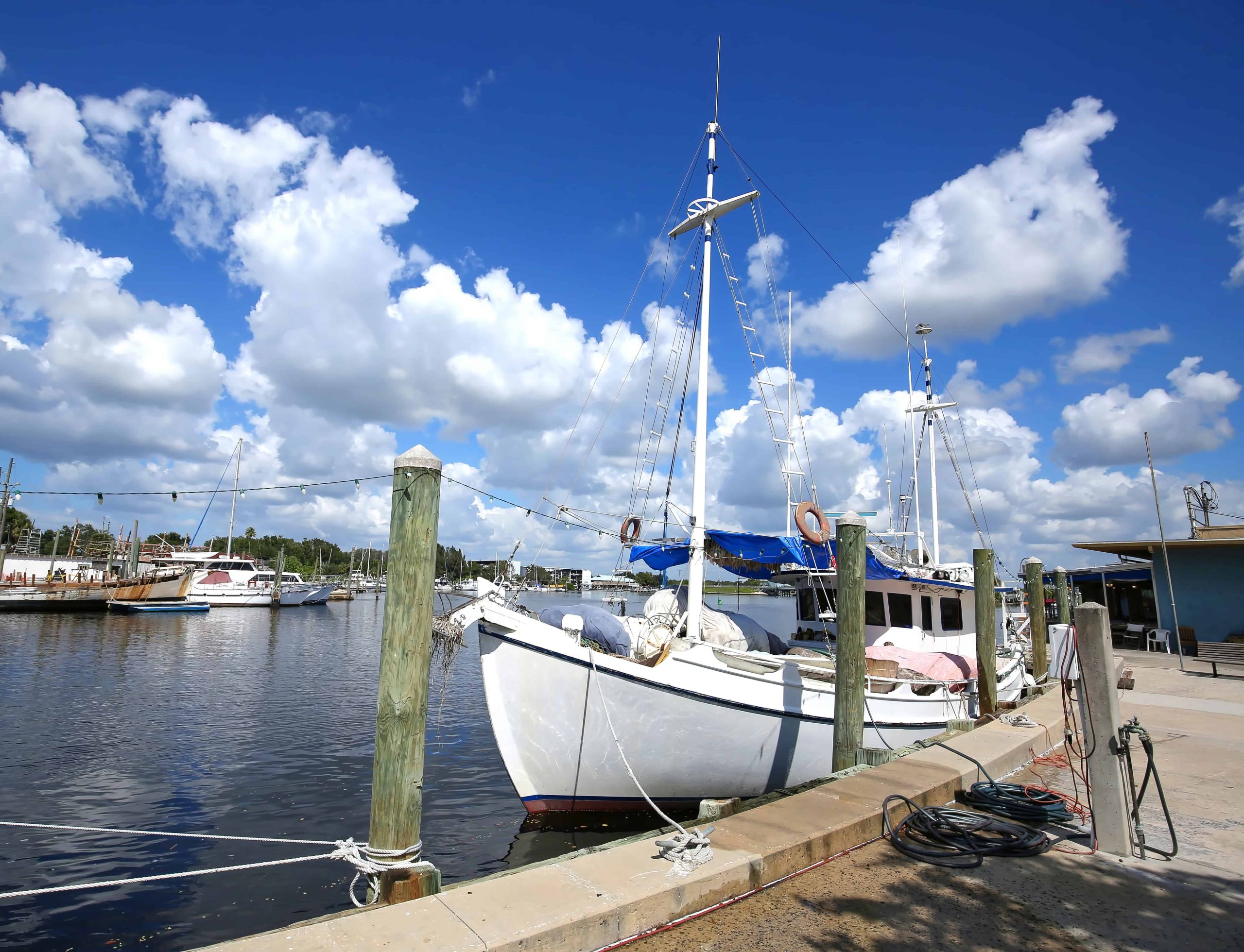
Tarpon Springs is one of those Florida retirement spots that feels different almost immediately. While many Gulf Coast cities lean heavily on beaches, boating, and warm weather, Tarpon Springs adds something more distinctive: a deep Greek heritage that still shapes the city’s food, architecture, festivals, and waterfront identity. The city is especially known for its historic sponge docks and Greek culture, which give it a personality that stands apart from more predictable Florida retirement destinations.
For retirees who want sunshine without feeling like they moved into a cookie-cutter beach town, that cultural identity is a major part of the appeal. A casual afternoon can include walking past sponge boats, stopping into bakeries and Greek restaurants, browsing small shops, or sitting near the water with a view that feels more like a working waterfront than a polished resort district.
That matters in retirement because daily life can become just as important as the big attractions. Tarpon Springs gives residents plenty of easy, low-pressure ways to stay active without needing to plan every outing around a long drive or expensive ticket. The Sponge Docks area is walkable, scenic, and filled with restaurants, shops, boat tours, and historic points of interest. It is the kind of place where visitors come for a day, but residents can return again and again without running out of small things to enjoy.
The city also offers a strong mix of recreation and cultural amenities. Tarpon Springs has a public marina, a local golf course that is part of the Florida Historic Golf Trail, and the Tarpon Springs Aquarium and Animal Sanctuary, which has been family-owned and operated since 1990. Those kinds of attractions may sound like vacation stops at first, but for retirees, they help create a town where visiting family, grandkids, and out-of-town friends have plenty to do.
There is also an arts scene that gives Tarpon Springs more depth than a typical beach-adjacent community. Tarpon Arts, the city’s cultural services department, supports local arts, historic preservation, and cultural programming, while the Tarpon Springs Performing Arts Center hosts concerts, comedy, educational events, and other year-round performances. That is a meaningful advantage for retirees who want entertainment nearby but do not want to rely on a major city every time they want to see a show.
Of course, the Gulf Coast setting is still a major draw. Tarpon Springs puts residents close to the water, beaches, parks, and boating opportunities, which is exactly what many people picture when they think about retiring in Florida. But unlike some better-known retirement hubs, the city has a more specific sense of place. Its Greek roots, sponge-diving history, waterfront restaurants, and cultural venues make it feel memorable rather than generic.
That combination makes Tarpon Springs a strong choice for retirees who want Florida weather, coastal scenery, and a lifestyle built around more than just golf and beach days. It offers history, food, walkability, outdoor access, and enough cultural activity to keep day-to-day life interesting. For retirees who like the idea of Florida but want a town with its own unmistakable character, Tarpon Springs deserves a closer look.
2. Hendersonville, NC
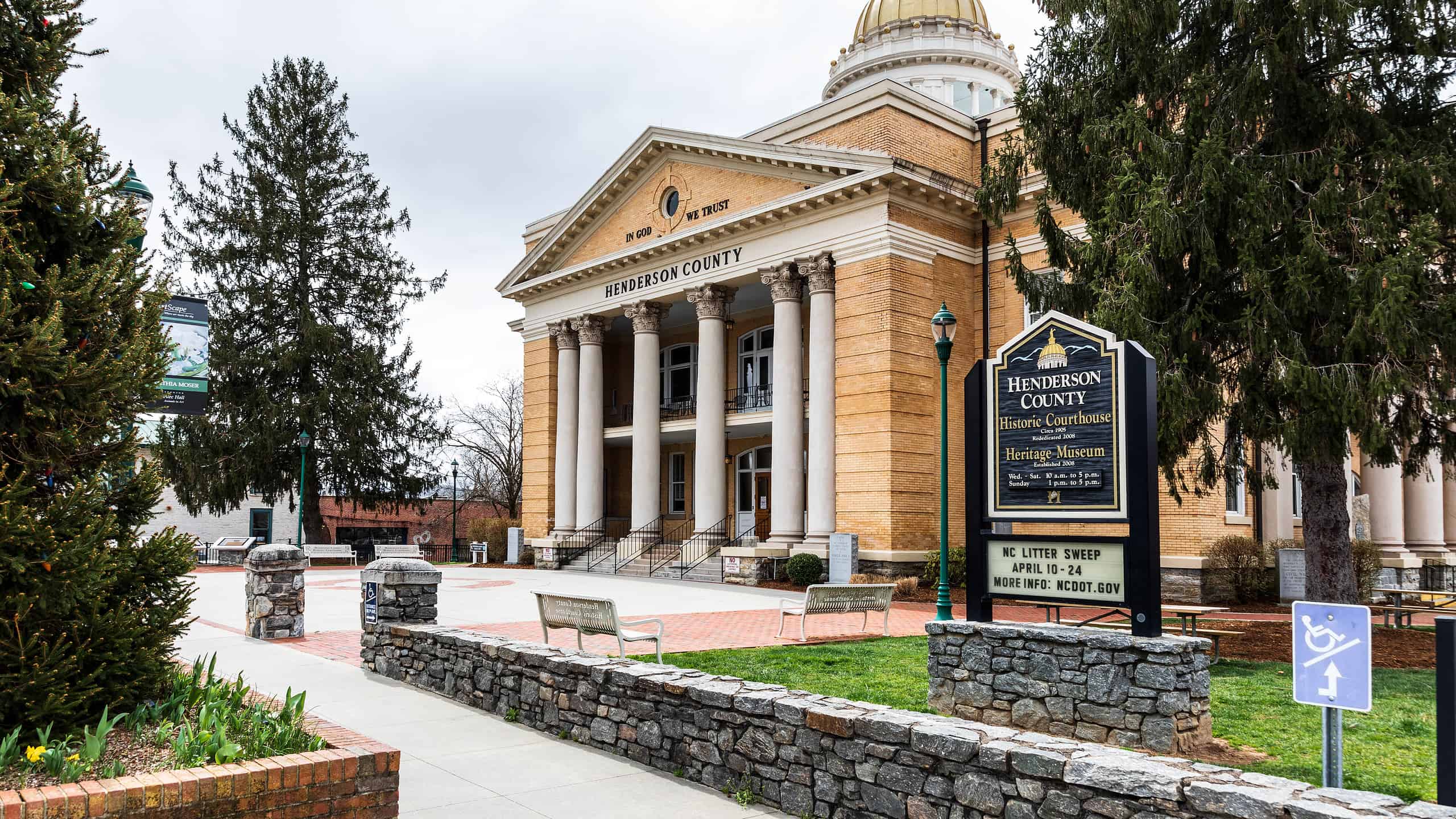
Hendersonville is a strong retirement option for people who want mountain scenery without feeling too far removed from daily conveniences. Set in the Blue Ridge Mountains, this North Carolina city has a small-town feel, a population of roughly 15,000, and easy access to the outdoor beauty that makes western North Carolina such a popular place to settle. It is close enough to Asheville for larger-city amenities, but Hendersonville has its own identity, with a historic downtown, local restaurants, shops, festivals, and a slower pace that appeals to many retirees.
The outdoor access is one of the biggest draws. Retirees can find opportunities for hiking, fishing, scenic drives, and seasonal adventures throughout the surrounding area. The region also puts residents within reach of parks, waterfalls, mountain trails, and winter recreation options, making it a good fit for people who want retirement to include fresh air and regular time outside.
Hendersonville also offers the kind of community activity that helps retirement feel full rather than isolated. Outdoor festivals, farmers markets, arts events, and local gatherings give residents plenty of reasons to get out and stay connected. Golfers can also find several courses in the broader area, adding another easy recreational outlet.
Health care is another important advantage. Hendersonville is home to a well-known regional medical presence, which can be a major factor for retirees comparing smaller mountain towns. Having reliable medical care nearby makes the city more practical than some more remote scenic destinations.
Cost is still worth considering. If the overall cost of living is only slightly above the national average, Hendersonville may feel manageable compared with more expensive mountain communities. For retirees who want Blue Ridge beauty, outdoor access, health care, and an active local calendar, Hendersonville offers a strong mix of lifestyle and practicality.
3. Savannah, GA
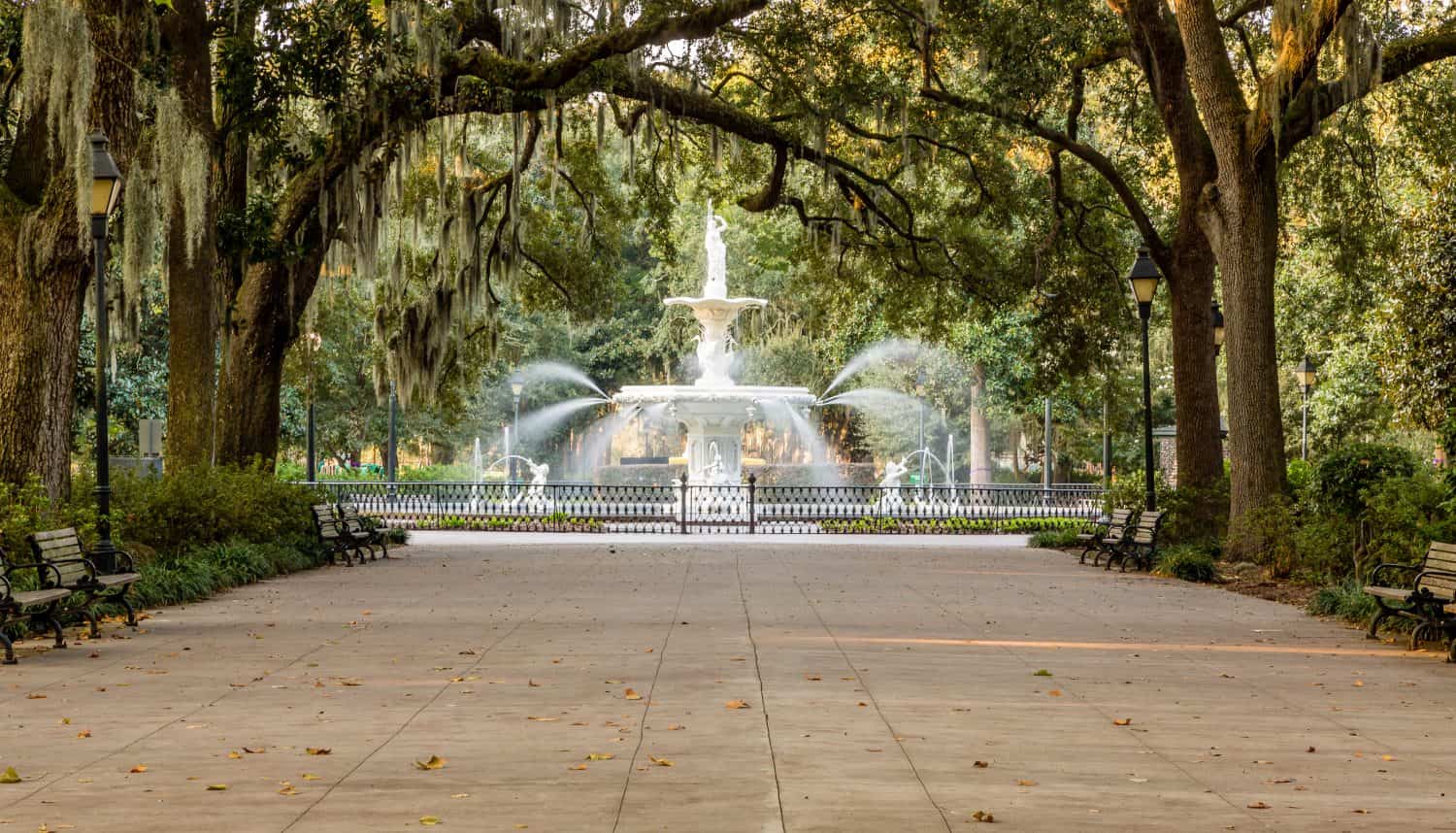
Savannah is one of the most appealing retirement destinations in the South, especially for people who want beauty, culture, and history without automatically paying the prices found in larger coastal cities. It has the atmosphere of a famous travel destination, but it also works as a practical place to live. For retirees, that balance can be hard to find.
One of Savannah’s biggest strengths is that it offers a slower, more scenic lifestyle without feeling isolated. The city is known for its historic squares, moss-draped oak trees, walkable streets, architecture, restaurants, museums, and access to the Georgia coast. For retirees who want their next chapter to feel active and interesting, Savannah provides plenty to do without requiring the pace of a much larger metro area.
Cost is also part of the appeal. Several cost-of-living estimates place Savannah below the national average overall, with housing often coming in lower than the U.S. average. Salary.com reports Savannah’s cost of living as less expensive than the national average, while Apartments.com estimates the city’s overall cost of living at 9.3% below the national average. That does not mean every neighborhood is inexpensive, especially near the most desirable historic areas, but it does suggest Savannah may offer more breathing room than many better-known retirement destinations.
For retirees, affordability is not just about the home price. It is about how far a fixed income can stretch once housing, groceries, taxes, insurance, transportation, and health care are all part of the monthly budget. Savannah gives retirees a chance to enjoy a culturally rich city while still considering more affordable neighborhoods and nearby communities. That flexibility can make a big difference for people who want charm and convenience without feeling boxed into the most expensive parts of town.
Savannah also has a major outdoor advantage. Skidaway Island State Park sits near historic Savannah and offers miles of trails through maritime forest and salt marsh, along with camping, wildlife viewing, and access to the coastal landscape that makes this part of Georgia so distinctive. For retirees who want to stay active, the park is a strong local asset. It offers hiking, birding, scenic walks, and peaceful time outdoors without needing to travel far from the city.
That kind of access matters. Retirement is not only about finding a pretty place to live. It is about finding a place where the days are easy to fill. In Savannah, a week can include a walk through a historic square, a visit to a museum, lunch near the riverfront, a nature outing at Skidaway Island, or a quiet afternoon exploring one of the city’s neighborhoods. The lifestyle is relaxed, but it does not have to be boring.
Health care access is another important consideration, and Savannah has several notable medical resources. St. Joseph’s/Candler describes itself as a leading health system in Savannah, and the city is also home to cancer-care resources including the Nancy N. and J.C. Lewis Cancer & Research Pavilion and the Curtis and Elizabeth Anderson Cancer Institute at Memorial University Medical Center. For retirees, having established medical facilities nearby can be a major factor when comparing possible places to live.
Savannah may not be a secret to travelers, but as a retirement option, it can still be overlooked by people who focus only on Florida, Arizona, or the Carolinas. It offers history, coastal access, outdoor recreation, medical resources, and a cost profile that may be more manageable than many popular retirement markets. For retirees who want Southern charm, cultural depth, and everyday livability, Savannah is one of the strongest under-the-radar places to consider.
4. Bisbee, AZ
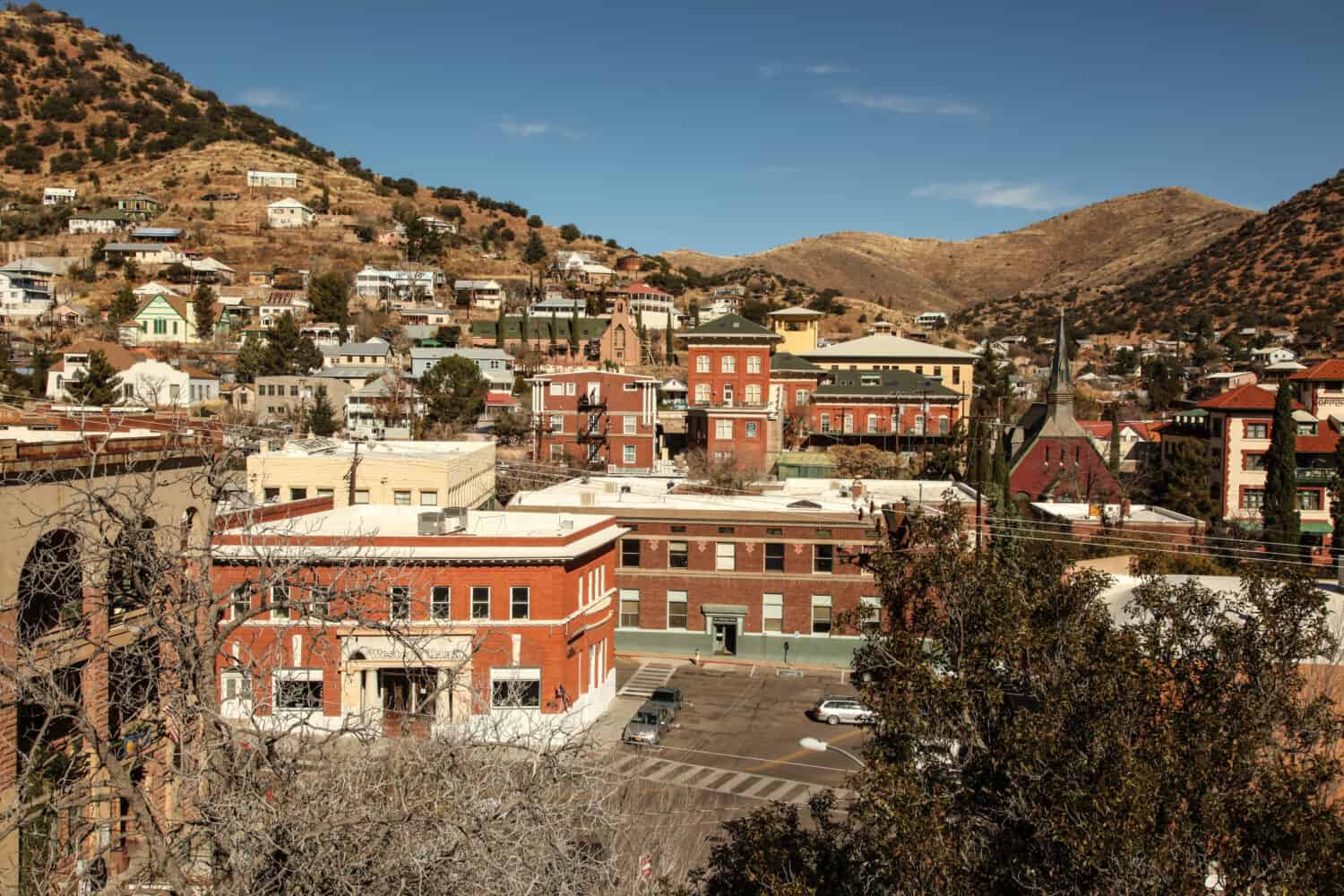
Bisbee is a small Arizona mountain town with far more personality than its size suggests. Set in the Mule Mountains, this former mining town has become known for its colorful homes, steep streets, creative community, and artsy, offbeat atmosphere. For retirees who want something different from a typical desert retirement destination, Bisbee offers a slower pace with a strong sense of place.
The town’s character is one of its biggest strengths. Instead of sprawling suburbs or master-planned retirement communities, Bisbee has historic buildings, local shops, restaurants, galleries, and hillside neighborhoods that make it feel lived-in and distinctive. It attracts artists, makers, history lovers, and people who enjoy being part of a close-knit community.
Outdoor activity is also part of the appeal. Bisbee’s location in the Mule Mountains gives residents access to hiking, scenic walks, and desert mountain views. One of the town’s most unusual features is its network of historic stairways. The Bisbee Heritage Stairs are a memorable way to explore the town on foot, connecting neighborhoods and offering a built-in challenge for anyone who wants to stay active.
That walkability is not always easy, since the steep terrain can be demanding. But for retirees who enjoy movement, scenery, and a town with texture, Bisbee can be rewarding. A simple afternoon might include climbing a few stairways, browsing local art galleries, stopping for lunch, or taking in the view from one of the hillside streets.
Bisbee may not be the right fit for retirees who want big-box convenience, flat streets, or a polished resort feel. But for those who value charm, creativity, history, and community, it stands out. It is small, quirky, and visually striking, which makes it one of the more memorable overlooked retirement towns in the Southwest.
5. Eagle, CO

This Rocky Mountain town is the kind of place that appeals to retirees who want their next chapter to feel scenic, active, and connected to nature. With mountain views in almost every direction, the setting alone is one of its biggest selling points. Instead of retiring somewhere that feels crowded or overly built up, this location offers a slower pace surrounded by fresh air, open skies, and the rugged beauty that makes the Rockies such a popular place to visit and live.
For retirees who enjoy the outdoors, that can make a major difference in everyday life. The area offers easy access to outdoor recreation, whether that means hiking, fishing, biking, wildlife watching, scenic drives, or simply spending time outside with a mountain backdrop. Even retirees who do not consider themselves especially adventurous may appreciate having parks, trails, and natural spaces close by.
That outdoor lifestyle is one of the main reasons many people are drawn to mountain communities in retirement. Staying active becomes easier when there are appealing places to walk, explore, and enjoy the changing seasons. A quiet morning stroll, a weekend drive through the mountains, or an afternoon at a local park can become part of the regular rhythm of life.
The town also offers more than just scenery. Local festivals, farmers markets, community events, and seasonal gatherings give residents plenty of opportunities to get out and stay involved. That can be especially important after retirement, when many people are looking for ways to build a new routine and feel connected to their community.
Farmers markets are often a major plus in smaller mountain towns. They give residents access to fresh produce, local goods, handmade items, and casual social interaction. For retirees, that kind of weekly outing can be just as valuable as a major attraction. It creates a simple reason to leave the house, meet neighbors, and feel part of the local scene.
Festivals add another layer of appeal. Depending on the season, the town may offer arts events, food festivals, music gatherings, holiday celebrations, or outdoor-focused community traditions. These events help keep the town lively without taking away from the quieter pace that many retirees want.
Of course, the same qualities that make Rocky Mountain towns desirable can also make them more expensive. A beautiful setting, outdoor access, and a strong quality of life often come with higher housing prices and an overall cost of living above the national average. That is an important factor for retirees, especially those planning around a fixed income.
Before choosing this location, retirees should look carefully at housing, property taxes, utilities, groceries, health care access, and transportation costs. Mountain communities can sometimes have higher everyday expenses, and winter weather may also add costs for heating, home maintenance, or vehicle needs.
Still, for the right retiree, the tradeoff may be worth it. This town offers the kind of lifestyle that many people picture when they imagine a peaceful, active retirement: mountain views, fresh air, outdoor recreation, and a calendar filled with local events. It may not be the cheapest place to retire, but for those who value scenery, community, and access to nature, it is easy to see why it stands out.
6. Seeley Lake, MT

Seeley Lake is a retirement option for people who want quiet, nature, and a true small-community lifestyle. With fewer than 1,500 residents by some recent estimates, this Montana community is far removed from the pace of a major city. That smaller size is part of the appeal for retirees who want their next chapter to feel peaceful, outdoorsy, and connected to the surrounding landscape.
The setting is the main attraction. Seeley Lake sits in a region known for forests, mountains, water, and open space. Retirees who enjoy camping, hiking, fishing, hunting, boating, or wildlife watching will find plenty of ways to spend time outside. Instead of planning occasional outdoor trips, residents can make nature part of everyday life.
That relaxed lifestyle can be especially appealing for people who want retirement to feel slower and simpler. Days in Seeley Lake might revolve around a morning walk, a fishing trip, a scenic drive, or time spent near the water. The community’s small size can also make it easier to recognize neighbors and feel connected in a way that is harder to find in larger cities.
Of course, retiring in a small Montana community comes with tradeoffs. Access to major shopping, specialized medical care, airports, and entertainment may require driving to a larger city. Winters can also be a serious factor, especially for retirees who are not used to snow, cold weather, or seasonal road conditions.
Still, for the right person, Seeley Lake offers something many retirement destinations cannot: space, quiet, and natural beauty without the crowds. It is best suited for retirees who value independence, outdoor recreation, and a small-town rhythm. For those who dream of retiring near forests, mountains, and water, Seeley Lake is an under-the-radar place worth considering.
7. Fredericksburg, TX
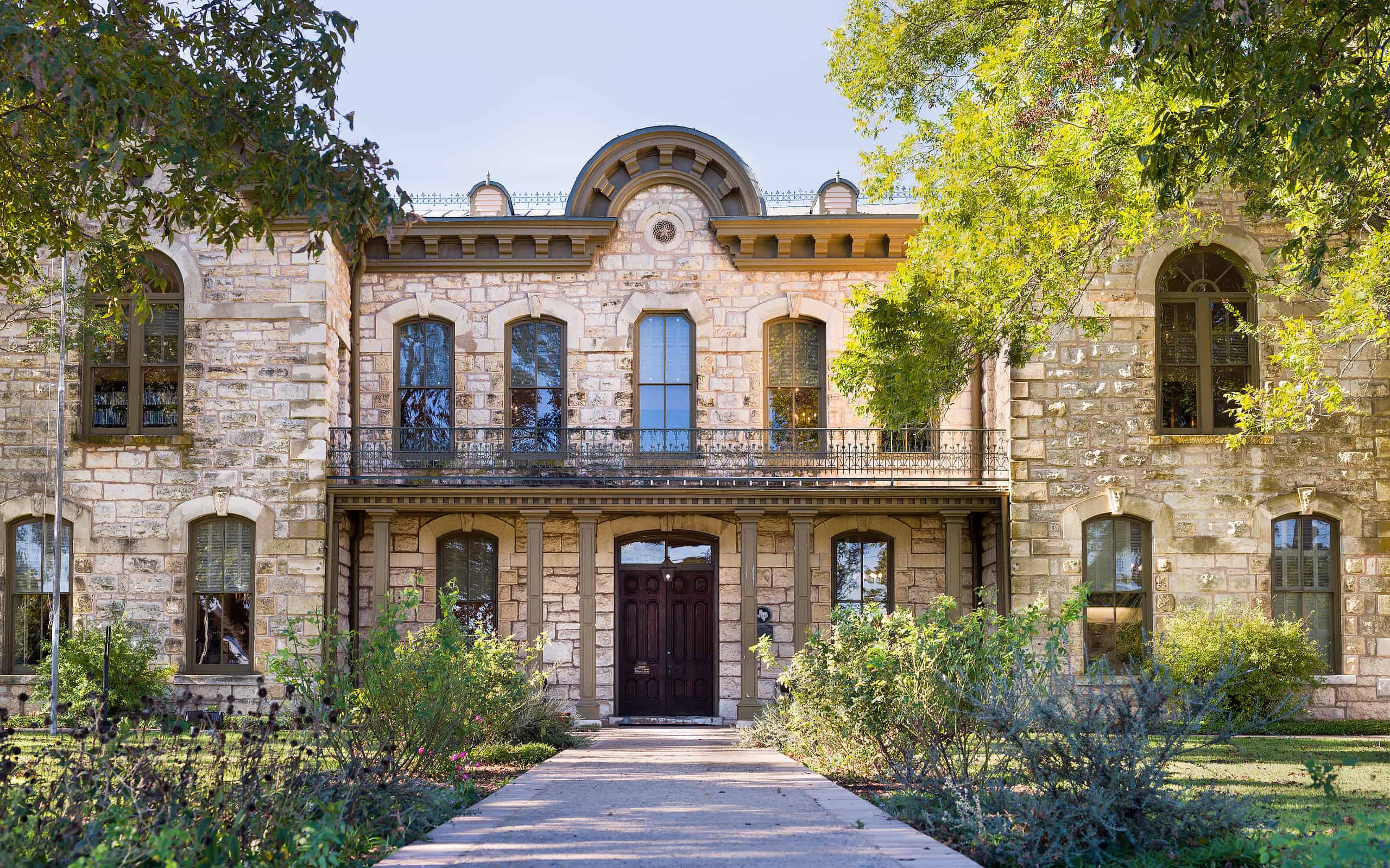
Fredericksburg, Texas, is one of the most distinctive retirement spots in the Hill Country. It blends small-town charm, German heritage, local wineries, historic buildings, and scenic countryside into a place that feels both relaxed and full of character. For retirees who want a town with personality, Fredericksburg offers far more than a quiet place to settle down.
One of the city’s biggest draws is its strong German influence. That heritage can be seen in the architecture, restaurants, festivals, historic sites, and overall character of the downtown area. Instead of feeling like a generic retirement town, Fredericksburg has a clear sense of place. It feels rooted in its history while still offering the shops, restaurants, galleries, and amenities that make day-to-day life enjoyable.
Downtown Fredericksburg is a major part of the appeal. The area is known for antique stores, boutiques, art galleries, wine-tasting rooms, bakeries, restaurants, and historic buildings. For retirees, that means there are plenty of easy ways to spend an afternoon without needing to drive into a major city.
That walkable downtown atmosphere can be especially appealing for people who want retirement to feel active but not overwhelming. A simple day might include browsing local shops, stopping for lunch, visiting a gallery, or meeting friends for a glass of wine. It is the kind of town where everyday errands and casual outings can feel more enjoyable because the setting itself is part of the experience.
Fredericksburg also benefits from its surrounding Hill Country landscape. The area is known for peach groves, farms, vineyards, wildflowers, and rolling scenery. That rural beauty gives the town a peaceful backdrop while still keeping residents connected to a lively local economy and a steady stream of visitors.
For retirees who enjoy food, wine, gardening, or scenic drives, Fredericksburg has a lot to offer. The nearby wineries and tasting rooms make it a popular destination, but locals can enjoy those same amenities without treating them like a once-a-year trip. The area’s farms, orchards, and seasonal produce also add to the town’s charm.
The city’s historic public library, cultural attractions, and community events give retirees additional ways to stay engaged. That matters because the best retirement destinations are not only pretty or affordable. They also offer ways to keep learning, socializing, and participating in local life.
Fredericksburg is also a strong option for retirees who want a smaller city without feeling cut off. It offers a quieter pace than Austin or San Antonio while still being within reach of larger metro areas when needed. That balance can be valuable for retirees who want peace and scenery but still appreciate access to bigger-city services, airports, specialists, or entertainment.
Cost is another important part of the equation. Fredericksburg is not necessarily the cheapest place to retire in Texas, and its popularity as a travel destination can affect housing and everyday expenses. However, if its cost of living is only slightly above the national average, many retirees may find the tradeoff worthwhile given the town’s charm, amenities, and quality of life.
For people comparing retirement destinations, Fredericksburg stands out because it offers more than warm weather and lower taxes. It has history, beauty, walkable attractions, local food, wine country appeal, and a strong cultural identity. For retirees who want a charming Hill Country lifestyle with plenty to do, Fredericksburg is one of the most appealing under-the-radar places to consider.
8. Fairhope, AL
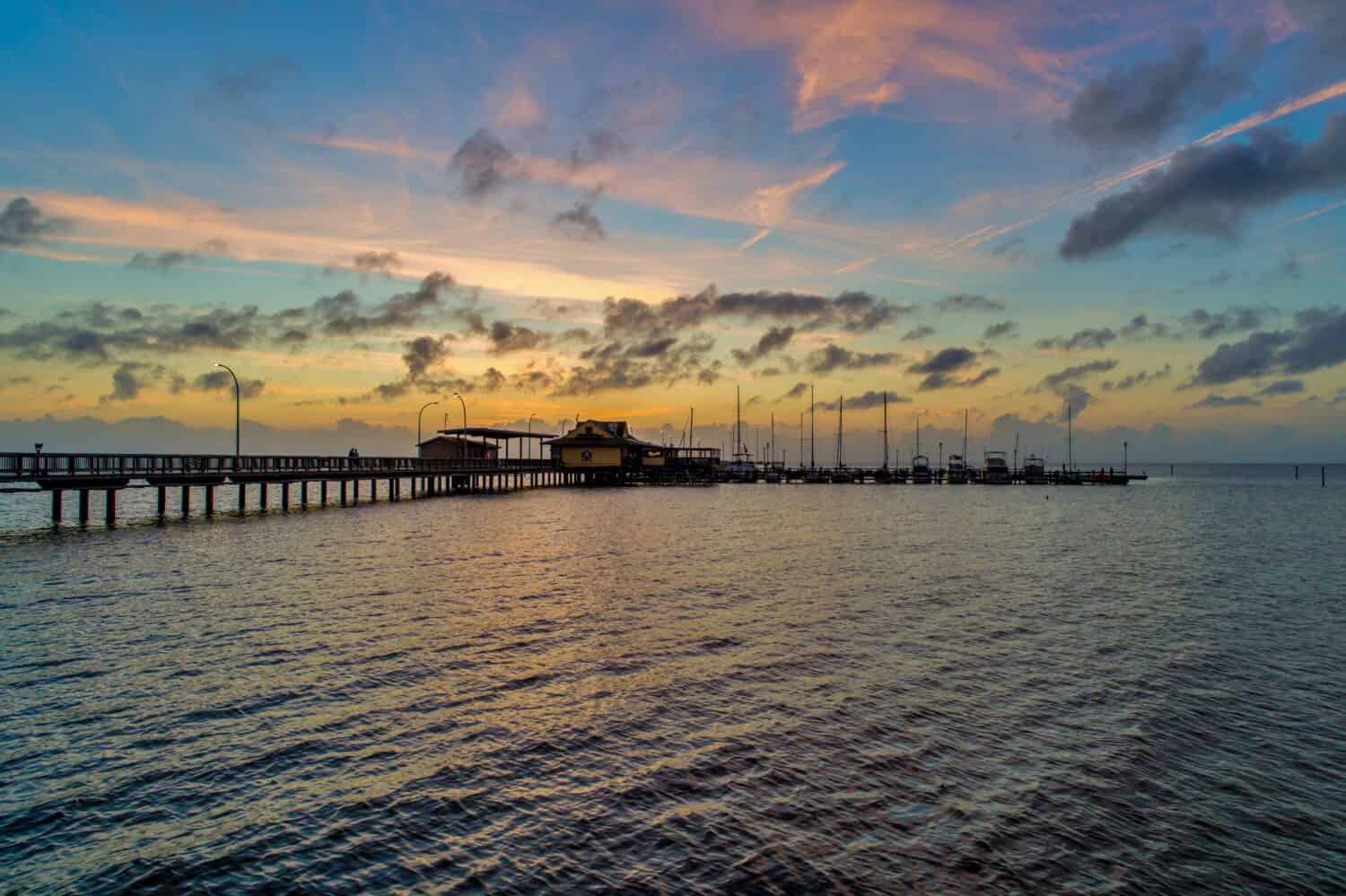
Fairhope is one of Alabama’s most appealing retirement towns, especially for people who want coastal charm, tax advantages, and a strong sense of community. Set along Mobile Bay, the city offers a scenic downtown, waterfront views, local shops, restaurants, galleries, and a relaxed pace that works well for retirees looking for a slower but still active lifestyle.
The financial side is part of the draw. Alabama does not tax Social Security benefits, which can help retirees stretch their income. The state also exempts residents age 65 and older from the state portion of property taxes, though county, city, and school taxes may still apply depending on the situation and local rules. That makes it important for retirees to check the details before assuming they will owe no property taxes at all.
Beyond taxes, Fairhope offers plenty of ways to enjoy retirement. Golf, boating, fishing, walking along the bay, browsing downtown, and attending local events are all part of the lifestyle. The city has the kind of setting that makes ordinary days feel more enjoyable, whether that means watching the sunset over Mobile Bay or spending an afternoon downtown.
Community resources also matter. Fairhope has a local senior center with events, activities, and classes, giving retirees a place to stay socially connected. That can be a major advantage for people moving to a new town after retirement, especially those who want to build friendships and routines.
Fairhope is not necessarily the cheapest small town in Alabama, and its popularity has made it more desirable over time. But for retirees who want waterfront beauty, Southern charm, recreational options, and potential tax benefits, it remains a standout choice. It offers the feeling of a coastal getaway with the practical benefits of a livable, established community.
9. Petoskey, MI
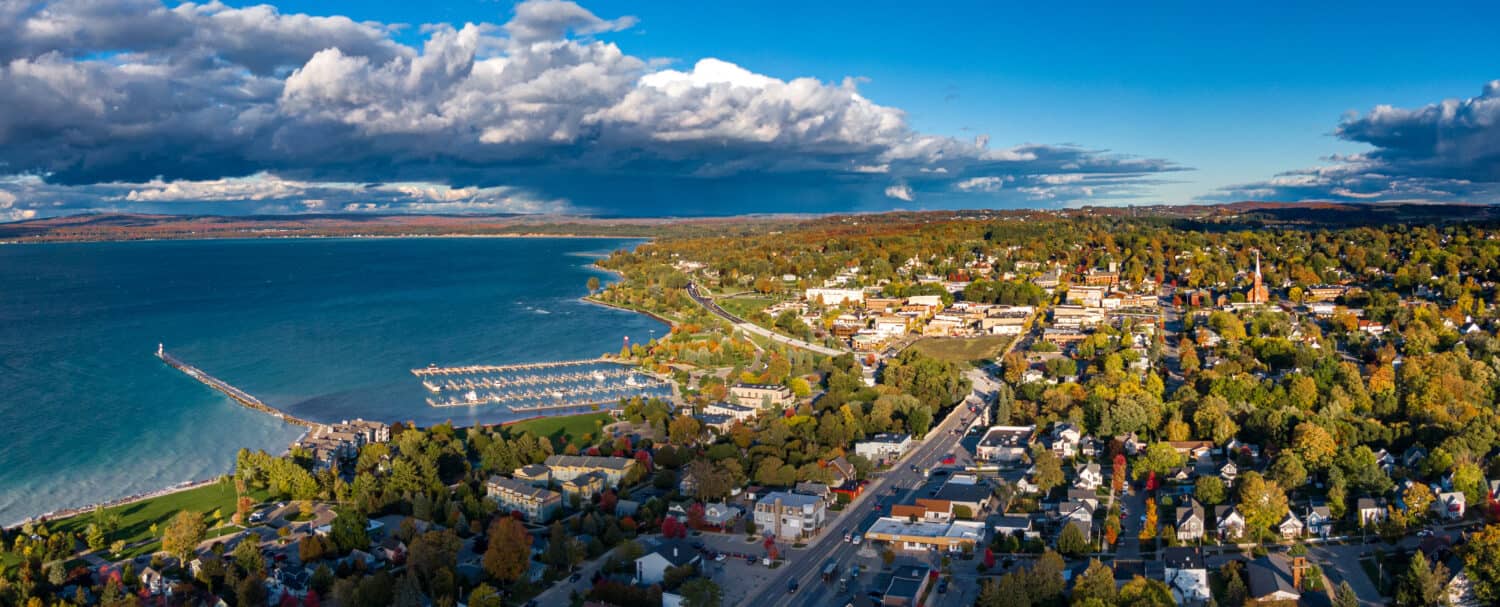
Petoskey is a strong retirement pick for people who want lake views, a charming downtown, and year-round recreation. Located along Little Traverse Bay in northern Michigan, the city offers the kind of scenery that makes everyday errands and casual outings feel special. Downtown Petoskey overlooks the water, giving residents access to shops, restaurants, parks, and bay views in one compact, walkable area.
The downtown experience is a major part of the appeal. Retirees can spend time browsing local boutiques, stopping for coffee, visiting restaurants, or taking a walk near the waterfront. It has the feel of a vacation town, but for residents, those amenities can become part of everyday life rather than a once-a-year getaway.
Petoskey also offers an active lifestyle for retirees who enjoy recreation. The broader area is known for golf, skiing, boating, beaches, trails, and tennis. That makes it a good fit for people who want four-season activity rather than a retirement destination built around only warm weather.
The seasonal variety can be a plus. Summers bring boating, lakefront walks, farmers markets, and outdoor dining. Fall adds color and scenic drives. Winter opens the door to skiing and snow-covered views. Spring brings a slower, quieter beauty as the town shifts out of the cold season.
Retirees should be realistic about the winters. Northern Michigan can be snowy and cold, so Petoskey may not suit people who want to avoid winter weather entirely. Seasonal tourism can also affect traffic, prices, and the local rhythm during peak months.
Still, Petoskey has a lot to offer retirees who enjoy a scenic, active lifestyle. With its bayfront setting, charming downtown, outdoor recreation, and strong sense of place, it stands out as one of Michigan’s most appealing overlooked retirement towns.
10. Paso Robles, CA
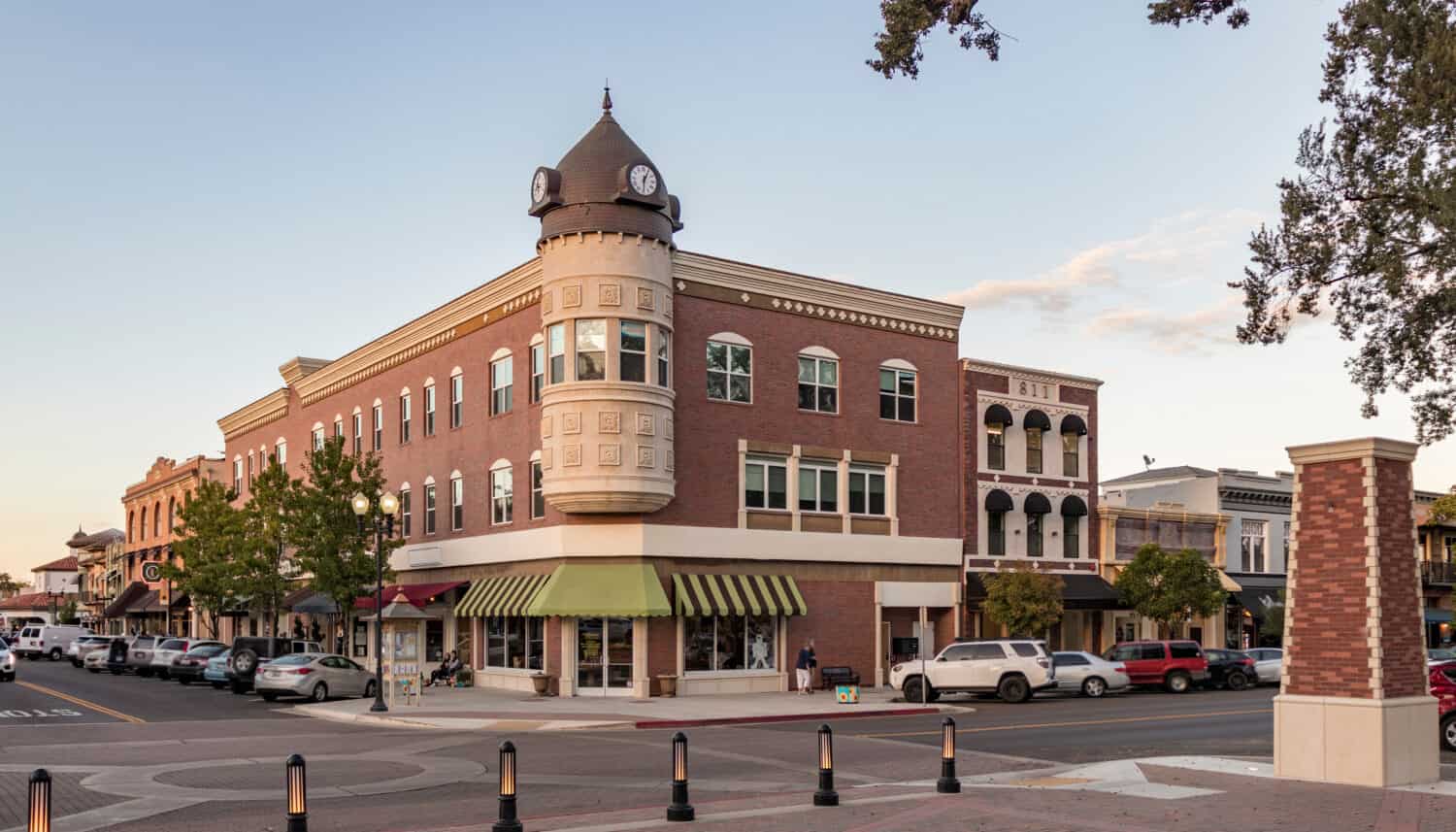
Paso Robles is a strong retirement option for people who want a slower Central Coast lifestyle with plenty of food, wine, and outdoor access. The town is best known for its wine country setting, with hundreds of wineries in the surrounding area. For retirees who enjoy scenic drives, vineyard views, tasting rooms, and good restaurants, Paso Robles offers the kind of everyday lifestyle that can feel like a permanent getaway.
The town itself has a relaxed but lively feel. Downtown Paso Robles has restaurants, boutiques, coffee shops, tasting rooms, galleries, and local events that give residents plenty of ways to stay active without needing to travel far. It is small enough to feel manageable, but it does not feel empty or isolated. That balance can be especially appealing for retirees who want charm and convenience without the intensity of a larger California city.
Outdoor recreation is another major advantage. Paso Robles is surrounded by rolling hills, vineyards, parks, and scenic backroads. Retirees can spend time hiking, walking, golfing, or exploring nearby natural areas. The town is also within driving distance of the coast, which makes beach days possible without having to live directly in a more expensive coastal market.
That said, affordability is the biggest tradeoff. Paso Robles has a cost of living well above the national average, so retirees need to look carefully at housing, taxes, insurance, health care, and everyday expenses before making the move. A higher cost of living may not be ideal for everyone, especially those relying heavily on a fixed income.
Still, Paso Robles has retirement communities and lifestyle options that may appeal to people who are already planning for a higher-cost California retirement. For retirees who can make the budget work, the city offers wine country charm, strong dining, shopping, outdoor access, and proximity to the beach. It may not be the cheapest place to retire, but it has a quality of life that makes it easy to understand the appeal.