











Clark Howard Says Percentage Tipping Is Broken, and Diners Know It
A Pennsylvania caller named Bill recently asked consumer advocate Clark Howard a question that many diners have probably wondered but rarely say out loud: Why should a tip automatically rise just because the meal costs more?
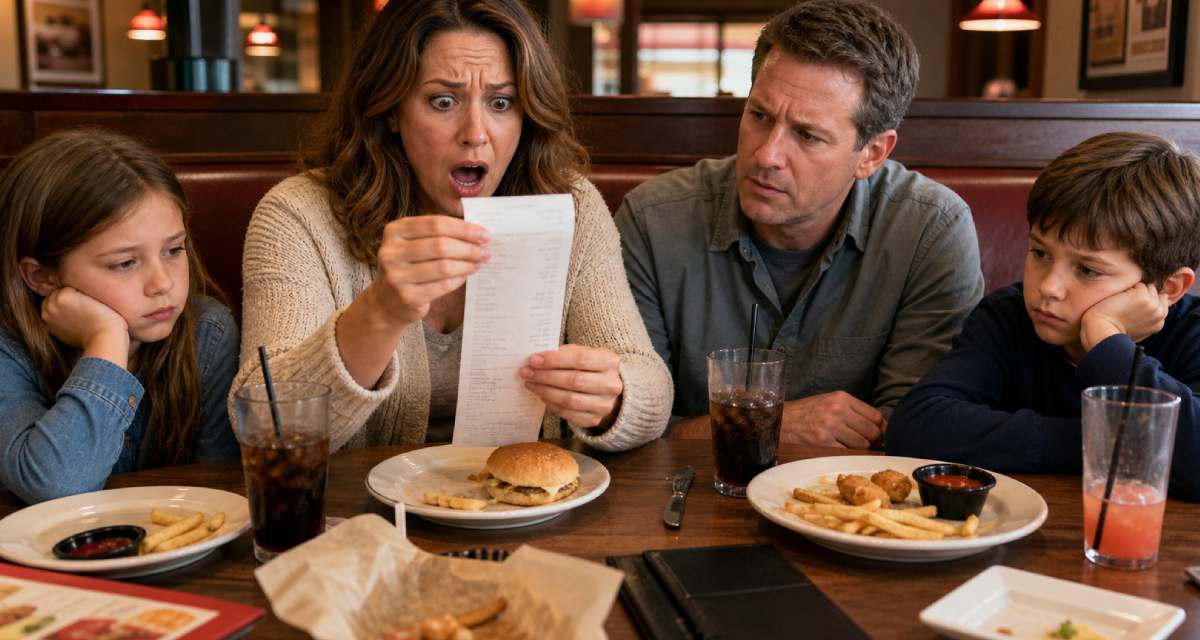
Bill said he has always tipped 20% for food service, but he started questioning the logic after comparing a $30 steak with a $10 burger. In both cases, the server may bring the same number of plates, make the same number of trips, and provide the same level of service. So why should one meal require a much larger tip than the other? Clark defended the percentage-based tipping system, but the fairest answer is not quite that simple. Bill is right that the math can feel unfair. Clark is right that the system still has a practical reason for existing. Understanding both sides can help diners tip fairly without feeling trapped by a broken formula.
Clark Howard Says Percentage Tipping Still Makes Sense
A caller named Bill from Pennsylvania recently asked Clark Howard a question many diners have probably wondered about: why should a tip rise automatically just because the meal costs more? Bill said he has always tipped 20% for food service, but he started questioning whether that formula is fair when the work looks the same. A server may bring the same number of plates and make the same number of trips whether the customer orders a $30 steak or a $10 burger. Clark defended percentage tipping, but the issue is more complicated than it first appears.
Why Diners Are Frustrated by the Math
Bill’s frustration comes from a simple comparison. Under a 20% tipping model, a $30 steak produces a $6 tip, while a $10 burger produces a $2 tip. If the server’s effort is nearly identical, the higher-priced meal appears to pay three times as much for the same work. That is why flat-dollar tipping can feel more logical to diners who are watching every extra charge on the bill. The problem is that restaurant tipping does not operate one table at a time. It works across an entire shift, and that is where Clark’s argument starts to make more sense.
Clark Howard’s Case for Percentage Tipping
Clark argued that most restaurants have a fairly narrow range of menu prices, with only a few outliers on either end. Over dozens of tables, that means a server’s tips tend to average out. In that sense, percentage tipping works like a rough income system tied to the restaurant’s overall price level. A server at a diner with lower check totals will usually earn less per table than a server at a higher-end restaurant, but that difference reflects the economics of the establishment. The system is imperfect, but it gives servers a way to earn more at restaurants with higher prices and higher customer expectations.
A Flat Tip Can Break Down Quickly
Flat tipping can seem fair in a casual lunch setting. If a server handles 10 tables with $12 checks, a 20% tip generates about $24, while a flat $2 tip per table produces almost the same result. But the math changes at a mid-range dinner restaurant. If a server handles 8 tables with $60 checks, a 20% tip produces $96. A flat $4 tip per table would bring in only $32. That would shift a large amount of money away from servers at restaurants where check sizes are higher, even though those workers still rely heavily on tips as part of their income.
Tipped Workers Depend on More Than Hourly Pay
The tipping debate matters because many servers are not earning a normal hourly wage before tips. The federal tipped minimum wage is $2.13 per hour, which means tips often make up most of a server’s actual income. A flat-tip system might feel fair to an individual diner on a single bill, but it could seriously reduce earnings for workers at higher-priced restaurants. That does not mean diners should ignore unfair or confusing tipping expectations. It does mean the percentage system exists partly because restaurant pay is built around customers collectively funding the server’s real wage.
Inflation Has Made Every Tip Feel Bigger
Bill’s question also reflects a larger pressure on household budgets. As menu prices rise, the dollar value of a 20% tip rises automatically, even if diners have not changed how generously they tip. A $30 entree that becomes $35 creates a larger tip simply because the bill is higher. For customers already dealing with higher food prices, service fees, and lower savings rates, tipping can start to feel like one more cost that keeps climbing. That frustration is real, but it is mostly a symptom of inflation and restaurant pricing rather than proof that percentage tipping is completely broken.
When Bill’s Flat-Tip Logic Does Make Sense
There are situations where Bill’s instinct is reasonable. If someone orders a single unusually expensive item, such as a premium steak or bottle of wine that costs far more than the rest of the menu, a strict percentage tip may overstate the service involved. In that case, tipping based on the restaurant’s normal price range, with a modest premium for the outlier item, can be fair. Clark noted that most menus have some outliers, and that is where diners have room to use judgment. The goal should not be to punish the server, but to avoid letting one unusually expensive item distort the tip.
The Smart Way to Tip Without Overthinking It
For most sit-down restaurant meals, tipping 18% to 20% on the pre-tax total remains the clearest approach. It matches the restaurant’s price tier, supports the pay structure servers are working under, and avoids turning every meal into a math debate. But diners can still use common sense. If the bill includes a major outlier, a large service fee, or an unusually expensive item that did not require extra service, it is reasonable to adjust thoughtfully. Bill is right that the math can feel unfair. Clark is right that the percentage system usually works better than a flat-dollar alternative.