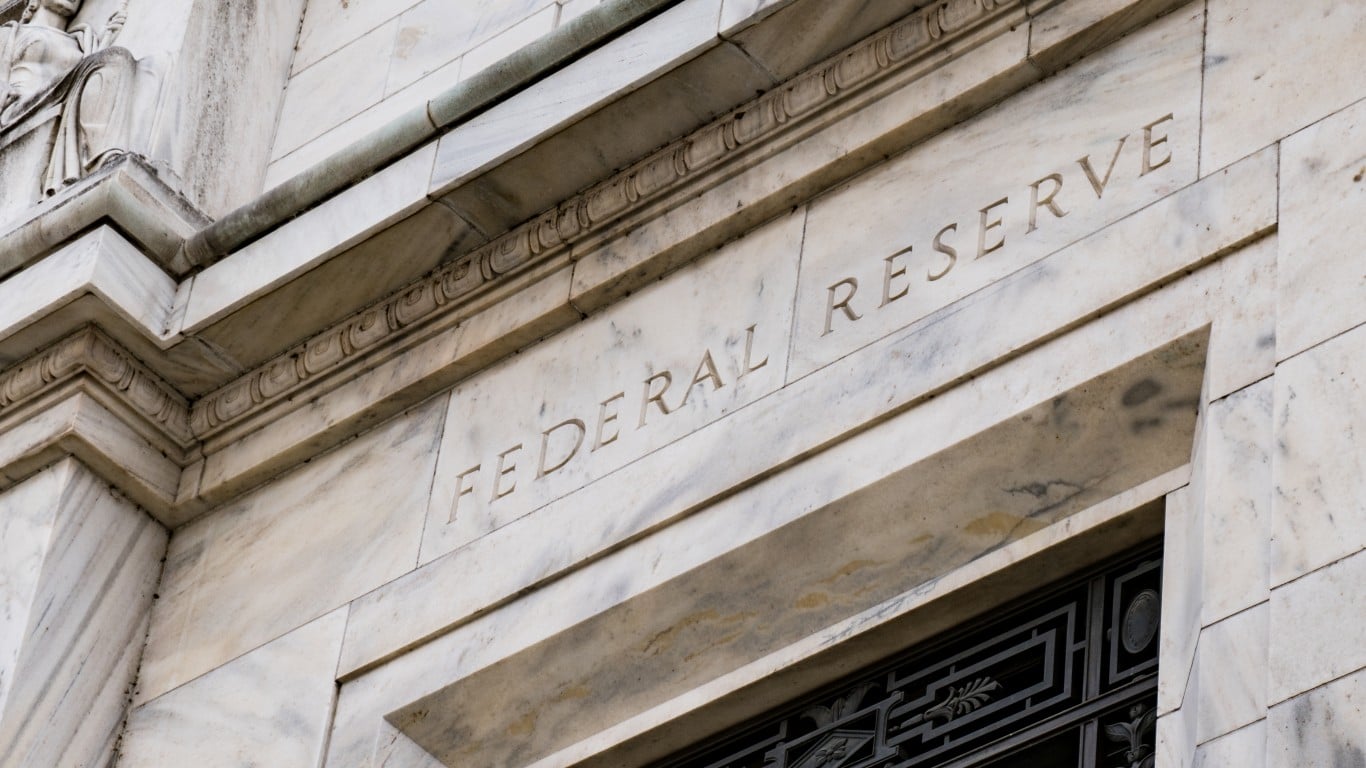
Minneapolis Fed President Neel Kashkari expects another rate increase this year and one more in 2027, he told CNBC’s Steve Liesman at the Council on Foreign Relations. Kashkari called inflation “still too high” even after softer-than-expected PCE data, while describing the labor market as “pretty good.” A policymaker who receives good news on inflation and leaves his rate path untouched signals strong conviction that the job remains unfinished.
What August Inflation Data Showed
The August PCE report from the Bureau of Economic Analysis showed core prices, which exclude food and energy, rising 0.25% month over month and 3.01% year over year. Headline PCE ran 3.42% annually, with energy up 16.85%. A year earlier, core sat at 2.85%. Meanwhile unemployment held at 4.1% in August, giving hawks room to argue the economy can handle tighter policy.
Bond Market Wants Even More Tightening
Liesman noted: “The gap with that estimate and the actual two year is the highest it’s ever been since they’ve been recording it, which means the gap between the market and the Fed is as big as it’s ever been. The market thinks the Fed is going to be a whole lot more aggressive than the Fed thinks itself.”
As of September 30, 2026, the two-year Treasury yielded 4.88%, the ten-year 5.29%, and the thirty-year 5.64%. Liesman put the gap between the Fed’s estimate and the two-year at over 100 basis points, with the fed funds rate at 4.00%, up from 3.75% in September, according to CNBC.
Kashkari’s Answer to the Market Signal
Kashkari addressed the gap directly: “I don’t want to blindly dismiss what markets are signaling, because markets right now are signaling that policy may have to go even tighter than we expect. I want to pay attention to it, but I don’t want to blindly follow it either, because there are a lot of different factors that can go into some of these market judgments.”
A central banker who simply follows bond yields creates a feedback loop. Yields reflect oil shocks, Treasury supply, and term premiums as well as rate expectations, so chasing them can lock in tightening driven by forces the Fed cannot control.
Regional Presidents Are Divided
Boston’s Susan Collins said, “With the labor market on relatively solid footing, monetary policy can focus on ensuring that we restore in a timely way sustainable, durable, 2% inflation.” New York’s John Williams said there is “No Need to Rush”, a more cautious position. That split leaves the committee’s next move less certain.
Two Separate Market Measures
Per-meeting chances: CNBC cited a 34% chances of an October rise and a nearly 90% chances for December.
Full-year rise count: A prediction market on total quarter-point hikes in 2026 prices exactly two at 60%, exactly one at 17.5%, and exactly three at 18.2%. The contract for zero hikes has already resolved against that outcome, reflecting the September increase.
CNBC also cited the ISM manufacturing index at 54.5, slightly below expectations, with new orders at 55.3. Both readings sit in expansion territory.
Where the Evidence Points for Bond Holders
One side of this gap is wrong, and the repricing when it closes is the risk for anyone holding bonds or rate-sensitive equities. The evidence currently favors the market. Core PCE has stayed above 3% year over year every month since March, energy inflation remains in double digits, manufacturing is expanding, and unemployment held at 4.1%. Consumer sentiment at 51.7 is the main balance.
Watch for the September core PCE month-over-month reading. Another figure near August’s pace keeps pressure on the Fed to move closer to what the two-year yield already implies, and a rise at the October meeting would confirm the market was ahead of the Fed’s own projections.