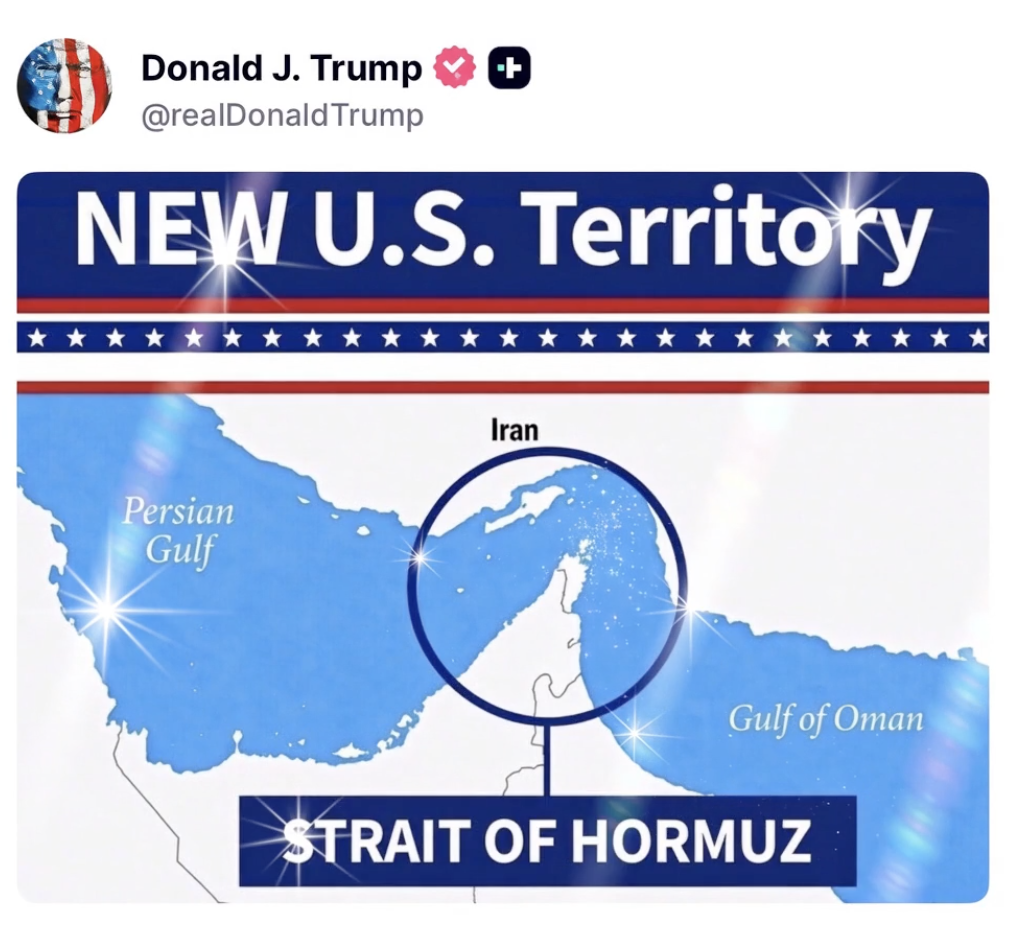
Per a Bloomberg segment dated September 29, 2026, correspondent Jeff Mason said President Trump has changed timelines repeatedly. He initially said the conflict would last four to six weeks, then suggested a deal was possible after the midterms. For oil traders and fuel buyers, that record is why the newest projection deserves examination.
A Short War Forecast Meets A Long War
CBS News reported on September 25, 2026 that oil prices rose as the US and Iran traded threats to expand a seven-month war. The original four-to-six-week forecast and the current duration now sit side by side in the public record.
Two Versions Of After November Are Circulating
Per Bloomberg, Trump said a deal was possible after the midterms. But other reporting points elsewhere. Newsweek reported on September 26, 2026 that Mike Waltz responded to claims Trump expects Iran bombing after the midterms. The same day, finance.biggo reported Trump privately rejected Iran’s Hormuz ceasefire offer and signalled bombing was likely after the midterms.
A negotiated deal and a bombing campaign are opposite outcomes, both attributed to the same administration in the same week, and while which reflects actual intent is unknown, both circulating is the market-relevant development.
Iran Sounds Pessimistic While Talks Keep Moving
Per Bloomberg, Mason said Iranian officials are casting doubt on the chances of a breakthrough after the midterm elections. He noted talks with US officials occurred in New York within the last week, and Iran’s foreign minister stayed in the US for continued talks. The Japan Times reported on September 29, 2026 that Iranian officials are pessimistic about a US deal before the midterms, based on unnamed sources describing private views.
The process remains active. Reuters reported on September 24, 2026 that the two sides are discussing a staged deal to reopen the Strait of Hormuz and end a US blockade, according to sources. PBS reported on September 25, 2026 that Iran suggested reopening the strait in seven days, and The Guardian reported on September 26, 2026 that Trump rejected it. CBS News reported on September 27, 2026 that Trump expected talks to resume that week, and PBS reported on September 28, 2026 that mediators were still working on a deal. Today, CBS News reports that Tehran says it expects a US response to a cease-fire proposal Trump already rejected. Official pessimism and active mediation are both true at once.
Oil Is Pricing Every Headline
Federal Reserve Economic Data puts West Texas Intermediate crude, the US benchmark, at $96.41 per barrel as of September 22, 2026. That is the most recent settled reading available, roughly a week old, and today’s price may differ.
Over the trailing year, WTI hit a high of $114.58 on April 7, 2026 and a low of $55.44 on December 16, 2025. It trades near the 80th percentile of that range. The width of that band is the cost of uncertainty. Energy Connects reported on September 28, 2026 that oil swung as traders assessed Iran-US talks progress against tight supply, and NBC News reported on September 22, 2026 that prices see-sawed as markets considered Trump’s UN speech and a potential Saudi pipeline fix.
The Energy Information Administration released its May 2026 outlook. It said oil prices would “reflect a larger risk premium throughout the forecast” and that the longer disruptions remain, the larger the price response.
A closed strait and blockade feed into fuel costs and inflation. A reader needs no view on Middle East policy to have a stake in which version of November proves right.
What Investors Can Actually Check
Two versions of after-November are going around from the same administration, and oil cannot price both at once, so the evident markers are whether talks continue and whether the Strait of Hormuz reopens. Watch those signals alongside weekly WTI settlements as the clearest gauge of which timeline the market believes.