
Congressional stock trading remains one of the most closely watched money controversies in Washington. For years, lawmakers have faced pressure from ethics groups, voters, and investors who argue that members of Congress should not be able to buy and sell individual stocks while also receiving briefings, shaping legislation, and overseeing major industries. Proposals to ban or restrict the practice regularly surface on Capitol Hill, but those efforts have repeatedly struggled to become law.
The concern is not hard to understand. Several studies and market watchers have suggested that some members of Congress have beaten the broader market over time, raising questions about whether lawmakers have access to information or policy signals that ordinary investors do not. Even when trades are legal and properly disclosed, the optics can be difficult to ignore.
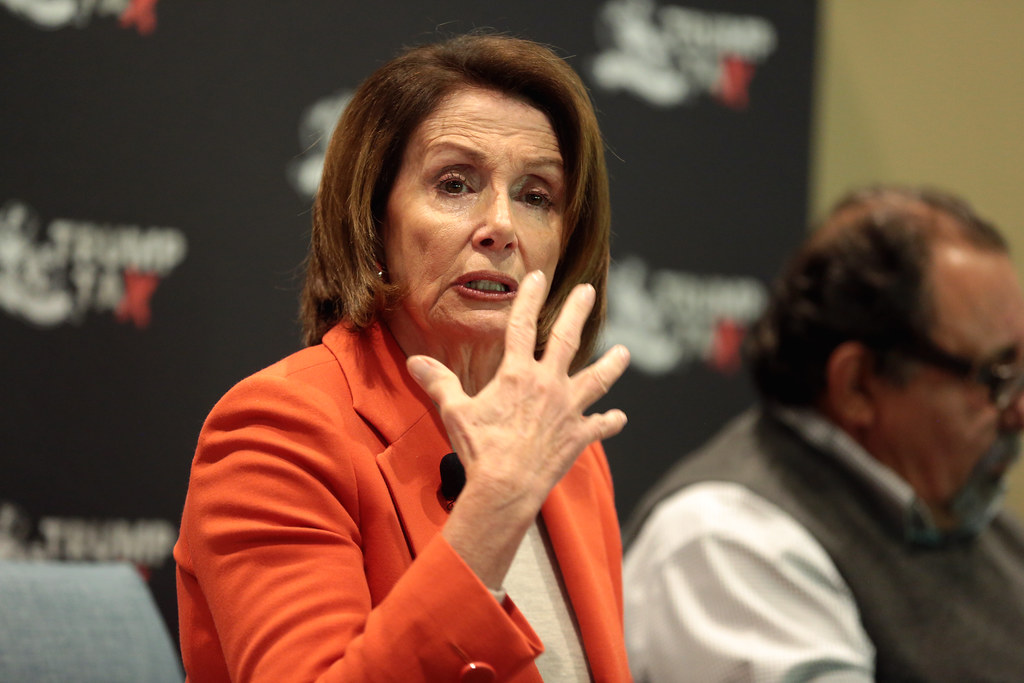
No political figure draws more attention in this debate than former House Speaker Nancy Pelosi. The trades are officially disclosed under her husband, Paul Pelosi, but the Pelosi family portfolio has become a favorite target for investors who track congressional buying and selling. Some followers argue the portfolio has posted returns strong enough to rival, and at times beat, major benchmarks like the S&P 500.
Now, the latest disclosure shows two new trades worth up to $6 million combined. Both appear to be bullish bets tied to future stock gains, and because of the Pelosi name attached to them, investors are already paying close attention.
Pelosi’s Latest Moves Target Intel and Uber
According to congressional disclosure filings, Pelosi purchased up to $5 million worth of call options on Intel (NASDAQ:INTC | INTC Price Prediction) and up to $1 million worth of call options on Uber Technologies (NYSE:UBER).
The positions consist of:
| Company | Contracts | Strike Price | Expiration | Trade Date | Report Date |
| Intel | 200 Call Options | $50 | March 19, 2027 | May 29, 2026 | June 23, 2026 |
| Uber | 200 Call Options | $50 | March 19, 2027 | May 29, 2026 | June 23, 2026 |
What These Trades Actually Mean
The filings suggest Pelosi is not simply buying common shares of Intel and Uber. Instead, the trades involve call options, which are contracts that give the buyer the right, but not the obligation, to purchase shares at a set price before a specific expiration date. In this case, the disclosure shows 200 Intel call option contracts and 200 Uber call option contracts, both with a $50 strike price and a March 19, 2027 expiration date. Each options contract controls 100 shares, so 200 contracts give exposure to 20,000 shares of each company. That makes these sizable bullish positions, even though the exact amount invested is unclear because congressional disclosures report trades in broad dollar ranges.
The reason this structure matters is that options can magnify upside. Instead of paying the full cost to buy 20,000 shares outright, an investor pays an options premium to control the right to buy those shares later. If the stock rises far above the $50 strike price, the options can become much more profitable on a percentage basis than simply owning the stock. But there is also a clock attached. These contracts expire in March 2027, which means the bullish thesis has to play out before then. If the stocks do not stay above the strike price by enough to cover the premium paid, the trade can disappoint. If they fall below the strike price, the options could expire worthless, with the loss limited to the premium.

You’ve undoubtedly heard of Uber, one of several successful providers that have changed the face of transportation.
Why These Bets Are Notable
The Intel trade is the more surprising of the two because Intel has spent years trying to regain investor confidence. The company has been working to rebuild its manufacturing business, catch up in advanced chips, and compete more aggressively with rivals such as Taiwan Semiconductor Manufacturing and Advanced Micro Devices. A long-dated call option position suggests a bet that Intel’s turnaround story still has room to run. Because the disclosure values the Intel option purchase between $1 million and $5 million, it is also the larger of the two positions reported. For investors who watch congressional trading disclosures, that size alone makes the move stand out.
Uber is a different kind of bet. The company has already moved from growth-at-all-costs skepticism toward a more mature technology platform built around mobility, delivery, advertising, and logistics. A call option position in Uber is still a bullish wager, but the market already views Uber as a stronger and more established business than it did several years ago. Both trades use the same $50 strike price and March 2027 expiration date, which gives the positions a long runway compared with short-term options. Still, options are not guarantees. They can lose money even when the stock story sounds promising, especially if the investor overpays for the premium or the shares fail to move enough before expiration.
Key Takeaway
Pelosi’s latest disclosure points to two sizable bullish bets on Intel and Uber, with a combined reported value of up to $6 million. The important detail is that these are not ordinary stock purchases. They are call options, meaning the Pelosi portfolio is using a strategy designed to increase upside exposure while limiting the maximum loss to the premium paid. That does not make the trades risk-free. Options can be volatile, time-sensitive, and unforgiving if the underlying stock fails to move enough before expiration. But it does show a clear view: the portfolio is positioning for meaningful gains in both companies before March 2027.
For everyday investors, the lesson is not to blindly copy the trades. Congressional disclosures are delayed, the exact entry price is not always known, and options pricing can change quickly. By the time the public sees the filing, the trade may already look very different. Still, the disclosure is worth paying attention to because the Pelosi family portfolio remains one of the most scrutinized in Washington. Whether investors see the trades as a market signal, a political controversy, or both, Intel and Uber are now back in the spotlight as two stocks attracting fresh attention from one of the most closely followed portfolios in the country.