The largest initial public offerings often arrive with enormous expectations. Investors rush to own a piece of a famous company, early trading pushes the price higher, and the excitement can make almost any valuation look reasonable. The difficult part comes later, when the business must justify those expectations through earnings, cash flow, and consistent execution.
SpaceX followed that familiar pattern after completing the largest IPO on record in June 2026. Shares were priced at $135, surged above $225 within days, and then lost nearly half their value from that intraday peak. By late July, the stock had also fallen below its IPO price. That does not necessarily determine SpaceX’s long-term future, but it is an important reminder that buying a groundbreaking company and buying its stock at the right valuation are two different decisions.
A Record-Breaking IPO With Unusual Retail Access
SpaceX initially offered approximately 555.6 million Class A shares at $135 each. After underwriters exercised their option to purchase additional shares, the company sold nearly 638.9 million shares and raised approximately $85.7 billion in gross proceeds. Nasdaq described it as the largest public offering in history, giving SpaceX one of the most closely watched market debuts ever recorded.
The original draft went too far by claiming that SpaceX reserved a specific, sizeable portion of the offering for everyday investors. Public filings do not clearly quantify such a set-aside. However, the company did make retail participation an explicit part of the process. Its IPO materials stated that retail participation was important and directed individuals to participating brokerage platforms and digital investing apps. Separate retail offers were also organized in several international markets. That gave individual investors a clearer path into the IPO than they receive with many heavily institutional offerings, although requesting shares did not guarantee an allocation.
SpaceX Shares Rose Quickly, Then Fell Back to Earth
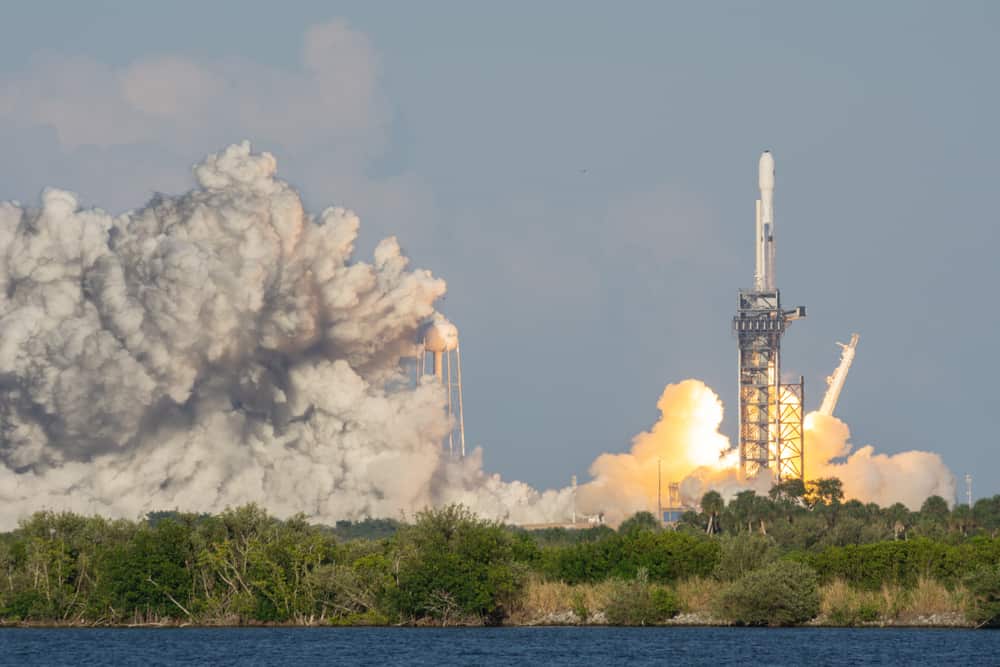
SpaceX shares began trading on June 12. The stock opened at $150 and finished its first session at $160.95, nearly 20% above the $135 IPO price. The rally accelerated during the following sessions, with the shares briefly trading above $225 on June 16. Investors who received shares at the offering price were sitting on substantial paper gains only days after the company went public.
That momentum did not last. SpaceX closed at $113.50 on July 27 after touching an intraday low below $109. At that closing price, the stock was approximately 16% below its IPO price, not 22% as the original draft claimed. It was also nearly 50% below its intraday high above $225. The distinction matters because saying the stock is “down 49%” without identifying the starting point can mislead readers. The decline is roughly 50% from the post-IPO high, but considerably smaller when measured from the actual offering price.
Musk Warned About Short-Term Pressure, Not a 49% Collapse
Elon Musk did not specifically predict that SpaceX shares would lose nearly half their value. The more accurate interpretation is that he warned investors about a conflict between public-market expectations and SpaceX’s long-term priorities. During a July interview with The Economist, Musk said public companies face constant pressure to produce strong quarterly results, even when management wants to invest in projects that may take five to 10 years to produce meaningful returns.
Musk used potential spending on lunar and Martian infrastructure as an example. His argument was that SpaceX may willingly accept weaker near-term financial results if management believes the spending advances its broader mission. President and COO Gwynne Shotwell delivered a similar message around the IPO, saying the company’s horizons remained long-term and that quarterly earnings would not replace its futuristic goals. Investors may agree with that strategy, but they should understand what it means: earnings, margins, and free cash flow could remain volatile while SpaceX funds projects with uncertain timelines and outcomes.
The Prospectus Makes SpaceX’s Priorities Clear
SpaceX’s filings make clear that this is not structured like a conventional dividend-paying company focused primarily on predictable quarterly growth. The company said it did not expect to pay cash dividends for the foreseeable future and planned to use proceeds to expand AI computing infrastructure, launch systems, launch vehicles, and satellite capacity. Its filings also describe goals involving lunar development, non-Earth computing infrastructure, and eventually a permanent human settlement on Mars.
The governance structure adds another consideration. Musk retained majority voting power after the offering, allowing him to exert significant control over strategic decisions. SpaceX therefore qualifies as a controlled company and can rely on exemptions from certain Nasdaq corporate-governance requirements. Retail investors can own shares, but they have limited influence over the company’s direction. SpaceX’s international retail disclosure described the investment as appropriate only for people able to tolerate material volatility, execution risk, governance limitations, and the potential loss of their invested capital.
What SpaceX’s Decline Means for Investors
The stock’s decline does not prove that SpaceX will fail, just as its first-week surge did not prove that every ambitious project would succeed. The company owns valuable businesses in rocket launches, satellite connectivity, and artificial intelligence, but investors are also paying for future opportunities that may require enormous spending and years of development. A visionary mission can create substantial value, but it does not eliminate valuation risk, competitive pressure, regulatory challenges, or the possibility of costly setbacks.
Investors considering SpaceX should therefore look beyond the stock’s recent high and ask more practical questions. Can they tolerate large price swings? Are they comfortable owning a company controlled by Musk? Can they wait years for major investments to produce results? Does SpaceX occupy an appropriate portion of a diversified portfolio? The nearly 50% decline from its peak may make the stock look cheaper, but a lower price alone does not establish that it is undervalued. SpaceX may ultimately reward patient shareholders, but Musk and the company’s own filings have made one point clear: its priorities will not always align with investors seeking smooth quarterly results.