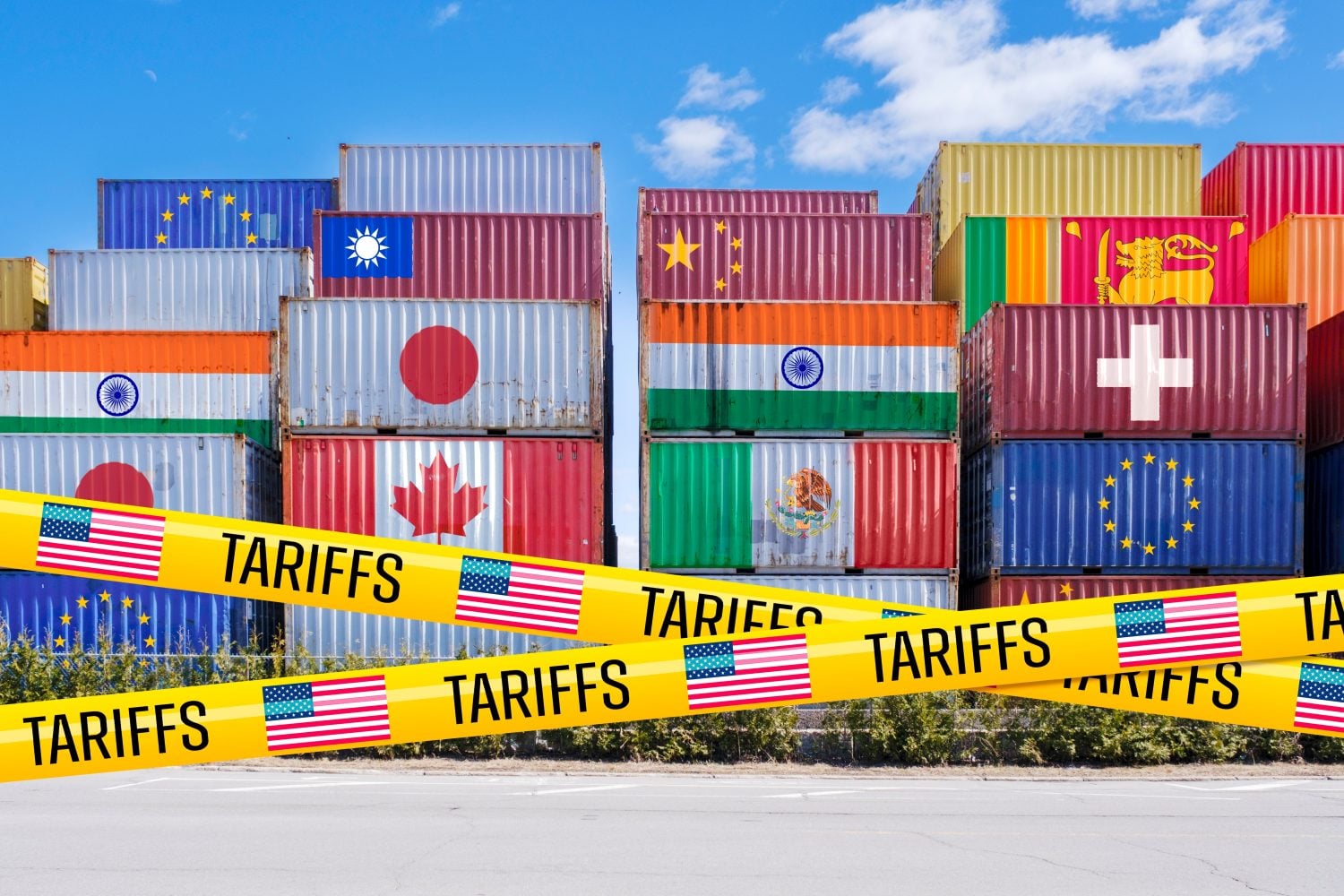
Washington is sitting on a China tariff a week before the two leaders meet, and Bloomberg Global Trade Coverage Lead Brendan Murray has a read on the delay that cuts against the usual interpretation. A withheld tariff normally reads as patience, powder kept dry for the negotiating table. Murray argues the reverse may be closer to the truth.
Bloomberg reported that the US is expected to hold off on new tariffs against China and other trading partners until after the September 24 summit between Xi Jinping and Donald Trump, according to Investing.com. The measure in question is a recommended 7.5% increase on Chinese imports, described in the reporting as an overcapacity tariff rather than a broad across-the-board hike, according to Bloomberg. Seoul Economic Daily framed it as Trump delaying China tariffs and rolling out the red carpet for Xi, and similar coverage ran across several international outlets in the last day.
Optics Before Negotiations
Murray’s first point is diplomatic. Announcing a fresh cost on Chinese imports days before a face-to-face meeting would put Beijing in an awkward posture before anyone sat down. As Murray put it, “The U.S. doesn’t want to kind of make back China into a corner before the summit, imposing new tariffs, raising the cost of Chinese imports. It’s not a good look for China for that to come out before this summit.” The calculation is about avoiding a public embarrassment that hardens positions before talks even begin, according to Bloomberg.
Tariff as a Live Threat
The measure remains live. In Murray’s framing, the measure functions as a negotiating instrument with an implicit deadline attached to the summit itself. “Those tariffs are going to remain a piece of leverage that the U.S. can apply to say, if we don’t come out of this, these high level talks with something, to show for it, then those tariffs are going to take effect,” Murray said. The 7.5% figure hovers over the room whether or not it is named at the table, according to Bloomberg.
Who Actually Has the Leverage
This is where Murray’s read turns. A tariff is only leverage if the counterparty believes it will be used and would be hurt enough by it to move. Both conditions have to hold. Murray’s assessment: “I think the leverage heading into this leans a little bit more towards China than it does to the US right now.”
The side threatening the tariff is, in Murray’s read, the side with less pull. That inversion is worth noting because delays in trade policy are typically packaged as strength. The macro backdrop is not weightless either. The US Bureau of Economic Analysis reported a July trade balance of $-88.6B, wider than the typical monthly range and the largest deficit in the reported series. A country that runs deep goods deficits can find that import taxes cut in more than one direction.
A Crowded Agenda
The tariff is one line item on a busy docket. Murray sketched the rest: “There’s a whole lot of complex things going on with these talks. We have agriculture and energy trade that both sides want to get going again and reduce tariffs on. We also have the Iran war and the sanctions. China does a lot of oil trade and other sorts of trade with Iran.” Add to that the AI track, where Bloomberg reported China criticized recent US proposals on the pacing of frontier AI development. Any single lever, including a 7.5% overcapacity tariff, may buy less at a table this crowded than it looks in a headline, according to Bloomberg.
What To Watch
Two outcomes matter after September 24, according to Investing.com. The tariff either takes effect or it does not. That result will say more about who actually held leverage than any characterization offered in advance, including Murray’s. Readers tracking the trade file should watch what emerges on agriculture and energy first, since those are the categories both sides have signaled they want to move, and treat any post-summit action on the overcapacity measure as the truer signal of who blinked.