Millions of Americans are concerned about retirement.
At the moment, almost half of American households have no retirement savings. That’s according to a 2024 Annual Retirement Survey from Allianz Life.
About 56% have no financial plan for post-work years.
In addition, a noted by Newsweek.com, “The biggest concern to retirees’ financial well-being is the ever-increasing rise in everyday costs, with 42 percent citing it as a concern, followed by 35 percent being worried about outliving their retirement funds. Thirty-two percent said they were apprehensive about healthcare costs, while 30 percent thought they might overspend during retirement and end up running out of money.”
Early Retirees Have Big Issues, Too
Early retirees have concerns, too.
In fact, one of the biggest ones is how they’ll pay for health insurance if they retire early.
For some, there’s a gap between the age of early retirement and Medicare enrollment by 65.
Unfortunately, you can’t tap your 401(k) and/or IRA penalty-free until the age of 59.5.
Early withdrawals come with penalties.
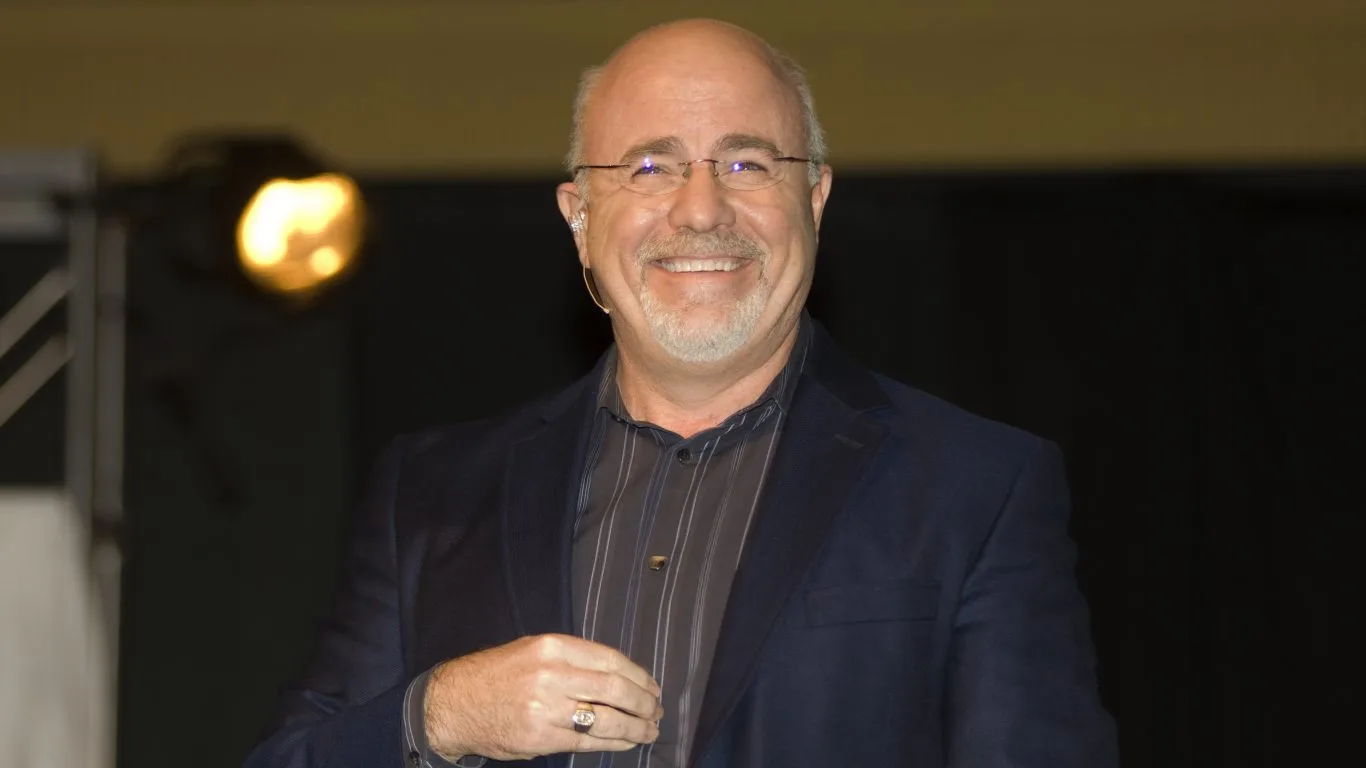
To help, finance coach Dave Ramsey suggests using a brokerage account, or a taxable investment account. While these do lack the tax advantages of a Roth IRA or other traditional retirement accounts, they do offer flexibility meaning there are no contribution limitations or withdrawal penalties if you need your money early.
Ramsey also suggests investing in mutual funds, such as the S&P 500 Index Fund.
There’s also the Health Savings Account (HSA)
To fill in the gap between early retirement and Medicare, consider a health savings account.
As noted by TheStreet.com, “He explains that an HSA is a tax-advantaged tool, allowing individuals to save pre-tax dollars for medical expenses. This helps reduce taxable income while building a dedicated fund for health care costs.”
“Ramsey points out that HSA funds grow tax-free, and withdrawals for qualified medical expenses are also tax-free. He also notes that HSA funds can be invested, enabling growth over time, which can be particularly beneficial for covering significant medical expenses in the future,” they added.