
Retirement is supposed to be a time to enjoy the rewards of decades of work, but where you choose to live can have a major impact on how far your savings actually go. From taxes on income and Social Security to healthcare access, housing costs, and overall cost of living, each state presents a different financial reality. What might seem like a great place to retire at first glance can quickly become challenging if expenses outpace expectations or essential services fall short.
In recent years, more retirees have considered relocating in search of better affordability or lifestyle benefits. While some states actively attract retirees with tax advantages and lower living costs, others present financial and practical hurdles that can make retirement more difficult. High property taxes, rising insurance costs, limited healthcare infrastructure, and even crime rates can all play a role in shaping long-term financial security and quality of life.
This list highlights 20 states that may be less favorable for retirees based on a combination of economic factors, tax burdens, healthcare access, and overall livability. While every retiree’s situation is different, understanding these potential drawbacks can help you make a more informed decision about where to settle. Choosing the right state is not just about preference, it is a key part of protecting your retirement savings and maintaining your standard of living over time.

Shutterstock ID: 1479641006, Photographer: Sean Pavone
20. New Mexico – High Crime and Limited Healthcare
New Mexico presents a mix of affordability and natural beauty, but for retirees, the challenges can outweigh the benefits. One of the biggest concerns is crime. The state consistently ranks among the highest in the country for both property and violent crime, which can make certain areas feel less secure, especially for older residents living alone or on fixed routines.
Healthcare access is another major issue. While larger cities like Albuquerque offer decent medical facilities, many parts of the state struggle with provider shortages. Rural areas in particular lack specialists, and long wait times for appointments are common. For retirees who require consistent care or access to specialists, this can quickly become a serious drawback.
Taxation adds another layer of complexity. While not the highest-tax state, New Mexico does tax retirement income above certain thresholds, including Social Security in some cases depending on income level. Combined with a top income tax rate of 5.9%, which is higher than neighboring states, this can gradually erode retirement savings. For those seeking both financial efficiency and dependable healthcare, New Mexico can be a difficult fit despite its lower housing costs.
Shutterstock ID: 1622298910, Photographer: Aaron Yoder
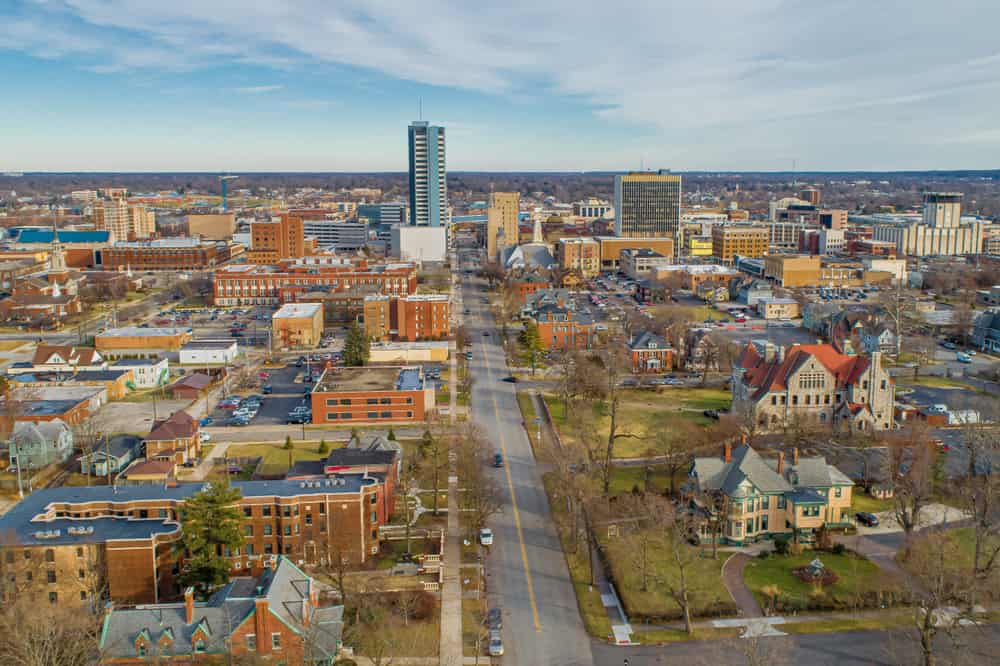
19. Indiana – Low Taxes but Uneven Quality of Life
Indiana often attracts retirees with its relatively low flat income tax rate of around 3%, which can make it appealing at first glance. However, the broader picture reveals some trade-offs that may impact long-term comfort and stability. While Social Security benefits are exempt, other forms of retirement income are still taxed, which can reduce the advantage for retirees relying on pensions or withdrawals from retirement accounts.
Crime is another factor, particularly in certain urban areas where rates remain elevated compared to national averages. While many suburban and rural communities are quieter, retirees need to be mindful of location when choosing where to settle. Safety can vary significantly depending on the region.
Healthcare is a mixed bag. Indiana offers relatively affordable healthcare compared to national averages, but quality rankings tend to fall below average. This combination of lower cost but inconsistent quality may be acceptable for some retirees, but not for those who prioritize access to top-tier medical care. Overall, Indiana can work for budget-conscious retirees, but it requires careful planning and location selection.
18. Nevada – Tax Friendly but Healthcare Gaps
Nevada is often seen as a tax-friendly retirement destination, largely because it does not have a state income tax. This can be a major advantage for retirees looking to preserve their income, especially those drawing from pensions or retirement accounts. However, the financial benefits come with some important trade-offs.
Healthcare access is one of the biggest concerns, particularly outside of major urban centers like Las Vegas or Reno. Rural areas have limited medical infrastructure, and even in cities, the availability of specialists can lag behind other states. For retirees with ongoing health needs, this can be a significant consideration.
Crime, particularly property crime, is another issue that frequently comes up in rankings and resident feedback. While not necessarily a deal-breaker, it adds another layer of risk that retirees need to consider when choosing a location. Additionally, the overall cost of living sits slightly above the national average, which can offset some of the tax advantages. Nevada may work well for healthy retirees focused on tax savings, but it is less ideal for those prioritizing healthcare access and long-term stability.
17. Tennessee – Low Taxes but Healthcare Limitations
Tennessee is often attractive to retirees because it does not tax earned income, which can make a noticeable difference for those living off retirement savings. Property taxes are also relatively low, helping reduce ongoing housing costs. However, these financial advantages are balanced by other challenges that can impact day-to-day quality of life.
One of the most consistent concerns is the state’s high sales tax, which is among the highest in the country. This can make everyday purchases more expensive, gradually offsetting some of the savings from low property taxes. For retirees on fixed incomes, these costs can add up over time.
Healthcare access is another key issue, particularly in rural areas. While cities like Nashville and Memphis offer solid medical facilities, many smaller communities lack access to specialists and advanced care. This can mean longer travel times and delays for treatment. Tennessee can still be a good fit for retirees focused on tax savings, but it may not be ideal for those who prioritize easy access to comprehensive healthcare.
Shutterstock ID: 514478041, Photographer: Sean Pavone
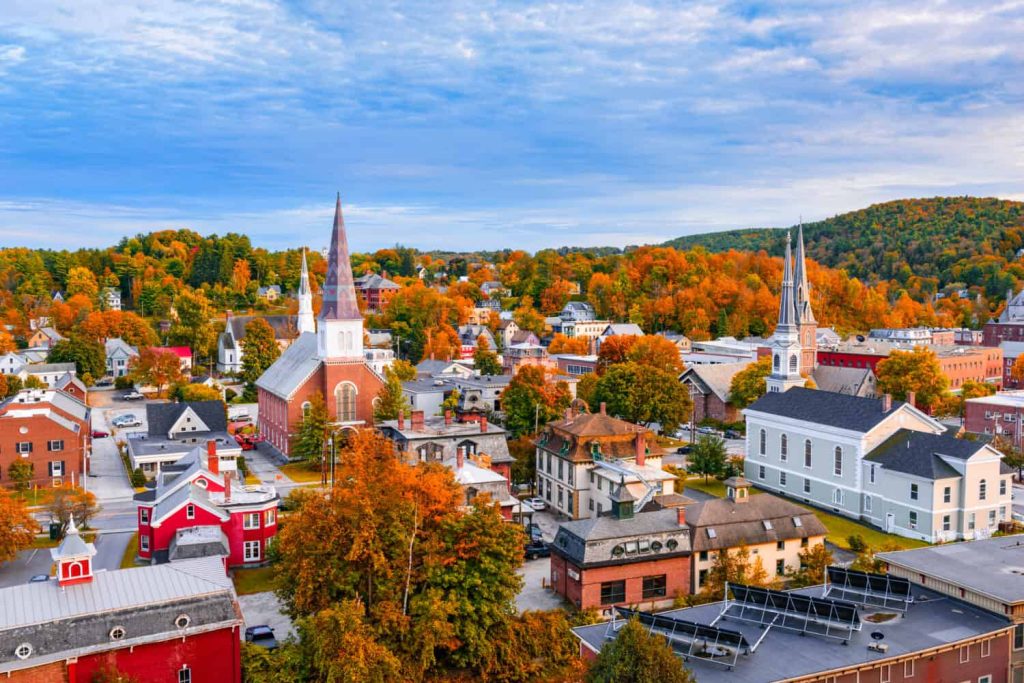
16. Vermont – High Costs and Harsh Winters
Vermont offers scenic beauty and a quiet lifestyle, but it can be a challenging place for retirees from a financial and practical standpoint. One of the biggest hurdles is the state’s income tax structure, which ranges from 3.35% up to 8.75%. While lower-income retirees may benefit from some exemptions, higher earners can face a significant tax burden.
The cost of living is another major factor. Housing, utilities, and everyday expenses tend to be higher than the national average, which can strain fixed retirement budgets. Healthcare is available and generally of good quality, but it often comes at a premium, adding another layer of expense.
Weather also plays a role in the overall retirement experience. Vermont’s long, harsh winters can be difficult, particularly for older residents who may have mobility concerns or prefer a milder climate. Snow, ice, and cold temperatures can limit outdoor activity and make travel more challenging. While Vermont appeals to those seeking a peaceful and picturesque setting, it may not be the best choice for retirees looking to minimize costs and maximize convenience.
15. Connecticut – High Costs Across the Board
Connecticut can be an appealing place to retire at first glance, thanks to its proximity to major cities, coastal towns, and access to quality amenities. However, for retirees, the financial reality can be difficult to manage over time. The state consistently ranks among the more expensive places to live in the country, with high housing costs, utilities, and everyday expenses putting pressure on fixed incomes.
Income taxes are another consideration. With rates ranging from 2% to 6.99%, retirees drawing from pensions or retirement accounts may see a meaningful portion of their income reduced. While some exemptions exist, they often do not fully offset the broader cost structure of the state.
Healthcare, while widely available and generally high quality, is also among the most expensive in the nation. Premiums, out-of-pocket costs, and long-term care expenses can quickly add up. For retirees who need frequent medical attention, this can become one of the largest ongoing costs. Altogether, Connecticut can offer a comfortable lifestyle, but maintaining that lifestyle requires a higher level of financial security than many retirees anticipate.
14. Kansas – Limited Access and Lifestyle Trade-Offs
Kansas stands out as one of the few states on this list that does not tax most forms of retirement income, which can be a significant advantage for retirees looking to stretch their savings. Lower housing costs and a generally affordable cost of living also make it financially accessible compared to many coastal states. On paper, this can make Kansas seem like a practical retirement destination.
However, the trade-offs tend to show up in other areas, particularly healthcare access and overall quality of life. While basic medical services are available, many parts of the state lack access to specialized care, and rural areas in particular can require long travel times for treatment. For retirees with ongoing medical needs, this can be a major drawback.
Lifestyle is another consideration. Outside of larger cities like Kansas City or Wichita, cultural and recreational opportunities can be limited. Retirees looking for a more active or diverse social environment may find fewer options. While Kansas can work well for those prioritizing affordability, it may feel restrictive for those seeking a more dynamic retirement experience.
13. West Virginia – Affordable but Limited Healthcare
West Virginia is often highlighted for its affordability, offering one of the lowest costs of living in the country. Housing is relatively inexpensive, and day-to-day expenses are manageable, which can make it attractive for retirees looking to maximize their budget. However, these savings are often offset by challenges in other key areas.
Healthcare access is one of the most significant concerns. The state ranks near the bottom nationally for elderly healthcare availability, with limited facilities and a shortage of specialists. For retirees who require regular medical care, this can mean longer travel distances and fewer options for treatment.
Economic conditions also play a role. With fewer job opportunities and slower economic growth, infrastructure and services can lag behind national standards. This can affect everything from transportation to community resources. While West Virginia offers financial advantages, retirees need to weigh those against potential limitations in healthcare and long-term quality of life.

12. Oregon – High Taxes and Rising Costs
Oregon has become an increasingly popular destination in recent years, but for retirees, the financial picture can be challenging. One of the biggest factors is the state’s high income tax rate, which ranges from 4.75% to 9.9%. For retirees drawing income from investments or retirement accounts, this can significantly impact overall financial planning.
The cost of living is another major consideration. Housing prices, particularly in cities like Portland, have risen sharply, and everyday expenses continue to trend upward. Healthcare is available and generally of good quality, but costs have also been increasing, adding another layer of financial pressure.
Oregon also imposes an estate tax on estates over $1 million, which can affect long-term wealth planning for retirees looking to pass assets on to family members. While the state offers natural beauty and a strong lifestyle appeal, the combination of taxes and rising costs makes it less attractive for those focused on preserving retirement savings.
11. Texas – Growth and Risk Factors
Texas is often seen as a retirement-friendly state due to its lack of a state income tax, which can provide meaningful savings for retirees. The state also offers a relatively low cost of living in many areas, along with a wide range of housing options. These factors have contributed to its popularity among retirees relocating from higher-cost states.
However, Texas comes with its own set of challenges. One of the most significant is the increasing frequency and severity of natural disasters, including hurricanes, flooding, and extreme weather events. These risks can lead to higher insurance costs and unexpected expenses over time.
Healthcare access is another mixed factor. While major cities like Houston and Dallas offer excellent medical facilities, rural areas may have limited options. Additionally, property crime rates are elevated in certain regions, which can impact overall peace of mind. Texas can still be a strong option for retirees focused on tax savings, but it requires careful consideration of location and risk factors.
10. Rhode Island – High Costs in a Small Space
Rhode Island may offer coastal charm and easy access to major cities, but it comes with a higher cost structure that can be difficult for retirees to manage. Housing prices have climbed steadily, with average home values nearing $500,000, making it one of the pricier small states to settle in. Combined with general living expenses, this can quickly put pressure on fixed retirement income.
Taxes are another key factor. While recent changes allow partial exemptions on certain retirement income like pensions and 401(k) withdrawals, other sources such as IRAs remain fully taxable. This mixed tax approach can make financial planning more complicated for retirees trying to optimize their income streams.
The state’s small size also brings challenges. As one of the most densely populated states in the country, space can feel limited, and infrastructure can become strained. While Rhode Island offers convenience and access, retirees may find the cost-to-value balance less favorable compared to other options.
9. Arkansas – Low Costs with Trade-Offs
Arkansas is often appealing due to its relatively low cost of living, which can stretch retirement savings further than in many other states. Housing is affordable, and everyday expenses are manageable, making it an attractive option for budget-conscious retirees. However, the financial advantages come with several important trade-offs.
Crime rates, particularly both violent and property crime, are higher than the national average in many areas. This can impact overall comfort and security, especially for retirees looking for a quieter, more stable environment. Healthcare access is another concern, particularly in rural regions where facilities and specialists are limited.
Taxes on retirement income also play a role. While some exemptions exist, distributions from pensions, 401(k)s, and IRAs can still be taxed above certain thresholds. Combined with limited economic opportunities and slower development in some regions, Arkansas may require careful consideration despite its affordability.

Baltimore Maryland MD Inner Harbor Skyline.
8. Maryland – Expensive with Complex Taxes
Maryland offers strong infrastructure and proximity to major metropolitan areas, but it comes at a high cost. Property taxes are among the more burdensome in the region, and the overall cost of living ranks as one of the highest in the country. For retirees on fixed incomes, these expenses can quickly reduce financial flexibility.
The state also has a complex tax structure when it comes to retirement income. While some income may be partially exempt, Maryland still imposes both estate and inheritance taxes, which can significantly impact long-term financial planning. This combination makes it less attractive for those focused on preserving wealth across generations.
Healthcare access is generally good, particularly near urban centers, but it often comes with higher costs. While Maryland may offer convenience and amenities, the overall financial burden can make it a challenging place to maintain a comfortable retirement without substantial savings.
7. New Jersey – Heavy Tax Burden
New Jersey consistently ranks as one of the most expensive states to live in, and retirees often feel that pressure more than most. The state has the highest property tax rates in the country, averaging around 2.23%, which can create a significant ongoing expense for homeowners.
Income taxes are also steep, reaching up to 10.75% for higher earners. While some retirement income may be partially exempt, the overall tax burden remains high compared to many other states. Combined with a high cost of living, this can make it difficult for retirees to maintain their desired lifestyle without drawing down savings more quickly.
Despite offering strong infrastructure and proximity to major cities, New Jersey’s financial demands can outweigh its benefits. For retirees prioritizing long-term affordability, it often ranks among the more difficult states to justify.

6. Washington – High Costs Without Income Tax Relief
Washington State is often seen as tax-friendly because it does not have a traditional state income tax, but the overall financial picture is more complex. The cost of living is high, particularly in areas like Seattle, where housing and everyday expenses have risen sharply over the past decade.
Additionally, the state has introduced a 7% capital gains tax on profits over $270,000, which can affect retirees who rely on investment income. This adds another layer of financial planning for those managing larger portfolios.
Healthcare access is generally strong, but it comes at a cost, and insurance premiums can be high. Natural disaster risks, including wildfires and flooding, also contribute to rising insurance expenses. While Washington offers lifestyle appeal and tax advantages in some areas, the overall cost structure can make it less appealing for retirees focused on preserving wealth.
5. New York – Extremely High Cost of Retirement
New York is one of the most expensive states in the country, and that reality extends into retirement. Income tax rates range from 4% to 10.9%, and property taxes average around 1.54%, creating a substantial ongoing financial burden. For many retirees, maintaining a comfortable lifestyle in New York requires significantly higher savings than in other states.
The cost of living, particularly in and around New York City, is among the highest in the nation. Housing, healthcare, and everyday expenses can quickly add up, making it difficult for retirees to stretch their income. Many estimates suggest that retirees may need well over $1 million in savings to comfortably retire in the state.
While New York offers unmatched cultural and lifestyle opportunities, the financial demands often outweigh the benefits for retirees. For those without substantial assets, it can be one of the most challenging places to retire.

4. Oklahoma – Health and Weather Risks
Oklahoma presents a mix of affordability and risk that can make it a difficult choice for retirees. While housing and living costs are relatively low, the state faces challenges in healthcare outcomes, particularly for seniors. Mortality rates for certain conditions are higher than the national average, raising concerns about long-term care quality.
The state is also prone to severe weather, including tornadoes, wildfires, and ice storms. These risks can lead to higher insurance costs and potential disruptions, which may be especially challenging for retirees.
Crime rates in certain areas add another layer of concern, and while some retirement income is taxed, the financial benefits may not fully offset the broader risks. Oklahoma can work for some retirees, but it requires careful consideration of both health and environmental factors.
3. Mississippi – Weak Healthcare System
Mississippi consistently ranks near the bottom nationally for healthcare, particularly for elderly residents. Limited access to facilities, fewer specialists, and overall lower quality of care make it a challenging environment for retirees who may require ongoing medical attention.
The state also faces significant economic challenges, including higher poverty rates, which can affect infrastructure and community resources. While the cost of living is low, these broader issues can impact overall quality of life.
Mississippi is also vulnerable to severe weather, including hurricanes and tornadoes, adding another layer of risk. While it may be affordable, the lack of reliable healthcare and economic stability makes it a difficult choice for many retirees.
2. Louisiana – High Risk and Rising Costs
Louisiana frequently ranks among the worst states for crime, with both violent and property crime rates remaining high. This alone can be a major concern for retirees seeking a safe and stable environment.
The state is also highly vulnerable to natural disasters, particularly hurricanes and flooding. Over time, these events have caused massive damage, totaling hundreds of billions of dollars. As a result, home insurance costs have risen sharply, with premiums expected to reach nearly $3,000 annually in 2025.
Healthcare access and infrastructure challenges further complicate the picture. While Louisiana has cultural appeal and a lower cost of living in some areas, the combination of risk factors and rising costs makes it a difficult place to retire comfortably.
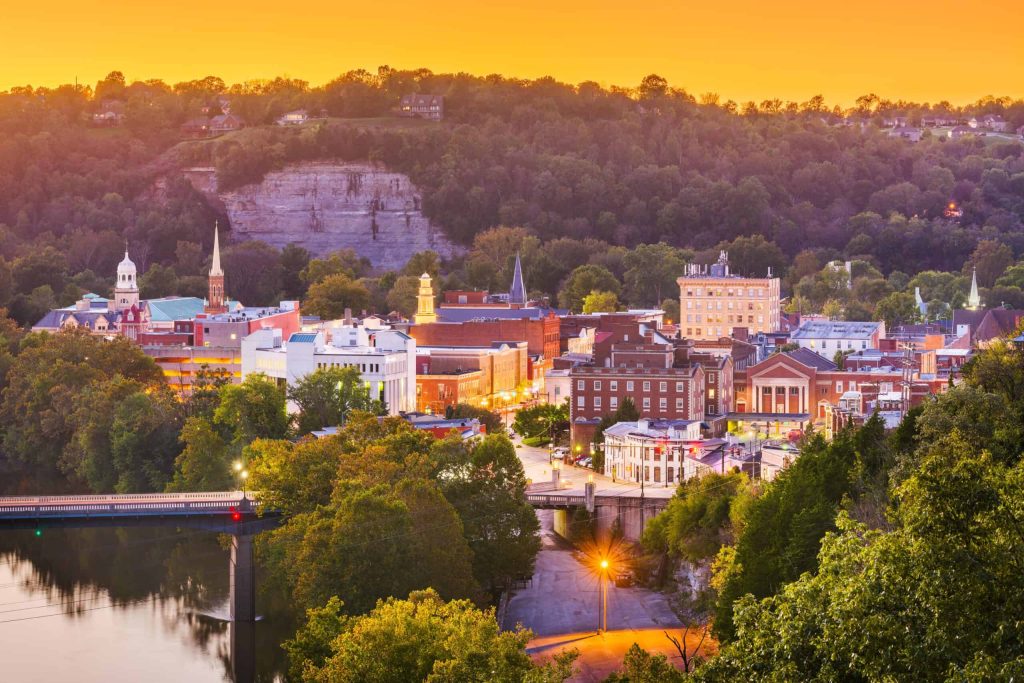
1. Kentucky – Ongoing Challenges Across the Board
Kentucky is often ranked as one of the most challenging states for retirees due to a combination of healthcare, economic, and environmental factors. Healthcare quality ranks near the bottom nationally, with limited access in some areas and lower overall outcomes for seniors.
The state also faces economic challenges, including higher poverty rates, which can affect infrastructure and access to services. For retirees, this can translate into fewer resources and less support compared to higher-ranked states.
Natural disasters, including flooding and severe storms, are also a concern, contributing to rising insurance costs. While Kentucky offers affordability in some areas, the overall combination of risks and limitations makes it one of the most difficult states for retirees to navigate successfully.