






































10 States Retirees Should Avoid in 2026
Millions of Americans are reaching retirement age with a major question in front of them: where should they spend the next chapter of their lives? For many retirees, the answer is no longer as simple as choosing a warm climate or a favorite vacation spot. Taxes, housing costs, health care access, insurance rates, crime, and overall affordability can all have a major impact on how far a retirement budget actually goes.
That is why choosing the wrong state can become an expensive mistake. A place that seems appealing during a short visit may look very different once you are dealing with property taxes, medical care, transportation, utility bills, and everyday living costs year-round. Over the past several years, those pressures have changed quickly in many parts of the country, making some once-popular retirement destinations less attractive than they used to be.
This slideshow looks at 10 states that may be difficult places to retire in 2026. Some still have desirable towns, strong communities, or scenic areas that work well for certain retirees. But when judged at the state level, they stand out for issues such as high costs, weak affordability, limited health care access, safety concerns, or signs that older residents are choosing to leave. For retirees trying to protect their savings and quality of life, these are the states worth looking at carefully before making a move.
#10 New Mexico
This is a state that tempts retirees with its stunning desert landscapes and affordable housing, only to disappoint on the metrics that matter most as you age. It has the highest property crime rate in the entire country. The state scored 30th in affordability, 44th in quality of life, and 36th in healthcare. Rural areas struggle with limited access to medical specialists, and the distance between cities creates real logistical challenges for older adults who need regular appointments. The sunny weather is appealing on paper, but it can't compensate for a state where safety and healthcare access remain serious concerns for retirees on fixed incomes.
New Mexico Pros and Cons
- Affordable housing and a lower cost of living than most Western states
- Beautiful landscapes, rich cultural history, and year-round sunshine
- Strong arts community in Santa Fe and Taos
The cons:
- Highest property crime rate in the nation
- Ranks 44th in quality of life and 36th in healthcare
- Rural isolation makes accessing medical specialists and services difficult
#9 Arkansas
This state is a consistent bottom-dweller across multiple analyses. The state's low cost of living might initially catch your eye, but dig deeper, and the picture grows much less attractive. Limited medical access and public safety concerns drag the state down considerably. Arkansas struggles with higher rates of chronic illness, limited preventive care options in rural areas, and a healthcare infrastructure that simply can't match what retirees need as they age. Interestingly, Arkansas is a top inbound state for general movers, but retiree-specific data tells a different story since affordability alone isn't enough when healthcare and safety fall short.
Arkansas Pros and Cons
- Low cost of living with affordable housing throughout the state
- Natural beauty with the Ozark Mountains and outdoor recreation
- Relatively favorable weather compared to northern states
The cons:
- Ranks 44th overall for 2026 and 47th in Bankrate's separate analysis
- Limited medical in rural communities
- Public safety concerns drag down overall retirement quality
#8 New York
New York is one of the least affordable states for retirees in America. Retirees need roughly $1.3 million saved to retire comfortably in New York City, with annual living costs averaging $77,773. The state's retiree exodus is staggering. Census data shows a net loss of 39,123 retirees (age 60+) in a single year, with 65,215 retirees leaving while only 26,092 moved in. It's not hard to see why. Sky-high property taxes, crushing state and local income taxes, and a cost of living that devours fixed incomes make New York one of the worst financial decisions a retiree can make.
New York Pros and Cons
- Unmatched cultural attractions with world-class museums, theater, and dining
- Excellent public transportation
- Strong healthcare systems in New York City
The cons:
- The least affordable state for retirees
- Net loss of 39,123 retirees in a single year, one of the worst outflows nationally
- Crushing property taxes and state income taxes that devastate fixed incomes
#7 Hawaii
Hawaii proves that paradise comes with a punishing price tag. The state is the second least affordable, with average home prices around $1.61 million and rents running $2,200 to $3,300 monthly for a modest apartment. Groceries cost dramatically more because nearly everything is shipped to the islands, and Hawaii's state income tax reaches 11%, among the nation's highest. Healthcare is both expensive and limited, with some seniors forced to fly to the mainland for specialized care. IRS migration data shows Hawaii is losing residents across every age bracket at alarming rates, with young Americans and retirees alike fleeing the unsustainable costs. The tropical weather is beautiful, but you can't eat scenery, and most retirement budgets simply can't survive here.
Hawaii Pros and Cons
- Year-round tropical climate with stunning natural beauty
- Unique island culture and strong sense of community
- No need for heating costs and minimal wardrobe expenses
The cons:
- Second least affordable state with homes averaging $1.61 million
- State income tax up to 11% with groceries far above national average
- Limited healthcare requiring mainland travel for specialized treatment
#6 West Virginia
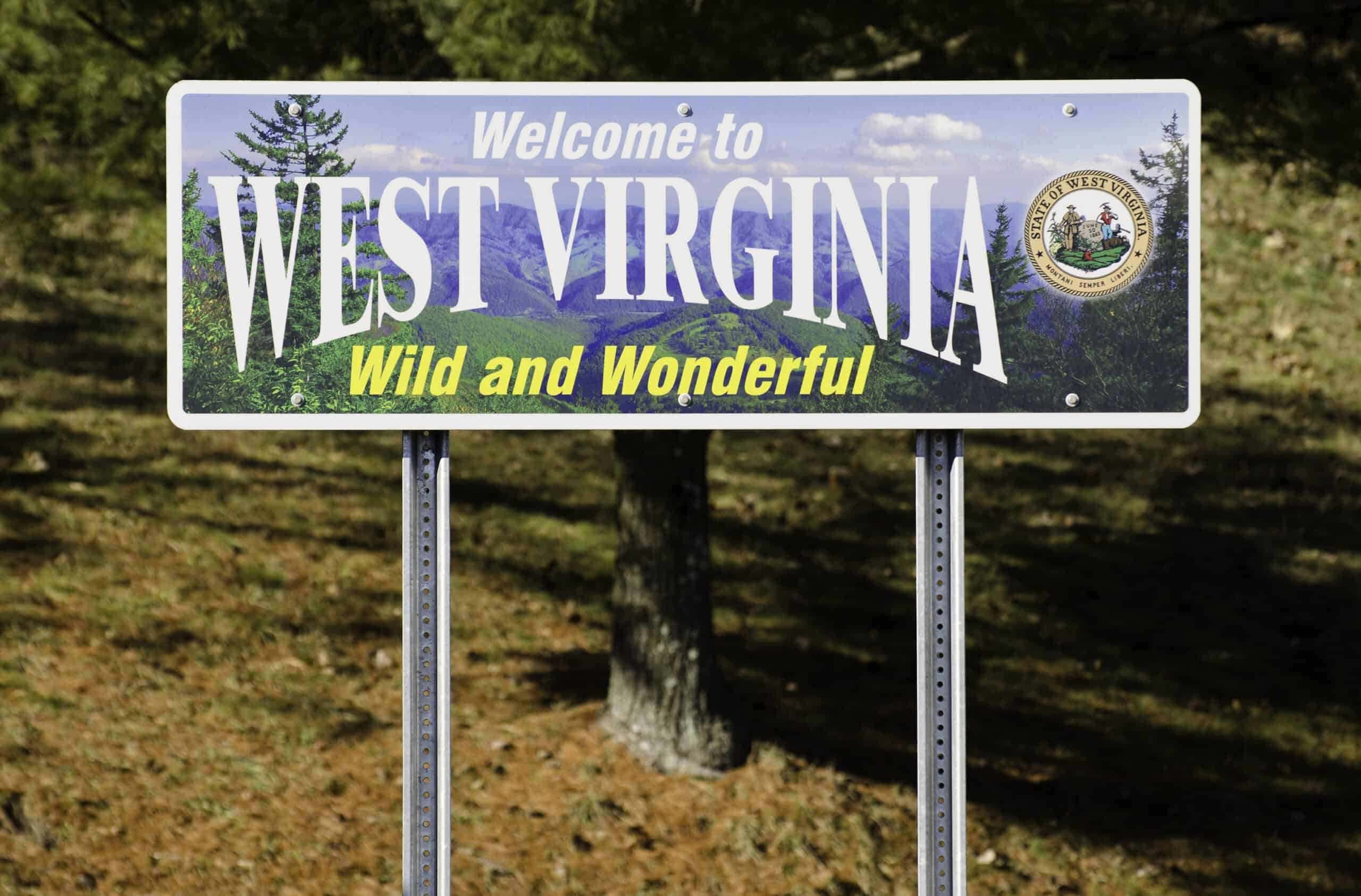
West Virginia ranks near the bottom for retirement in 2026, which might surprise readers given its reputation as America's most affordable state. The problem is that cheap living doesn't mean good living. The state ranks near the bottom nationally for elderly healthcare, including outcomes, cost, and ease of access to healthcare facilities. West Virginia taxes withdrawals from 401(k) and IRA accounts and pensions, eating into retirement income that's already among the lowest in the nation. The distances between cities create real barriers to visiting friends and family or accessing specialty medical care. Life expectancy in the state ranks among the worst nationally. It's only worth retiring in if affordability is all you care about.
West Virginia Pros and Cons
- Lowest cost of living in the nation, with very affordable housing
- Beautiful mountain scenery and outdoor recreation opportunities
- United Van Lines ranks it second highest for inbound moves in 2025
The cons:
- Ranks 47th for retirement, with near-bottom scores in elderly healthcare
- Taxes on 401(k), IRA, and pension withdrawals, unlike many competitor states
- Among the lowest life expectancy rates in America
#5 Mississippi
Mississippi is dragged down by the second-worst rankings in both healthcare and quality of life. The state's affordability (ranked 9th) simply cannot offset how poorly it performs everywhere else. Mississippi has one of the highest senior poverty rates in the country at 12.4%, with an average household income below $41,000. Healthcare outcomes are dismal, and access to quality medical facilities remains severely limited in rural areas. The state struggles with obesity, diabetes, and heart disease at rates far exceeding national averages.
Mississippi Pros and Cons
- Very affordable
- Warm climate with mild winters for year-round outdoor activity
- Southern hospitality and strong community ties
The cons:
- Second-worst in both healthcare and quality of life rankings nationally
- The senior poverty rate of 12.4% with an average household income of below $41,000
- 67% of Medicare beneficiaries have three or more chronic conditions
#4 Oklahoma
Oklahoma scores poorly in every category, and it has rising costs and limited health infrastructure. This makes the state increasingly impractical for long-term retirement despite the affordability. Plus, it sits squarely in Tornado Alley with some of the most destructive storms in American history.
Oklahoma Pros and Cons
- Some affordable housing options in smaller communities
- No state income tax on Social Security benefits
- Strong sense of community in smaller towns
The cons:
- Ranks 49th overall with poor scores across every category
- 41st in physicians per capita and VA hospital quality
- Severe natural disaster risks
#3 California
California ranks as the third-worst state for retirees, not by any single ranking, but by the sheer scale of its retiree exodus. There's a staggering net loss of retirees, the worst retiree outflow of any state in America by a wide margin. California's income tax is up to 13.3%, with median home prices exceeding $800,000 in most desirable areas, and a cost of living that makes retirement savings evaporate. Instead of dumping almost a million into a home, retirees are finding out they can buy both a home and a comfortable retirement elsewhere with the same amount.
California Pros and Cons
- Exceptional weather, natural beauty, and cultural diversity
- World-class healthcare systems in major metro areas
- Endless entertainment, dining, and lifestyle options
The cons:
- Mass exodus of retirees
- State income tax is too high
- Too expensive
#2 New Jersey
New Jersey has some of the highest living costs in the country and one of the steepest personal income tax rates at 10.75%. It is the #1 outbound state for the eighth consecutive year. Despite offering the highest average Social Security income in the nation at $29,562, the state struggles with poor health indicators, as 68% of Medicare beneficiaries have three or more chronic conditions. Property taxes are among the nation's highest. The financial math simply doesn't work for most retirees. Every dollar you earn in Social Security gets clawed back by taxes, insurance, and the cost of living that refuses to relent.
New Jersey Pros and Cons
- Highest average Social Security income in the nation at $29,562
- Proximity to New York City and Philadelphia for cultural amenities
- Strong healthcare infrastructure in many communities
The cons:
- Dead last in CareScout's rankings for the second consecutive year
- #1 outbound state for eight consecutive years per United Van Lines
- Top personal income tax rate of 10.75% with crushing property taxes
#1 Kentucky
Kentucky does poorly across every single category. It has very few nurses per capita and a poor quality of public hospitals. Life expectancy sits at 47th, with higher rates of obesity, heart disease, and diabetes that drive up costs and diminish quality of life as residents age. You get weak financial rankings, limited long-term health outcomes, and a healthcare infrastructure that simply cannot meet retirees' growing needs.
Kentucky Pros and Cons
- Relatively affordable in-home care services (ranked 16th nationally)
- Beautiful horse country landscapes
- Lower housing costs than the national average in most areas
The cons:
- Ranked dead last (50th) for retirement for two consecutive years
- Last in nurses per capita and quality of public hospitals
- 47th in life expectancy, with high rates of chronic illness