










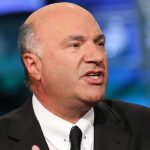









Kevin O’Leary Says Social Security Won’t Be Enough, Here’s His Plan B for Retirement
If you’re counting on Social Security to fund your retirement, you may want to rethink your plan. With average monthly benefits hovering around $1,900 and new projections suggesting the system’s trust fund could run out sooner than expected, the gap between what you’ll need and what you’ll get may be bigger than you think.
Investor Kevin O’Leary has a clear message: don’t depend on the government to carry you through retirement. From maximizing retirement contributions to cutting unnecessary expenses and preparing for rising healthcare costs, here’s what he says you should be doing right now to build a stronger financial future.
Social Security Isn’t Meant to Be Enough
Many Americans assume Social Security will cover most of their retirement needs, but that was never the intent. Even high-profile investors like Kevin O’Leary warn against relying on it as a primary income source. The average monthly benefit is around $1,900, which may not be enough to sustain your lifestyle. Rising costs make that gap even more noticeable. That’s why having a backup plan is no longer optional.
Why the Timeline Is Shrinking
Recent projections suggest Social Security’s trust fund could run out sooner than expected. The Congressional Budget Office now estimates depletion could happen as early as 2032. That is a full year earlier than prior estimates. Inflation and lower tax revenue are major contributing factors. This creates more urgency for individuals to prepare independently.
Inflation Is Making Things Worse
Higher inflation doesn’t just affect everyday expenses. It also puts pressure on Social Security’s long-term sustainability. Cost-of-living adjustments help, but they also strain the system further. As inflation rises, benefits may not keep pace with real expenses. This makes relying solely on Social Security even riskier.
Build Your Own Retirement Plan
Kevin O’Leary emphasizes personal responsibility when it comes to retirement. Instead of depending on government programs, focus on building your own wealth. This includes consistent contributions to retirement accounts. Over time, disciplined investing can create a much stronger financial foundation. The earlier you start, the more powerful compounding becomes.
Max Out Tax-Advantaged Accounts
Retirement accounts like 401(k)s and IRAs offer major tax advantages. If your employer provides a match, contributing enough to get the full match is critical. Health Savings Accounts can also be a powerful long-term tool. These accounts help reduce taxes while building future savings. Taking full advantage of them can significantly boost your retirement readiness.
Cut Expenses Before It’s Too Late
If your savings are behind, reducing spending becomes essential. O’Leary recommends cutting unnecessary expenses aggressively. This might mean giving up luxuries or reevaluating lifestyle choices. The goal is to free up more money for investing. Learning to live on less now can make retirement easier later.
Small Habits Add Up Over Time
Even small daily expenses can have a big long-term impact. Financial experts often point to habits like daily coffee spending. While it may seem minor, these costs can add up significantly over decades. Redirecting that money into investments can lead to substantial growth. Consistency is key when building wealth.
Healthcare Costs Can Be Massive
Healthcare is one of the biggest overlooked expenses in retirement. Estimates suggest retirees may need over $170,000 for medical costs alone. This does not include everyday living expenses. Without proper planning, healthcare can quickly drain savings. Building a cushion for these costs is critical.
Why a Plan B Is Essential
Relying solely on Social Security is no longer realistic for most people. Rising costs, system uncertainty, and longer lifespans all add pressure. A second plan creates flexibility and security. Whether through investments, savings, or additional income streams, having options matters. Financial independence requires proactive planning.
Take Control of Your Financial Future
The good news is you still have control over your financial future. Every decision you make today can improve your long-term outlook. Saving more, spending wisely, and investing consistently all add up. Retirement planning is about preparation, not guesswork. Starting now can make a significant difference later.