
Crude oil and diesel are telling investors two different stories right now. Brent crude was trading around $91 a barrel Tuesday, elevated but well below its July spike, while the U.S. diesel crack spread hit an all-time intraday high of $102.20 a barrel on Monday. The crack spread is simply the difference between the price of diesel and the crude oil used to make it. When that gap widens dramatically, it usually means finished fuel is much harder to replace than the raw crude itself.
That is exactly what is happening. Middle East shipping disruptions, attacks on Russian refineries, reduced refinery output and tight inventories are squeezing the global supply of diesel and other middle distillates. For consumers, this matters because diesel sits deep inside the cost of moving food, building materials and other goods. For investors, it has created unusually strong economics for refiners such as Marathon Petroleum, Valero Energy and Phillips 66. The opportunity is real, but so is the cyclicality.
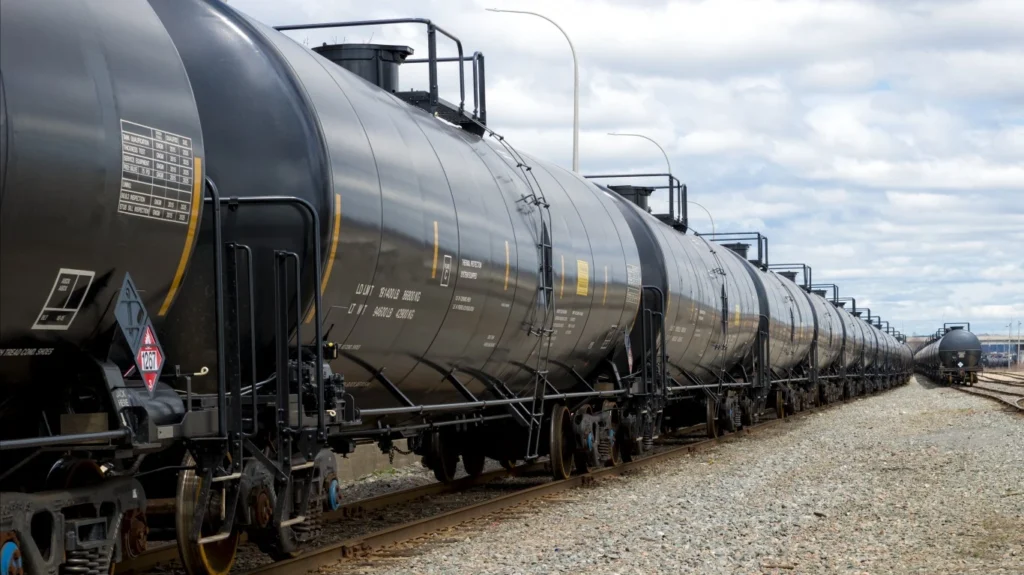
Why Diesel Is the Bigger Story Than Crude
The supply problem is showing up most clearly after crude reaches a refinery. The International Energy Agency reported that global refinery crude throughput averaged 80.9 million barrels per day in July, nearly 5 million barrels per day below the prior year, as Middle East product-export disruptions and attacks on Russian refineries reduced available supply. U.S. distillate inventories, which include diesel and heating oil, stood at just 107.1 million barrels for the week ended August 7, the lowest level for that point of the year since 1996.
The United States is also sending more fuel overseas to fill part of the gap. U.S. distillate exports reached 1.9 million barrels per day in the first week of August, according to EIA data cited by The Wall Street Journal, putting additional pressure on already thin domestic inventories.
None of this means the price motorists see at a diesel pump has hit a record. EIA’s latest published national average was $5.257 per gallon for the week of August 10. The record being set is in the crack spread, a benchmark for the economics of turning crude into diesel. That distinction matters because a $100 crack spread can be extremely favorable for refiners even when crude itself is not setting records.
Three Refiners Are Already Seeing the Benefit
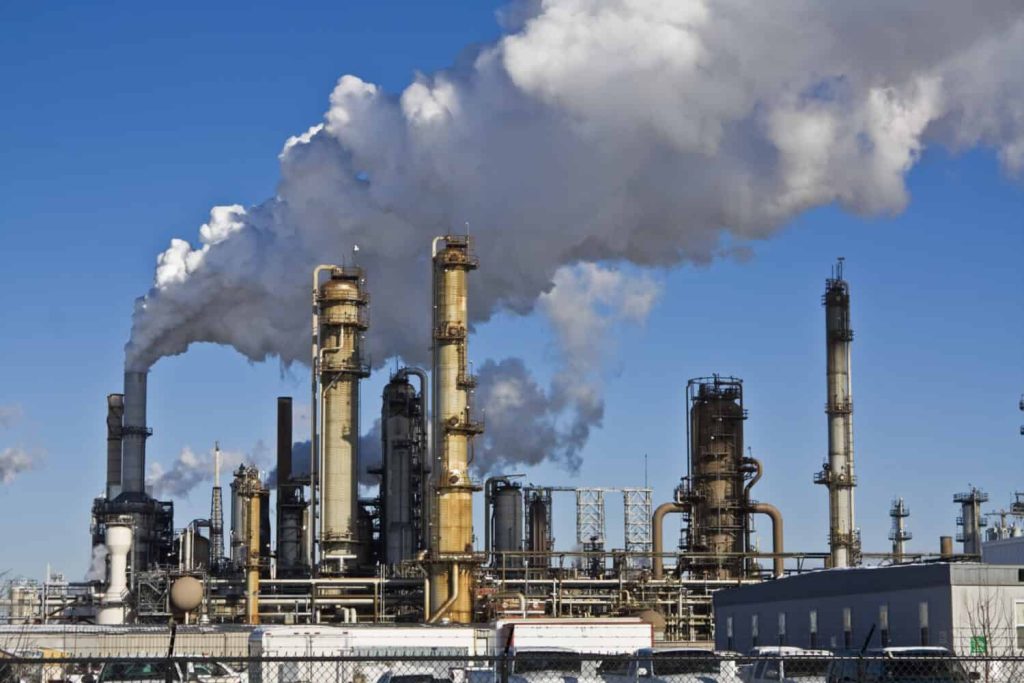
The second-quarter numbers show why investors are paying attention. Marathon Petroleum reported $5.1 billion of net income, compared with $1.2 billion a year earlier. Its Refining and Marketing margin rose to $36.33 per barrel from $17.58, and the company said higher crack spreads across its regions were the primary driver. Marathon returned more than $2.8 billion to shareholders during the quarter and ended June with $7.8 billion of cash and cash equivalents, including cash held at MPLX.
Valero Energy reported $3.7 billion of net income attributable to shareholders, up from $714 million in the second quarter of 2025. Its refining margin climbed to $23.62 per barrel from $12.35, while shareholder cash returns totaled $2.6 billion. Valero also ended the quarter with a debt-to-capitalization ratio, net of cash, of 11%.
Phillips 66 reported $3.8 billion of second-quarter earnings and a realized refining margin of $24.08 per barrel, up from $10.11 a year earlier. Refinery utilization reached 96%. Put together, these results show how quickly wider product margins can flow through to refiners when plants are running reliably.
What Income Investors and Retirees Should Keep in Perspective
These companies also return cash through dividends, which makes them naturally interesting to investors looking for income. Marathon has declared a $1.00 quarterly dividend, Valero $1.20, and Phillips 66 $1.27. But strong refining profits should not be confused with a guaranteed stream of steadily rising income. Dividends are declared by each company’s board, and refining earnings can move sharply when fuel demand, crude costs or product margins change.
That distinction matters more for retirees and near-retirees who may be relying on a portfolio to cover regular expenses. A refiner can produce enormous cash flow during a tight fuel market and considerably less when crack spreads normalize. Share buybacks are even more flexible and can be scaled back when market conditions weaken. So the useful question is not simply which company earned the most during this shortage. It is which one has the balance sheet, operating efficiency and capital discipline to remain financially healthy when refining conditions inevitably become less favorable.

The Biggest Risk Is That Today’s Windfall Does Not Last
Record crack spreads contain the seeds of their own reversal. High margins give refiners a powerful incentive to run harder, shift production toward diesel where possible and increase exports. Supply could also improve if disrupted Middle East shipping routes reopen or damaged refinery capacity returns. The IEA said tighter distillate markets pushed Atlantic Basin refining margins to record highs, but it also expects global refinery throughput to recover next year.
Investors also need to understand what the Strategic Petroleum Reserve can and cannot do. The United States agreed in March to make 172 million barrels of crude available as part of a 400 million-barrel coordinated IEA emergency action following Middle East supply disruptions. Weekly EIA data show the SPR fell to about 298.7 million barrels by August 7. But the U.S. program is structured largely as an exchange, meaning participating companies are required to return the borrowed crude along with additional barrels later. And because the SPR holds crude rather than diesel, releasing it can add feedstock for refiners but cannot instantly replace missing refinery capacity or finished diesel supply.
That is why the crack spread itself is worth watching. Marathon, Valero and Phillips 66 are benefiting from an extraordinary refining environment today. If diesel margins remain unusually high, that tailwind can continue. If product supply normalizes, investors should expect some of today’s exceptional profitability to normalize with it.