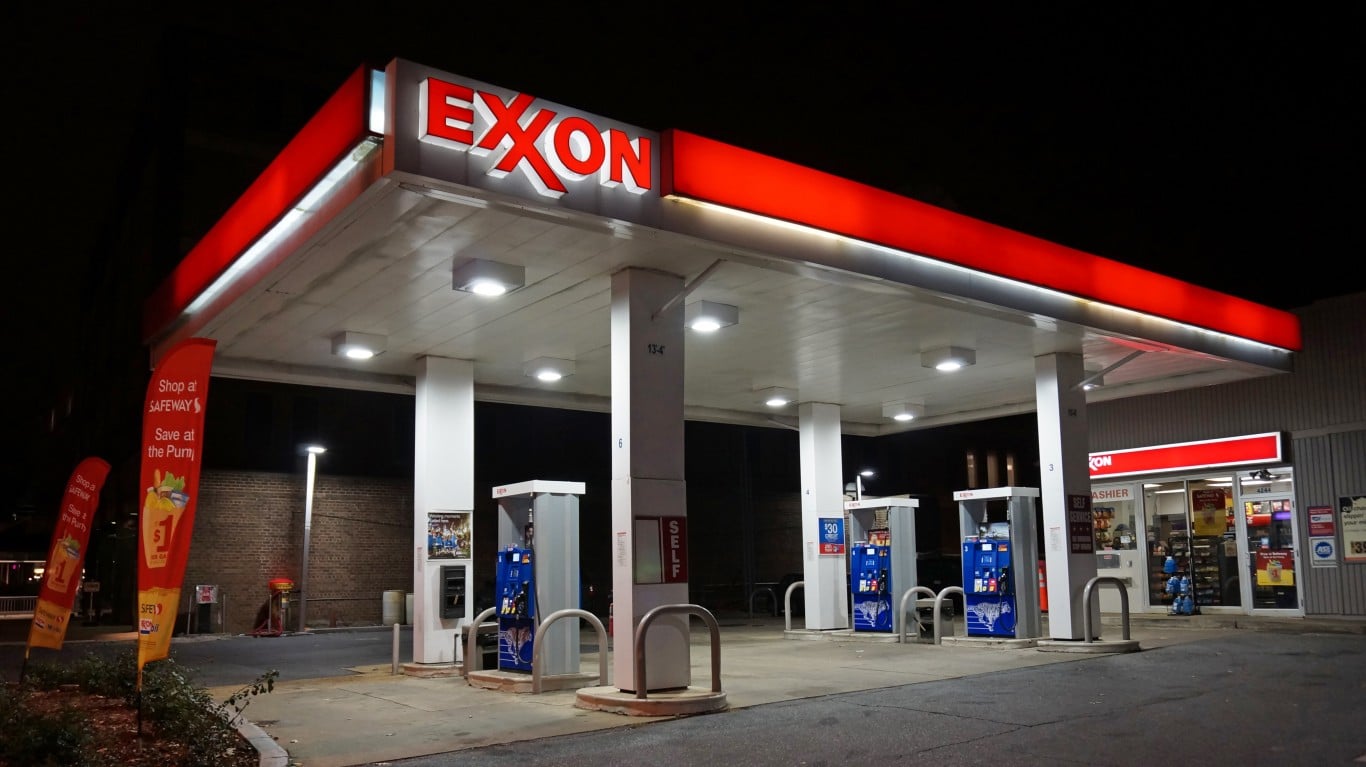
Shares of Chevron (NYSE: CVX | CVX Price Prediction) and Exxon Mobil (NYSE: XOM) rose about 3% in early Monday trading after renewed U.S.-Iran military action put the Strait of Hormuz back at the center of the oil market.
WTI crude was recently $86.36 a barrel, up 3.6%, while Brent reached $91.25. Those prices can move quickly, but the message was clear: traders were adding a supply-risk premium. The Energy Select Sector SPDR ETF (NYSEARCA: XLE) gained about 2.4% as the broader market slipped. That matters to investors because Exxon and Chevron together represented nearly 35% of the fund as of Aug. 28.
Why Hormuz Headlines Move Oil So Quickly
The immediate catalyst was geopolitical, not a new operating announcement from either company. U.S. forces struck launchers on Iran’s Larak Island on Sunday, saying Iranian forces there posed an imminent mining threat. Iran later said it retaliated against U.S. sites in Jordan. Shipping traffic through the strait remained constrained, although the route was not completely closed.
The Strait of Hormuz is difficult for oil markets to ignore. The U.S. Energy Information Administration estimates that 20.9 million barrels of petroleum liquids moved through it each day during the first half of 2025. That equaled about 20% of global consumption and one-quarter of oil traded by sea. More than 20% of global liquefied natural gas trade also passed through the strait. Pipelines can bypass part of that flow, but not all of it. When tanker traffic looks uncertain, oil prices can rise before any confirmed barrels disappear from the market.
One Oil Move, Two Integrated Businesses
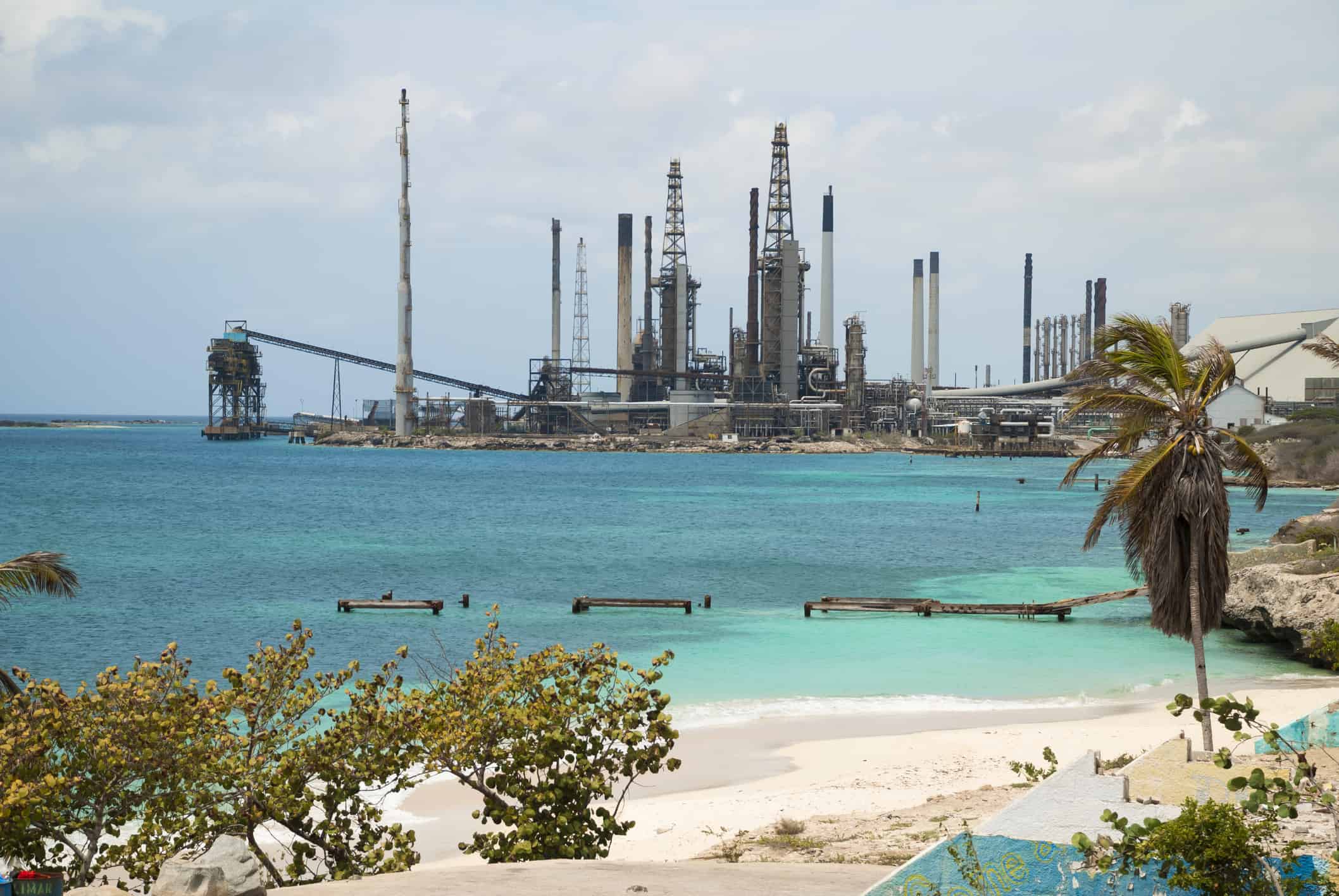
Chevron and Exxon often trade together when crude jumps, but higher oil does not reach every part of their businesses in the same way. Both are integrated producers. Their upstream operations find and produce oil and gas, where higher selling prices can improve earnings. Their refining and chemicals businesses buy or process hydrocarbons, so results depend more on the spread between input costs and the prices received for fuels and other products.
That mixed exposure is why a one-day oil spike should not be translated directly into a long-term earnings estimate. Chevron entered the quarter with record U.S. production and benefits from its Hess integration. Exxon reported record Permian production, while Guyana and the Permian remained important growth drivers. Both also have large refining operations. The market may treat them as simple oil-price trades for a morning, but their cash flow ultimately reflects production volumes, refining margins, costs, taxes and project execution—not just the WTI quote.
This Rally Can Reverse as Fast as It Arrived
Chevron was already up about 36% for 2026 through Friday’s close, while Exxon had gained roughly 33%. That leaves less room for disappointment if the geopolitical premium fades. Oil can fall quickly when shipping improves, diplomacy advances or traders decide that actual supply losses will be smaller than feared. It can rise again just as quickly if tanker traffic deteriorates or energy infrastructure is damaged.
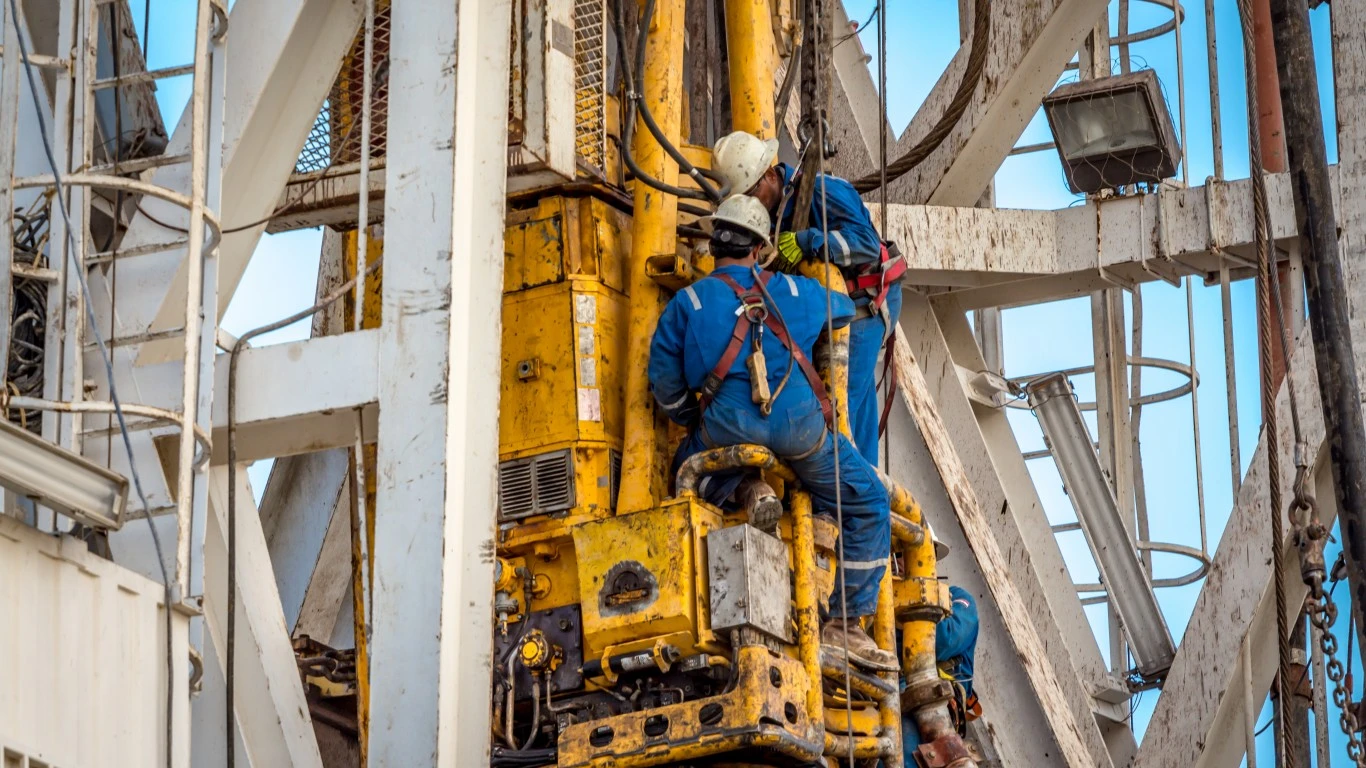
The next useful signals are physical, not rhetorical: the number of vessels making the passage, loading activity at Gulf export terminals, insurance and freight costs, and any production response from OPEC+ members. Investors should also watch refining margins. A crude rally does not automatically benefit refiners if gasoline and diesel prices fail to keep pace with input costs. Today’s move reflects a higher perceived risk of disruption. It does not establish a new long-term oil price or guarantee that Chevron and Exxon will hold their early gains.
What This Means for Retirement and Income Portfolios
For retirees and near-retirees, the practical issue is position size. Chevron and Exxon may be owned directly for dividends, indirectly through XLE, and again through broad-market funds. Because the two companies made up 34.66% of XLE as of Aug. 28, adding that ETF to individual holdings may create more concentration than expected. A dividend can provide income, but it does not prevent the share price or the value of an energy fund from falling.
Chasing a one-day geopolitical rally is especially risky when the same headline can reverse the move. Investors who want energy exposure can decide in advance how much of the portfolio the sector should occupy, then compare that limit with their combined direct and fund holdings. Money needed for near-term living expenses should not depend on oil remaining above $85. My takeaway: the rally makes sense given the threat to a critical shipping route, but the lasting value of Chevron and Exxon still depends on cash flow across a full commodity cycle—not one weekend of military news.