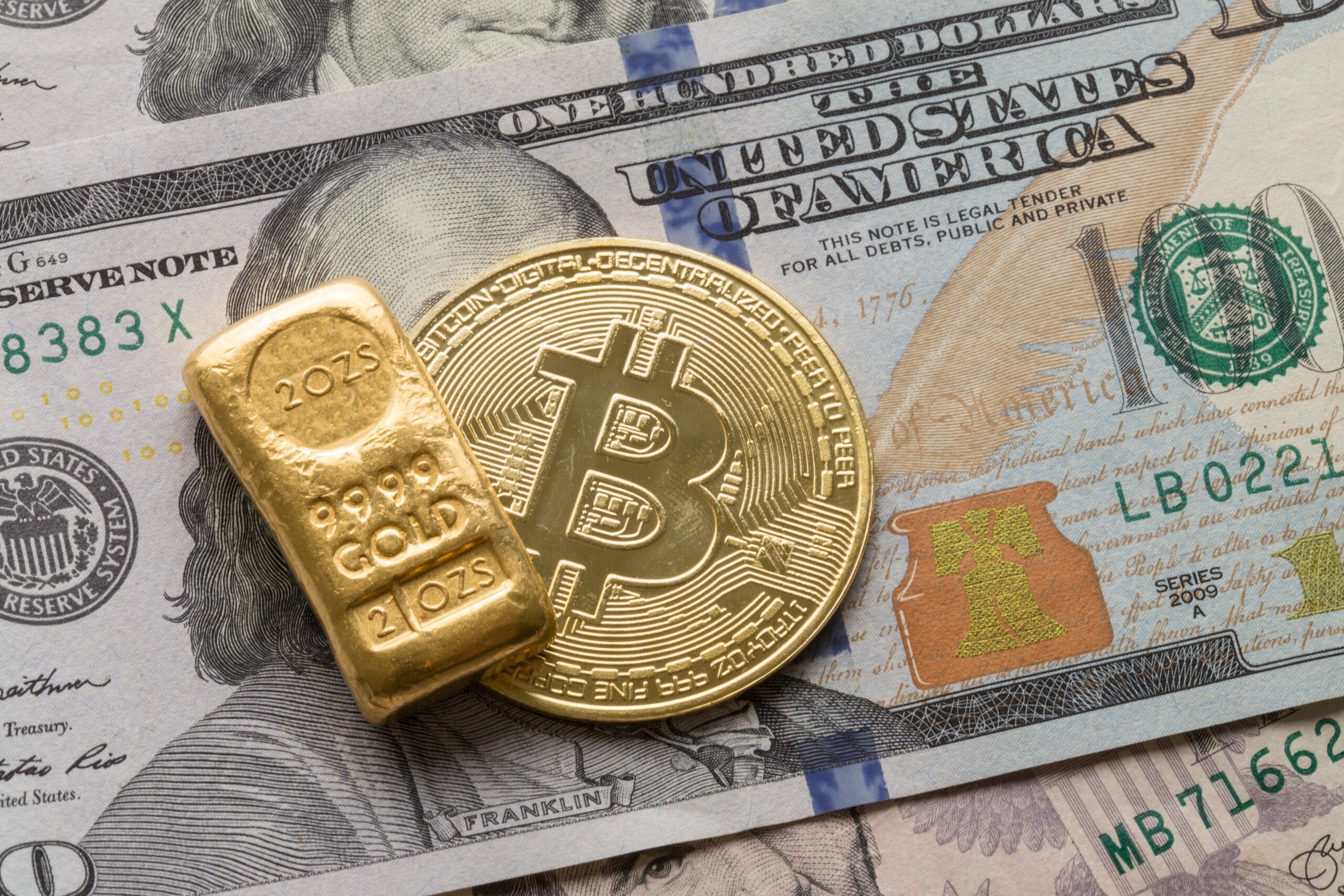
Markets are being pulled in several directions at once: persistent inflation pressure, heavy federal borrowing, volatile long-term interest rates, and investors looking for places to protect purchasing power. That tension intensified after the Treasury Department announced on Aug. 19 that it would at least double the size of its liquidity-support buybacks for longer-dated Treasurys, raising the maximum from $2 billion to at least $4 billion per operation beginning Sept. 9.
Then came another wrinkle. CNBC reported Monday, citing two senior Treasury officials, that the department is considering using cash from the Treasury General Account, or TGA, to help fund those purchases. No amount or timing has been announced, so this is still a possibility rather than a formal policy. But the idea matters because it changes how investors think about the liquidity impact of the buybacks.
Treasury’s Bond Move Gave Gold Another Boost
Gold reacted quickly to the shift in the bond market. Front-month Comex gold ended Aug. 18 at $4,366 an ounce, finished Aug. 21 at $4,624.10, and traded above $4,700 on Monday. Long-term Treasury yields also dropped immediately after the Aug. 19 buyback announcement, although part of that move later reversed.

The connection is straightforward. Gold does not pay interest, so lower bond yields can reduce the opportunity cost of holding it. But Treasury policy is not the only force at work. Inflation concerns, geopolitical risk, the dollar, and central-bank demand can all move gold. For retirees, that distinction matters. Gold can play a diversification role, but it does not replace the income produced by bonds, CDs, or dividend-paying investments, and its price can still fall sharply.
The TGA Could Matter More Than the $4 Billion Headline
The TGA is the federal government’s main operating account at the Federal Reserve. Treasury’s Aug. 5 financing plan assumed a $950 billion cash balance at the end of September and said the account could peak near $1.05 trillion in late October. CNBC’s report said Treasury officials consider that cash potentially available for the expanded buybacks, but they did not commit to using it.
A TGA-funded purchase could temporarily put more cash into the financial system than a buyback financed immediately with new Treasury bills. Even so, this is not the same thing as the Federal Reserve launching quantitative easing, and Treasury itself describes the program as liquidity support for older, less actively traded securities. If Treasury later rebuilds the TGA through new borrowing, some of that liquidity effect could reverse.
Bitcoin’s Rally Is Bigger, but So Is the Risk
Bitcoin’s move has been even larger. The cryptocurrency closed around $64,700 on Aug. 18 and reached an intraday high near $79,455 on Aug. 21, a gain of roughly 23%. It was trading back in the high-$70,000s Monday, so the rally has already shown how quickly prices can move in both directions.

The Treasury announcement was one catalyst, but it was not the whole story. Bitcoin also benefited from renewed inflows into spot Bitcoin products, short covering, and improving sentiment around U.S. crypto regulation. That makes the “scarce asset” narrative appealing, but investors should not confuse limited supply with low risk. The SEC has repeatedly warned that Bitcoin and related products can be highly speculative and volatile. That is especially important for retirees who may not have decades to recover from a deep drawdown.
What This Means for Retirement Portfolios
The bigger signal is not that Treasury has suddenly guaranteed higher prices for gold or Bitcoin. It is that markets remain extremely sensitive to federal borrowing, long-term yields, liquidity, and the value of the dollar. Treasury’s buybacks may improve trading conditions in older bonds, but they do not erase the government’s financing needs or the fact that total public debt has now exceeded $40 trillion.
For investors, the practical takeaway is diversification rather than a rush into one “winner.” Falling yields can lift existing bond prices, while higher yields can improve future income for investors buying new bonds. Gold may provide a hedge against some inflation and currency risks, while Bitcoin offers a very different and much more volatile form of scarcity. Near retirement, position size and liquidity needs matter just as much as the macro story.