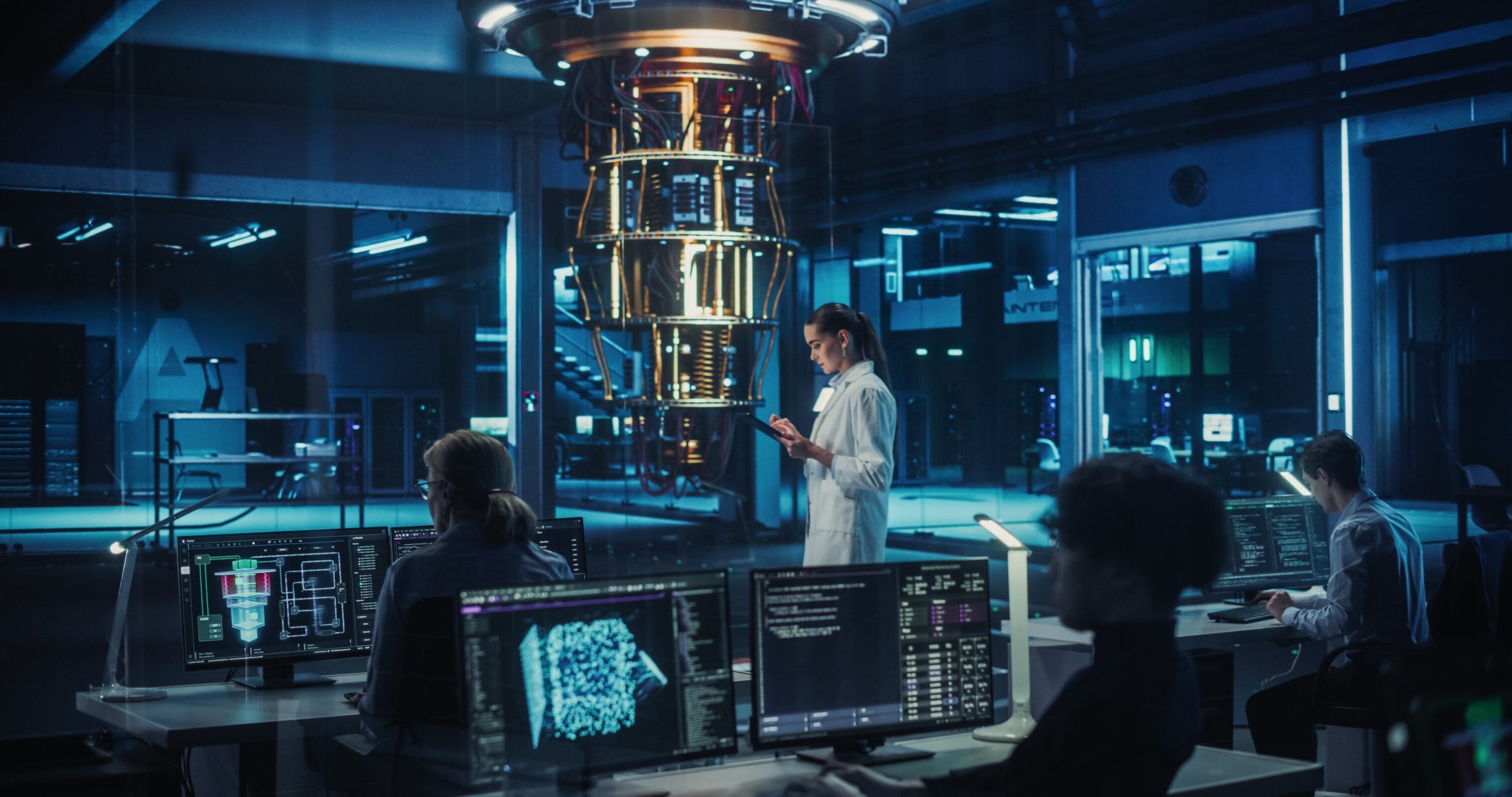
Brad Gerstner, the founder of Altimeter Capital, used his appearance on the September 17, 2026 episode of All-In to push back on one of the more aggressive numbers circulating in AI infrastructure circles. Analyst Dylan Patel has forecast 43 gigawatts of new AI compute capacity coming online in 2026. Gerstner thinks that number will not clear the runway. His own estimate: roughly 25 gigawatts will actually come online, held back by permitting delays, grid interconnection issues, and labor shortages, according to Altimeter Capital.
The episode title, No AI Bubble, Semis Eat the Nasdaq & AI’s Take Off Problem, telegraphs the nuance. Gerstner is arguing that the physical buildout will underdeliver relative to one prominent forecast, while insisting the underlying AI trade is still intact.
Why Gerstner Thinks the Buildout Underdelivers
His constraints are physical. Permitting timelines for large-load sites have stretched. Skilled electrical and mechanical labor is scarce. High-voltage transformers and switchgear are sold out well into future delivery windows. Local opposition to sprawling campuses has hardened in several counties. And the most technical bottleneck, grid interconnection, is doing the heaviest lifting in his argument. All of that buildout has to be powered, cooled, and wired by somebody, which is exactly why we pulled together seven suppliers behind the AI data-center push in a free report you can grab here.
Grid interconnection is the process by which a new large electricity customer, like a hyperscale data center, gets formally connected to the transmission grid and allocated the firm capacity it needs. A site can be fully permitted, poured, and wired internally and still sit dark for months or years while the utility studies the load, upgrades substations, and clears the queue. That queue is now measured in years in several U.S. regions, which is why Gerstner treats the electrons, not the servers, as the binding constraint.
Gerstner’s Capex Versus Offtake Framework
Gerstner spent a segment laying out the equation he uses to judge whether the buildout is economically rational. Hyperscaler capital expenditure, he argued, must be matched by AI “offtake” revenue growing from $200 billion toward $1 trillion. The addressable market can support that, in his view, because 4% of global knowledge work is worth $1.2 trillion. He pointed to Anthropic as evidence that meaningful revenue is achievable without proportionally massive compute additions.
The near-term stress test he applies is what he calls the “takeoff” threshold: monthly AI lab revenues reaching $8 billion. That is his own metric, defined on the show.
Rates Are Now a Live Headwind
Gerstner also flagged interest rates as a hurdle for capital-intensive infrastructure, noting that markets were pricing a rate hike as over 90% likely. That hike has arrived. Federal Reserve Chairman Kevin Warsh announced a unanimous FOMC decision to raise the federal funds target range by a quarter percentage point, taking it to 3¾ to 4 percent. That change lifts the hurdle rate on borrowed capital funding data center construction, an effect Gerstner said compounds the physical bottlenecks.
Regulation as the Wild Card
Gerstner reserved his most pointed warning for policy. He compared the risk of restrictive AI regulation to the activist-driven shutdown of nuclear energy in earlier decades, framing regulatory overreach as capable of stalling a technology cycle regardless of its economics. You can listen to the full segment on the All-In podcast.
What Price Action Says About Sentiment
The market backdrop underneath Gerstner’s comments is mixed. The Invesco QQQ Trust (NASDAQ:QQQ), the most widely tracked proxy for large-cap tech, was up 16.64% year to date as of 11:54 a.m, according to Altimeter Capital. ET on September 17, 2026, while down 1.83% over the past month. That one-month softness complicates any simple momentum narrative, and it lines up with the tension Gerstner is trying to describe: enough demand to justify the buildout, and enough friction to keep the buildout from arriving on schedule.