





























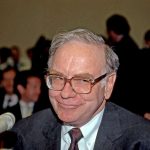



Retired Warren Buffett Shares 9 Life Lessons Every Retiree Should Read
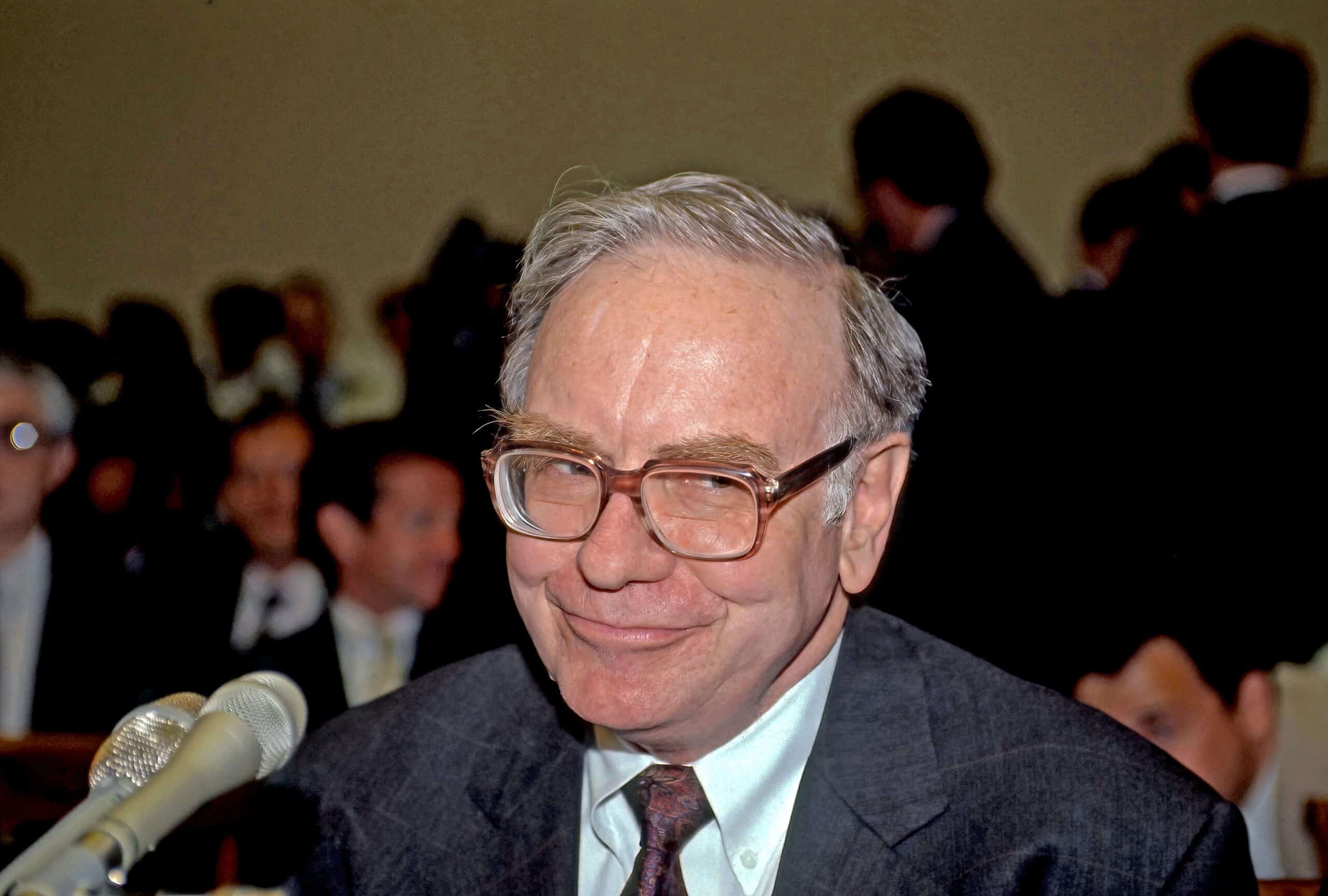
At 95, Warren Buffett is no longer running Berkshire Hathaway day to day, but he remains one of the most respected voices in investing, business, and long-term decision-making. Known as the “Oracle of Omaha,” Buffett built his reputation by buying undervalued companies, staying patient through market cycles, and turning Berkshire Hathaway into one of the world’s most influential conglomerates. Today, Berkshire’s holdings span insurance, freight rail, energy, manufacturing, retail, and major stock investments in companies such as Apple and American Express.
Buffett officially stepped down as Berkshire Hathaway CEO at the start of 2026, with longtime lieutenant Greg Abel taking over as president and chief executive. Buffett, however, remains chairman of the board, keeping him connected to the company he spent decades building while handing day-to-day leadership to the next generation. Berkshire’s board announced Abel’s appointment in May 2025, with the change taking effect on January 1, 2026.
For retirees, Buffett’s legacy offers more than investing advice. His life reflects many of the questions people face after leaving full-time work: how to stay useful, how to keep learning, how to think about money without being controlled by it, and how to build a life around purpose instead of status. His famously simple lifestyle, lifelong curiosity, charitable giving, and disciplined approach to decision-making all offer lessons that extend well beyond Wall Street.
As more Baby Boomers and Gen Xers enter retirement, Buffett’s example feels especially relevant. Retirement does not have to mean stepping away from ambition, growth, or impact. For many people, it can become a new stage of life built around wisdom, independence, and better priorities. Here are nine Warren Buffett lessons that can help retirees think more clearly about money, purpose, aging, and what comes next.
Is Warren Buffett Still Relevant?
Yes, retirees can learn a lot from Warren Buffett, especially when it comes to patience, resilience, and living by clear principles. Buffett built his fortune through value investing, a strategy based on buying strong businesses when their shares are trading for less than he believes they are truly worth. That disciplined approach helped transform Berkshire Hathaway into one of the world’s most powerful conglomerates and made Buffett one of the wealthiest people on the planet. It also explains why his advice still draws attention well beyond Wall Street.
1. Generosity
One of Buffett’s most important lessons is that wealth has the greatest meaning when it is used with purpose. In 2010, he joined The Giving Pledge and promised to give away more than 99% of his fortune during his lifetime or after his death. He has already donated tens of billions of dollars, much of it to the Bill & Melinda Gates Foundation, and helped encourage other billionaires to make similar commitments. For retirees, the lesson is not that everyone needs to give on Buffett’s scale. It is that money, time, and influence can become more meaningful when they are used to support the people, causes, and values that matter most.
Benefits of Generosity
Generosity has been shown to improve well-being, reduce stress, and even lengthen life. Whether it’s money, time, or attention, giving enriches both giver and receiver.
2. Being Consistent
Buffett is famously a creature of habit. He’s maintained the same investment philosophy for decades, eats similarly to when he was six, and still lives in the house he bought in 1958. He still enjoys Coca-Cola and McDonald's, not out of frugality but consistency with his personal preferences.
Building Good Habits
Consistency is all about building good habits, and it is never too late to start. With repetition, positive behaviors and attitudes become a natural part of everyday life and increase the odds of success. Plus, people who are consistent are often trusted because they can be relied on and depended on by others. It has been said that if one remains true to one's principles, it provides confidence, conviction, purpose, and a future.
3. Always Learning
Buffett's long-time partner, Charlie Munger, once said, "You'd be amazed at how much Warren reads," supposedly eight hours per day. Buffett reportedly reads eight hours a day. He believes self-education is lifelong and famously said, "The more you learn, the more you'll earn." If his net worth is any guide, he was spot on.
Keeping the Brain Cells Fresh
Lifelong learning offers us a deeper understanding of ourselves and our passions. In careers, it creates job security, opens new doors, and supplies workers with the skills needed to thrive in their chosen fields. In life, it can help boost self-confidence and self-esteem, and recent research suggests that learning keeps brain cells working at optimum levels. Again, this contributes to success, happiness, and well-being.
4. Embracing Failure
“I got turned down by Harvard. It was the best thing that ever happened,” Buffett once said. He views mistakes as part of the journey: “The weeds wither away in significance as the flowers bloom.”
Failure isn’t final, it’s instructive. Viewing missteps as learning opportunities promotes resilience and emotional strength in retirement and beyond.
Failure Is a Teacher
Failing teaches us things that we cannot learn otherwise. It is an opportunity to reflect and consider our motivations, to learn, adapt, and ultimately thrive in our personal and professional lives. We don't celebrate failure, but rather what we learn from it. And we see it as a stepping stone toward growth and success. True failure comes from not learning from our mistakes, or from not having the courage to try in the first place.
5. Measuring Success
People measure success in lots of ways. Sometimes it is about the accumulation of wealth, power, or respect. For others, it may be about the impact one has made, or their level of satisfaction or happiness. Buffett has strong opinions on the matter, once saying, "When you get to my age, you'll measure your success in life by how many of the people you want to have love you actually do love you. That's the ultimate test of how you've lived your life. If you get to my age in life and nobody thinks well of you, I don't care how big your bank account is, your life is a disaster."
What's in Your Obituary?
Buffett recently advised a shareholder to write their own obituary as an exercise in figuring out what kind of life they want to have in order to begin building that life. For the mature individual, that exercise can be a way to reflect on and celebrate accomplishments. Besides wealth, reflections should include what was learned, relationships, impact, and legacy. It can also help make clear how one wants to spend their remaining time.
6. Having Passion
Another quotation regularly attributed to Buffett is "Without passion, you don't have energy. Without energy, you have nothing." Buffett is a shining example of what it means to be passionate, as indicated by how active and how sharp he is at 95 years of age. He is a big proponent of bringing passion to your work and to your life: "Do what you would do for free, having passion for what you do is the most important thing."
The Key to Success
The key to success is to be passionate about what you are doing and always give it your best effort. Passion helps people achieve their goals, build their dreams, and find purpose in life. It also helps people overcome obstacles, improve themselves, and increase their chances of success. And having passion attracts supporters, partners, and followers, increasing the odds of success.
7. Purpose in Retirement
Americans often view retirement as a time to stop working, to wind down, and finish out their lives. However, Buffett believes that without a purpose, retirees may suffer health concerns that reduce the quality of their life in retirement and could even shorten their lives. For that reason, Buffett suggests a recalibration of this thinking. Viewing retirement as the next phase of life rather than a time to start "shutting down" allows us to plan accordingly and to enjoy a fruitful retirement.
Ways to Find Purpose
Here are a few widely shared strategies for finding purpose in retirement:
- Try new creative pursuits or get reacquainted with old ones.
- Volunteer in your community or for a cause important to you.
- Find physical and mental activities that you enjoy.
- Learn or try new things, or visit interesting places.
- Stay in touch with people who are important to you.
- Meet with a life coach to help find purpose in retirement.
8. Associations
Another piece of advice Buffett has offered for years resonates not only with investors but is invaluable guidance in general. That is, to associate with people who are more insightful, more talented, and more experienced than yourself. By doing so, one may "drift in that direction." Buffett's long-time business partner, Charlie Munger, was a very successful investor and philanthropist, as well as the "architect" of Berkshire Hathaway's business philosophy. Buffett's mentor was investing legend Benjamin Graham.
Learn From the Best
What happens when we associate with individuals who are better than we are, whether intellectually, morally, or professionally, is that we open ourselves up to new perspectives and opportunities for growth. We see them as sources of inspiration and motivation, becoming encouraged to do what it takes to bring our best to the table. Then, after a lifetime of acquiring new expertise, we can pay it forward to help others along their journeys.
9. Legacy
Retirees who still have a large retirement account as they approach the end of their lives may be thinking about leaving more money to their heirs. Buffett would recommend that they enjoy most of it themselves while still in retirement. But how much to leave? In his book "Tap Dancing to Work: Warren Buffett on Practically Everything, 1966-2013," Buffett said, "the perfect amount is enough money so they would feel they could do anything, but not so much that they could do nothing."
In Good Company
Given the scale of Buffett's philanthropy, it is clear that he believes a better world is a far more noble legacy than wealthy heirs. He is not alone. Other well-known and well-off people who reportedly plan to leave their heirs little or nothing include: Anderson Cooper, Mick Jagger, Elton John, Andrew Lloyd Weber, George Lucas, Gordon Ramsay, Sting, and Mark Zuckerberg.