
























10 Hidden Downsides of Retiring in Hawaii You Need to Know Before You Move
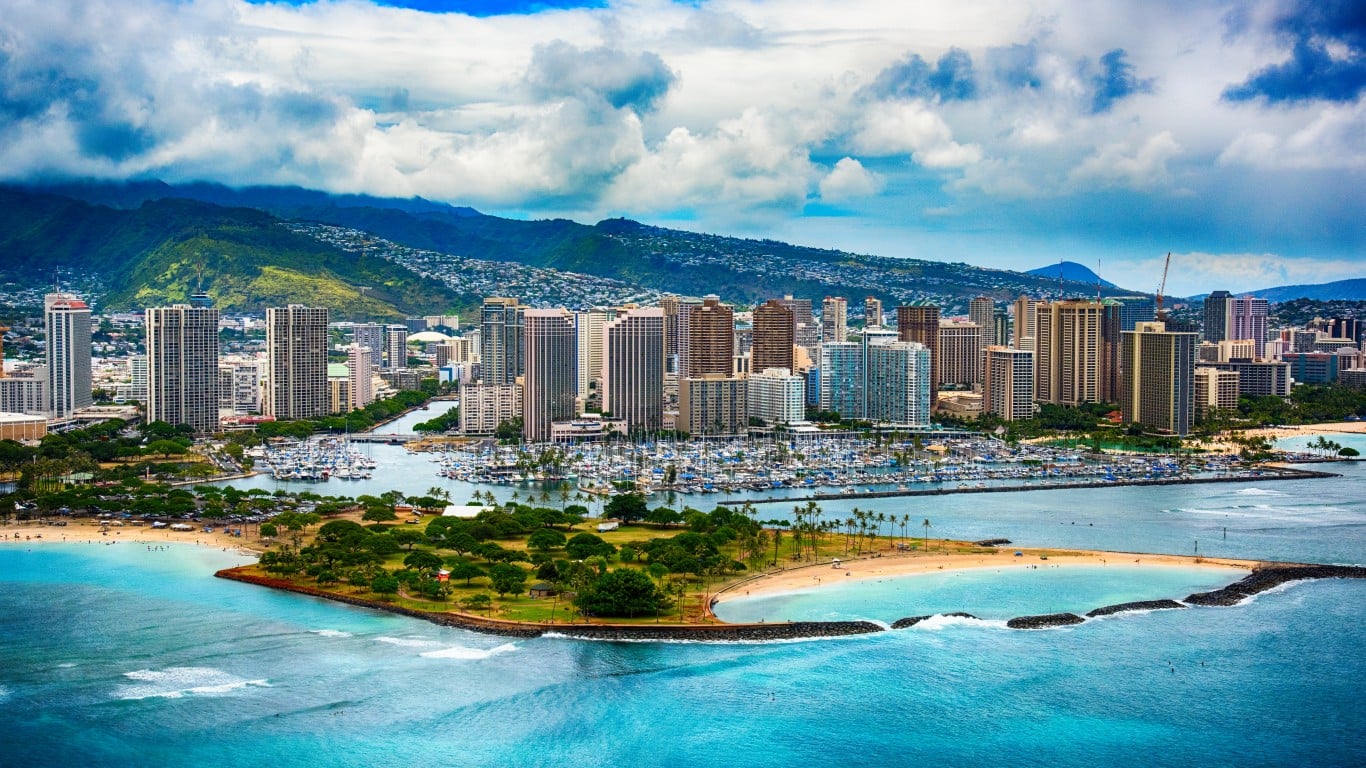
For many Americans, retiring in Hawaii sounds like the ultimate dream. With year-round warm weather, stunning beaches, and a relaxed island lifestyle, it’s easy to picture spending your retirement enjoying ocean views and a slower pace of life.
But the reality of living in Hawaii is often far more complicated. Behind the postcard-perfect scenery are serious challenges that can impact your finances and quality of life, from one of the highest costs of living in the country to limited healthcare access and geographic isolation. Before making the move, it’s important to understand the downsides that could turn this dream destination into a costly mistake.
10. Tourist Life
You might have been a tourist to Hawaii multiple times, so you fell in love with the island and want to retire there. However, it's an entirely different outlook when you move there and become part of the local culture.
Prepare For Crowds
During the summer and winter months, when Hawaii tourism is at its peak, you must be ready to navigate busy areas or avoid them completely. This can be frustrating, as you may have to avoid going out to dinner, but it's also one of the pitfalls of living in such a popular tourist destination.
9. Cultural Differences
It's been well documented that "mainlanders" coming to Hawaii are often met with significant culture shock. Hawaii became a U.S. territory after the 1893 overthrow of the Hawaiian Kingdom and the 1898 annexation, which remains politically sensitive. Newcomers are likely to feel awkward while learning to navigate Hawaiian culture.
Respect Local Culture
If you are set about making Hawaii your retirement home, you must learn to respect the local culture and people. This means learning about the islands' history, so you understand why some residents born and raised there are so protective. It also means knowing "Hawaiian" typically refers to Native Hawaiians, not just residents of the state.
8. Lots of Traffic
If you're looking for an easy life during retirement, living in Hawaii might pose more of a headache traffic-wise, depending on where in the state you choose to reside. According to KHON 2, a local news affiliate in Hawaii, Oahu is one of the worst areas in the country to drive. Honolulu often ranks among the top congested U.S. metro areas.
Leave Earlier
The workaround for navigating heavy traffic is to leave earlier to get where you want to go on time. However, this is going to get annoying quickly. If you are trying to live an easy life and don't want to navigate traffic all day, every day, skip Hawaii.
7. Lengthy Shipping
Lengthy shipping times is another consideration regarding the inconvenience of living in Hawaii. For example, any Amazon order will take longer than the average two-day shipping you might be used to.
Many mainland retailers add 3–7+ days for Hawaii shipments, automatically exclude Hawaii from two-day shipping, and charge higher shipping fees.
Plan Appropriately
Is having to wait 5-7 days for an Amazon or other retailer package to arrive a complete deal-breaker? Of course not. It's something you can learn to live with and plan for. However, you can also avoid it by not living in Hawaii.
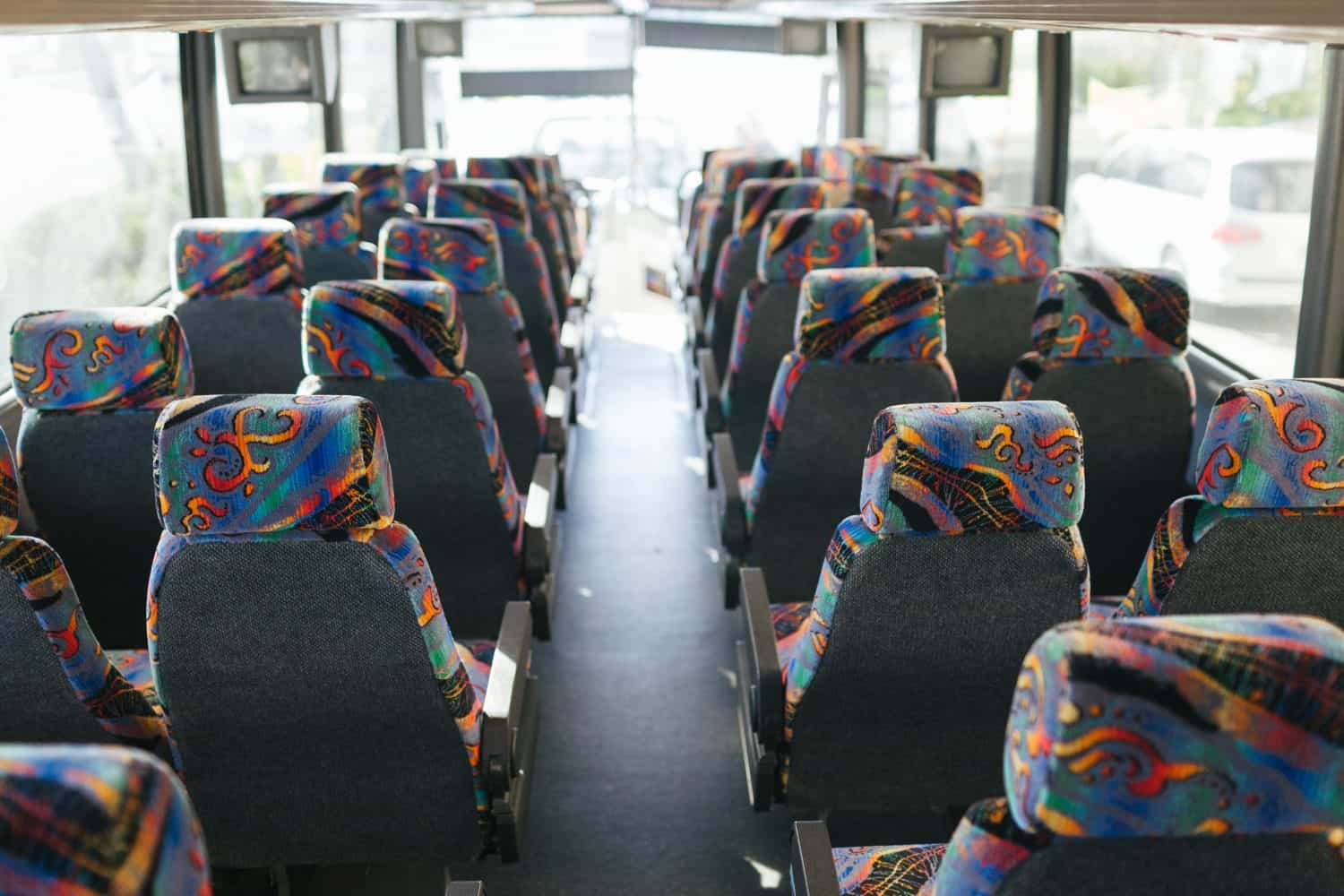
6. Limited Public Transportation
Hawaii will take some getting used to for retirees who previously lived in a big city like New York, Chicago, or Los Angeles, where public transportation is readily available. Oahu has some public transportation available, but it's not as built out elsewhere. Though p
ublic transportation varies by island, Oahu is the only island that offers a decentbus system (TheBus). It also has a new rail line (Skyline). All other Hawaiian Islands have limited transit.
Reliable Vehicle
Ultimately, this means you must have a reliable car on the island, preferably something that can navigate all kinds of roads. A vehicle means more expenses, as gas is much more costly in Hawaii.
5. Natural Disasters
Like many tropical regions, Hawaii faces certain natural hazards that residents need to consider. Hurricanes occasionally pass near the islands. Some areas, particularly on the Big Island, experience volcanic activity and occasional earthquakes. While major events are relatively uncommon, these risks are part of life in the islands and can affect housing, insurance costs, and long-term planning.
Avoid Risky Areas
Volcanic activity is largely confined to Hawaii Island (the Big Island), while other islands may only experience indirect effects like volcanic haze, known as vog. Hurricanes and tsunamis are rare but monitored closely by local authorities.
4. Island Fever Is Real
"Island fever" is widely used to describe the psychological effects of geographic isolation, which may certainly be experienced in Hawaii. If you retire anywhere in the mainland United States, you can wake up one morning and decide to drive to another state. Even if you never do this, the knowledge that you can hit the road at a moment's notice provides a sense of freedom. However, when you live in Hawaii, you cannot visit other states on a whim; travel requires careful planning.
Live Near Family
Unfortunately, if you choose to live in Hawaii and your family is in the continental US, you might quickly learn to regret this decision. As a retiree, you have the luxury of visiting family more regularly, and if you have grandchildren and want to watch them grow up, this is a reason to stop and think. The bottom line is to skip the emotional toll of being gone and instead live near family, wherever they may be.
3. Limited Healthcare
Living in Hawaii means you have a smaller pool of healthcare providers. This is especially true when it comes to specialists. This means you could have longer wait times to receive necessary care.
Some procedures require mainland travel, which can be costly.
Healthcare Workarounds
If you live in certain areas, like Honolulu, on the "big island", or near Maui, there is a better chance that you have more doctors to choose from.
Hawaii healthcare is generally high quality, but most specialists are concentrated on Oahu and rural islands have fewer providers.
2. Pricey Everything
Along with housing, food and produce in Hawaii are costly. Even the Hawaiian government admits that 85-90% of the island's food is imported, dramatically raising costs. Worse, one storm can massively disrupt supply deliveries, so you may be out of your favorite foods and drinks for weeks.
So Much Spending
Ultimately, you have to weigh the cost of living in Hawaii versus the lifestyle you want to live. You can wear shorts and t-shirts year-round, but your grocery costs will increase quickly. This leads to whether you are okay with losing a lot of disposable income for your location.
1. Expensive Housing
It won't come as any surprise to learn that the number one reason to avoid retiring in Hawaii is how expensive it can be. In April 2024, Honolulu's median single-family home price was over $1 million. Hawaii is one of the most expensive states in the U.S., which puts a strain on retirement savings and pensions.
Main Deal Breaker
This is the main deal breaker when considering living and retiring in Hawaii. You can't go somewhere you know will drain your savings and retirement accounts more than necessary. Ultimately, the financial strain will outweigh any benefits of living on a tropical island, especially since Hawaii is said to be 65% more expensive than the continental United States.