
























10 States Where Taxes Top $8,000 Per Person, and What It Means for Your Wealth
Tax burden is one of the most overlooked factors in long-term wealth building, yet it can quietly shape everything from your investment returns to your retirement strategy. In some U.S. states, residents are effectively paying more than $8,000 per person each year in combined taxes, driven by a mix of income taxes, property taxes, and consumption-based levies. The structure of those taxes matters just as much as the total, especially for investors managing capital gains, retirement income, or estate planning.
Using data on per-capita tax collections and state-level policies, this breakdown highlights the 10 states where residents face the highest overall tax burden. More importantly, it explains how those taxes are applied and what they mean for real-world financial planning. Whether you are considering relocating, optimizing your portfolio, or planning for retirement, understanding where taxes hit hardest can make a measurable difference in how much wealth you ultimately keep.
Why Tax Burden Matters
High taxes impact more than just your paycheck. They affect investment returns, retirement planning, and long-term wealth accumulation.
The type of tax matters too, whether it’s income, property, or capital gains, each impacts financial strategy differently.
10. Minnesota
Minnesota’s tax burden sits around $8,050 per person, driven largely by high income tax rates that reach nearly 10%.
The state also taxes retirement income and Social Security for higher earners, making it a costly place for those building or preserving wealth.
9. Illinois
Illinois has no tax on retirement income, but high property taxes push its total burden to about $8,148 per person.
With property tax rates exceeding 2% and high sales taxes, homeowners often feel the pressure more than expected.
8. Vermont
Vermont residents face a tax burden of roughly $8,158 per person, largely due to high property taxes relative to income.
The state also taxes Social Security and imposes estate taxes, adding pressure on retirees and long-term planners.
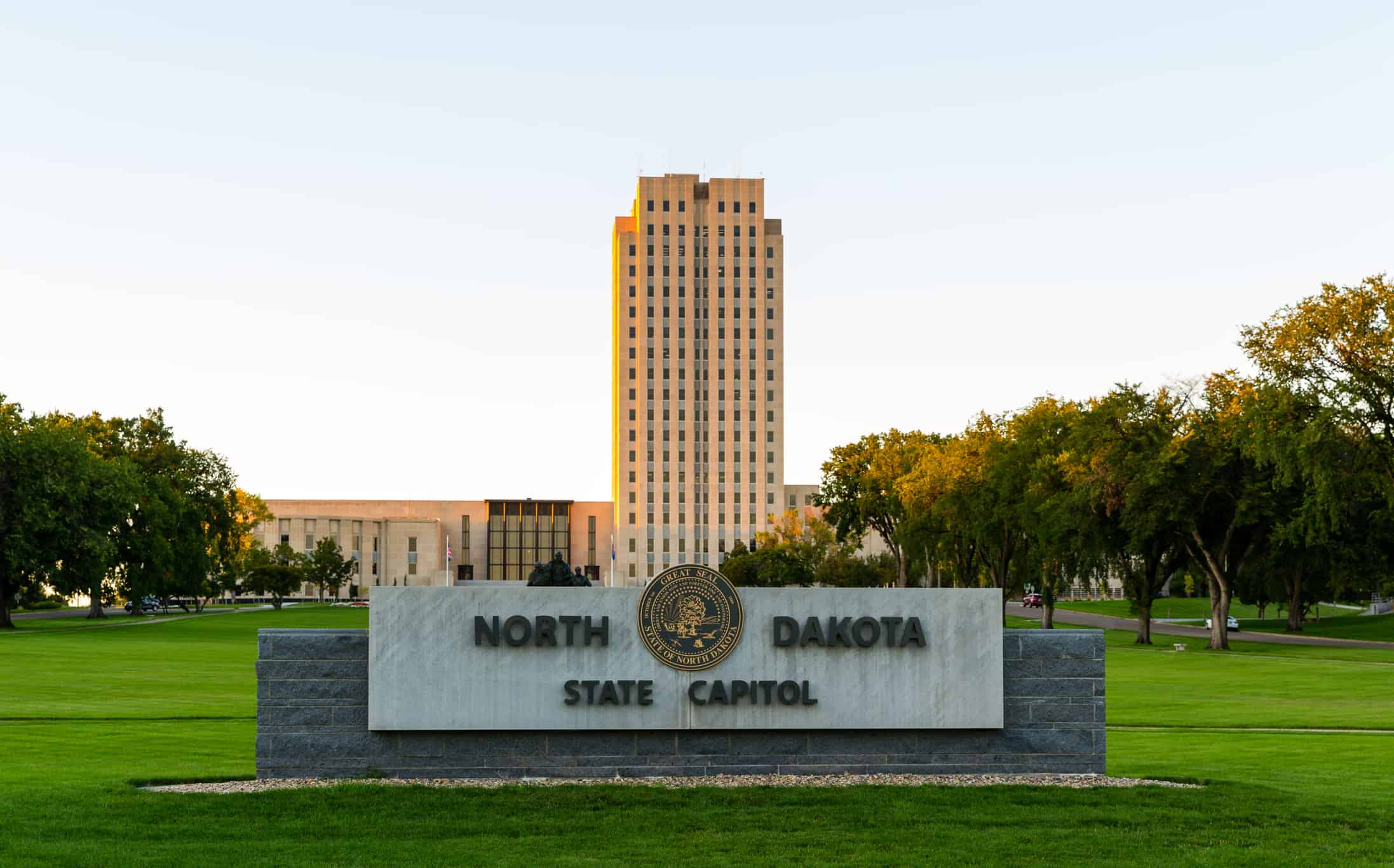
7. North Dakota
North Dakota’s $8,961 tax burden is driven by oil and gas taxes paid largely by companies, not residents.
For individuals, the experience is different, with low income taxes and no estate tax making it more favorable than it appears.
6. Massachusetts
Massachusetts reaches about $9,341 per person, with a surtax pushing top income rates to 9%.
Combined with estate taxes and property taxes, high earners face multiple layers of taxation.
5. New Jersey
New Jersey’s $9,366 burden is largely due to some of the highest property taxes in the country.
Even with retirement exclusions, homeowners often face annual tax bills that exceed many other states entirely.
4. Hawaii
Hawaii’s $9,503 burden comes from a broad excise tax and high income tax rates.
Combined with a high cost of living, taxes can significantly impact disposable income and investment potential.
3. Connecticut
Connecticut’s $9,718 burden includes income taxes and some of the highest property taxes nationwide.
The state also has a unique gift tax, making wealth transfer more complex.
2. California
California’s tax burden reaches $10,319 per person, driven by the nation’s highest income tax rates.
While Social Security is exempt, most other income is fully taxed, impacting both workers and retirees.
1. New York
New York leads with a $12,685 per person tax burden, combining high income and property taxes.
Estate tax rules and high cost of living make it one of the most challenging states for preserving wealth.
What This Means for Investors
Where you live can significantly impact your ability to build wealth. High-tax states can reduce net returns and increase long-term financial pressure.
Relocation, tax planning, and investment strategy can all play a role in improving outcomes.