






















10 U.S. Cities Where Rent Eats All Your Income
Renting in America is one of the most severe financial burdens facing households today. According to Zillow data, as of early 2026 the average U.S. rent is roughly $1,895 to $2,000 per month, depending on measurement method and property mix. Millions of Americans are paying far more than the recommended 30% of their income for housing, cutting them short in other inflation-slammed areas like healthcare and educational expenses. This report takes a closer look at where rent prices are highest and the economic forces behind them.
What's Fueling the Crisis?
Several core factors contribute to the nation's housing woes:
Supply Shortage: There simply aren't enough units being built to meet demand1especially at affordable price points. Developers often focus on luxury apartments because of the higher profit margins, leaving a gap in workforce and low-income housing.
Population Growth: Cities in the Sun Belt and tech hubs across the country continue to attract new residents, which increases demand and competition for a limited housing stock.
Wage Stagnation: While rents have risen steadily, incomes have not kept pace. Many workers find themselves priced out of their own neighborhoods, even if they have full-time jobs.
Policy Gaps: In many areas, rent control is limited or nonexistent. Affordable housing programs are underfunded, and zoning laws often prevent higher-density housing that could increase supply.
A National Snapshot
When considering all types of rental properties, the national average rent stands at $2,100 per month. Though rents have largely plateaued over the past year, the situation remains dire for a large portion of the population. According to Harvard's Joint Center for Housing Studies, half of all renters in the U.S. are now considered "cost-burdened," meaning they spend more than 30% of their income on housing. Even more alarming, one in four renters is spending over 50% of their income on rent alone. These levels mark some of the highest housing burdens ever recorded. For the lowest-income households, there are only 35 affordable and available homes for every 100 renters. In total, the U.S. faces a shortfall of approximately 7.1 million homes that are needed to meet demand from extremely low-income renters. Without substantial investment and structural reform, these figures are unlikely to improve.
Cities Where Rent Hits Hardest
While high rents are a national issue, they're most acute in certain urban markets. These cities not only have higher-than-average rent prices, but also intense competition, low housing supply, and unique local factors driving the crisis. Here are the top 10, according to a recent study by SmartAsset:
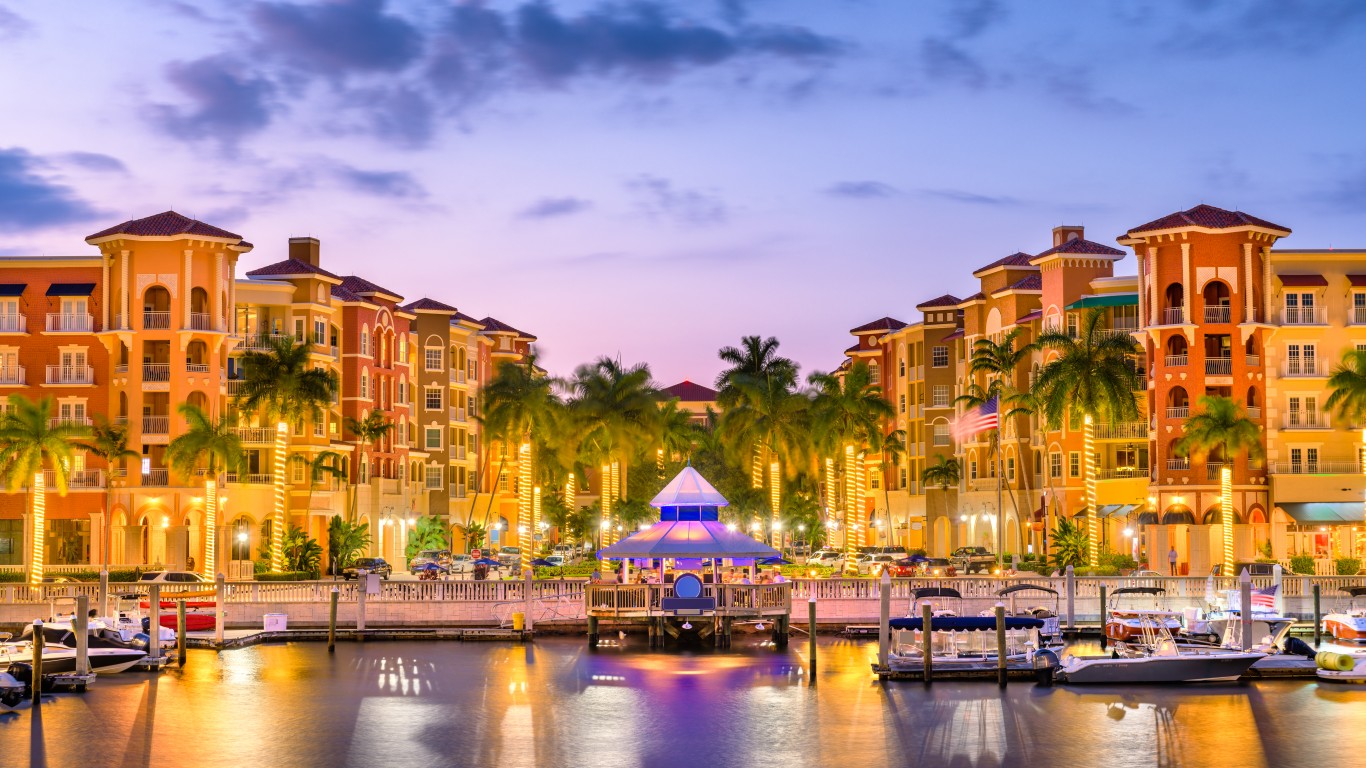
10. Naples, FL
- Average rent: $2,912
- % of national average: 138.7%
Naples, Florida, has emerged as one of the most expensive rental markets in the country, with rents far exceeding the national average. The city's popularity among retirees and affluent seasonal residents has driven up demand for housing, resulting in limited supply and soaring prices. The combination of luxury developments, a booming tourism industry, and a limited rental inventory has made affordability a growing concern for locals.
9. Miami, FL
- Average rent: $3,019
- % of national average: 143.8%
Miami's vibrant culture, international appeal, and status as a gateway city have kept its rental market among the priciest in the nation. The influx of new residents, especially from other states and countries, has intensified competition for apartments, pushing prices even higher. For working families and young professionals, the city's rental costs can be a major financial burden, often forcing tough choices about where and how to live.
8. San Diego, CA
- Average rent: $3,025
- % of national average: 144.0%
San Diego's coastal location and strong job market have made it a magnet for renters, but also one of the most expensive cities for housing. The city's average rent is significantly higher than the national average, and limited new construction has kept supply tight. The high cost of living has become a defining feature of life in San Diego, particularly for those not earning high salaries.
7. Chula Vista, CA
- Average rent: $3,126
- % of national average: 148.9%
Chula Vista, just south of San Diego, has seen its rental market heat up as more people seek relatively affordable options near the coast. However, rising demand has pushed average rents close to those in San Diego itself. The city's rapid growth and limited housing stock have contributed to a challenging environment for renters, especially those on moderate incomes. Many local families are facing tough choices about whether they can even afford to continue living in the city.
6. Jersey City, NJ
- Average rent: $3,129
- % of national average: 149.0%
Jersey City has long been an attractive alternative to Manhattan, but its rental prices now rival those of New York City. With its proximity to major employment centers and a surge in luxury apartment developments, the average rent in Jersey City has soared. The city's rapid transformation has benefited some, but for many renters, the high cost of living poses ongoing challenges.
5. San Jose, CA
- Average rent: $3,131
- % of national average: 149.1%
San Jose, at the heart of Silicon Valley, remains one of the most expensive rental markets in the country. The tech industry's high salaries have driven up demand for housing, but for those not in the tech sector, the cost of rent can be overwhelming. The city's affordability crisis is a major concern for both longtime locals and newcomers alike.
4. Irvine, CA
- Average rent: $3,306
- % of national average: 157.4%
Irvine's master-planned communities and reputation for safety and quality schools have made it a desirable place to live, but also one of the costliest. Limited rental inventory and strong demand have kept prices elevated, making affordability a persistent issue for residents.
3. San Francisco, CA
- Average rent: $3,368
- % of national average: 160.4%
San Francisco's rental market has long been notorious for its sky-high prices, and 2025 is no exception. Despite some recent moderation, the city's average rent remains well above the national average. Many residents are forced to spend a large share of their income on housing, often living with roommates or in smaller spaces to make ends meet. The city's affordability challenges are compounded by a limited supply of new housing and ongoing demand from high-income earners.
2. New York, NY
- Average rent: $3,489
- % of national average: 166.1%
New York City continues to be one of the most expensive places to rent in the United States. With average rents near the top of the national rankings, many New Yorkers devote a significant portion of their income to housing. The city's vast rental market offers a range of options, but affordability remains a major concern, especially for those in lower- and middle-income brackets. The high cost of rent shapes nearly every aspect of life in the city, from where people live to how they spend their time and money. Adding to the frustration is the widespread use of brokers1who often charge steep fees1and the common practice of bidding up rent, with final lease prices frequently far exceeding the advertised rate.
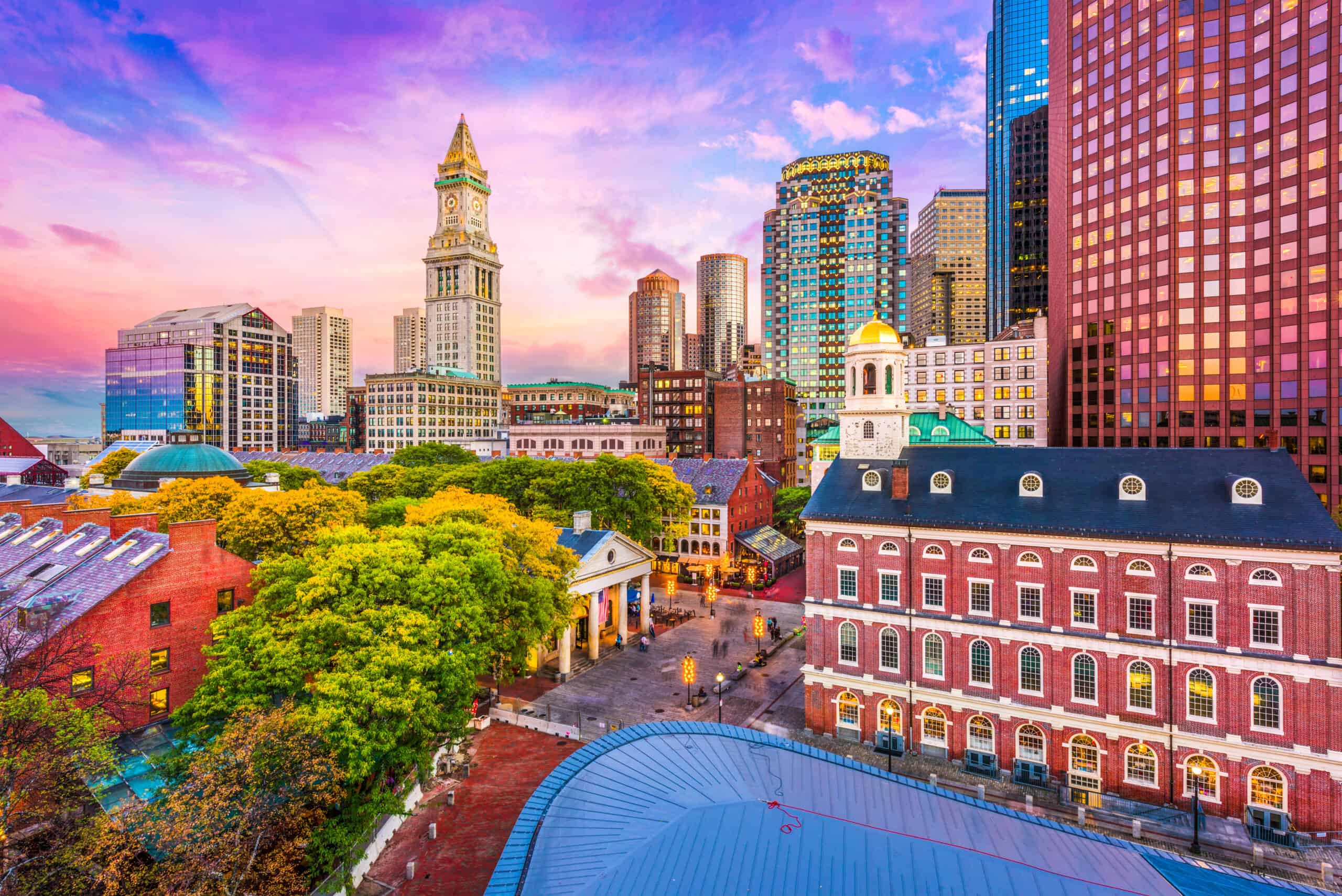
1. Boston, MA
- Average rent: $3,495
- % of national average: 166.4%
Boston's historic neighborhoods and world-class universities have made it a highly desirable place to live, but also one of the priciest. The city's average rent is the highest in the country as of July 2025, putting enormous pressure on renters. Many residents, especially students and young professionals, find themselves spending a large share of their income on housing, often at the expense of other necessities. The ongoing affordability crisis has sparked debates about housing policy and the need for more affordable options in the city.
Navigating the Pressure
For individual renters, the situation is difficult but not without options. Many are choosing to live with roommates, relocate to more affordable suburbs, or negotiate lease renewals in hopes of locking in better terms. Some may qualify for income-based housing programs, though waiting lists are often long.
Policy solutions are also on the table. Cities and states can expand the supply of affordable housing by loosening zoning restrictions, offering tax credits for low-income housing developments, and increasing funding for rental assistance. Strengthening tenant protections1such as limits on rent hikes and stronger eviction safeguards1can also help keep people housed. Until these issues are addressed at both local and national levels, housing will remain out of reach for too many families.