





































Retiring Soon? Here are 20 States You May Want to Avoid
Retirement should feel like a reward after decades of work, but where you live can make a huge difference. Taxes, housing costs, healthcare access, crime, infrastructure, and overall cost of living can all affect how far your savings go.
That is why choosing a retirement state matters so much. Some states may look appealing at first, but can become expensive or frustrating once you factor in everyday costs and quality-of-life concerns. These 20 states have drawbacks retirees may want to consider before making a move.
Louisiana
- Often ranks the worst in crime statistics
- Hurricane and severe weather threats
- $290 billion in disaster damages (3rd highest)
- Home insurance premiums rose to $2,974 in 2025
Louisiana has culture, food, and warm weather, but retirees should be cautious about the financial and safety risks. Hurricanes and severe storms have driven up insurance costs in many areas. Crime is also a major concern in several communities. For retirees on fixed incomes, rising home insurance premiums and disaster risks can make long-term budgeting difficult.
Rhode Island
- High cost of living
- Taxes most retirement income types, though a new 2025 law exempts the first $50k for pensions and 401(k) income. IRAs remain fully taxable
- Average home prices: $495,631
- Limited space, the second most densely populated state
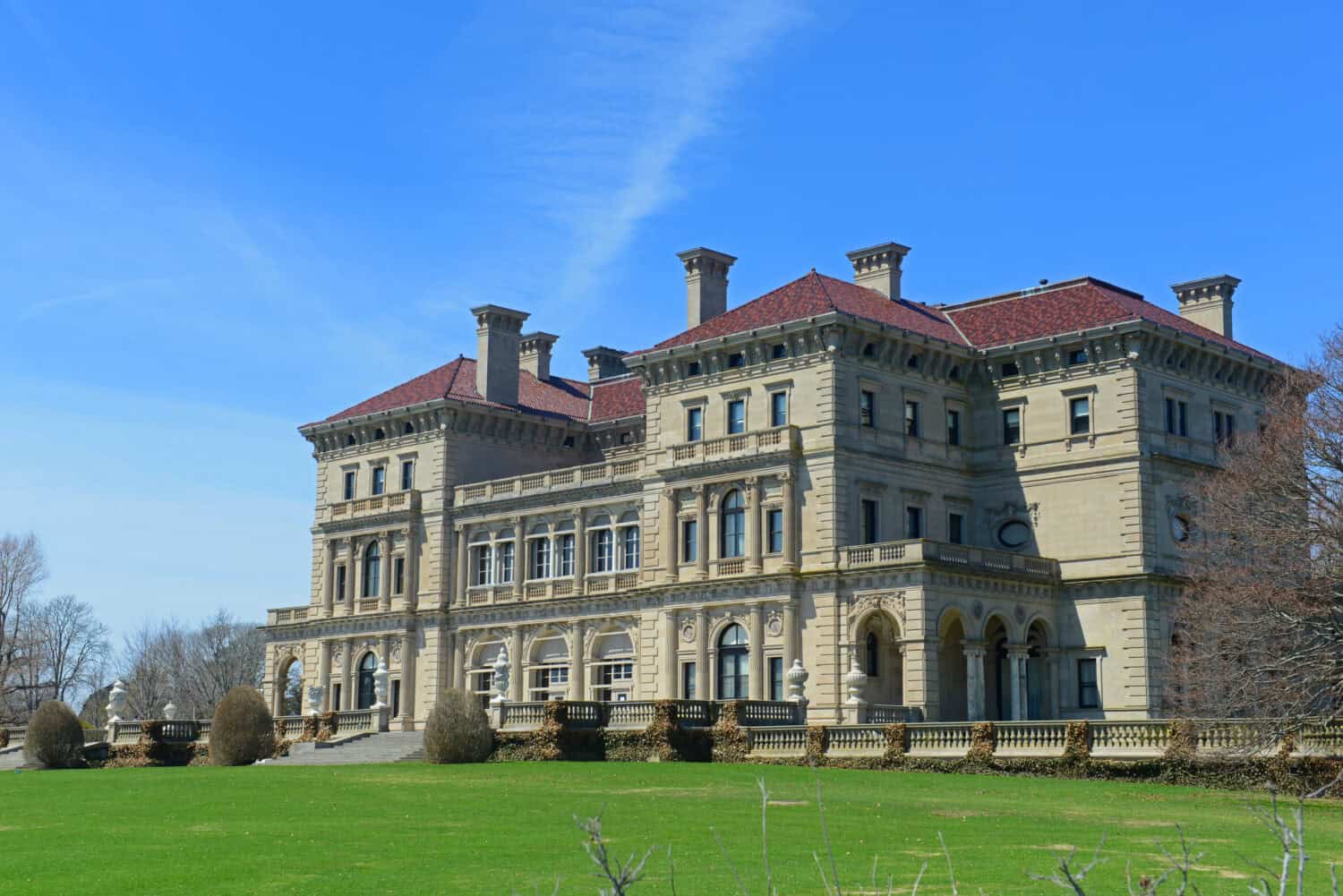
Rhode Island has coastal charm, walkable towns, and access to major Northeast cities, but it is not an easy state for retirees on a tight budget. Housing costs are high, and many types of retirement income remain taxable. The state’s small size and dense population can also make it feel crowded. For retirees looking for space and affordability, Rhode Island may be a tough fit.
Washington
- High cost of living
- 7% capital gains tax on profits over $270,000
- Natural disaster insurance costs
- Expensive healthcare access
Washington has no traditional state income tax, but that does not automatically make it cheap for retirees. Housing, healthcare, and everyday costs are high in many parts of the state, especially near Seattle. Natural disaster risks, including wildfires and earthquakes, can also affect insurance costs. Retirees with investment gains may need to pay close attention to the state’s capital gains tax.
Indiana
- Flat 3% income tax rate
- Taxes retirement income except Social Security
- Elevated crime rates in urban areas
- Below average quality but affordable healthcare
Indiana is often considered affordable compared to coastal states, but retirees may still face trade-offs. Healthcare costs tend to be lower than the national average, though quality and access can vary depending on location. Urban areas have struggled with crime concerns, and the state continues to tax many forms of retirement income. For retirees on a fixed budget, the savings may not fully offset those drawbacks.
West Virginia
- Most affordable cost of living, offset by poor healthcare
- Ranks low for elderly healthcare access, 46th according to WalletHub
- Limited healthcare facilities and specialists
- Economic opportunities scarce
West Virginia is one of the most affordable states in the country, which can be attractive for retirees trying to stretch their savings. However, that affordability comes with serious healthcare concerns. Access to specialists and quality medical facilities can be limited, especially in rural areas. For retirees who need frequent care, the lower cost of living may not be enough to offset those challenges.
Vermont
- High income tax rates: 3.35% to 8.75%, though its 0% for the first $3,825 of income for single filers
- High cost of living
- Harsh weather conditions
- Premium healthcare costs
Vermont consistently ranks as one of the most picturesque states in the country, but retirement there can be expensive. Daily living costs, healthcare expenses, and taxes are all above average, especially for retirees relying on fixed incomes. Long winters and harsh weather can also make travel and daily life more difficult as residents age. While the state offers charm and natural beauty, affordability remains a major concern.
Kansas
- Below-average healthcare access in general
- Does not tax retirement income, which is a plus point
- However, it has concerning quality of life metrics
- Limited cultural and recreational opportunities, except in big cities
Connecticut offers excellent healthcare systems and proximity to major cities, but retirees often pay a premium for those advantages. Housing, utilities, and healthcare costs rank among the highest in the country. Even retirees with solid savings may find fixed-income budgeting difficult over time. Taxes and living expenses can quickly erode retirement income, particularly in wealthier parts of the state.
New Mexico
- Highest crime rates in the country
- Poor healthcare access with workforce shortages
- Taxes retirement income over single filers over $100,000 and joint filers over $150,000
- Somewhat elevated income tax rates with a top rate of 5.9%, higher than all its neighbors
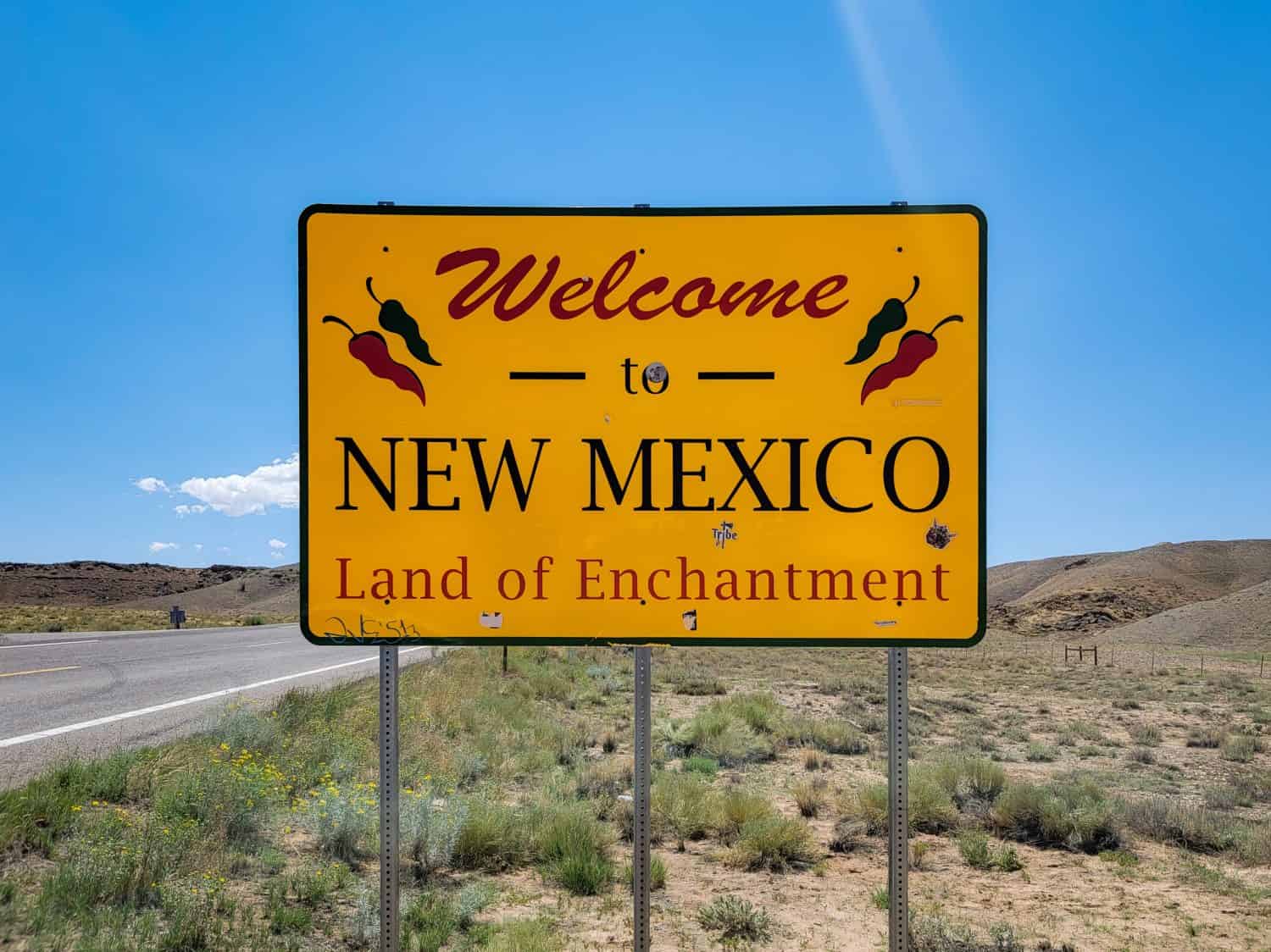
New Mexico offers beautiful scenery and a lower population density than many states, but retirees may run into challenges that outweigh those benefits. Crime rates remain a concern in several areas, particularly property crime. Access to healthcare can also be difficult, especially in rural parts of the state where staffing shortages continue to affect hospitals and clinics. While retirement taxes are lighter for lower-income households, higher earners may still feel the impact.
Nevada
- Limited healthcare access in rural areas
- Property crime rate concerns
- No state income tax
- Cost of living index: 101.3
Nevada’s lack of a state income tax makes it appealing at first glance, especially for retirees trying to stretch their savings. However, healthcare access outside major metro areas can be limited, and property crime rates remain a concern in parts of the state. Costs have also risen in fast-growing areas like Las Vegas and Reno, reducing some of the affordability advantages Nevada once had.
Oregon
- High state income tax rates: 4.75% to 9.9%
- High cost of living
- Estate tax on estates over $1 million
- Somewhat expensive healthcare. Prices are escalating quickly in Portland
Oregon offers stunning scenery and a strong quality-of-life appeal, but it can be expensive for retirees. State income taxes are high, and the cost of living has climbed in many areas. Healthcare can also be pricey, especially around Portland. Retirees with larger estates may need to plan carefully because Oregon’s estate tax threshold is relatively low.
Texas
- Increasing natural disaster challenges
- Hurricane, flooding, and severe weather risks
- Elevated property crime rates
- Healthcare access varies between urban and rural areas
Texas has long attracted retirees because it has no state income tax and plenty of warm-weather communities. But the state also comes with rising risks from hurricanes, flooding, extreme heat, and severe storms. Healthcare access can be strong in major cities but much weaker in rural regions. Property taxes and insurance costs can also create a larger burden than some retirees expect.
Arkansas
- High violent and property crime rates
- Limited healthcare access in rural areas
- Taxes pensions, 401(k), and IRA distributions are fully taxable above the first $6,000
- Limited economic opportunities
Arkansas can look appealing because of its lower cost of living, but retirees should consider the bigger picture. Crime rates are a concern in some areas, and healthcare access can be limited outside larger cities. Retirement income taxes may also reduce the state’s affordability advantage. For retirees who need strong medical networks or a safer community environment, Arkansas may require extra caution.
Kentucky
- Most problematic state for retirees, according to many rankings
- Frequent natural disasters drive up insurance costs
- Healthcare quality ranks 45th nationally
- Faces poverty challenges
Kentucky has a lower cost of living than many states, but affordability is only one part of retirement planning. Healthcare quality and access remain major concerns, especially for older residents who need reliable medical care. Natural disasters can also raise insurance costs and create long-term housing concerns. Combined with poverty-related challenges, Kentucky may be a difficult choice for retirees looking for stability and strong support systems.
Tennessee
- High sales taxes
- Rural areas lack healthcare specialists
- Limited access to advanced medical facilities in certain areas
- Low property taxes do offset some cons
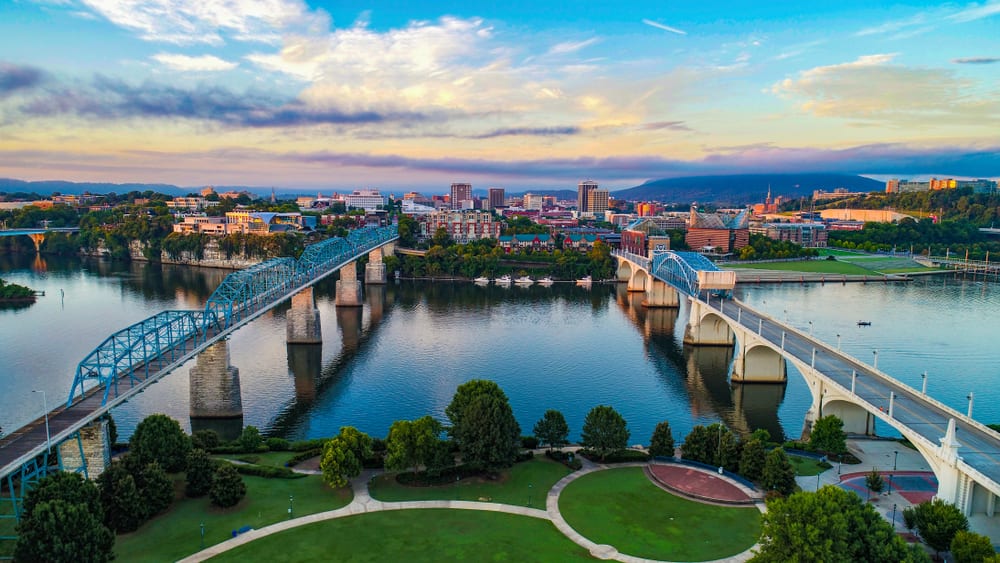
Tennessee attracts many retirees thanks to its low property taxes and lack of a state income tax. Still, the state’s very high sales taxes can quietly increase everyday costs over time. Access to specialized healthcare may also become an issue in smaller communities, where retirees often need to travel farther for advanced treatment. For some, the lower tax burden may not completely make up for those limitations.
New Jersey
- Highest property tax rates nationally: 2.23%
- High income tax rates up to 10.75%
- 8th most expensive state
- Expensive for fixed incomes
New Jersey gives retirees access to strong healthcare, beaches, and major metro areas, but the cost is steep. Property taxes are among the highest in the nation, and overall living expenses can put pressure on retirement savings. Income taxes can also become a concern for higher earners. For retirees hoping to lower expenses, New Jersey is often a difficult place to make a fixed income stretch.
Connecticut
- High cost of living
- Income tax rates: 2% to 6.99%
- Very high healthcare costs
- Challenging for fixed-income retirees
Connecticut offers excellent healthcare systems and proximity to major cities, but retirees often pay a premium for those advantages. Housing, utilities, and healthcare costs rank among the highest in the country. Even retirees with solid savings may find fixed-income budgeting difficult over time. Taxes and living expenses can quickly erode retirement income, particularly in wealthier parts of the state.
New York
- Extremely high tax burden
- Income tax rates: 4% to 10.9%
- Property taxes average 1.54%
- Need well over $1 million in savings
New York offers world-class healthcare, culture, and public amenities, but it is one of the most expensive places to retire. Taxes, housing, insurance, and everyday costs can quickly eat into retirement savings. Even outside New York City, property taxes can be a major burden. Retirees who want to stay in the state may need a much larger nest egg than they would elsewhere.
Oklahoma
- High mortality rates for senior medical conditions
- Prone to tornadoes, wildfires, ice storms
- Elevated crime rates
- Taxes some retirement income
Oklahoma may offer affordability, but retirees should weigh that against healthcare and safety concerns. The state faces elevated risks from tornadoes, wildfires, and ice storms, which can affect insurance and quality of life. Healthcare outcomes for seniors are also a concern, particularly for people managing chronic conditions. Taxes on some retirement income add another factor to consider.
Mississippi
- Worst elderly healthcare nationally
- Limited healthcare facilities
- High poverty challenges
- Vulnerable to hurricanes and tornadoes
Mississippi is affordable, but retirees may face serious challenges when it comes to healthcare access and quality. Many areas have limited medical facilities, and specialized care may require long travel. The state also faces poverty-related challenges that can affect community resources and infrastructure. Hurricanes, tornadoes, and severe weather add another layer of risk for retirees.
Maryland
- High property taxes
- Only partial taxation of retirement income
- Estate and inheritance taxes
- 7th most expensive state
Maryland offers access to major hospitals, cultural attractions, and the Washington, D.C. metro area, but those benefits come at a high price. Property taxes and overall living costs can be difficult for retirees on fixed incomes. The state also has both estate and inheritance taxes, which may complicate long-term financial planning. For retirees trying to preserve wealth, Maryland can be one of the more expensive choices.