






























16 Baby Boomer Money Tips That Still Work Today
With prices rising and many people feeling stretched financially, saving money has become more important than ever. A lot of households are focused on making it to the next paycheck, while long-term goals like retirement can feel out of reach. Still, building financial security early can make a big difference later in life, especially for millennials and younger generations. If you’re looking for practical ways to strengthen your financial future, it can help to take a few lessons from baby boomers who have spent decades managing money through changing times.
There are plenty of ways to save for the future and prepare for major expenses down the road. Some of the tips on this list focus on cutting everyday costs, such as using coupons, buying secondhand, or trimming back on streaming subscriptions. Others center on creating a realistic budget and identifying where your money is going so you can make smarter adjustments. Baby boomers also often recommend putting money into high-yield savings accounts, contributing to a 401(k), and investing in homeownership when possible. Even a few of these habits can add up to meaningful savings over time.
To compile this list of money-saving tips, we drew from conversations with older generations as well as trusted financial sources, including Forbes, Fortune, and The Motley Fool. The result is a collection of practical ideas that can help you spend less and save more. If you’re interested in learning more about older generations, you may also want to check out our list of the most popular TV shows among baby boomers.
Eat at home
- One of the more straightforward saving money tips that baby boomers will advise is to spend less money. These days, it’s not unusual for many people to constantly eat at restaurants or to have their food, and just about everything else, delivered to their door. You’re wasting a lot of money on the food, the tip, and the extra charges. Baby boomers will tell you to shop for your weekly groceries at the store and then pack your lunches for work and eat dinner at home, and you’ll find that you could save hundreds of dollars a month.
Fix things yourself
- Many baby boomers lived during a time when they couldn’t just go out and buy something new when what they had broke. So, one of their saving-money tips is to learn how to fix things on your own so you don’t need to spend more money. You don’t need to be a licensed contractor to know how to fix things around the house. There is a YouTube video or blog for just about everything, so do a little research. In addition to saving money, you’ll also feel good about a job well done.
Spend less on tech and subscriptions
- The last of the saving-money tips is to spend less on technology. Baby boomers likely wouldn't have splurged on a new phone every year. Take that advice and use items as long as you can so you don't have to keep spending. Also, watch your streaming subscriptions. Just about every streaming platform has a cost, and they can quickly add up, so you only pay for what you actually watch. (If Max happens to be one of the streaming services you enjoy, then check out this list of the scariest movies and shows now streaming on Max.)
Buy a house
- Ask a baby boomer for their best tips for saving money, and you'll find that many will tell you to buy a house. Get a home earlier, and you can start building equity sooner, and you'll be in a much better place later in life. Yes, houses are expensive and may seem out of reach, but you don't need to buy a mansion. Find something you can afford and see where the market takes you. Renting can seem easy, but you're really throwing money away and getting very little out of it.
Get an additional income stream
- Talk to many baby boomers, and they’ll tell you they saved money by working very hard until their eventual retirement. You may work hard now, but if your one job isn’t getting you where you want to be, it may be time to consider an additional income stream. That could be working part-time as a blogger, a tutor, an artist, or even driving for a food delivery service. If you have some extra time in your day and you’re bored, then earning extra money and putting it in your savings account is a great way to fill the gap.
Live minimally
- Many young people are excited about owning each new hot thing that comes on the market, but that’s a good way to spend a lot of money quickly. Instead, boomers will tell you to buy items that will last longer, so you save money over time. Look for products that are made to last. Look for quality over quantity. When you have the option of choosing between two products, choose the one with the longer warranty. Also, items that have more bells and whistles can be troublesome because there’s more that can go wrong and require expensive repairs.
Create an emergency account
- While you’re saving money for the future, it can’t hurt to also put a small percentage aside for an emergency fund. You never know when your car could break down, or you could have an unexpected medical emergency. Many young people don’t have a plan, and when a sudden issue does occur, they take out a loan or use a credit card and instead end up with debt that can be hard to pay. Put 2% to 5% of your paycheck into an emergency fund each time, and you'll be ready for anything and able to sleep better at night.
Put your money in a good savings account
- When you choose where to save your money, think a bit outside of the box. It can be tempting to save your money in a regular savings account that’s tied to your checking account. However, you earn very little interest, and so you’re not growing your money. Instead, look into a high-interest savings account that’s above 3%. You’ll be amazed at how much money you’ll make just because you decided to put money aside. Most of these accounts are free to open, so it’s a no-brainer.
Take advantage of your 401(k)
- If you work at a company that offers a 401k plan, most boomers will tell you to get into it. In many cases, your company will match what you put in, so you’re basically getting free money. Many boomers also recommend investing in other external investments, like stocks, CDs, and even real estate, because that’s what they did when they were young. When you have the money, you can be slightly more aggressive with your investments, and it can really pay off in the end.
Grow food at home
- Many times, the saving-money tips that boomers recommend include learning hobbies that can help you save money, like gardening. Even if you’re going to the grocery store instead of restaurants, you’re likely spending money on fruit and vegetables that you could grow at home. In addition to being more affordable, homegrown food is also often healthier. Gardening is not a difficult hobby once you learn it. Plus, it can be great for your mental health to watch a tiny seed grow into a large plant and know that you helped that to happen.
Don’t take on unnecessary debt
- Yes, life is getting more expensive, and yes, it can be great to have the nicest gadgets or a nice car. However, boomers will tell you that it's wise to avoid debt outside of a mortgage or maybe a school loan. It’s best to budget and only spend money that you have in your account. Debt can quickly snowball, and before you know it, you’re looking at thousands of dollars. It can be hard to pay off, so try to avoid using a credit card unless you know that you’ll have the means to pay it off every month.
Clip coupons
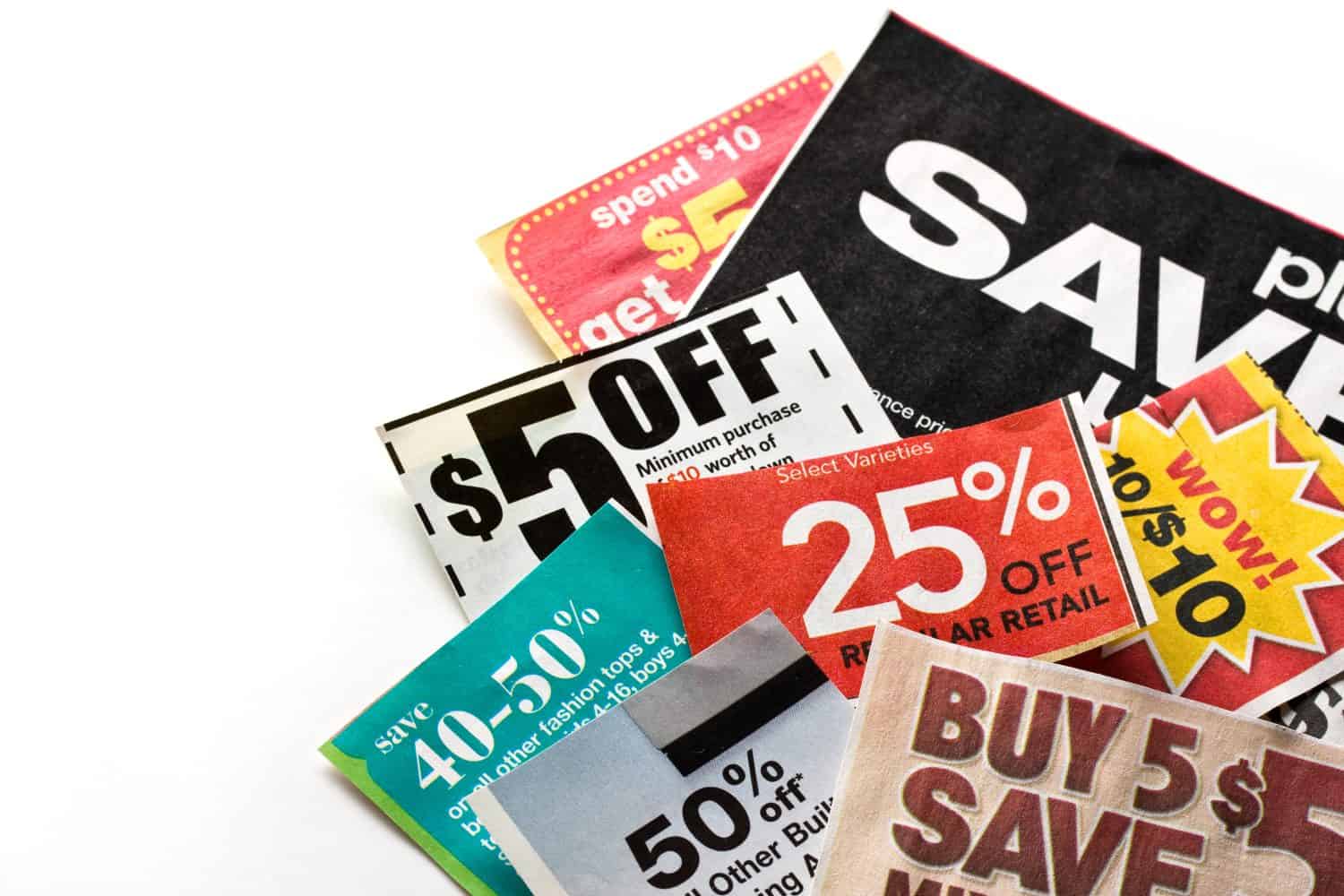
- Back in the day, it was common for people to flip through the newspaper and find coupons for their favorite products. They would cut them out and present them at the checkout counter. While technology has advanced, and many coupons can be shown on your phone, the fact is that they still exist. Whenever you want to buy anything, look for sales and compare prices on different websites. Many companies will happily pass out coupons in an attempt to make you buy more. While you shouldn't go overboard with your shopping, use those coupons and save money.
Buy secondhand items
- Ask a baby boomer how they saved money in their youth, and many will tell you that the secret to their success was purchasing items second hand. There are thrift stores on almost every corner these days, so stop in and see what you can buy. Most stores have everything from clothes to electronics and children’s toys and bikes, and you’ll get them for a fraction of the cost of new items. Everything at the thrift stores has been quality-checked, so you know you’re getting a good product and you’ll save a bundle.
Save money from your paycheck
- Many young people get excited about payday because it’s a chance to go crazy and spend money wherever they see fit. While you work hard and should be able to enjoy some of your earnings, baby boomers will tell you that it’s wise to save a percentage of each paycheck. You can either move money into savings every time a paycheck drops in your account or you can speak to your job, and they can automatically split your earnings into a checking and a savings account. That way, you won’t even miss what you’re saving.
Create a budget
- One of the most essential tips for saving money that you’ll learn from just about any baby boomer is the necessity to create a budget. It’s the best way to know what you’re spending and how you can make the necessary changes. Sit down, open all of your accounts, and look at how much you’re spending every month. Look at your rent, food, entertainment costs, transportation costs, or anything else you buy regularly. Then, compare that with how much money you make monthly. If you’re cutting it too close, you know you need to eliminate some unnecessary costs.
Ride the bus or train
- Once you create your budget and start looking into your finances, you’ll be amazed at how much money you’re wasting, and you may not have realized it. One expense you can cut is your transportation costs. If you drive your car often or have a long commute, you’re likely spending hundreds of dollars a month on fuel and wear and tear. Even if you only use Uber or Lyft, you’re likely spending a lot of money. Cut most of those costs by taking public transportation, like the bus or train, to work and to run your errands.