
Retirement income mistakes rarely feel like mistakes in the moment. They usually start as small, reasonable decisions: taking Social Security a little earlier, withdrawing a bit too much from savings, ignoring taxes for one more year, or assuming healthcare costs will stay manageable. The problem is that these choices can build on each other quietly until they turn into a much bigger financial gap later.
For many boomers, retirement is more complicated than it was for previous generations. Traditional pensions are less common, people are living longer, medical costs keep rising, and different income sources are taxed in very different ways. That means a retirement plan that looks solid on paper can still run into trouble if the income strategy is not carefully managed.
The good news is that many of the most damaging mistakes are also avoidable. From claiming Social Security too soon to overlooking required withdrawals or underestimating taxes, these are the traps financial planners see again and again. Spotting them early can make it much easier to protect your cash flow, stretch your savings, and avoid painful surprises later in retirement.
Not Staying Active

This retirement mistake is less of the financial variety, but it can impact your lifestyle and spending habits all the same. If you are not taking care of yourself both physically and socially, all the money in the world won’t matter during retirement.
Don’t be a recluse or spend too much time watching Jeopardy reruns, but get out of the house, read books, play a sport like golf or pickleball, and keep your brain and body working so you can enjoy your hard-earned retirement to the fullest.
Claiming Social Security Too Early
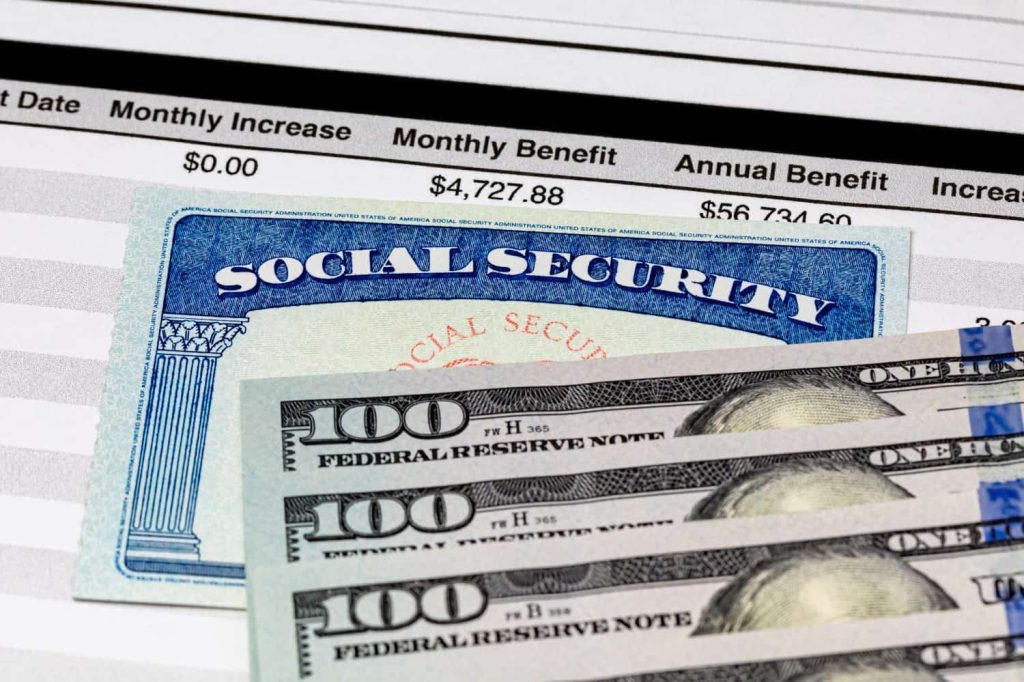
Arguably, claiming Social Security too early is one of the biggest retirement income mistakes any boomer can make. While a boomer can begin collecting benefits as early as age 62, waiting until Full Retirement Age at 67 or up to age 70 as the final year to claim benefits can make a huge difference.
If you claim too early, you could see your overall payments reduced by up to 30% each month, which may not be a significant amount for someone living on a fixed income. On the other hand, delaying your benefits can increase the amount by up to 8% for each year you wait between the ages of 62 and 70.
Planning to Work Longer

Shutterstock ID: 2112409937, Photographer: Drazen Zigic
For better or worse, many baby boomers are planning to work beyond the age of 65, sometimes by choice, and often by necessity. In some cases, it might be to continue maximizing Social Security benefits, but this plan might not go as a baby boomer had thought it would all play out.
What could end up happening is that retirement comes early due to circumstances outside of a boomer’s control. This could be the result of layoffs, downsizing, buyouts, or just overall health. In some cases, skills could also be an issue, and this makes it harder for boomers to find new opportunities.
Spending too Much Too Early
Having a budget in place before retiring should be mandatory for baby boomers, without exception. In fact, the more money you are retiring with, the more important it is to have a budget in place, but the same is true for those on a fixed income as well.
The temptation to spend early on in retirement is almost always going to be there, but it’s important to remember that overspending could lead to depleting money down the road, which is likely to happen when overall health requires more medical costs.
House Rich and Cash-Poor
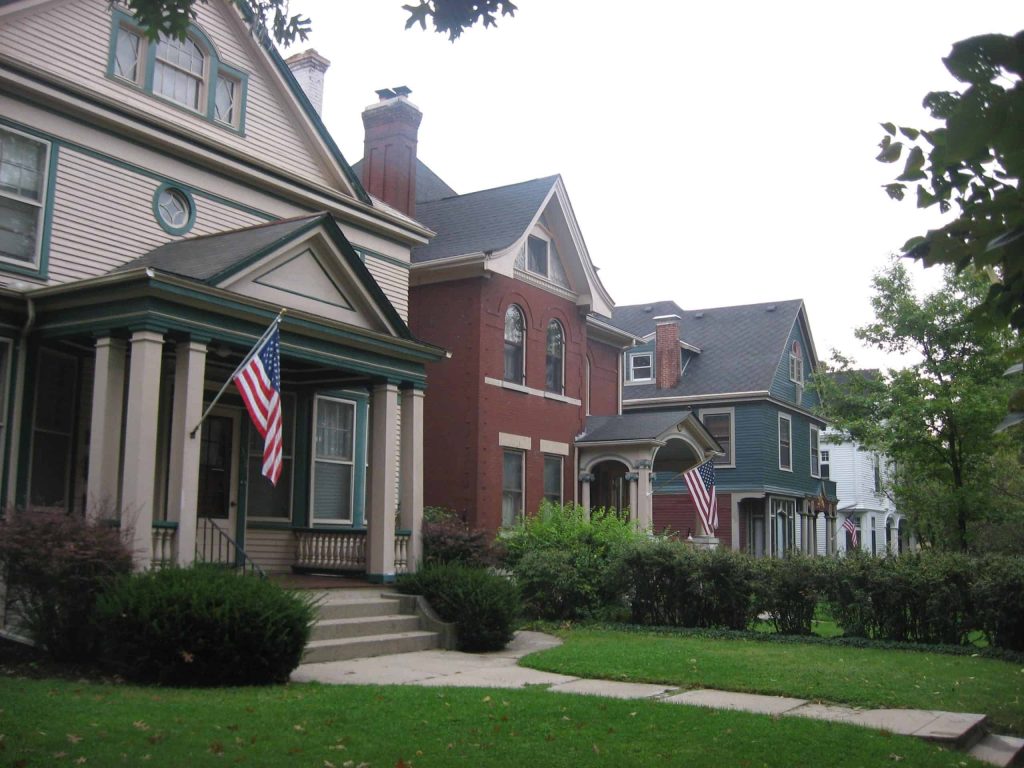
One of the smartest recommendations for any baby boomer going into retirement is to enter this period of their life without a mortgage, or at least, a low mortgage and a house that has appreciated over time.
The ongoing cost of maintaining a home, like property taxes, repairs, services, and utilities, can often wind up being more than retirement money can handle. This is why many retirees choose to downsize prior to or upon entering retirement to avoid being in a situation where they are cash-poor.
Putting Off Saving

Shutterstock ID: 410140204, Photographer: Africa Studio
This is a big one and one that is backed by data, as a 2025 Northwestern Mutual study indicated that only 25% of Americans who have retirement savings say they have one year or less of their current income saved for retirement.
For boomers, putting off saving is a huge mistake that could be costly across the retirement spectrum, including how they are able to pay for medical costs, as well as their overall cost-of-living. Take advantage of catch-up contributions and other benefits those over 50 can enjoy to help enter retirement with exactly how much boomers need to enjoy life.
Support Older Children

Shutterstock ID: 1463151269, Photographer: fizkes
There is no question that seeing your children struggle is a challenge, and many boomers are finding themselves helping out, but this comes with a giant caveat. As hard as it is to refuse to help family, retired boomers are living on fixed incomes, and the ability to earn more money is dramatically reduced while retired.
In other words, unless someone has money to spare, giving large monetary gifts, especially of the ongoing variety, is going to affect how a boomer lives eventually and not in a positive way. At a time when having enough to cover your own personal expenses is something to consider, supporting family has to be done wisely, or not at all.
Paying too Much in Taxes

This is something a boomer needs to work on with a good accountant, but paying too much in taxes can be a real detriment to retirement living. Knowing how to maximize distributions, capital gains, and different types of retirement accounts, or even annuities, can go a long way toward avoiding a major retirement mistake.
Working to find the most cost-efficient way to pay as little in taxes as possible on fixed income sources will be one of the most important ways to avoid losing out on too much money too fast during retirement.
Neglecting Estate Planning

While many boomers might look at estate planning as something only the wealthy or those with disposable retirement savings do, this isn’t the case at all. No matter how much money is set to be available to the family upon someone’s death, without a will or trust, assets can be up in the air for the family and cause a huge headache.
A lack of planning is going to cause complications if there is any property involved, or medical decisions like healthcare directives about end-of-life care. The last thing any boomer should want is to have their family end up in probate, which can reduce the overall money that can be distributed.
Not Being Aware of Fraud and Scams

The Red Cantonese Bear Dog is a fake breed that supposedly originated in China.
It’s an unfortunate truth that frauds and scams that target boomers and the elderly are rampant these days, and social media has only made things worse. As the most targeted group for scams, it’s critical that you talk with someone, like a family member or financial advisor, if you are contacted for any reason that could involve a large cash or asset transfer.
This is true whether you are retired or not, as millennials and Gen-X need the same awareness, but those living on fixed incomes are particularly vulnerable to scams, especially those that promise they can increase your savings with just a small investment that you will never see back.
Ignoring / Not Accounting for Long-Term Care Needs

Shutterstock ID: 2083847983, Photographer: Ground Picture
Among the most dangerous mistakes a boomer can make during retirement is ignoring long-term care needs. While it’s great to imagine staying healthy indefinitely, the reality is that as our bodies age, so too does it require more care, which in turn requires more costs.
With long-term nursing home needs exceeding $100,000 annually or assisted living around $5,000 monthly, planning for these costs or not planning for them can make a huge difference in how retirement life plays out. This is why it’s so important not to spend too much, too early, knowing that you could need a chunk of money later on to help with care.