













AARP Demands Answers After Social Security Data Failure Raises Risks for Millions of Americans
Social Security is widely known as a cornerstone of retirement income, but its importance extends far beyond monthly benefits. The system also serves as a critical infrastructure for identity verification across the United States. Social Security numbers are used to track lifetime earnings, determine future benefits, and verify taxpayers, but they are also deeply embedded in everyday financial life, from banking and credit applications to employment eligibility and access to certain government services.
Because of this widespread use, Social Security data is among the most sensitive personal information Americans possess. When that data is mishandled or exposed, the consequences can include identity theft, financial fraud, and long-term damage to an individual’s credit and retirement security. Recent criticism from AARP highlights growing concerns over how this data has been managed at the federal level, raising questions about oversight, accountability, and the safeguards in place to protect millions of Americans who rely on the system not just for income, but for financial identity itself.
AARP Raises Alarm Over Social Security Data Handling
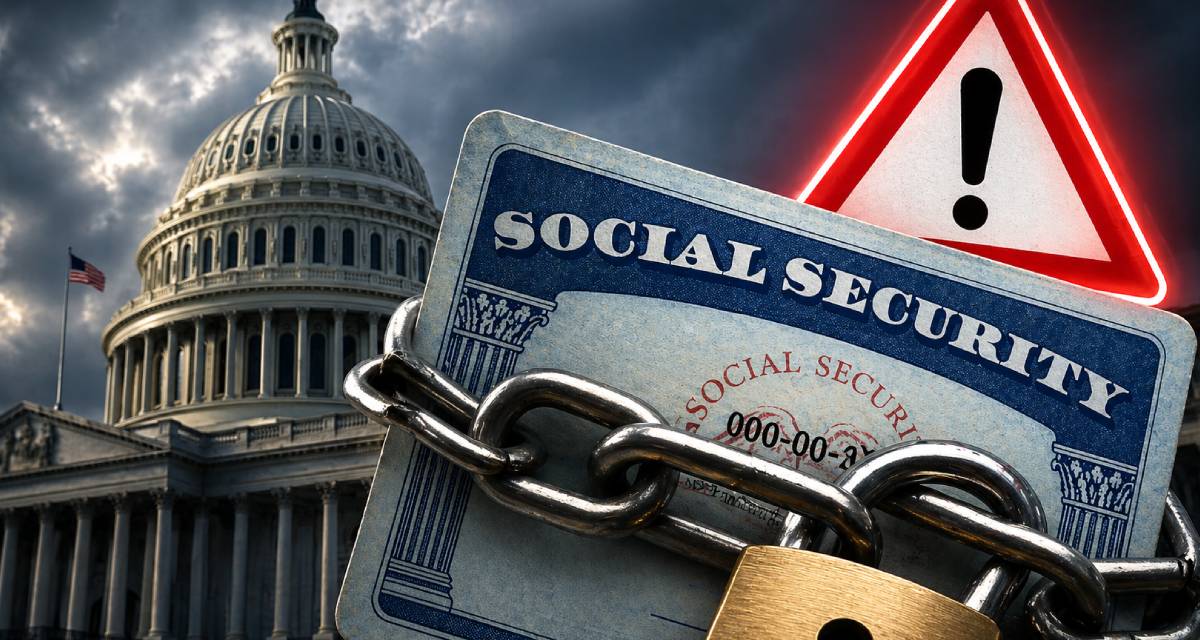
AARP has called for accountability after concerns emerged about how Social Security data was handled at the federal level. The organization warned that the personal information of millions of Americans may have been shared or stored in ways that raise serious security and privacy risks.
Because Social Security data is central to both retirement benefits and identity verification, any lapse in oversight has the potential to impact not just finances, but long-term personal security for millions of retirees and workers alike.
Why Social Security Data Matters So Much
Social Security is more than just a monthly benefit. The system tracks lifetime earnings, determines retirement payouts, and serves as a key identifier across financial and government systems.
Your Social Security number is also commonly used for banking, employment verification, credit applications, and even healthcare records, making it one of the most sensitive pieces of personal data you have.
Concerns Over Data Sharing and Storage
The controversy centers around claims that Social Security data may have been shared with outside parties and stored using third-party infrastructure. Critics argue that these practices could expose sensitive information to misuse or unauthorized access.
AARP emphasized that agencies entrusted with this data must follow strict safeguards, given the scale and sensitivity of the information involved.
Lawmakers Weigh In on Oversight
The issue has also drawn attention from lawmakers, with some questioning whether the handling of Social Security data met the standards Americans expect. The debate has shifted toward accountability and whether stronger protections are needed.
At the heart of the discussion is a broader concern about how government agencies manage sensitive personal data in an increasingly digital environment.
Why Data Exposure Is So Risky
If Social Security data falls into the wrong hands, the consequences can be severe. Identity theft, fraudulent credit accounts, and even unauthorized benefit claims are all potential outcomes.
Unlike a password, a Social Security number is difficult to change, which makes protecting it especially important for long-term financial security.
Keep Your Social Security Card Secure
One of the simplest ways to protect your information is to store your Social Security card in a safe place. There is rarely a need to carry it with you, and losing it could expose you to unnecessary risk.
Since the card does not include a photo, it is not typically required as a primary form of identification in everyday situations.
Be Careful With Documents and Requests
Shred any documents that contain your Social Security number before disposing of them, including old tax forms, pay stubs, and medical bills. These are common targets for identity thieves.
Also, never provide your Social Security number in response to unsolicited calls, emails, or text messages. Legitimate agencies will not ask for this information in that way.
What to Do If You Suspect Fraud
If you believe your Social Security number may be compromised, check your credit report for unfamiliar accounts or inquiries. These can be early signs of identity theft.
You may also consider freezing your credit and contacting the Social Security Administration if you suspect someone is attempting to claim benefits in your name. Acting quickly can limit long-term damage.