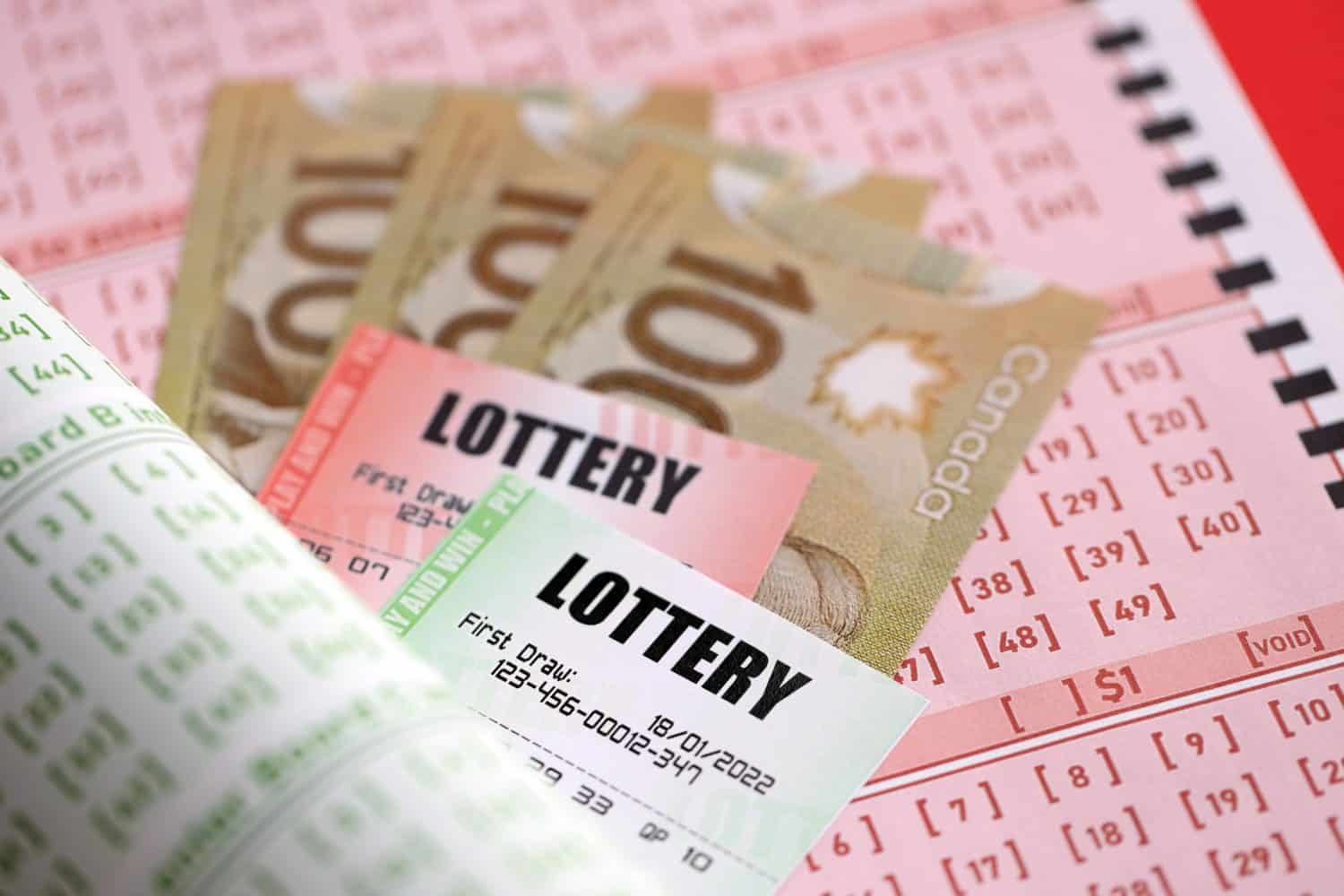
A single ticket sold in Illinois matched all six numbers in the Aug. 12, 2026, Powerball drawing, winning the eighth-largest jackpot in the game’s history. The advertised prize reached $1.04 billion, but that figure applies to the annuity. The cash option is $450.5 million, and both choices are before taxes. That gap is the first reminder that the number in the headline is not the amount a winner can start spending.
Money on this scale can erase ordinary financial worries, but it also makes every rushed decision more expensive. For retirees and near-retirees, a jackpot can overturn an estate plan, change family expectations, and create a tax situation unlike anything they have handled before. The useful question is not what a winner could buy. It is what the winner should avoid doing before the money has a chance to last.

1. Protect the Ticket, Your Privacy, and Your Decision-Making
1. Do not misplace, damage, or rush the ticket. Illinois instructs retail-ticket winners to sign the back and keep copies when filing a claim. The winning Powerball ticket must be claimed within one year of the drawing, but a winner who wants the cash option must claim within 60 days. Secure the original, photograph both sides, and do not post an image that exposes identifying information.
2. Do not tell everyone you know. Illinois winners receiving at least $250,000 may request that their name and municipality remain confidential. The written request must be made when the prize is claimed, and the law contains a Freedom of Information Act exception. That makes early privacy valuable, even if it may not be permanent.
3. Do not hire the first person offering help. Before claiming, assemble an attorney familiar with lottery and estate matters, a qualified tax professional, and a properly licensed investment professional. Verify registrations and disciplinary records instead of relying on a title, referral, or impressive sales pitch.

2. Do Not Confuse the Jackpot With Spendable Cash
4. Do not assume the lump sum is automatically the better choice. The winner can take a $450.5 million cash payment or the $1.04 billion annuity through 30 graduated payments over 29 years. The annuity limits immediate access but spreads payments and taxes over time. Cash offers more control, along with more responsibility and more opportunity to make a damaging mistake. The better choice depends on spending plans, investing ability, estate goals, age, and tolerance for risk.
5. Do not mistake withholding for the final tax bill. Federal rules require 24% withholding on qualifying lottery winnings. On a $450.5 million cash prize, that is roughly $108.1 million. Illinois also withholds 4.95%, or about $22.3 million. The 2026 top federal income-tax rate is 37%, so the amount withheld may not cover the winner’s final federal liability.
6. Do not park hundreds of millions in one ordinary bank account. Standard FDIC coverage is generally $250,000 per depositor, per insured bank, for each ownership category. A temporary cash plan should be coordinated across appropriate institutions and account structures while the longer-term investment plan is built.

3. Keep Debt, Gifts, and Family Business From Taking Control
7. Do not ignore debt, but do not pay every balance blindly. High-interest credit cards, overdue taxes, variable-rate loans, and personally guaranteed obligations deserve immediate review. A low-rate mortgage or other manageable debt may require a different calculation, especially if repayment carries penalties or creates tax consequences. Make a complete debt list and decide what to eliminate with the tax and legal plan in view.
8. Do not become the family’s unlimited bank account. Buying houses, paying recurring bills, and making open-ended promises can create permanent expectations. Gifts can also trigger reporting. For 2026, the federal annual gift-tax exclusion is $19,000 per recipient. Giving more does not automatically produce a tax bill, but it may require Form 709 and can reduce the amount available under the lifetime gift and estate-tax exemption.
9. Do not bankroll every business idea. A friend’s restaurant, a relative’s real-estate deal, or a stranger’s cryptocurrency pitch does not become sound because the winner can afford the check. Require written plans, independent due diligence, formal contracts, and a firm limit on how much of the fortune can enter speculative or private deals.

4. Do Not Build a Lifestyle the Money Cannot Carry
10. Do not throw out the budget. A private jet, yacht, mansion, and large entourage bring recurring costs for staff, repairs, insurance, taxes, and security. The purchase price is only the first bill. Set an annual spending limit, separate one-time purchases from ongoing commitments, and test whether the plan can survive poor investment years. Retirees should also reserve money for housing, healthcare, and possible long-term care rather than assuming the jackpot makes those costs irrelevant.
11. Do not give the entire fortune away. Generosity can be planned without creating financial vulnerability. Large charitable gifts should be reviewed for tax treatment, timing, and the recipient organization’s status. A structured giving plan can support causes over many years while preserving money for the winner, a spouse, children, and future emergencies.
12. Do not assume wealth places you above taxes, contracts, or the law. Tax avoidance schemes, informal loans, careless guarantees, and reckless behavior can destroy money as efficiently as luxury spending. Update the will, powers of attorney, healthcare directives, trusts, insurance, and beneficiary designations. The fortune should have rules for incapacity and death before family members are forced to make those decisions during a crisis.