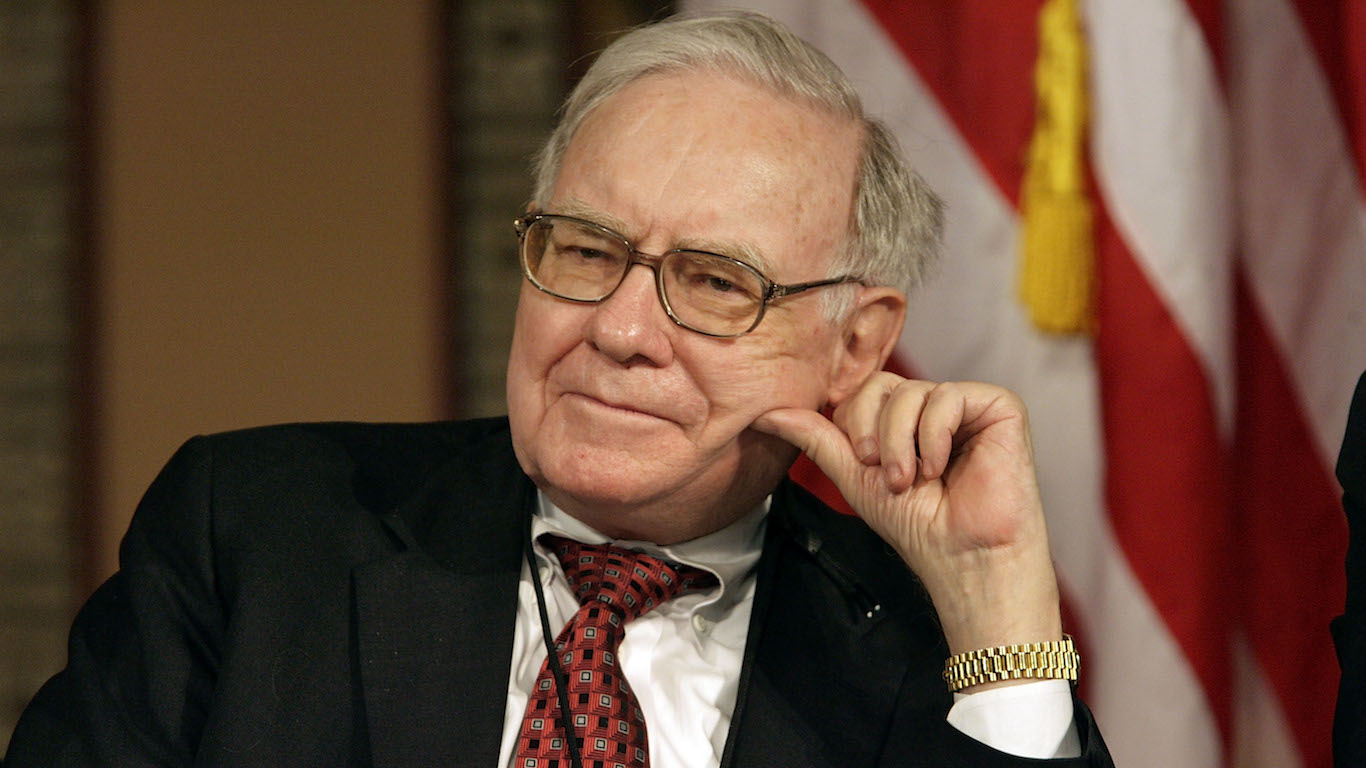
Warren Buffett stepped down as the CEO of Berkshire Hathaway at the end of 2025, closing out one of the most storied runs in investing history.
The good news is that even in retirement, Buffett isn’t slowing down as his November 2025 shareholder letter carried the same plain-spoken wisdom that helped him build Berkshire into a trillion-dollar company, and a good chunk of it directly applies to anyone who is managing a retirement portfolio in 2026.
What makes this advice useful for retirees is that it was never built for chasing returns, it was built for protecting capital and avoiding mistakes that are hard to recover from once a paycheck stops refilling the account. Here is the advice retirees should be taking directly from it.
Don’t Sweat Normal Stock Volatility
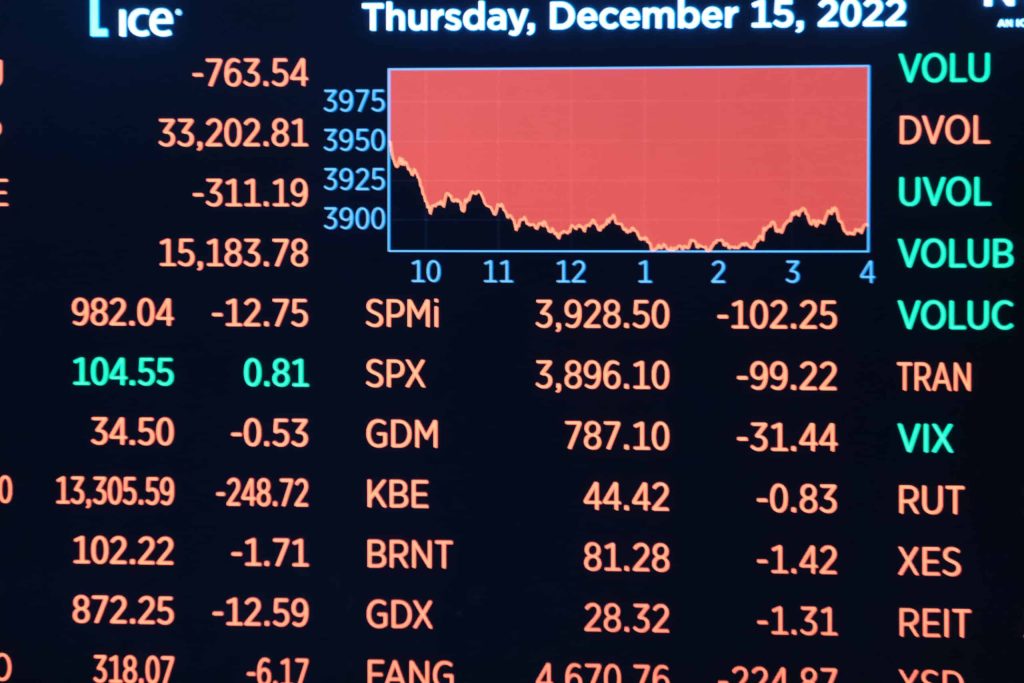
Even a portfolio built around stable, blue-chip holdings will occasionally drop sharply. Buffett has pointed out that even Berkshire’s own stock has fallen roughly 50% three separate times over the past 60 years. The lesson isn’t to avoid that risk, but to expect it and stay put rather than react to it.
For a retiree, the instinct to sell during a bad quarter is understandable, but it usually locks in the loss rather than avoiding it. Staying invested through normal volatility beats trading around it almost every time.
Set a withdrawal plan that doesn’t depend on guessing market timing, and keep enough cash or short-term bonds so that you are never forced to sell stocks at a low point to cover bills. If you can’t sit through a drawdown calmly, that is a signal to bring in an advisor, not to abandon the plan.
Stay Inside Your Circle of Competence

Buffett’s rule here is simple: if a business is hard to understand after 20 minutes, skip it. The thing is, Buffett has never been one to feel obligated to have an opinion on every trend or stock story making headlines, and this is the kind of discipline that has helped him stay out of trouble throughout the last few decades.
If you are a retiree, what this means is that you don’t need to be exposed to every theme the market gets excited about. Whether it’s AI, crypto, or whatever comes next, a retirement portfolio won’t necessarily be rewarded for breadth of speculation. Instead, it’s going to be rewarded for durability.
Before adding anything new to your holdings, Buffett’s advice should help you ask whether you could explain in plain terms how a company actually makes money. If you can’t, then you have your answer. Sticking to businesses and income strategies you genuinely understand is one of the simplest ways to keep a retirement account out of trouble.
Always Invest With a Margin of Safety

The math of a margin of safety is straightforward: buy something for meaningfully less than what it’s actually worth, and you have a cushion if things don’t go as planned. Buy it at a price that already assumes everything goes right, and you have no room for error.
This matters more in retirement because losses can be unforgiving, as a 25% decline might require a 33% gain just to break even. A 50% decline might need a full double in your return, and while younger investors have decades of future income to absorb this kind of math, retirees largely do not.
This is why avoiding the big losses matters more than chasing the big wins. In practice, this should mean a retiree will want to favor quality over quantity, with income-generating holdings that aren’t priced for perfection, rather than reaching for whatever has the highest recent return or the loudest hype around it.
Think Like an Owner, Not a Trader

Buffett’s advice here is to treat your holdings like ownership stakes in real businesses, not just numbers that are flashing on a screen. You wouldn’t price your house every morning or call an appraiser weekly just because you could, so there is little reason to treat a stock portfolio any differently.
Retirees who are drawing from a portfolio should reframe the emotional temperature in a considerable way. Checking an account during a volatile time in the market isn’t going to lead to better decision-making, it’ll mostly just result in anxiety or, worse, panic selling.
A more practical version of this rule is to pick a fixed schedule, say once a month or once a quarter, and review your holdings in detail, and resist checking the balance in between. A portfolio that is built around durable, dividend-paying businesses is far easier to hold with this mindset, since the case for owning it rests on steady cash flow rather than yesterday’s price.
Favor Businesses With Real Competitive Advantages

Shutterstock ID: 1721927320, Photographer: create jobs 51
Buffett looks for what he calls a “moat,” or something that protects a business from competitors chasing its customers or its margins, whether that’s a strong brand, a cost advantage, or a network effect. The real payoff of a moat price is pricing power in that the ability to raise prices can be done without losing a lot of business, which in turn protects profits even when costs rise elsewhere.
This is a useful, concrete filter for retirees who are building income, and pricing power tends to show up downstream as consistent earnings and dependable dividends, even during inflationary stretches or recessions. Businesses without a moat are more exposed to competitors and more likely to cut payouts when conditions get difficult.
If a retiree is screening dividend payers, they should look past the current yield and, based on Buffett’s advice, ask whether the company could raise prices tomorrow without losing customers. The answer says more about how safe the dividend actually is than the yield number does.
Once You Own Something Good, Let It Run

Shutterstock ID: 524430121, Photographer: Vintage Tone
Once Buffett owns a quality business, he tends to hold it indefinitely rather than trade in and out looking for something marginally better. His reasoning is that selling only creates the new problem of finding something better to put the money into, and if nothing beats what you already own, there is no urgency to move it.
For retirees, this argues against constantly tinkering with a portfolio that’s already doing its job. Selling a solid, income-producing holding to chase a flashier recent return usually trades a known quantity for an unknown one, and it can trigger taxes or fees in the process.
Before making any changes, a retiree should ask what specifically has gotten worse about the business that you already own, not just what else looks exciting right now. If the answer is nothing, that’s arguably reason enough to leave things alone.
Learn From Mistakes and Let Them Go

Buffett’s view on mistakes is refreshingly low-drama: “Don’t beat yourself up over past mistakes, learn at least a little bit from them and move on. It is never too late to improve.” It’s a useful line for anyone carrying guilt over an old financial decision.
If a retiree carried credit card debt too long, sold an investment at the wrong time, or didn’t save aggressively early on, the productive move isn’t endless regret, it’s identifying what actually led to the decision and adjusting from there.
The same advice applies inside a portfolio as doubling down to “win back” a loss is usually how one bad decision becomes two. A retiree should write down what they would do differently, set a guardrail to prevent repeating it, and then redirect that energy toward the plan in front of them rather than the one behind them.
Don’t Let Money Become the Whole Point

Shutterstock ID: 696138958, Photographer: ElenaR
Buffett has been consistent that accumulating money was never the actual goal. “Greatness does not come about through accumulating great amounts of money,” he’s written, and the point applies just as well to a comfortable retirement as it does to a fortune.
For retirees, this is worth taking literally, not just as a nice sentiment. The portfolio matters because it funds the years ahead, not because the balance itself is the prize. If you find yourself anxiously monitoring account values at the expense of time with family, travel, or hobbies you’ve earned, it’s worth correcting right now.
Retirees should perform a simple gut check and decide what “enough” actually looks like for their lifestyle, and then automate income so it requires minimal daily attention, and spend the remaining time doing the things money was supposed to make possible in the first place.