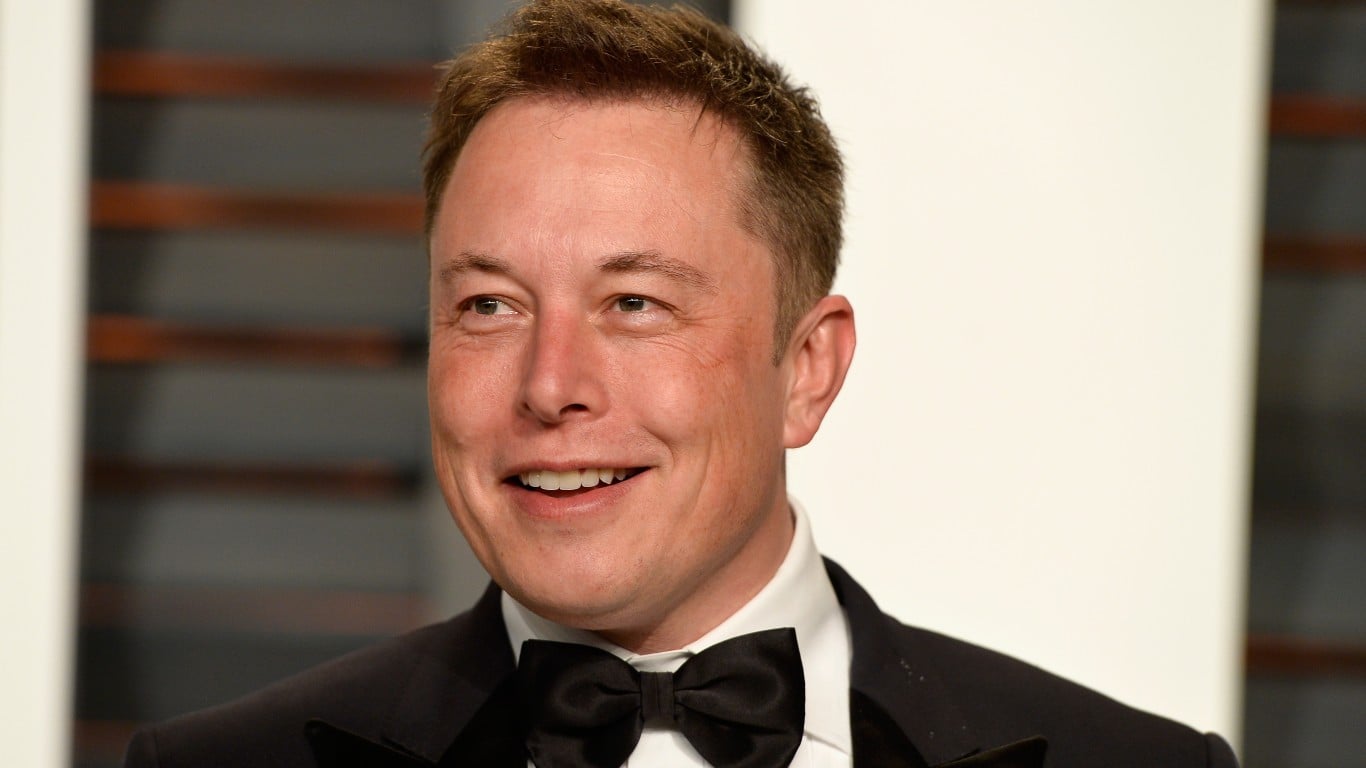
Tesla (NASDAQ: TSLA | TSLA Price Prediction) CEO Elon Musk wants the Terafab moving at “light speed,” according to reports describing unusually urgent requests for equipment quotes from major semiconductor suppliers. The ambition is enormous: create a domestic chipmaking network capable of supporting Tesla vehicles, Optimus robots, xAI data centers, and SpaceX systems. Yet investors should distinguish between an accelerating procurement effort and an operating factory. Terafab is real, but its highest costs, production volumes, and technological milestones remain proposals rather than completed achievements.
What Musk Is Trying to Build
Musk publicly launched Terafab in Austin on March 21, 2026, presenting it as a semiconductor initiative shared across his companies. The long-term vision combines chip design, logic fabrication, memory, advanced packaging, and testing—activities normally divided among several specialized companies and locations. Musk has discussed eventually producing enough chips to support one terawatt of computing capacity annually. That is an aspiration, however, not a verified production forecast. Terafab currently represents a planned manufacturing ecosystem rather than a completed, fully integrated factory.
Terafab Actually Involves Two Texas Sites
One important correction is that Tesla’s Austin research fab and the proposed mass-production complex are not the same facility. Tesla has begun work on a smaller research fab at Giga Texas, where engineers could manufacture experimental chips and shorten the cycle between design, testing, and revision. The much larger production complex is proposed for Grimes County, northwest of Houston, under SpaceX’s name. Tesla’s first-quarter update confirms progress on semiconductor manufacturing in Austin, but does not establish that commercial-scale production is imminent.
The Potential Cost Has Escalated Sharply
Terafab was initially discussed as an investment of approximately $20 billion to $25 billion. Grimes County documents subsequently placed the proposed first phase near $55 billion, while a complete four-phase buildout could reach $119 billion. Those figures describe potential development, not capital already committed or spent. Grimes County has approved property-tax relief, while two local school districts have advanced agreements that could provide another $1.66 billion in incentives. Final costs will depend on the facility’s size, equipment purchases and whether every proposed phase is constructed. (Houston Chronicle)
Why Tesla Wants More Control Over Its Chips
Tesla’s AI roadmap depends on specialized processors for Full Self-Driving, Robotaxi, Optimus, Dojo, and future data-center systems. The company currently relies on experienced manufacturers including Taiwan Semiconductor and Samsung, with Micron among its memory suppliers. Terafab could eventually reduce supply constraints and let engineers optimize chips for Tesla’s specific workloads. It would not eliminate those partnerships soon. Tesla lacks large-scale semiconductor manufacturing experience, and its next chip generations will still require outside foundries while the research fab is developed and any production facility is built and qualified.
Intel Provides a Roadmap—But Not a Shortcut
Musk said Tesla intends to use Intel’s forthcoming 14A manufacturing process, potentially making Tesla the technology’s first major outside customer. Intel, however, initially declined to confirm the commercial details, leaving questions about contracts, equipment ownership, and operating responsibilities. Intel says 14A could deliver 15% to 20% better performance or 25% to 35% lower power use than 18A, with up to 30% greater transistor density. Those are Intel’s targets, not Terafab results, and high-volume 14A production is not expected before approximately 2029. (Intel, Reuters)
AI5 Shows Design Progress, Not Manufacturing Mastery
Tesla reached an important milestone in April when its AI5 inference processor completed tape-out, meaning the finalized design was delivered for manufacturing. TSMC and Samsung are expected to fabricate the chip, with meaningful volume production targeted for 2027. AI5 demonstrates that Tesla’s internal engineering team can design sophisticated custom silicon, strengthening the strategic case for Terafab. Designing a chip and manufacturing it economically are very different disciplines, however. A competitive foundry must repeatedly produce high yields across thousands of process steps while controlling contamination, defects, power consumption, and equipment downtime.
Tesla’s Finances Can Support Investment—Up to a Point
Tesla reported first-quarter revenue of $22.39 billion, a 21.1% GAAP gross margin, and $1.44 billion in free cash flow. It ended the quarter with approximately $44.7 billion in cash and investments, but raised its 2026 capital-expenditure forecast above $25 billion as it funds AI infrastructure, Cybercab, Optimus, energy products, new factories, and semiconductor development. Management also warned that free cash flow could turn negative during the remainder of the year. These numbers show Tesla can finance its Austin research effort, but there is no indication it could—or intends to—fund a possible $119 billion buildout by itself. (Tesla Q1 update)
What Terafab Could Change for Tesla
A successful Terafab could give Tesla greater control over chip supply, performance, cost, and production schedules. Engineers could test new architectures without waiting for scarce capacity at an outside foundry, potentially accelerating improvements to autonomous driving and robotics. Sharing infrastructure across Tesla, SpaceX, and xAI could also raise utilization and spread development costs across several large computing workloads. The economics would still depend on manufacturing yield. A fab operating below capacity or producing too many defective chips can destroy capital quickly, regardless of how valuable the finished processors might eventually become.
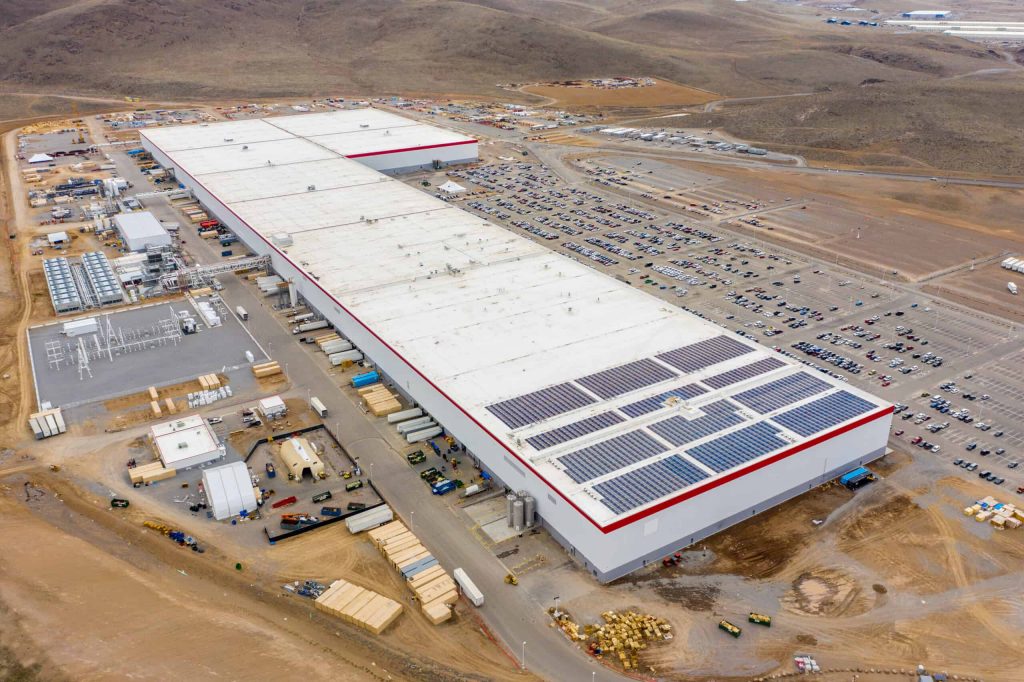
Aerial drone photo of the Tesla Gigafactory. Elon Musk moved to Texas to be nearer this factory.
“Light Speed” Does Not Eliminate Foundry Risk
Reports indicate that Terafab representatives contacted companies including Applied Materials, Lam Research, Tokyo Electron, and Samsung for rapid quotes and delivery information, sometimes offering premiums for priority. That activity demonstrates urgency, but it does not prove that equipment has been ordered, installed, or qualified. Advanced fabs require specialized tools, enormous amounts of electricity and water, experienced process engineers, and years of yield improvement. Moving procurement faster may shorten the opening stages, but it cannot eliminate technical qualification. Semiconductor manufacturing has repeatedly challenged companies with far more experience than Tesla or SpaceX. (Tom’s Hardware)
What Investors Should Watch
Terafab should currently be viewed as a long-duration strategic option, not a near-term earnings catalyst. The meaningful milestones will be finalized financing, permits, equipment contracts, specialist hiring, first test wafers, manufacturing yields, and a clear division of costs and ownership among Musk’s companies. Investors should also separate progress at Tesla’s Austin research fab from construction of the much larger Grimes County complex. If Terafab eventually manufactures competitive chips at scale, it could reshape Tesla’s AI economics. Until then, its speed should be measured through verified manufacturing milestones—not Musk’s timeline alone.