















Elon Musk Could Become a Trillionaire. Here Are 10 Outrageous Things $1 Trillion Could Buy
A trillion dollars is one of those numbers that gets thrown around in markets, government spending debates, and tech valuations so often that it almost stops meaning anything. But when you translate it into actual purchases, the scale gets absurd fast. For example, did you know that a million seconds is about 11 1/2 days, while a billion seconds is 31 years? If that isn't crazy enough, a trillion seconds is roughly 30,000 years.
From buying entire corporate giants to funding space ambitions, gold hoards, fleets of luxury aircraft, and sports empires, $1 trillion is enough money to make even billionaire spending look like pocket change. This slideshow breaks down 10 outrageous things you could theoretically buy with a trillion dollars, using real-world price anchors to show just how massive that number really is.
Your Own Space Program
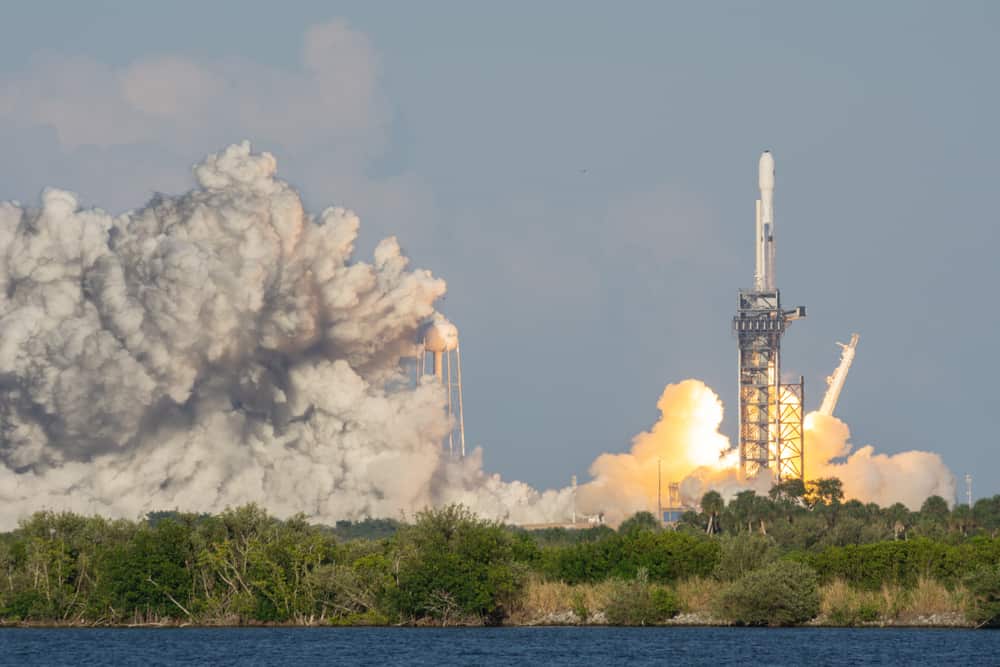
A trillion dollars would not just buy a rocket company. It would buy a space agency with patience. NASA's fiscal 2025 budget request was about $25.4 billion, which means $1 trillion could bankroll roughly 39 years of NASA-scale spending before anyone had to pass a hat around Congress. That is not a moonshot. That is a multi-decade sovereign space strategy with the check already cleared. At that run rate, you could fund Artemis-style lunar work, deep-space probes, Mars architecture, climate satellites, asteroid defense, and enough launch contracts to make Cape Canaveral feel like a regional airport.
The fun part is that this is not fantasy accounting. SpaceX, Blue Origin, Rocket Lab, and legacy defense contractors have already turned space into a capital-markets story. A trillion-dollar private program would be larger than most national industrial policies and could underwrite both the vehicles and the boring infrastructure: ground stations, propulsion labs, astronaut training, launch pads, tracking networks, insurance, and redundancy. It would also buy time, the rarest commodity in aerospace. Public programs live budget cycle to budget cycle. A trillion-dollar endowment lets you fail, test, relaunch, and keep going. You would not merely buy rockets. You would buy institutional gravity, the thing that makes a space program survive after the first press conference.
The Entire NFL, Several Times Over
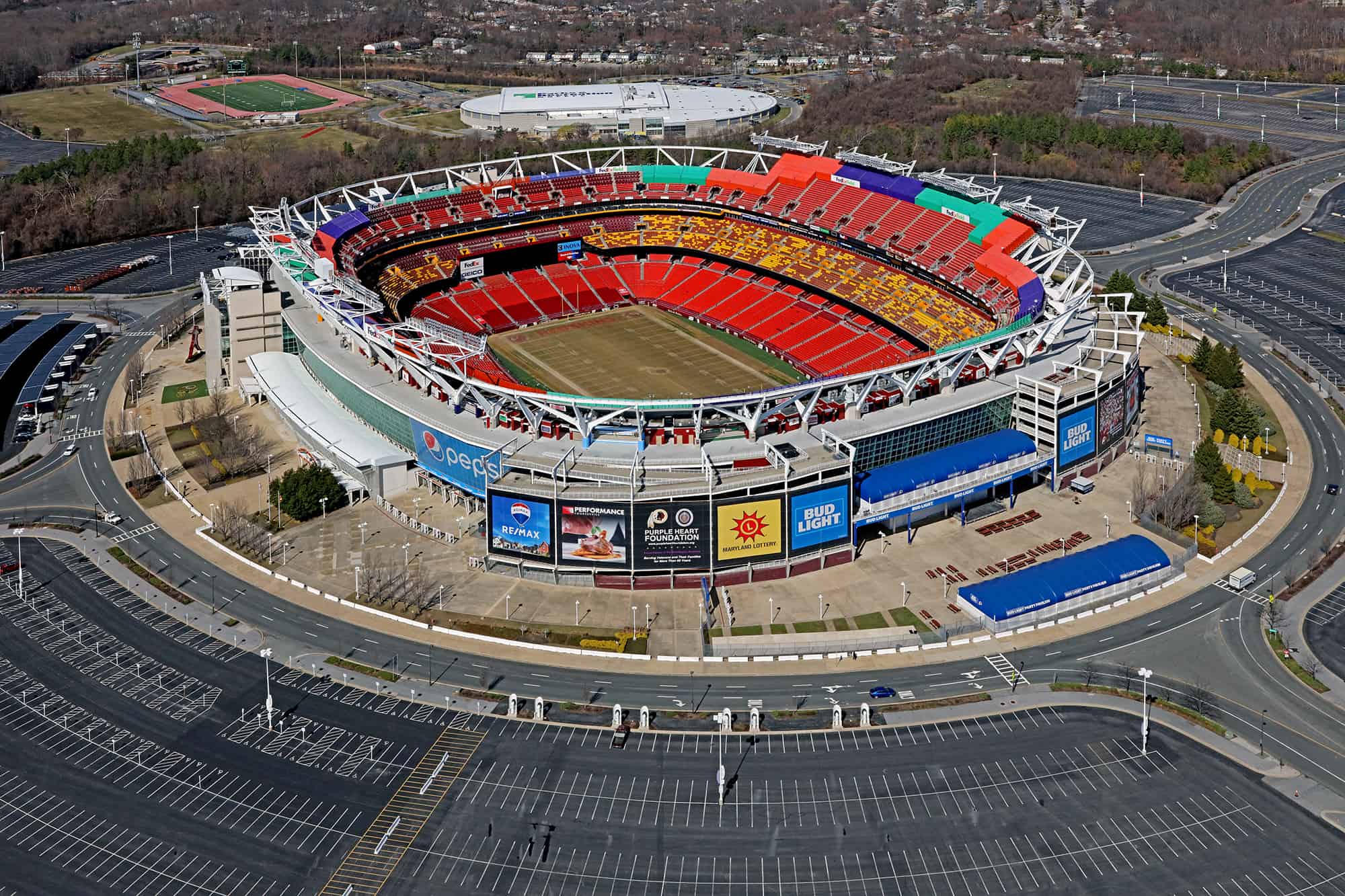
The NFL is American capitalism in shoulder pads: scarce assets, national distribution, recurring media rights, local monopoly economics, and billionaires pretending they are just fans with better seats. Forbes estimated in 2025 that the average NFL franchise was worth about $7.1 billion, with the Dallas Cowboys alone valued around $13 billion. Multiply the league's 32 teams by that average and you get roughly $227 billion. A trillion dollars could theoretically buy the entire league's equity value more than four times before you ran out of zeros. Of course, the owners would fight, antitrust lawyers would feast, and the league office would discover a new definition of "fit and proper." But as a scale exercise, it is beautiful.
One trillion dollars is not Jerry Jones money. It is Jerry Jones, Stan Kroenke, the Mara family, every small-market owner, and a mountain of change. The purchase would give you a portfolio of media machines disguised as teams, each with its own stadium economics, sponsorship inventory, local political leverage, and fan base that behaves less like customers than inherited religion. It also shows how absurd a trillion is. The NFL is the most valuable sports league in the United States, and even that is not enough to absorb one full trillion cleanly. You would need to start buying the luxury boxes, the naming rights, and maybe the referees' patience just to make a dent.
A Fleet of 3,418 Dreamliners
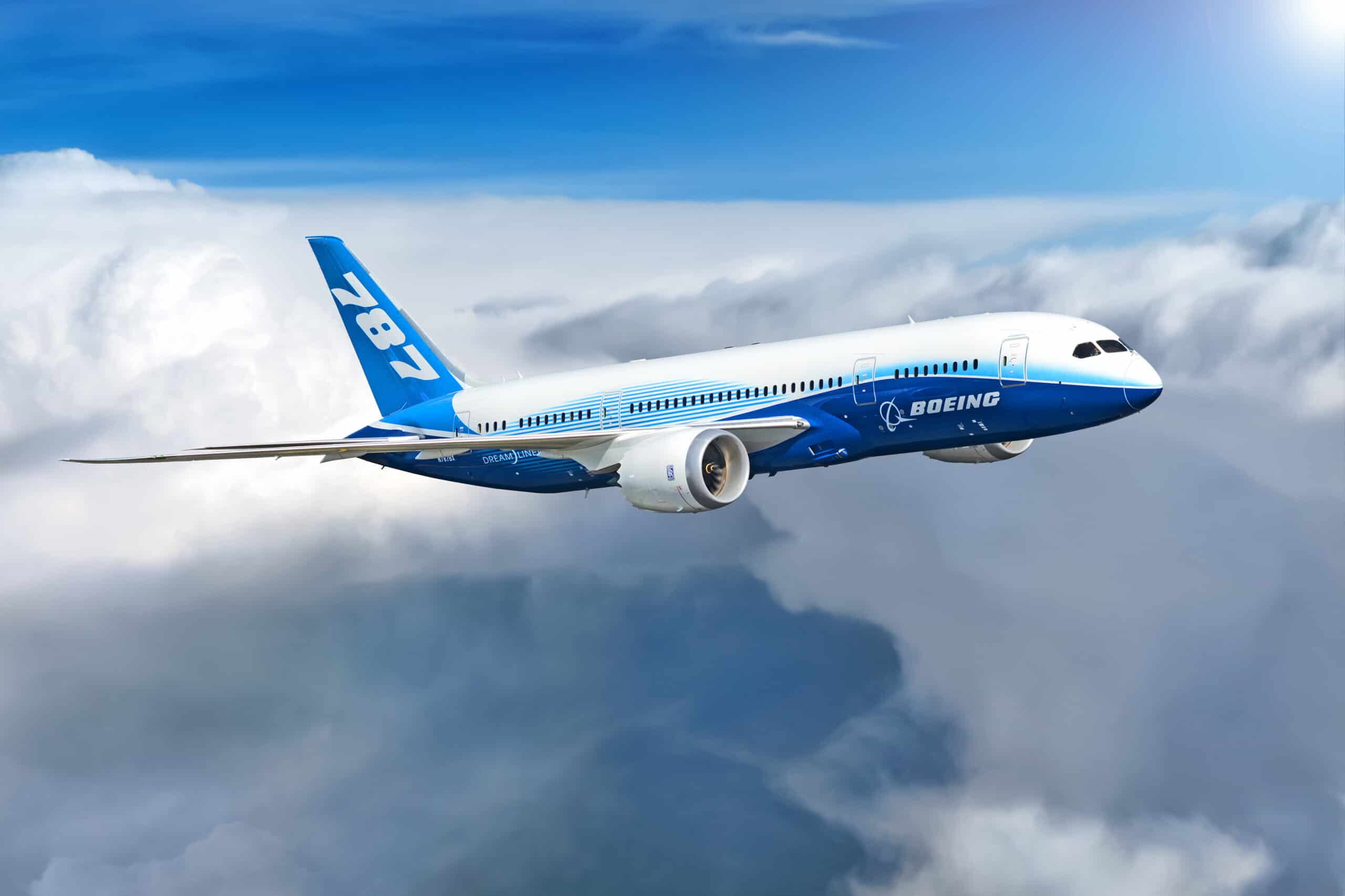
At Boeing's widely cited list-price level, a 787-9 Dreamliner runs about $292.5 million before airline discounts, custom interiors, financing games, and the usual aerospace paperwork ballet. Put $1 trillion against that sticker price and you get roughly 3,418 aircraft. That is not an airline fleet. That is an aviation empire with jet bridges. For comparison, the largest airlines in the world operate fleets measured in the hundreds, not several thousand wide-body long-haul aircraft. A trillion-dollar order would be so large it would reshape production schedules, supplier contracts, engine allocation, airport infrastructure, pilot hiring, maintenance ecosystems, and probably several bond prospectuses.
The 787-9 is built for long-haul efficiency, with composite materials and range that lets carriers connect major global city pairs without always relying on mega-hubs. Now imagine owning enough of them to run nonstop service between nearly every meaningful market on Earth and still have spare aircraft parked like a cash drag. The math is the punchline: one trillion dollars converts into a fleet so large that the aircraft become the easy part. You would then need crews, gates, maintenance hangars, flight slots, fuel hedges, and a balance sheet with the emotional stability of a central bank. Buying the planes is just the entry ticket. Operating them is where the trillion starts asking whether you brought another trillion.
A Skyline of Burj Khalifas
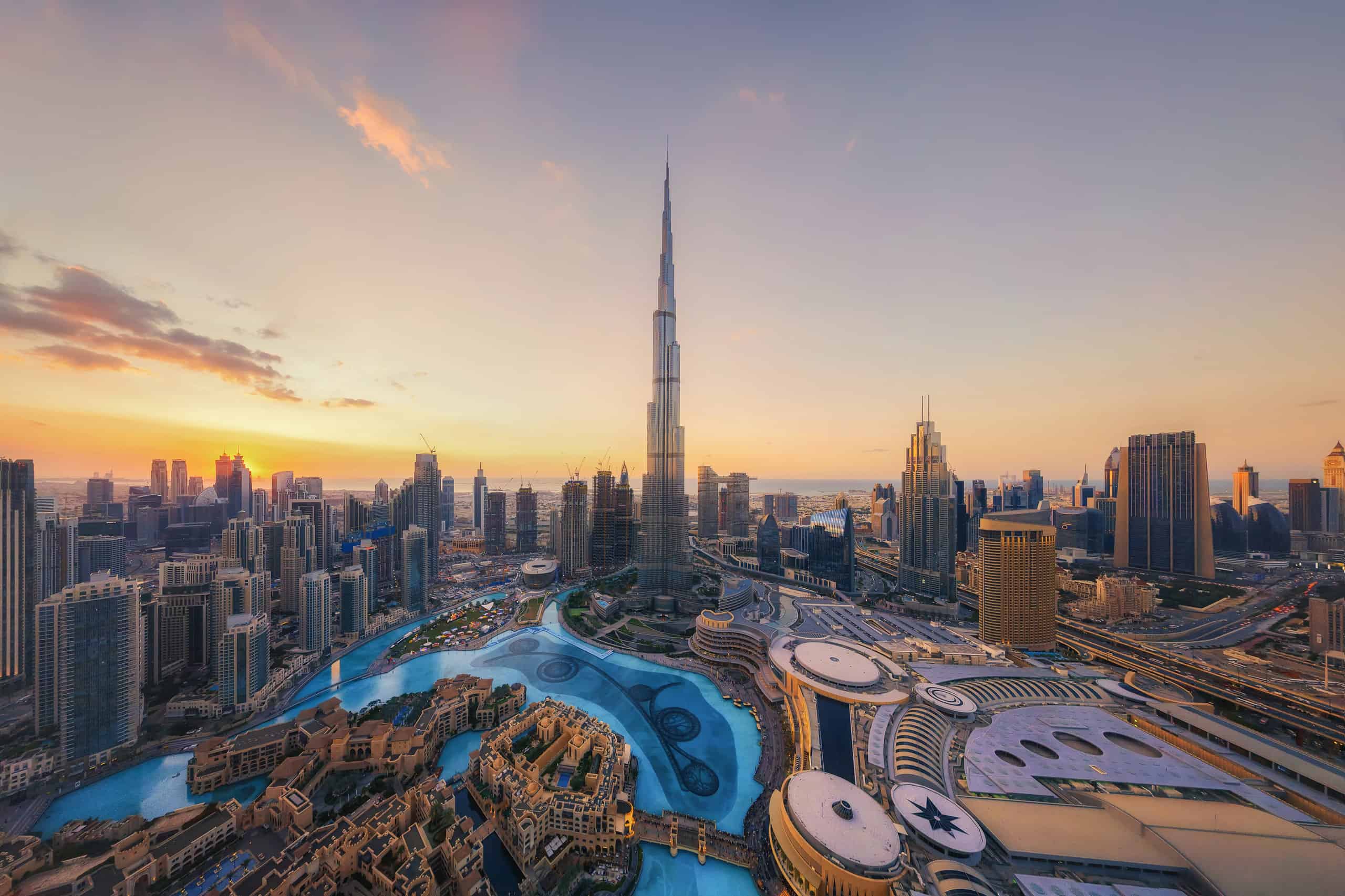
The Burj Khalifa cost about $1.5 billion to build, which feels outrageous until you put it next to $1 trillion and realize the tallest building on Earth becomes a bulk-purchase item. At that price, a trillion dollars could finance roughly 666 Burj Khalifa-scale towers. Six hundred sixty-six skyscrapers, each rising 2,722 feet into the air, would not be urban development. It would be a balance-sheet fever dream visible from orbit. The Burj Khalifa is not just a tower. It is a capitalization device: luxury residences, offices, hospitality, observation decks, brand prestige, and a massive halo effect on surrounding real estate.
Replicate it hundreds of times and you are not adding density. You are manufacturing entire city centers with their own gravity. The catch is that megaproject economics are never as simple as cost divided by budget. Land, utilities, transit, financing costs, permitting, labor constraints, materials inflation, and occupancy risk would all turn your clean spreadsheet into an expensive crime scene. Still, the comparison lands. One trillion dollars is enough to take the world's most famous vertical trophy asset and turn it into a development template. In ordinary real estate, a billion-dollar tower is a statement. With a trillion, the statement becomes a skyline, and the skyline becomes a warning label about what concentrated capital can do when it gets bored.
A Global Chain of Louvre-Level Museums
Louvre Abu Dhabi reportedly cost around $1.4 billion when you include the architecture, cultural agreement, branding rights, and the broader project economics. With $1 trillion, you could fund roughly 714 museums at that scale. That is enough to give every major city on Earth a Jean Nouvel-caliber cultural trophy and still have money left for donor walls large enough to be seen from the cafe. This is not just marble-and-glass vanity spending. Museums are soft power with air conditioning. They attract tourism, anchor real estate districts, signal national ambition, and let governments and billionaires launder money into legitimacy without calling it laundering. A trillion-dollar museum spree would buy buildings, collections, curatorial staffs, conservation labs, endowments, traveling exhibitions, naming rights, and the kind of cultural diplomacy usually reserved for states.
The Louvre Abu Dhabi model is especially useful because it shows how culture can be packaged as infrastructure: architecture, brand licensing, loans from elite institutions, and a long-term bid to create a destination economy. Multiply that by hundreds and you are no longer buying art storage. You are building a parallel cultural map of the world. The absurdity is that a single trillion could make museum patronage feel industrial. Andrew Carnegie built libraries. A trillionaire could build an art-world operating system, complete with climate control, sovereign cachet, and gift shops selling $48 tote bags.
Two Thousand Bezos Yachts
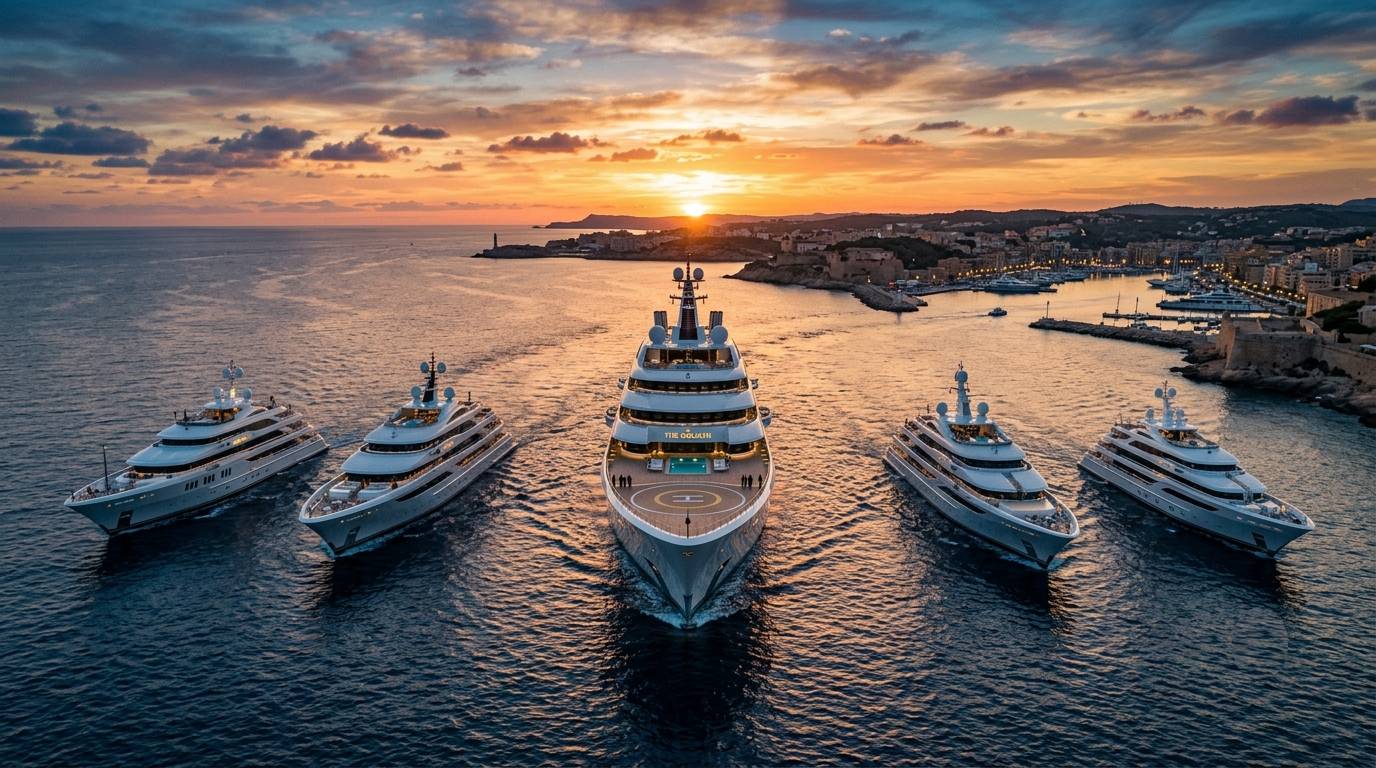
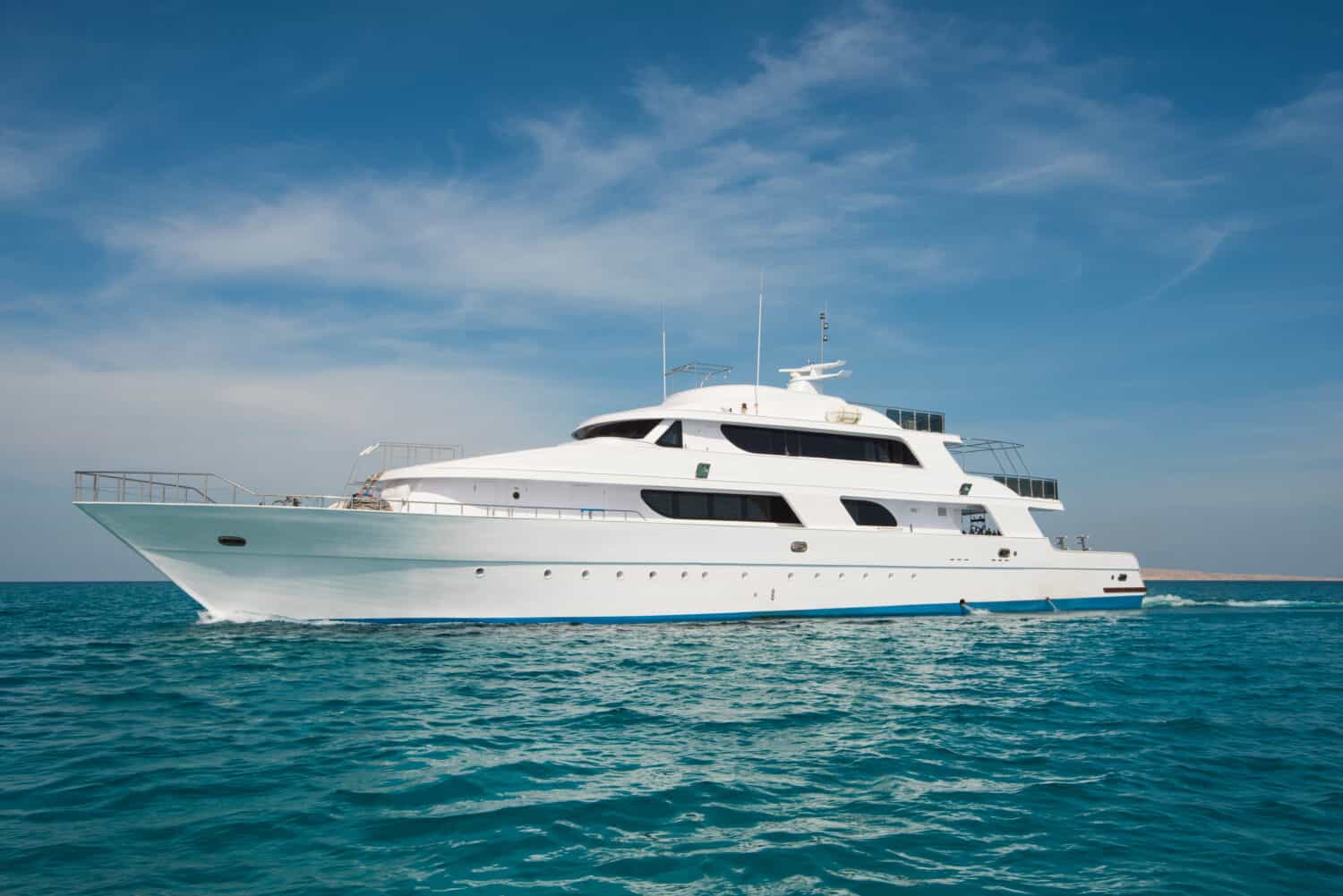
Jeff Bezos's Koru, the 417-foot sailing superyacht built by Oceanco, is widely reported to have cost about $500 million. A trillion dollars buys 2,000 of them. That is a fleet so excessive it stops being a lifestyle purchase and becomes a maritime logistics problem. Koru is already a billionaire status object with masts taller than many apartment buildings, room for guests, a large crew, and maintenance costs that reportedly run into the tens of millions per year. Now scale that to 2,000 hulls. You would need shipyards, marinas, captains, engineers, tender fleets, insurance capacity, fuel contracts, and a small diplomatic corps to explain why every harbor suddenly looks like Davos learned to float.
The key number is the price anchor. Half a billion dollars is the kind of asset that already separates the merely rich from the absurdly rich. But against $1 trillion, even a Bezos-grade yacht is only five basis points. That is the Wall Street horror-comedy of the exercise: the most ostentatious private toy in the world becomes a rounding error with sails. You could create a navy of leisure large enough to disrupt the Mediterranean, the Caribbean, and every wealth-management conference with a marina. And after buying 2,000 Korus, your accountant would still have the terrible job of explaining annual upkeep.
Two Stargate-Sized AI Megaprojects
The Stargate Project announced by OpenAI, SoftBank, Oracle, and partners was framed as a $500 billion push to build massive AI data-center infrastructure in the United States. One trillion dollars buys two Stargates. That sentence should make every utility executive, chip supplier, and municipal zoning board sit down. AI infrastructure is not just servers in a warehouse. It is land, power, cooling, fiber, substations, transformers, grid interconnection, GPUs, construction labor, water rights, tax incentives, and long-duration financing wrapped inside a technology story. A half-trillion-dollar AI buildout already sounds like a sovereign industrial plan. Doubling it turns private compute into something closer to an energy-intensive national project.
The spending would be less like buying software and more like building railroads, except the cargo is model training, inference, and corporate panic about being left behind. For a Wall Street audience, the clean read is capex velocity. A trillion dollars could create enough AI infrastructure to dominate supplier demand, alter regional power markets, and turn chip allocation into geopolitical leverage. The risk is equally grand. If demand disappoints, depreciation becomes the world's most expensive buzzkill. If demand explodes, the owner of the compute becomes a toll collector on the next technology platform. Either way, a trillion dollars does not buy a data center. It buys the right to stress-test the physical limits of the AI boom.
Nearly Three Coca-Colas
Coca-Cola is one of the great public-market monuments to brand power: syrup economics, global distribution, pricing durability, and a logo that needs no translation. Its market capitalization on June 10, 2026 was about $361 billion. A trillion dollars could theoretically buy 2.8 Coca-Colas at that valuation, before takeover premiums, shareholder lawsuits, regulatory reviews, and the reality that buying even one would require more than a neat spreadsheet. The point is not that the company is for sale. It is that a trillion dollars can stand next to one of the most recognizable consumer franchises on Earth and still look offensively large.
Coke is not some speculative app with a hockey-stick pitch deck. It is a dividend machine with more than a century of brand equity, bottling relationships, restaurant penetration, supermarket shelf space, and habit formation baked into the enterprise value. In market terms, $1 trillion is enough to buy a control position in multiple global icons, or to make investment bankers start naming conference rooms after you. The purchase would give you exposure to beverages, emerging-market consumption, pricing power, and the most valuable kind of intangible asset: a product people buy without thinking. That is the surreal scale here. A trillion dollars is not a beverage company. It is a portfolio of beverage empires, plus enough residual cash to fund the victory lap.
A Gold Hoard Bigger Than Central Banks
At a reported spot price of about $4,133 per ounce on June 10, 2026, $1 trillion would buy roughly 242 million troy ounces of gold. Convert that into metric tons and you get about 7,525 tonnes. That is not a safe-deposit box. That is a monetary monument. The World Gold Council has put total above-ground gold stock at roughly 220,000 tonnes by the end of 2025, so a trillion-dollar purchase would represent around 3.4% of all the gold humanity has ever mined and still has above ground. In central-bank language, that is heavyweight territory. In physical terms, gold is dense enough that the pile would be much smaller than people imagine, which somehow makes the number feel even stranger.
You could store a trillion dollars of gold in a relatively compact vault and still have an asset large enough to move markets, irritate policymakers, and inspire every doomsday investor within a hundred miles. Of course, actually buying that much gold without blowing out the price would be almost impossible. Liquidity is not a decorative detail. A purchase on that scale would become the market. But as a scale anchor, it is perfect. Gold is the ancient store of value, the anti-spreadsheet asset, the thing investors buy when trust gets expensive. A trillion dollars turns it from a hedge into a private monetary system with a very shiny audit problem.
A Country-Sized Economy for a Year
A trillion dollars is large enough to stand in for the annual output of a serious national economy. IMF-based 2025 nominal GDP tables put many advanced economies in the several-hundred-billion-dollar range, with only the largest countries clearing the trillion-dollar club. That means $1 trillion could roughly fund an economy on the scale of Switzerland, Saudi Arabia, or the Netherlands for about a year, depending on the estimate and exchange-rate timing. This is not the same as buying a country, because GDP is flow, not market cap, and nations are annoyingly resistant to hostile takeovers. But the comparison is useful because it turns an abstract number into macroeconomic mass.
One trillion dollars is payrolls, factories, banks, hospitals, ports, tourists, exports, taxes, apartments, software firms, supermarkets, airports, and a political class arguing over all of it for twelve months. It is enough capital to mimic the output of a wealthy state with its own currency, regulators, pension system, infrastructure backlog, and bond market. For Wall Street, that is the point. A trillion is not merely a pile of assets. It is a unit of geopolitical relevance. It can finance fiscal stimulus, rescue banking systems, rewrite defense budgets, or underwrite industrial policy. At that scale, money stops behaving like private wealth and starts acting like a parallel treasury department with better snacks.