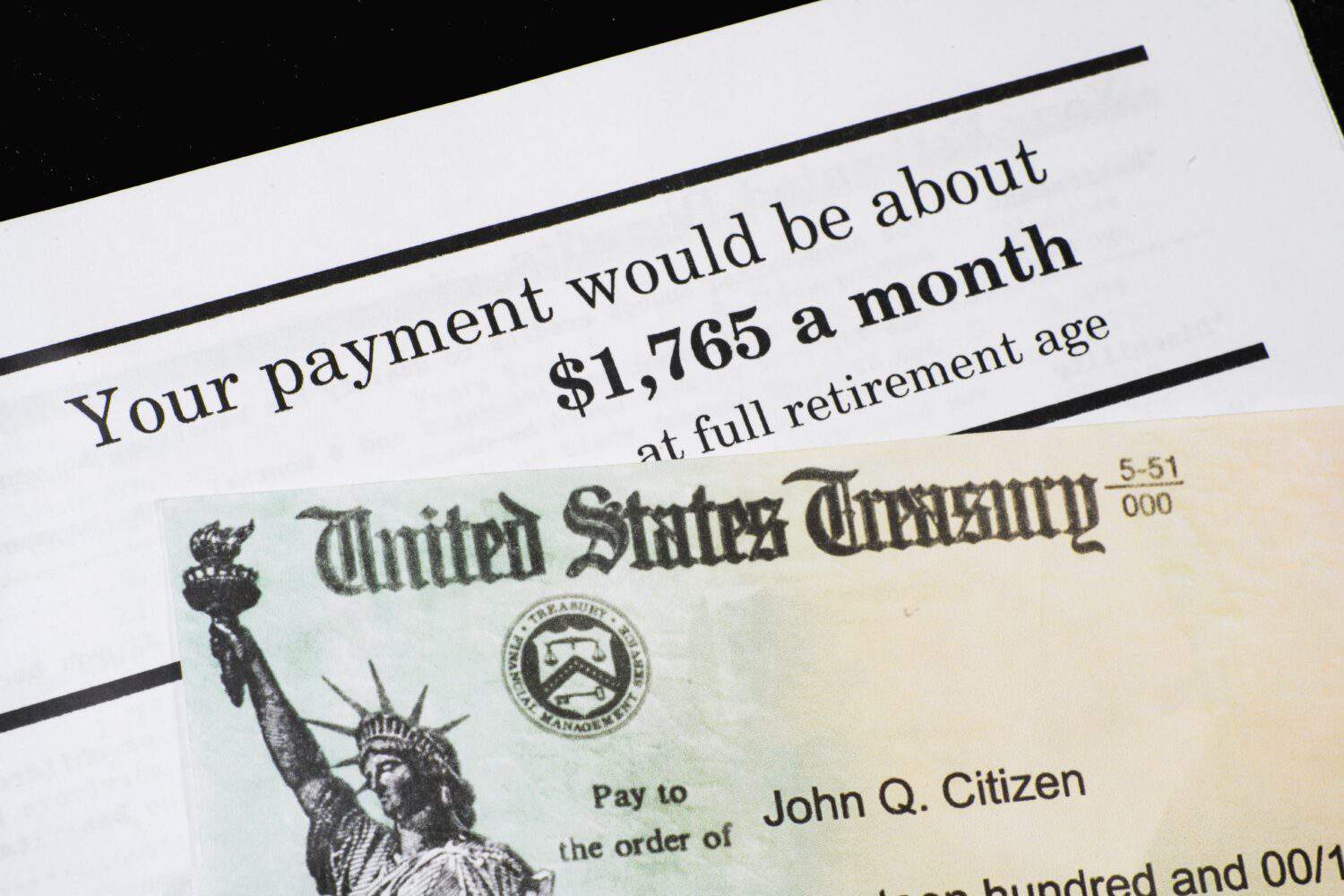
Social Security’s full retirement age has now reached its final scheduled level under current law, but the timing is easy to misunderstand. In 2026, everyone turning 62 has an FRA of 67 because they were born in 1964. The first workers assigned an FRA of 67 were born in 1960, and most of them will not actually reach that age until 2027. FRA determines when you can collect 100% of your earned retirement benefit. Claiming sooner permanently reduces the monthly amount, while waiting beyond FRA can increase it until age 70. Here is what this important 2026 milestone means for your retirement income and claiming strategy.

Full retirement age is now 67 for younger retirees
Full retirement age is the point when Social Security pays 100% of your primary insurance amount, the benefit calculated from your earnings record. It is not the earliest age you can file, since retirement benefits can begin at 62, and it is not the same as Medicare eligibility at 65. For people born in 1959, FRA is 66 years and 10 months. For anyone born in 1960 or later, it is 67. That means every worker turning 62 in 2026 falls under the age-67 rule. Claiming even one month before FRA produces a permanent reduction, while waiting beyond FRA earns delayed retirement credits that can increase the monthly payment until age 70.
Why the retirement age changed
For many years, Social Security’s full retirement age was 65. Congress changed that schedule through the Social Security Amendments of 1983, a bipartisan package intended to strengthen the program’s finances. The law raised FRA gradually rather than all at once, beginning with people born in 1938. It increased by months across later birth years, reaching 66 for those born from 1943 through 1954 and continuing upward until it reached 67 for people born in 1960 or later. No additional increase beyond 67 is currently scheduled, although lawmakers continue to debate proposals that could change the program in the future.

Social Security still faces a funding shortfall
The retirement-age phase-in helped Social Security, but it did not eliminate the program’s long-term financing gap. The 2026 Trustees Report, released June 9, projects that the Old-Age and Survivors Insurance Trust Fund will exhaust its reserves in the fourth quarter of 2032, one quarter earlier than projected last year. At that point, continuing income would cover about 78% of scheduled OASI benefits, implying a 22% shortfall if Congress takes no action. The report cites lower fertility, revised immigration assumptions, and lower projected tax revenue after the One Big Beautiful Bill Act, which became law on July 4, 2025.
What claiming at 62 can cost
You can begin Social Security retirement benefits at 62, but filing that early can substantially reduce your payment. For the first 36 months before FRA, the reduction is 5/9 of 1% per month. For any additional months, it is 5/12 of 1% per month. A worker whose FRA is 67 and who starts benefits at 62 claims 60 months early, producing a permanent 30% reduction from the full benefit amount. That lower starting point generally remains for life, although future cost-of-living adjustments still apply. Claiming early may make sense when income is urgently needed, but the long-term trade-off should be calculated carefully.

How the 2026 maximum benefits compare
Social Security’s 2026 maximum-benefit examples show how dramatically claiming age can affect monthly income. A worker who earned at least the taxable maximum every year beginning at age 22 could receive up to $2,969 per month by starting at 62, $4,152 by filing at full retirement age, or $5,181 by waiting until 70. These figures incorporate the 2.8% cost-of-living adjustment for 2026, but they are not typical payments. Most retirees earned less than the taxable maximum in at least some years and will receive smaller checks. Your own personalized estimates are available through a my Social Security account online.
Working while claiming can temporarily reduce checks
People who claim before full retirement age and continue working may also be affected by Social Security’s retirement earnings test. In 2026, someone who remains below FRA for the entire year can earn up to $24,480 before benefits are withheld. Above that amount, Social Security withholds $1 for every $2 earned. For someone reaching FRA in 2026, the limit is $65,160, and only earnings before the FRA month count; $1 is withheld for every $3 above the limit. The withheld benefits are not permanently lost. At FRA, Social Security recalculates the monthly payment to credit months when benefits were withheld earlier.

Waiting beyond FRA can increase your payment
Delaying benefits beyond full retirement age works in the opposite direction. Social Security awards delayed retirement credits of 2/3 of 1% for each month you wait, equal to 8% for a full year. Someone with an FRA of 67 can therefore raise the retirement benefit by as much as 24% by waiting until 70, before accounting for cost-of-living adjustments. Credits stop accumulating at 70, so delaying a retirement claim beyond that age does not produce a larger benefit. Waiting can be especially valuable for healthy retirees with longer life expectancies or for a higher-earning spouse whose benefit may later support a survivor.
Medicare still generally begins at 65
Social Security retirement benefits and Medicare follow separate schedules. Medicare eligibility generally begins at 65 even when your Social Security FRA is 67 and you plan to delay retirement benefits until 70. People who are not yet collecting Social Security may need to enroll in Medicare themselves during the seven-month initial enrollment period surrounding their 65th birthday. Missing that window can lead to coverage delays and lasting penalties. One major exception applies to many people covered by an active employer’s group health plan, who may qualify for a special enrollment period. Confirm the rules before delaying Part B or prescription coverage.
Choosing the right claiming age
There is no single best claiming age for every retiree. The right decision depends on your health, expected longevity, savings, employment income, tax situation, and whether your household may rely on spousal or survivor benefits. Claiming early provides income sooner but locks in a smaller monthly check. Waiting produces fewer checks at first but can create a larger inflation-adjusted payment later in life. Before filing, compare estimates at 62, FRA, and 70 through your Social Security account, then consider how each option fits your broader retirement plan. A qualified financial professional can help model the break-even points and household impact.