
As a retiree, or someone getting close to retirement, one of the most important financial decisions you will make is when to start claiming Social Security. It may seem like a simple question at first. After all, the Social Security Administration allows eligible workers to begin collecting retirement benefits as early as age 62. But just because you can start your checks that early does not always mean you should.
That is the point Suze Orman has been making for years, and it is especially important now that so many older Americans are worried about inflation, Medicare costs, and the long-term health of Social Security. Her warning is straightforward: claiming too early can permanently shrink your monthly benefit, and that smaller check could follow you for the rest of your life.
For retirees who expect Social Security to cover a large share of their monthly expenses, this is not a small detail. It could affect how comfortably you live in your 70s, 80s, and beyond. Here is what Orman is warning retirees about, why the math matters, and why claiming at 62 should be treated as a major financial decision rather than the default move.
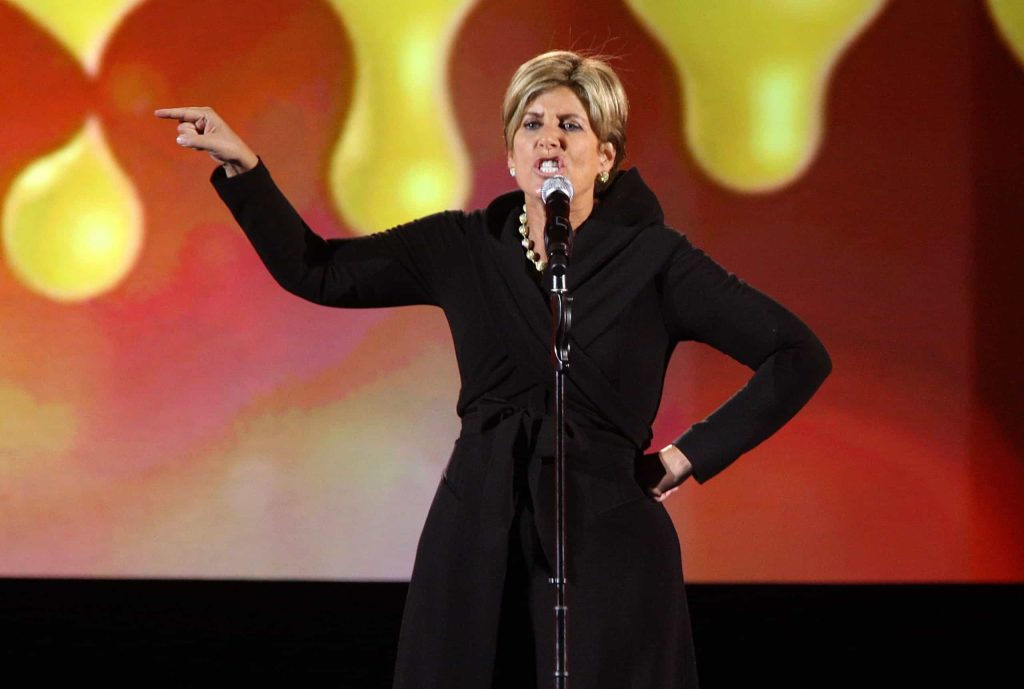
Listen to Suze Orman’s stern warning on Social Security
Suze Orman has warned retirees not to rush into claiming Social Security simply because benefits become available at age 62. In a LinkedIn post, Orman wrote, “Are you (or a family member) considering when to start claiming your Social Security benefits? It’s crucial to weigh your options carefully. While you can start claiming at 62, keep in mind that your benefit will be permanently lower than if you wait.”
That is the part many people underestimate. Age 62 is the earliest age most workers can begin collecting Social Security retirement benefits, and for some households, the temptation is obvious. If you have stopped working, lost a job, dealt with health issues, or simply need the money, a monthly check from the government can feel like a lifeline. Even people who are not in immediate financial trouble may assume they should claim as soon as they are eligible because they worry Social Security may not be as strong in the future.
But Orman’s warning is that claiming early comes with a permanent tradeoff. Every worker has a full retirement age, often called FRA. For anyone born in 1960 or later, full retirement age is 67. If you claim before that age, your monthly benefit is reduced. If you wait past full retirement age, your benefit grows through delayed retirement credits until age 70.
That means Social Security is not just a question of when the checks start. It is a question of how large those checks will be for the rest of your retirement. Claiming at 62 may give you money sooner, but it also locks in a lower base benefit. Future cost-of-living adjustments are then applied to that smaller amount, which means the gap between an early claimant and someone who waited can become even more painful over time.
The mistake many retirees make is thinking of Social Security as a short-term income decision. Orman is urging people to think about it as a lifetime income decision. A smaller check may feel manageable at 62, especially if you are still healthy, still working part time, or still have savings to lean on. But that same smaller check can feel very different at 78 or 85, when medical expenses may be higher, savings may be lower, and your ability to return to work may be limited.
There are absolutely cases where claiming early makes sense. Someone with serious health issues, no other income, or an urgent need for cash may not have the luxury of waiting. But for retirees who do have a choice, Orman’s point is that starting Social Security at 62 should not be treated as harmless. It is a decision that can reduce your guaranteed income for decades.

Why you should listen to Orman about when to claim Social Security
The biggest reason to take Orman’s warning seriously is the size of the reduction. Claiming before full retirement age triggers an early-filing penalty. For the first 36 months before full retirement age, benefits are reduced by 5/9 of 1% per month. For months beyond that, the reduction is 5/12 of 1% per month. If your full retirement age is 67 and you claim at 62, that works out to a permanent 30% reduction in your monthly retirement benefit.
Put another way, someone entitled to a $2,000 monthly benefit at full retirement age could receive only about $1,400 per month by claiming at 62. That $600 monthly difference may not sound catastrophic in a single month, but over a full year it adds up to $7,200. Over 20 years, before even accounting for cost-of-living adjustments, that difference can reach $144,000. For a retiree who depends heavily on Social Security, that is not a minor haircut. It is a major loss of lifetime income.
Waiting can also work in the other direction. If you delay benefits beyond full retirement age, delayed retirement credits increase your check by 2/3 of 1% per month, or 8% per year, until age 70. For someone with a full retirement age of 67, waiting until 70 can increase the monthly benefit by 24% compared with claiming at full retirement age. Compared with claiming at 62, the difference can be dramatic.
This matters even more because Social Security is one of the few retirement income sources that is guaranteed for life and adjusted for inflation. Stocks can fall. Savings can run low. Part-time work may not always be possible. But Social Security continues as long as you live. That makes the size of the monthly check especially important for retirees who may spend 20, 25, or even 30 years in retirement.
The stakes are also higher for married couples. If the higher-earning spouse claims early and locks in a reduced benefit, that decision can also affect the survivor benefit available to the other spouse. In many households, one spouse outlives the other by years. A larger Social Security check can help protect the surviving spouse from a sudden drop in household income after one benefit disappears.
The 2026 retirement backdrop makes this warning even more relevant. Social Security beneficiaries received a 2.8% cost-of-living adjustment for 2026, raising the average retired-worker benefit by about $56 per month. That sounds helpful, and it is, but Medicare Part B premiums also rose to $202.90 per month in 2026. Because Part B premiums are deducted directly from many retirees’ Social Security payments, the raise many retirees actually feel in their monthly budget may be smaller than the headline COLA suggests.

That is why locking in a smaller benefit at 62 can be so costly. A lower starting benefit means every future COLA is applied to a smaller number. If your expenses keep rising because of health care, housing, groceries, insurance, and utilities, a reduced Social Security check may become harder to stretch each year. The problem is not just that you get less money today. It is that your future inflation adjustments are also built on a lower base.
Some retirees argue that claiming early is safer because Social Security faces long-term funding problems. That fear is understandable, but it can also lead people into a rushed decision. Social Security is under financial pressure, but that does not mean the program is disappearing. Payroll taxes continue to fund benefits, and lawmakers still have time to address the shortfall. Claiming early out of panic could leave retirees with a permanently smaller check even if Congress eventually makes changes to stabilize the system.
Orman’s message is not that everyone must wait until 70 no matter what. Personal health, savings, debt, family needs, job status, and life expectancy all matter. But her warning is that retirees should not claim at 62 simply because they are eligible, nervous, or tired of waiting. The choice should be made after looking at the long-term math.
For many retirees, delaying Social Security can be one of the most powerful moves available. A larger guaranteed check later in life can provide stability when other sources of income may be less reliable. If you can afford to wait, Orman’s warning is worth taking seriously: claiming early may solve a short-term income problem, but it can create a long-term retirement problem that is much harder to fix.
Editor’s note: This article was updated to include current 2026 Social Security and Medicare figures, including the 2.8% Social Security cost-of-living adjustment, the estimated $56 increase in the average monthly retired-worker benefit, the current full retirement age of 67 for people born in 1960 or later, and the 2026 standard Medicare Part B premium of $202.90 per month.