






The Presidents Who Oversaw America’s Lowest Poverty Rates
Poverty remains one of the most important measures of America’s economic health. The official U.S. poverty rate was 10.6% in 2024, according to Census historical poverty tables, but the rate has shifted widely over time depending on inflation, employment, wages, government benefits, recessions, and broader economic conditions.
My Investment News looks at the presidents who oversaw the lowest poverty rates in modern U.S. history. Because the Census Bureau’s official poverty data series begins in 1959, this ranking focuses on the presidents whose terms overlap with comparable annual poverty-rate data. It is important to note that presidents do not control poverty rates alone, but their administrations often coincide with major tax, labor, welfare, housing, and economic policies that shape household finances.
The issue has also drawn international attention. In 2017, the United Nations Special Rapporteur on extreme poverty visited parts of the United States, including Alabama, and raised concerns about severe poverty and sanitation conditions in some communities. Looking at poverty rates by presidency helps show when conditions improved, when they worsened, and how economic gains have not always reached every American equally.
Background on Poverty in America
Reports show that over 40 million people in America live in poverty, with more than five million living in "Third World conditions". Since the 2008 financial crisis, the number of people living in poverty has increased, approaching the same levels it was in the 1960s that motivated politicians to launch the War on Poverty. But our politicians today seem hell-bent on making the situation far worse instead of fixing it like their predecessors.
In fact, around 50% of the entire population in America qualifies as poor, by economic standards. This includes one in five millennials who live in poverty.
In 2020 alone, more than eight million Americans were forced into poverty, in part due to the high number of people who have to work low-wage jobs (23% in the U.S. compared to 5% in Italy, for example). This is primarily due to the work of the two political parties (Democrats and Republicans) and their implementation of neoliberal policies that "have rendered economically marginalized communities as destitute surplus populations in need of control and punishment".
In other words, modern capitalist policies (neoliberal) have not only forced more people into poverty but also forced those in power to view them with contempt, making it harder to fix.
This has forced economists and human rights activists to conclude that such high levels of poverty in the United States is a policy choice. It is not actually in the interest of "free" markets to eliminate the impoverished or the extremely poor. The system works better when there is a large population of people on the brink of homelessness and starvation.
Modern policies reinforce this conclusion. Over the last 40 years, many of the social safety nets and welfare policies have been rolled back or eliminated altogether. Many more are seeing a reduction in who is eligible and the amount of benefits being given. Sociologist Matthew Desmond says that the poverty rate in our country has not improved at all in "half a century". (Around 11% of the country lived in poverty in 2019, while 12% lived in poverty in 1970). The effect is compounding poverty.
With no universal childcare, universal healthcare, a fair minimum wage, strong worker protections, and a cultural disdain for the poor, once a family is forced into poverty, it is nearly impossible to escape it in the United States.
Information on this List
Official numbers on poverty and other social characteristics were not calculated, and are therefore not available or reliable, before 1959. For that reason, we only include the presidents since then.
However, it should be noted that most of the population lived in poverty until the Industrial Revolution, but remained high until World War II, which dropped sharply before rising to a new high immediately after the war. It dropped gradually before settling in the 1960s and 1970s at the rate it has kept to ever since with occasional fluctuations.
Additionally, experts agree, with more than 50 years of research, that the sitting president actually has very little influence on the economy and that there is little evidence that the president can do much to change poverty rates, income growth, and unemployment. Any significant changes have usually come from laws passed by Congress that make systemic changes. Also, any benefits from systemic changes are usually delayed before they are seen on a societal level, with a couple of years between implementation and any real change in poverty.
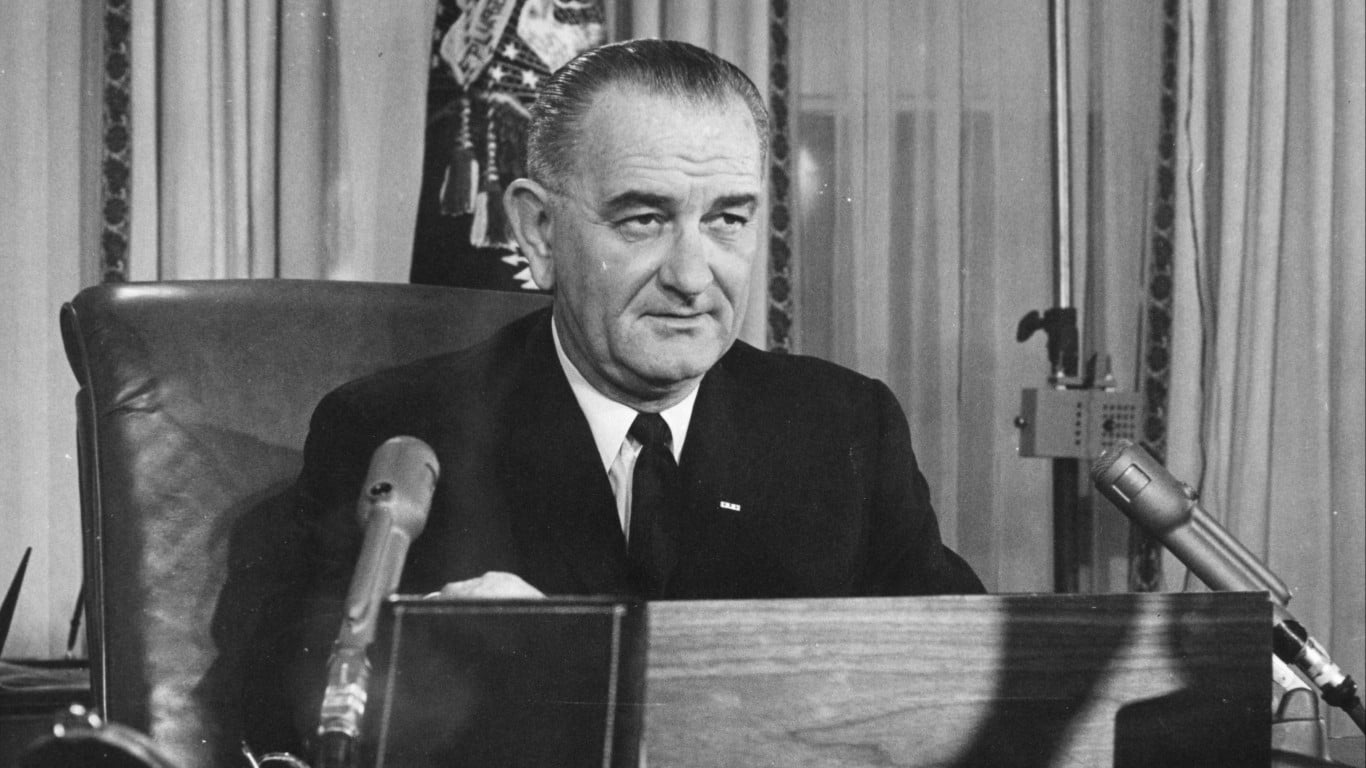
11. Lyndon B. Johnson
Poverty rate: 14.8%
Due to high poverty rates, Johnson began the War on Poverty in 1964, which included several programs and initiatives meant to address poverty from a handful of different angles. Among them were the Economic Opportunity Act of 1964 (which was opposed by local and national politicians), the Housing and Urban Development Act of 1965, urban renewal programs, the Housing and Urban Development Act of 1968, and more.
When Johnson took office, the poverty rate was around 20% but eventually fell to 12% as a result of these efforts.
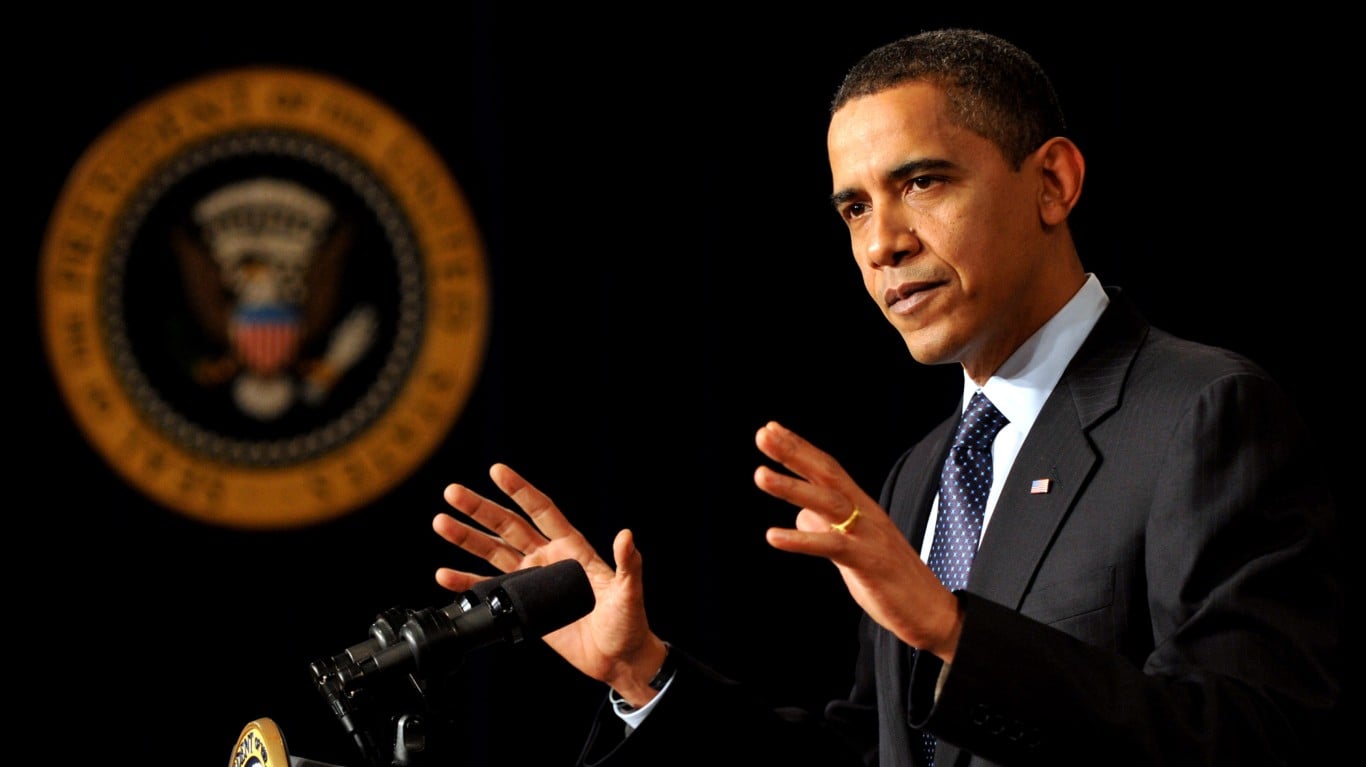
10. Barack Obama
Poverty rate: 14.7%
Obama took over the economy that was struggling to recover from the 2008 financial crisis and was entering the Great Recession.
Unemployment reached its peak in 2009 but gradually fell to 4.7% in 2016. Obama passed legislation that reduced the tax rate to its lowest level in 60 years, increased the minimum wage, established the Affordable Care Act, and more. All this contributed to a poverty rate that decreased gradually throughout his presidency and lifted millions out of poverty.
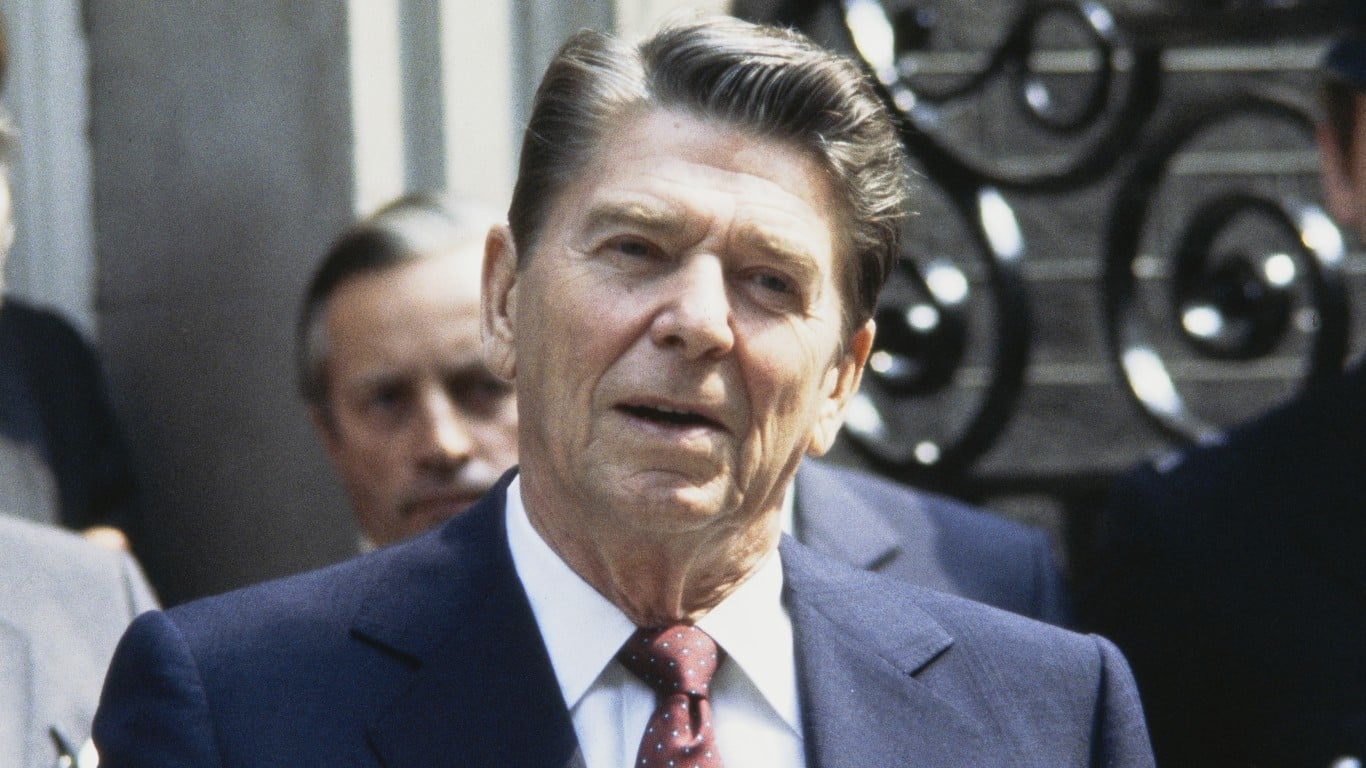
9. Ronald Reagan
Poverty rate: 14.1%
Reagan was particularly hostile toward organized labor and worker unions, even firing thousands of striking employees himself. He implemented a number of strong neoliberal policies that not only strengthened the power and wealth of corporations and the rich but also weakened the power of employees and the poor. Reagan passed a handful of tax bills that reduced taxes for the rich.
The economy was suffering from high unemployment and inflation. It recovered a little after Carter left office, but quickly fell into a recession with Reagan. The number of homeless exploded during his presidency.
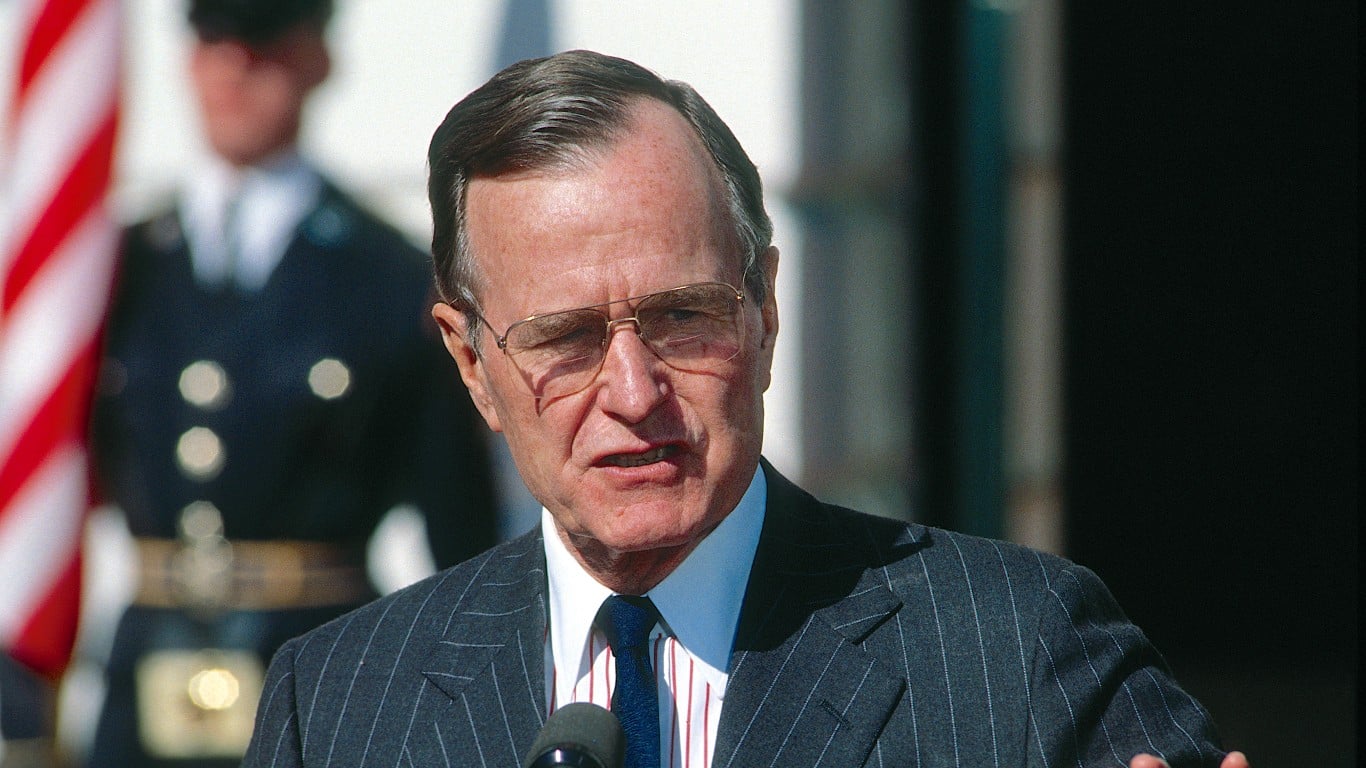
8. George H. W. Bush
Poverty rate: 13.8%
Under Bush, the country fell into its second recession in less than a decade, due in large part to the huge federal deficit and weak economy created by Reagan and perpetuated by Bush. Eventually, Bush betrayed his conservative base by signing the Omnibus Budget Reconciliation Act of 1990, which dropped a controversial gas tax (which overly punished the poor) and increased income taxes on the rich. This bill laid the groundwork for the economic success and government budget surplus of the 1990s.
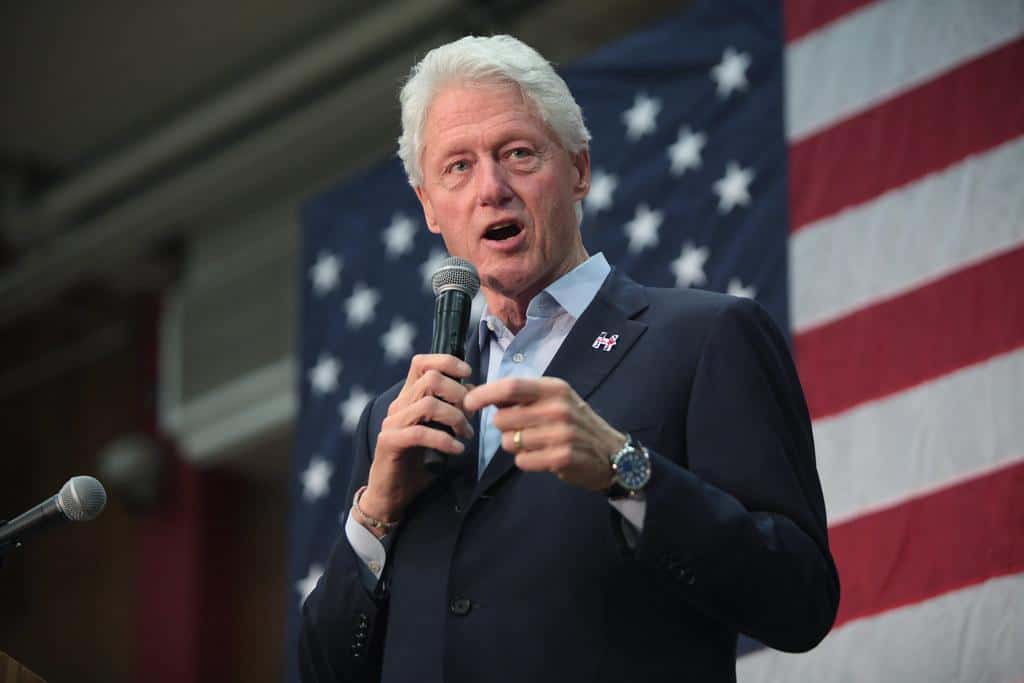
7. Bill Clinton
Poverty rate: 13.3%
Clinton inherited a massive government deficit created by Bush and Reagan and a radical Republican congress, led by Newt Gingrich, that wanted to cut taxes for the rich, cut welfare programs and Medicare, and more. They presented Clinton with their proposed budget (which included huge tax cuts for rich Americans and Medicare cuts) in 1995 which led to subsequent government shutdowns after Clinton refused to sign it.
Clinton attempted to pass major healthcare reform since around 20% of all Americans did not have healthcare at the time, a major factor in growing poverty rates, despite the fact that the U.S. spent more on healthcare than any other country but saw diminishing healthcare outcomes (a trend that continues today). Led by Gingrich, Republicans successfully defeated any healthcare reform or compromise.
Clinton signed the Family and Medical Leave Act of 1993 which gave workers 12 weeks of unpaid medical leave. It had been vetoed twice by Bush. He also passed a number of other welfare reforms and new programs during his time, and the number of people who received cash assistance from the government dropped from 12.2 million in 1996 to just 5.3 million by 2001 and the election of George W. Bush.
Clinton also proposed a $16 billion stimulus package that was meant to help develop and improve inner-city programs, but Republicans defeated it through a filibuster.
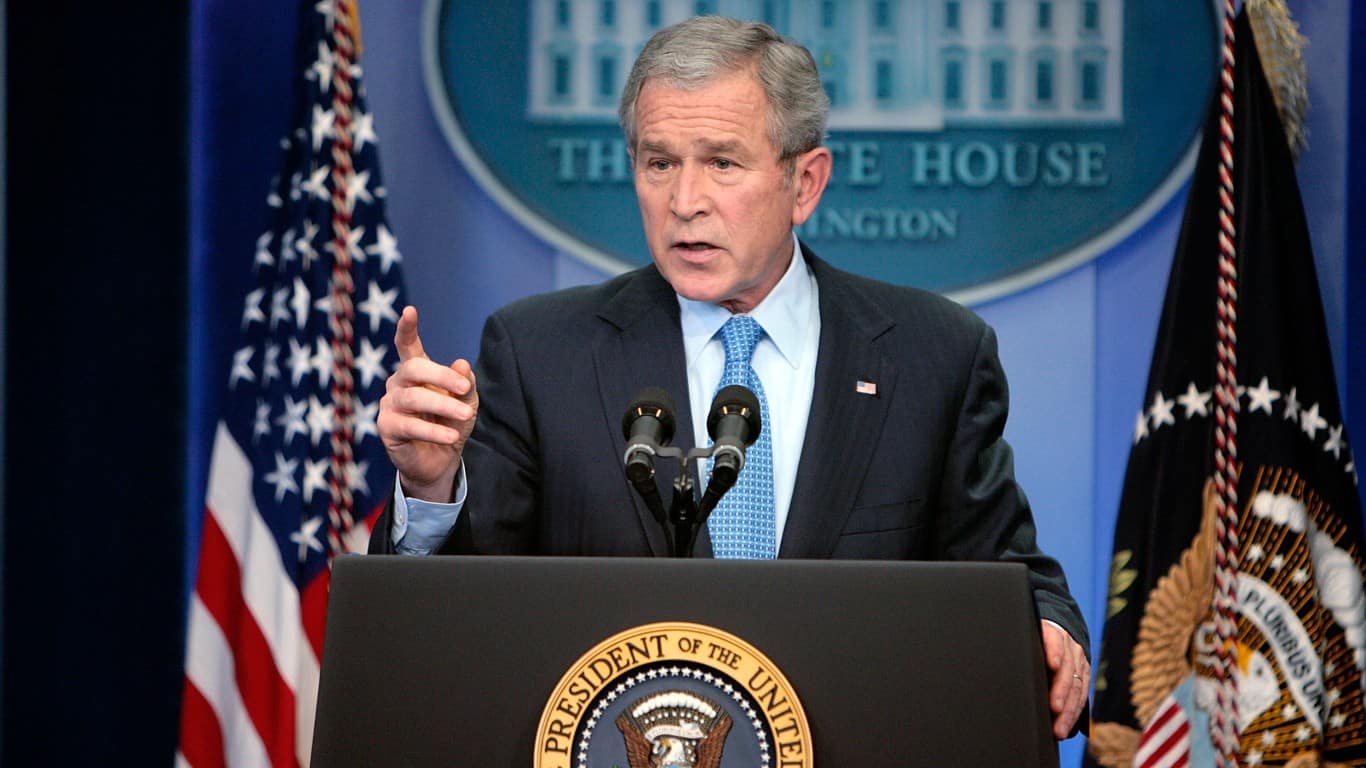
6. George W. Bush
Poverty rate: 12.4%
Bush's priority upon his election was to lower taxes and take advantage of the government surplus created by Clinton. His first tax cuts reduced the top income rate, reduced the estate tax, and overall lowered taxes for the wealthy.
His second tax cuts lowered the capital gains tax and the taxes on dividends, which overly benefitted the rich. Bush attempted to privatize Social Security, but he was successful in massive deregulation in the financial industry which contributed to the 2008 financial crisis and the Great Recession.
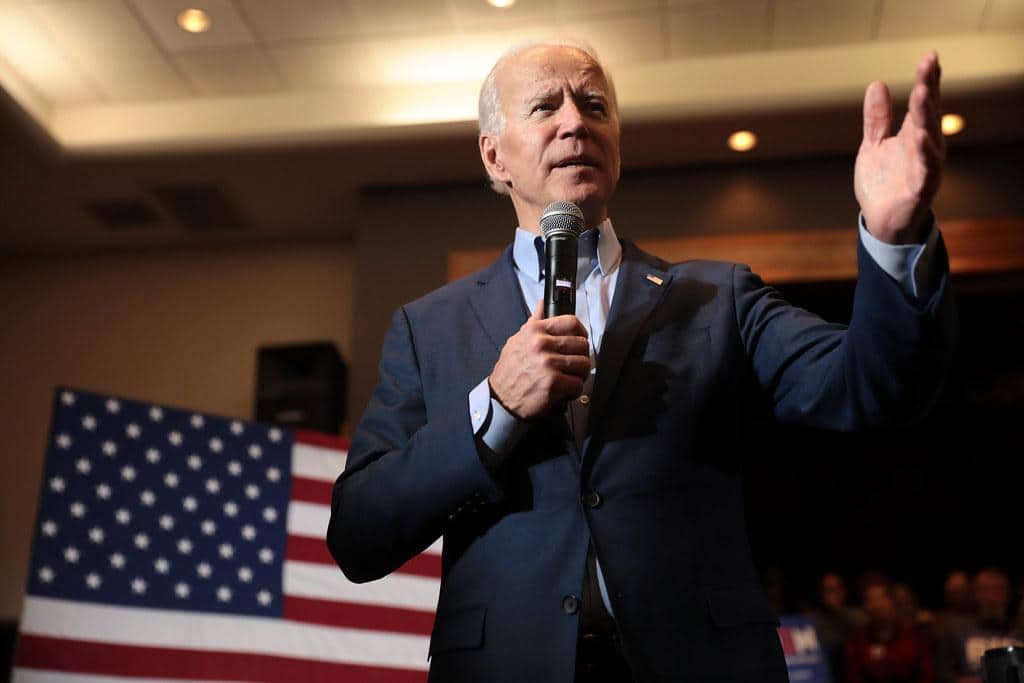
5. Joe Biden
Poverty rate: 12.4%
Biden passed a number of laws and programs during his term including an expansion of the Affordable Care Act, stimulus checks to help during the pandemic, an expansion of the child tax credit, and increased SNAP benefits. These had a notable impact on the poor and middle class and new business creation grew by 30% from levels before the pandemic.
Biden also allowed Medicare to negotiate healthcare prices and capped the price of insulin, reducing the healthcare cost for most Americans by thousands of dollars.
Biden also removed a number of Trump's policies that gutted the collective bargaining power of people who worked for the government and increased the minimum wage for federal workers to $15. He also removed Trump's policies that restricted union access to office spaces.
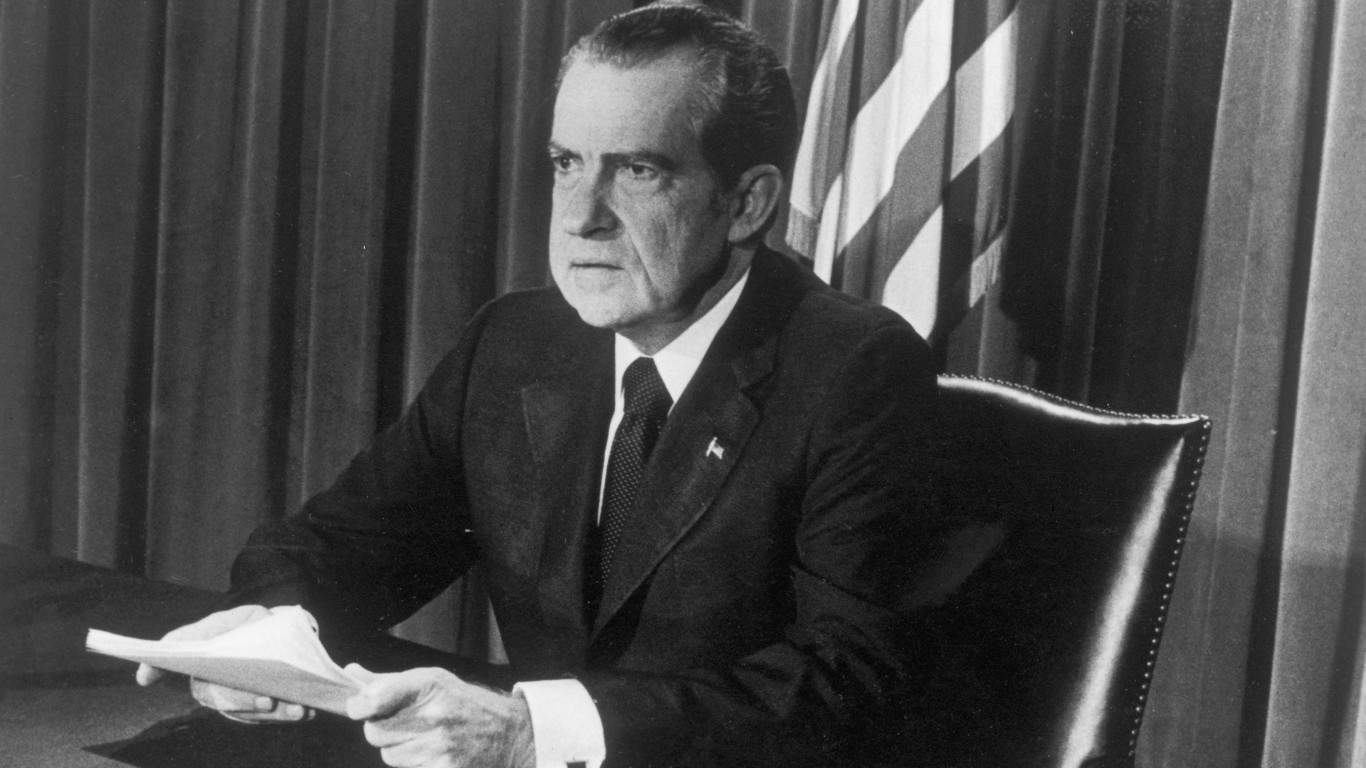
4. Richard Nixon
Poverty rate: 12%
The effects of President Jonson's Great Society programs extended into Nixon's presidency, reducing the level of unemployment and poverty. But Nixon did his best to destroy it.
Nixon defunded and abolished several of President Johnson's initiatives, including the Office of Economic Opportunity, the Job Corps, the Model Cities Program, and more. Nixon successfully defeated a popular reform to create a single-payer universal healthcare system. At the same time, however, Nixon proposed a form of universal basic income (known as the Family Assistance Plan) which would create a national income base of $1,600 per family of four per year. This plan was extremely popular in Congress and with the country. Conservative Republicans defeated it.
During his presidency, there was a massive surge in inflation, the 1973 oil crisis, food shortages, and a stock market crash. When he came into office, the unemployment rate was 3.5%, but when he resigned it had risen to 5.6%. Inflation had grown from 4.7% to 8.7%.
3. Jimmy Carter
Poverty rate: 11.9%
Carter took over the economy that Johnson had created and that Nixon and Ford were determined to destroy. By this point, the country was experiencing significant inflation and low economic growth. Carter struggled to bring inflation under control and implemented a number of questionable policies motivated by neoliberal values. This led to two recessions during his presidency, which means the country had seen four recessions in just ten years.
Carter attempted to pass a universal basic income (guaranteed minimum income), a job guarantee for the unemployed, a negative income tax, increased payments to aid recipients, and several tax reforms. All of these proposals were rejected by the Republican Congress.
The economy didn't recover from Nixon's work until the 1980s.
2. Donald Trump
Poverty rate: 11.9%
Donald Trump's first term as president is characterized by corporate tax cuts that benefitted the wealthy at the expense of the poor, several attempts to destroy the Affordable Care Act, trade protectionism, deregulation of the financial sector, and his intervention into numerous industries to benefit himself or his allies. During his first three years, the number of people with no health insurance increased by more than 4.6 million. Income inequality also increased.
Trump assumed control of the economy at the height of the longest economic expansion in United States history. This economic expansion began under Obama and lasted for 128 months and ended with a recession under Trump.
This economic expansion period led to the lowest unemployment level in 50 years (5.3) in 2020 but immediately jumped to the highest unemployment rate in a century (at 14.7%) two months later.
When Trump finally left office, there were three million fewer jobs than when he was elected, making him the only president in modern times to leave the economy with fewer jobs than when he began.
He also reduced taxes on companies while increasing government spending, which significantly contributed to the government deficit and federal debt.
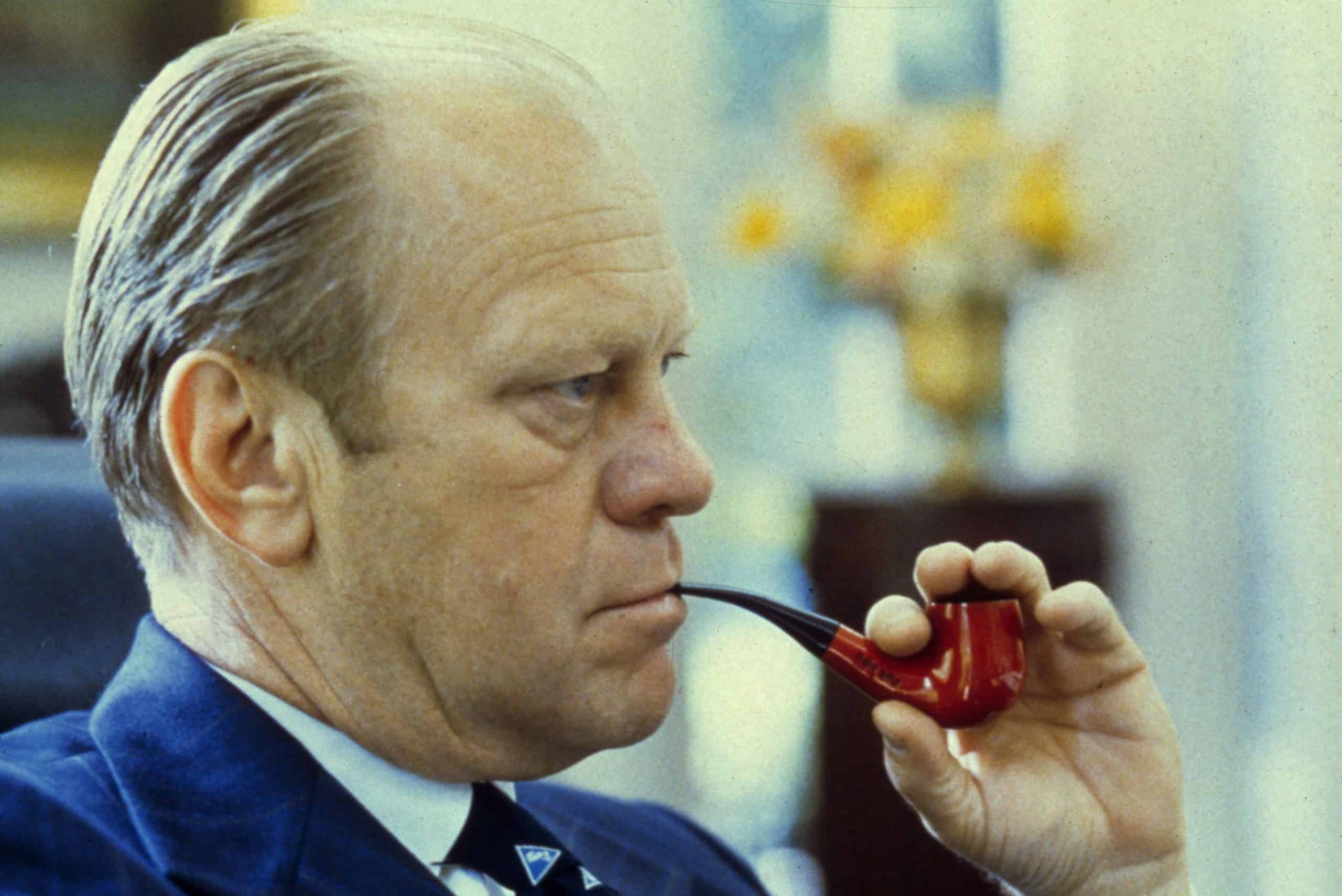
1. Gerald Ford
Poverty rate: 11.9%
When Ford took over after Nixon resigned, the country was in freefall.
In a state now known as "stagflation", the economists and politicians were at a loss for what to do. Ford implemented his own conservative form of economics and placed the blame for inflation on the citizens. He asked people to reduce their spending instead of implementing measures to reduce the amount of currency in circulation.
The country entered the worst recession since the Great Depression.