
Millions of Americans are reaching retirement age with a major question in front of them: where should they spend the next chapter of their lives? For many retirees, the answer is no longer as simple as choosing a warm climate, moving closer to family, or picking a favorite vacation spot. Taxes, housing costs, health care access, insurance rates, crime, and everyday affordability can all have a major impact on how far a retirement budget actually goes.
That is why choosing the wrong state can become an expensive mistake. A place that seems appealing during a short visit may look very different once you are dealing with property taxes, medical appointments, transportation, utility bills, insurance premiums, and other year-round costs. Over the past several years, those pressures have changed quickly in many parts of the country, making some once-popular retirement destinations less attractive than they used to be.
Some states still have scenic towns, strong communities, and appealing lifestyles that may work well for certain retirees. But when judged at the state level, several places stand out for issues such as high costs, weak affordability, limited health care access, safety concerns, or signs that older residents are choosing to leave. For retirees trying to protect their savings and quality of life in 2026, these are the states worth looking at carefully before making a move.

New Mexico
New Mexico can be tempting for retirees who want dramatic desert landscapes, year-round sunshine, and housing that is still more affordable than many other Western states. Santa Fe and Taos also offer strong arts communities, cultural history, and a slower pace of life that appeals to many people looking for a different kind of retirement.
The problem is that New Mexico struggles in several areas that matter more as people age. The state has the highest property crime rate in the country, which can make safety a serious concern for retirees living on fixed incomes. It also ranks poorly for quality of life and health care, with rural areas facing limited access to medical specialists and other services older adults may need regularly. The distances between communities can also create logistical challenges for retirees who need frequent appointments or support. New Mexico has plenty of beauty, but the practical side of retiring there can be much more difficult than the scenery suggests.
Arkansas
Arkansas often looks attractive at first because of its low cost of living. Housing is affordable in many parts of the state, the Ozark Mountains offer natural beauty, and the weather is generally milder than what retirees face in many northern states. For people focused mainly on stretching their dollars, those advantages can stand out quickly.
However, affordability alone does not make a state a great retirement destination. Arkansas consistently ranks near the bottom in several retirement analyses because of health care and public safety concerns. Rural communities often have limited access to medical care, and the state struggles with higher rates of chronic illness and fewer preventive care options than many retirees may want. That creates a real problem for older adults who need reliable doctors, specialists, hospitals, and ongoing treatment. While Arkansas continues to attract general movers, retiree-specific data paints a more complicated picture. A lower mortgage or rent payment can help, but it may not make up for weak health care access and quality-of-life concerns.

New York
New York offers world-class culture, excellent public transportation in New York City, and access to some of the strongest health care systems in the country. For retirees with deep savings or strong family ties, parts of the state can still be appealing. Museums, theater, restaurants, parks, and walkable neighborhoods are all major draws.
The issue is cost. New York is one of the least affordable states in America for retirees, and the financial pressure can be intense. Retirees may need roughly $1.3 million to retire comfortably in New York City, where annual living costs average $77,773. The state has also seen a major retiree outflow, with census data showing a net loss of 39,123 residents age 60 and older in a single year. High property taxes, state and local income taxes, housing costs, and everyday expenses can quickly erode fixed incomes. For many retirees, New York may offer plenty to do, but it also demands a retirement budget large enough to survive one of the most expensive states in the country.
Hawaii
Hawaii is the dream retirement destination for many Americans, and it is easy to see why. The islands offer year-round tropical weather, stunning natural beauty, a unique culture, and a strong sense of community. Retirees also avoid heating costs and can enjoy an outdoor lifestyle throughout the year.
But paradise comes with a punishing price tag. Hawaii is one of the least affordable states for retirees, with average home prices around $1.61 million and monthly rents often running from $2,200 to $3,300 for a modest apartment. Groceries and household goods cost far more than they do on the mainland because so much has to be shipped in. The state income tax can also reach 11%, one of the highest rates in the nation. Health care access is another concern, especially for seniors who need specialized treatment and may have to travel to the mainland for care. Hawaii may be beautiful, but most retirement budgets are not built to handle the cost of island living long term.
West Virginia
West Virginia may surprise some retirees because it is often associated with affordability. Housing is inexpensive, the cost of living is low, and the mountain scenery is beautiful. Outdoor recreation is also a major draw, and some moving data has ranked the state highly for inbound moves.
Still, cheap living does not always mean good living. West Virginia ranks near the bottom for retirement because of serious concerns around elderly health care, medical access, and long-term outcomes. The state taxes withdrawals from 401(k)s, IRAs, and pensions, which can take a bite out of retirement income. Distances between towns and cities can make it harder for retirees to visit family, build a social network, or reach specialty care. Life expectancy in West Virginia also ranks among the worst in the country. For retirees who only care about lowering monthly expenses, the state may still hold appeal. But for those weighing health, mobility, and quality of life, affordability may not be enough.
Mississippi
Mississippi is another state where low costs may catch a retiree’s attention at first. Housing is affordable, winters are mild, and many communities have the kind of Southern hospitality that can make daily life feel welcoming. For retirees looking to avoid expensive coastal or major metro areas, those factors may seem appealing.
The problem is that Mississippi performs poorly in several critical retirement categories. While its affordability ranking is strong, the state ranks near the bottom for both health care and quality of life. Mississippi has one of the highest senior poverty rates in the country, at 12.4%, and an average household income below $41,000. Health care access is limited in many rural areas, and outcomes are troubling, with high rates of obesity, diabetes, heart disease, and other chronic conditions. About 67% of Medicare beneficiaries in the state have three or more chronic conditions. For retirees who need reliable medical care and long-term support, those numbers are hard to ignore.
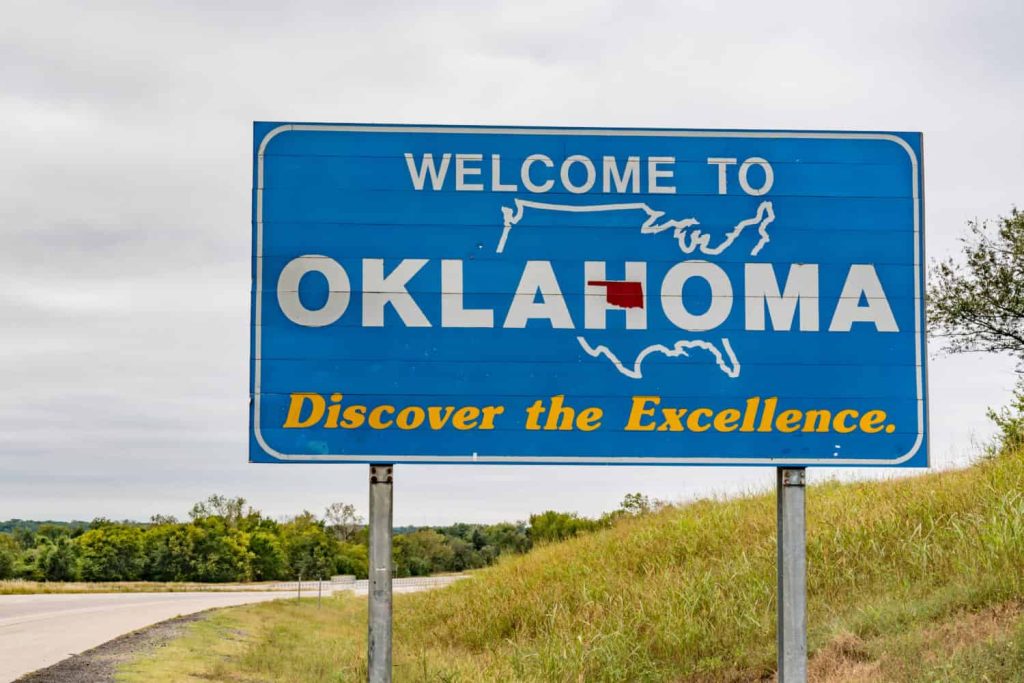
Shutterstock ID: 747284698, Photographer: Paul Brady Photography
Oklahoma
Oklahoma has some retirement-friendly qualities on paper. Housing can be affordable in smaller communities, Social Security benefits are not taxed by the state, and many towns offer a strong sense of community. Those factors can make Oklahoma seem like a practical choice for retirees trying to manage costs.
However, the broader picture is less encouraging. Oklahoma scores poorly across several retirement categories, including health infrastructure and overall quality of life. The state ranks low in physicians per capita and VA hospital quality, which can create real concerns for older adults and veterans who need regular care. Rising costs also make the state less of a bargain than it may have once seemed. Natural disaster risk is another issue. Oklahoma sits in Tornado Alley and has experienced some of the most destructive storms in U.S. history. For retirees, that means property risk, insurance concerns, and added stress. Oklahoma may still work for some people, but it comes with serious drawbacks.
California
California has plenty of advantages that make it appealing to retirees. The weather is excellent in many areas, the natural beauty is hard to match, and the state offers world-class health care systems in major metro areas. It also has endless dining, entertainment, cultural, and outdoor options.
But California’s affordability problem is enormous. The state ranks among the worst retirement destinations because of the scale of its retiree exodus and the financial burden of living there. Income tax rates can climb as high as 13.3%, and median home prices exceed $800,000 in many desirable areas. Everyday costs, from insurance to utilities to groceries, can make retirement savings disappear much faster than many people expect. For some retirees, selling a California home can fund a more comfortable retirement elsewhere. That is one reason so many older residents are leaving. California still offers a lifestyle many people love, but for retirees on fixed incomes, the math often does not work.
New Jersey
New Jersey offers proximity to New York City and Philadelphia, strong health care infrastructure in many communities, and the highest average Social Security income in the nation at $29,562. For retirees who have family nearby or want access to major metro areas without living directly in New York City, the state may have some appeal.
The cost problem, however, is severe. New Jersey has some of the highest living costs in the country, including crushing property taxes and a top personal income tax rate of 10.75%. It has also been the No. 1 outbound state for eight consecutive years, according to United Van Lines. Even with high average Social Security income, many retirees find that taxes, insurance, housing, and everyday costs eat away at their budgets. The state also struggles with poor health indicators, with 68% of Medicare beneficiaries having three or more chronic conditions. New Jersey may offer access and convenience, but for many retirees, it is simply too expensive to justify.

Louisville, Kentucky, USA downtown skyline on the Ohio River at dusk.
Kentucky
Kentucky has plenty of charm, from horse country landscapes to lower housing costs in many areas. In-home care services are also relatively affordable compared with much of the country, which may appeal to retirees who want to age in place. At first glance, the state can look like a reasonable option for people seeking a slower pace and lower expenses.
The problem is that Kentucky performs poorly across nearly every major retirement category. It ranks at the bottom for retirement in some analyses and struggles with weak health care infrastructure, including very low numbers of nurses per capita and poor public hospital quality. Life expectancy ranks near the bottom nationally, and the state has high rates of obesity, heart disease, and diabetes. Those health challenges can drive up costs and reduce quality of life as residents age. Kentucky’s affordability helps, but retirees also need strong medical access, long-term care options, and healthy communities. On those measures, the state has too many warning signs to ignore.