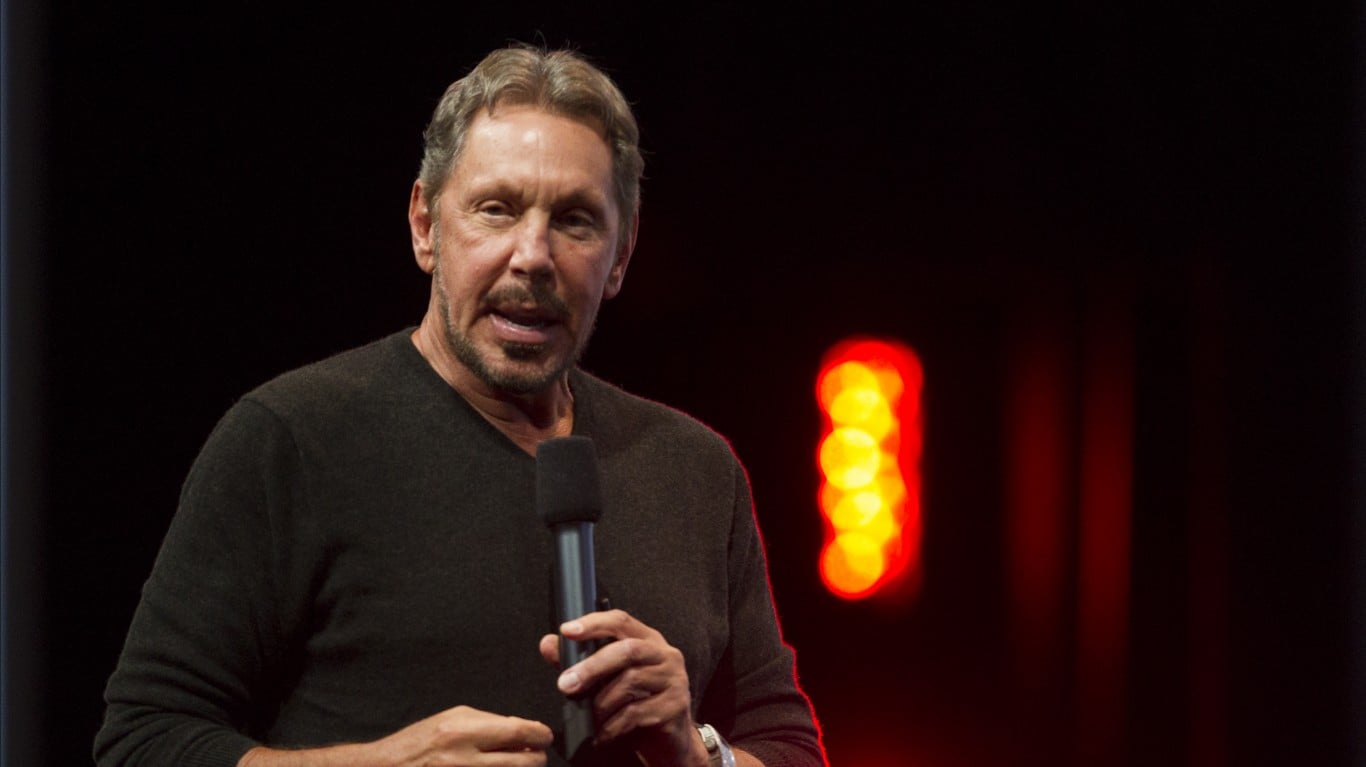
Larry Ellison’s fortune has taken the biggest dollar hit on the Bloomberg Billionaires Index in 2026. As of the original July 14 snapshot, the Oracle co-founder had lost roughly $60 billion since January, leaving him with an estimated net worth of about $187 billion. Those figures can change daily with Oracle’s share price, and Forbes placed him near $190 billion later in the week. The decline is striking because Ellison owns roughly 41% of Oracle, making his wealth unusually sensitive to the stock. The same concentrated stake that carried him near the top of the global wealth rankings during Oracle’s 2025 rally is now magnifying the damage as investors reassess the company’s enormous AI ambitions.
Oracle’s Stock Has Fallen Behind the Market
Oracle shares were down about 32% for the year at the July 14 snapshot and roughly 35% by July 17, while the S&P 500 remained positive for 2026. The stock closed July 17 at $126.41, more than 60% below its September 2025 record high of $345.72. That collapse has cut Oracle’s market value to approximately $364 billion, pushing the company far below the world’s largest technology leaders and around the mid-to-high 30s in global market-cap rankings, depending on the source and trading day. Oracle’s results are growing quickly, but the market is signaling that rapid cloud growth may not be enough to offset the financing, execution, and customer-concentration risks attached to its AI buildout.
The AI Buildout Is Consuming Enormous Amounts of Cash
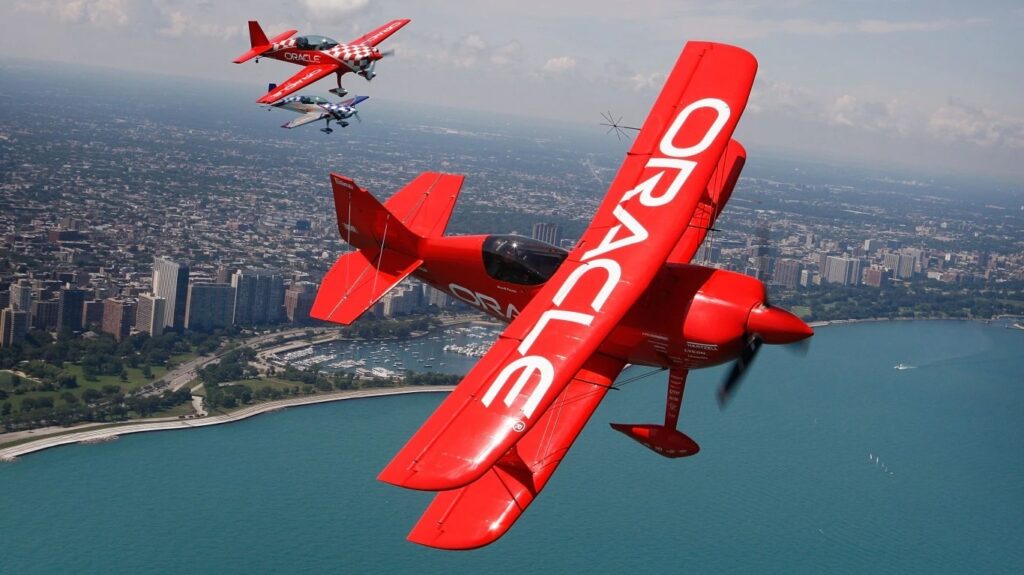
Oracle spent $55.7 billion on capital expenditures during fiscal 2026, more than double the prior year’s total, as it expanded data centers and computing capacity for AI customers. The company generated a record $32 billion in operating cash flow, but the spending surge still pushed free cash flow to negative $23.7 billion. Management now expects approximately $70 billion in net cash outlays for capital expenditures during fiscal 2027. Reported capital spending could reach $90 billion to $95 billion before accounting for customer prepayments and related timing effects. Investors are therefore being asked to tolerate another year of extraordinary cash consumption before the new infrastructure produces its hoped-for returns.
Oracle Is Turning to Debt and New Equity
Oracle cannot fund an expansion of this size solely from its cash generation. The company raised $43 billion through debt and another $5 billion through equity financing in fiscal 2026. For fiscal 2027, it expects to raise approximately $40 billion through a combination of debt and equity, including a $20 billion at-the-market stock offering. That means shareholders face both higher financial risk and potential dilution. Oracle says it does not expect to issue additional debt during calendar 2026, and customers have prepaid for or supplied about $75 billion of hardware connected to large AI contracts. Even so, the scale of the funding plan helps explain why Wall Street is questioning how much risk Oracle must accept to compete.
Oracle sells everything from Cloud systems to financial and marketing support.
Oracle Is Not Microsoft—But Its Backlog Is the Bull Case
The gap between Oracle and Microsoft shows why investors are nervous. Oracle reported $19.2 billion in fiscal fourth-quarter revenue and about $4.3 billion in GAAP net income. Microsoft’s latest quarter produced $82.9 billion in revenue and $31.8 billion in net income, giving it far more room to absorb heavy AI spending. Still, declaring Oracle trapped would go too far. Its cloud infrastructure revenue jumped 93% in the latest quarter, while remaining performance obligations reached $638 billion, up 363% from a year earlier. Oracle’s gamble could pay off if that backlog becomes profitable revenue on schedule. The risk is that delays, cost overruns, or reliance on a few giant customers could leave the company carrying the bill.
Each section is between 625 and 750 characters. One important correction: Oracle trades on the NYSE, not the Nasdaq. I also corrected the original claim that Oracle would “raise another $70 billion”—the $70 billion figure refers to expected net capital outlays, while Oracle expects to raise approximately $40 billion through debt and equity.