A company’s reputation may not appear as a line item on its balance sheet, but it can be one of its most valuable assets. Consumer confidence supports sales, attracts employees, reassures investors and gives a business room to recover when something goes wrong. Yet trust that took decades to build can begin collapsing within hours when executives appear dishonest, dismissive or unprepared during a crisis.
For investors, a public relations disaster is rarely just an embarrassing headline. A mishandled response can trigger customer boycotts, executive resignations, regulatory investigations, lawsuits and sharp declines in market value. Even after the initial controversy fades, companies may spend years rebuilding their brands while competitors take advantage of the damage. In the most serious cases, the response becomes more damaging than the event that caused the crisis.
Some businesses have limited the fallout by acknowledging mistakes, communicating clearly and taking meaningful corrective action. Others have denied obvious problems, blamed customers or allowed executives to make statements that intensified public anger. These failures offer valuable lessons about leadership, risk management and the financial consequences of losing credibility.
My Investing News is examining 15 corporate crises that caused lasting damage, along with one famous response that showed how decisive leadership can protect a company when public trust suddenly disappears.
The Response Can Matter More Than the Mistake

Not every company on this list caused the event that placed it under scrutiny. What separates a contained crisis from a lasting corporate nightmare is often the quality of the response. Johnson & Johnson did not cause the criminal tampering behind the 1982 Tylenol deaths, yet it accepted the responsibility of protecting customers and communicated its actions openly. Other companies damaged themselves by withholding facts, minimizing legitimate concerns or using language that seemed designed to protect executives instead of the public. Investors should pay close attention to this distinction. A credible response can limit legal exposure, preserve customer loyalty and stabilize a brand, while denial can invite regulators, plaintiffs and competitors to keep the story alive long after the original event.
How the Digital Age Changed Crisis Communications

Corporate crises once developed over days as newspapers and television networks gathered information. Today, a smartphone video, employee post or leaked document can reach millions of people before senior management has held its first meeting. That speed changes the financial stakes. Customers can organize boycotts immediately, employees can challenge the official account in public and investors can react before management offers meaningful context. Silence may be interpreted as indifference, but a rushed or inaccurate statement can create a second crisis. Effective companies now need verified facts, clear decision authority and established communication plans before trouble begins. The digital age has made crisis preparation a form of risk management rather than a task that can be delegated to the marketing department after the damage is visible.
Reputation Is an Asset Investors Cannot Ignore

Brand value is difficult to measure precisely, but its effects appear throughout a business. A trusted company may enjoy repeat customers, pricing power, easier recruiting and greater patience from investors when quarterly results disappoint. A damaged brand can face the opposite conditions, including higher marketing costs, weaker retention, employee departures and greater regulatory attention. The cases that follow involve different industries and very different triggering events, yet they share a common lesson. Reputation is not protected by advertising alone. It depends on corporate culture, operational discipline and leadership that is willing to disclose bad news before outsiders uncover it. For shareholders, repeated communication failures can be a warning that deeper governance and internal-control problems remain hidden beneath the headlines.
The Tylenol Cyanide Crisis Became a Model Response

In September 1982, seven people in the Chicago area died after taking Extra-Strength Tylenol capsules that an unknown criminal had laced with cyanide. Johnson & Johnson did not cause the tampering, but management recognized that hesitation could destroy confidence in its leading pain reliever. The company warned consumers, stopped advertising, halted production and recalled roughly 31 million bottles nationwide. It later returned Tylenol to stores in tamper-resistant packaging, helping accelerate new safety standards across the drug industry. The response was expensive and the brand’s market position initially collapsed, but customers ultimately returned. For investors, Tylenol remains the rare crisis-management benchmark on this list because leadership treated public safety and long-term credibility as more valuable than protecting a single quarter’s results.
New Coke Misread the Source of Customer Loyalty

Coca-Cola introduced a reformulated flagship drink in April 1985 after blind taste tests suggested consumers preferred a sweeter flavor. The research measured taste, but management underestimated the emotional value customers placed on the original formula. Complaints poured into the company, loyal drinkers organized protests and New Coke became a national story instead of the competitive answer to Pepsi that executives expected. Coca-Cola restored the old formula as Coca-Cola Classic in July, only 79 days after the launch. The company recovered and the return generated enormous attention, but there is little evidence that the failure was a secret marketing plan, as later folklore sometimes claimed. The real lesson for investors is simpler: customer data can be accurate while management’s interpretation of what drives brand loyalty is dangerously incomplete.
The Exxon Valdez Spill Exposed a Leadership Vacuum

Shortly after midnight on March 24, 1989, the Exxon Valdez struck Bligh Reef in Alaska’s Prince William Sound and released more than 11 million gallons of crude oil. The remote location complicated containment, but Exxon’s public posture added to the damage. Chief executive Lawrence Rawl did not immediately travel to Alaska, company communications appeared slow and defensive, and televised images of polluted beaches and oil-covered wildlife filled the information vacuum. The spill brought years of litigation, cleanup costs and public anger, while Congress responded with the Oil Pollution Act of 1990. For investors, the episode showed how an operational disaster can become a governance crisis when senior leaders are not visible, empathetic and clearly in command. Technical explanations cannot substitute for accountability when communities believe a company is treating catastrophic harm as a routine expense.
BP Made a Catastrophic Spill Even Harder to Defend
The Deepwater Horizon drilling rig exploded on April 20, 2010, killing 11 workers and sending approximately four million barrels of oil into the Gulf over 87 days. BP already faced an enormous environmental, legal and financial crisis when chief executive Tony Hayward complained that he wanted his life back. The comment appeared to center the executive’s inconvenience while families mourned and coastal businesses lost income. Conflicting early estimates of the spill rate also weakened confidence in the company’s disclosures. BP later agreed to a record-setting federal civil settlement that included a $5.5 billion Clean Water Act penalty and up to $8.8 billion for natural-resource damages, separate from other costs. The investor lesson is that empathy and factual consistency are not cosmetic during a disaster. They influence whether the public believes management is capable of controlling the underlying risk.
A Domino’s Video Showed How Fast One Store Could Threaten a Global Brand

In April 2009, two Domino’s employees in North Carolina uploaded videos showing themselves mishandling food in ways designed to disgust viewers. The clips spread across YouTube and search results, turning behavior at one franchise into a threat to an international brand. Domino’s initially avoided a broad response because executives feared introducing the video to more people, but the delay allowed online outrage to define the story. Company president Patrick Doyle eventually released a direct video apology, explained that the workers had been dismissed and described steps taken with authorities and the affected store. The response helped contain the damage, but the episode changed corporate thinking about social media. For franchised businesses, investors should recognize that weak controls or slow escalation at one location can create systemwide reputational risk before headquarters understands what happened.
United Airlines Used Corporate Language While the Public Watched the Video
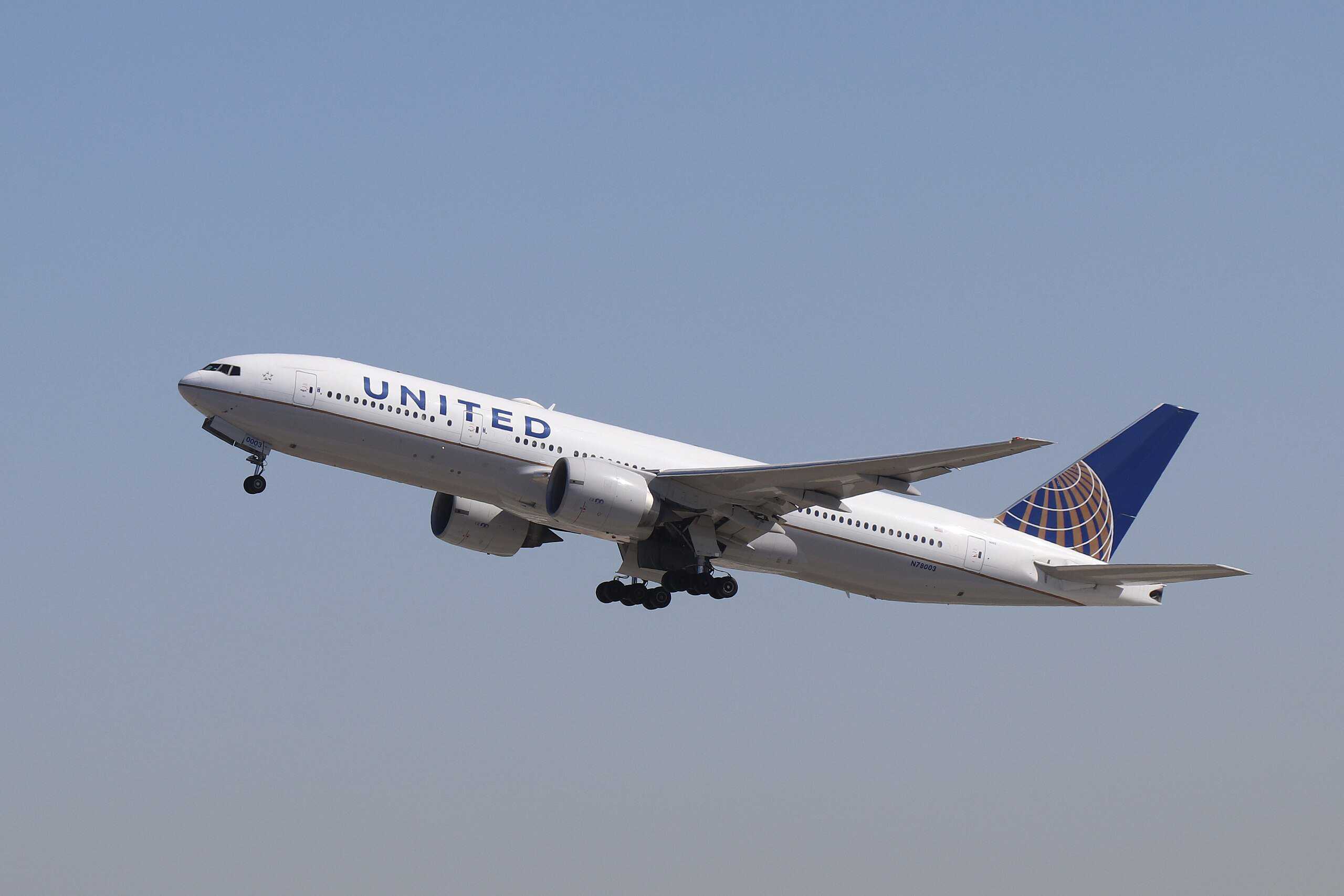
On April 9, 2017, aviation security officers forcibly removed physician David Dao from United Express Flight 3411 in Chicago after the airline sought seats for repositioning crew members. Passenger videos showed an injured Dao being dragged down the aisle, but United’s first response referred to “re-accommodating” customers. Chief executive Oscar Munoz also praised employees in an internal message before issuing a fuller apology as outrage intensified. The contrast between sanitized corporate language and visible evidence made the response seem evasive. United later settled with Dao and revised policies involving oversold flights, compensation and the use of law enforcement. The often-repeated claim that the incident permanently erased a specific amount of market value oversimplifies short-term trading, but the governance lesson is clear: a statement that contradicts what customers can see will deepen distrust.
Volkswagen’s Dieselgate Deception Destroyed a Core Brand Promise

Volkswagen marketed diesel vehicles as a combination of efficiency, performance and environmental responsibility. That promise collapsed in September 2015 when the Environmental Protection Agency disclosed that certain vehicles contained software designed to recognize emissions testing and alter engine performance. During ordinary driving, affected cars could emit nitrogen oxides far above legal limits. The company admitted the problem, chief executive Martin Winterkorn resigned and millions of vehicles became subject to recalls or remedies. Volkswagen ultimately faced criminal proceedings, civil settlements and many billions of dollars in penalties and consumer costs. Dieselgate was especially damaging because the misconduct contradicted the product’s central selling point. For shareholders, the scandal demonstrates why claims built around compliance or sustainability deserve scrutiny when employee incentives reward growth without equally strong oversight.
Pepsi Turned a Social Movement Into a Product Placement
Pepsi released a commercial in April 2017 showing Kendall Jenner leaving a photo shoot, joining a diverse street demonstration and handing a police officer a can of soda as the crowd celebrated. The company intended to communicate unity, but viewers argued that the spot borrowed the imagery of real protests while reducing serious conflicts over race and policing to a product placement. Criticism spread almost immediately, and Pepsi removed the advertisement within roughly a day while apologizing to the public and to Jenner. The company’s large, diversified business absorbed the episode, but the campaign remains a warning about internal decision-making. When a brand enters a politically sensitive conversation, investors should ask whether management has the cultural knowledge and review process needed to distinguish authentic engagement from an idea that could alienate customers on every side.
Equifax Lost Data Belonging to People Who Never Chose the Company

Equifax disclosed in September 2017 that attackers had accessed sensitive information belonging to approximately 147 million people. The breach was uniquely damaging because consumers generally do not decide whether a credit bureau collects their financial histories. Equifax had discovered the intrusion weeks earlier, and its initial response directed people to a separate website that drew criticism for confusing design and terms that appeared to restrict legal rights. Reports that executives sold shares after the breach was detected added suspicion, although a company investigation said those executives did not know about the incident when they traded. Equifax later agreed to a settlement of at least $575 million and potentially up to $700 million with federal and state authorities. For investors, cybersecurity preparedness includes disclosure, customer support and executive-trading controls, not merely network defenses.
Fyre Festival Proved Marketing Cannot Replace a Functioning Business

Fyre Festival was sold as a luxury music event in the Bahamas, with celebrity influencers promoting private villas, gourmet dining and exclusive entertainment. When guests arrived in April 2017, they encountered emergency-style tents, inadequate food, unfinished infrastructure and canceled performances. Photos of stranded attendees and basic cheese sandwiches traveled across social media faster than organizers could respond. The failure was not simply a poorly executed event. Prosecutors later showed that founder Billy McFarland had misled investors and customers, and he pleaded guilty to fraud before receiving a six-year prison sentence. Fyre became a case study in the danger of treating attention as proof of a viable business. For investors, rapid customer growth, glamorous partnerships and polished branding mean little when management cannot verify budgets, logistics, contracts or the basic ability to deliver what was sold.
Wells Fargo Blamed Employees for a System Management Created
Regulators disclosed in September 2016 that Wells Fargo employees had opened more than two million deposit and credit card accounts that may not have been authorized by customers. The conduct was tied to aggressive sales targets and compensation systems, yet leadership initially emphasized the thousands of employees who had been fired instead of accepting that incentives and oversight were systemic problems. Chief executive John Stumpf’s combative congressional appearances intensified criticism, and he resigned the following month. The scandal eventually expanded beyond the original account estimates and contributed to penalties, settlements, leadership turnover and a Federal Reserve asset cap that constrained the bank for years. For investors, Wells Fargo illustrates why unrealistic performance goals can create hidden liabilities. When misconduct is widespread, blaming front-line workers may signal that directors and executives still do not understand the culture they oversee.
The Boeing 737 MAX Crisis Raised Questions About Safety and Candor

Lion Air Flight 610 crashed in October 2018 and Ethiopian Airlines Flight 302 crashed in March 2019, killing a combined 346 people aboard two Boeing 737 MAX aircraft. Investigations focused on the Maneuvering Characteristics Augmentation System, known as MCAS, as well as pilot information, certification and internal decision-making. Boeing initially defended the aircraft while regulators and airlines moved toward grounding it, creating an impression that the company was reacting to events rather than leading with transparency. Internal communications released later further damaged confidence. In 2021, Boeing entered a Justice Department agreement involving more than $2.5 billion in penalties, customer compensation and a crash-victim fund. The crisis shows investors how pressure involving cost, schedules and competition can become existential when a safety-critical company weakens internal challenge and candor with regulators.
OceanGate Marketed Rule-Breaking as Innovation

OceanGate promoted the Titan submersible as an innovative way for paying customers to visit the Titanic wreck, while founder Stockton Rush publicly criticized parts of the established certification culture. Titan imploded during a June 2023 dive, killing all five people aboard and ending the company’s operations. The United States Coast Guard’s 2025 investigation concluded that the tragedy was preventable and cited inadequate design, certification, maintenance and inspection processes, along with a toxic workplace culture and failures to act on known hull anomalies. Statements once used to market OceanGate as a bold disruptor were later viewed as warnings that management treated external scrutiny as an obstacle. For investors, the case is a stark reminder that disruption is not a substitute for engineering validation, especially when a product operates where a single failure leaves no margin for recovery.
Cambridge Analytica Changed the Financial Meaning of Data Privacy
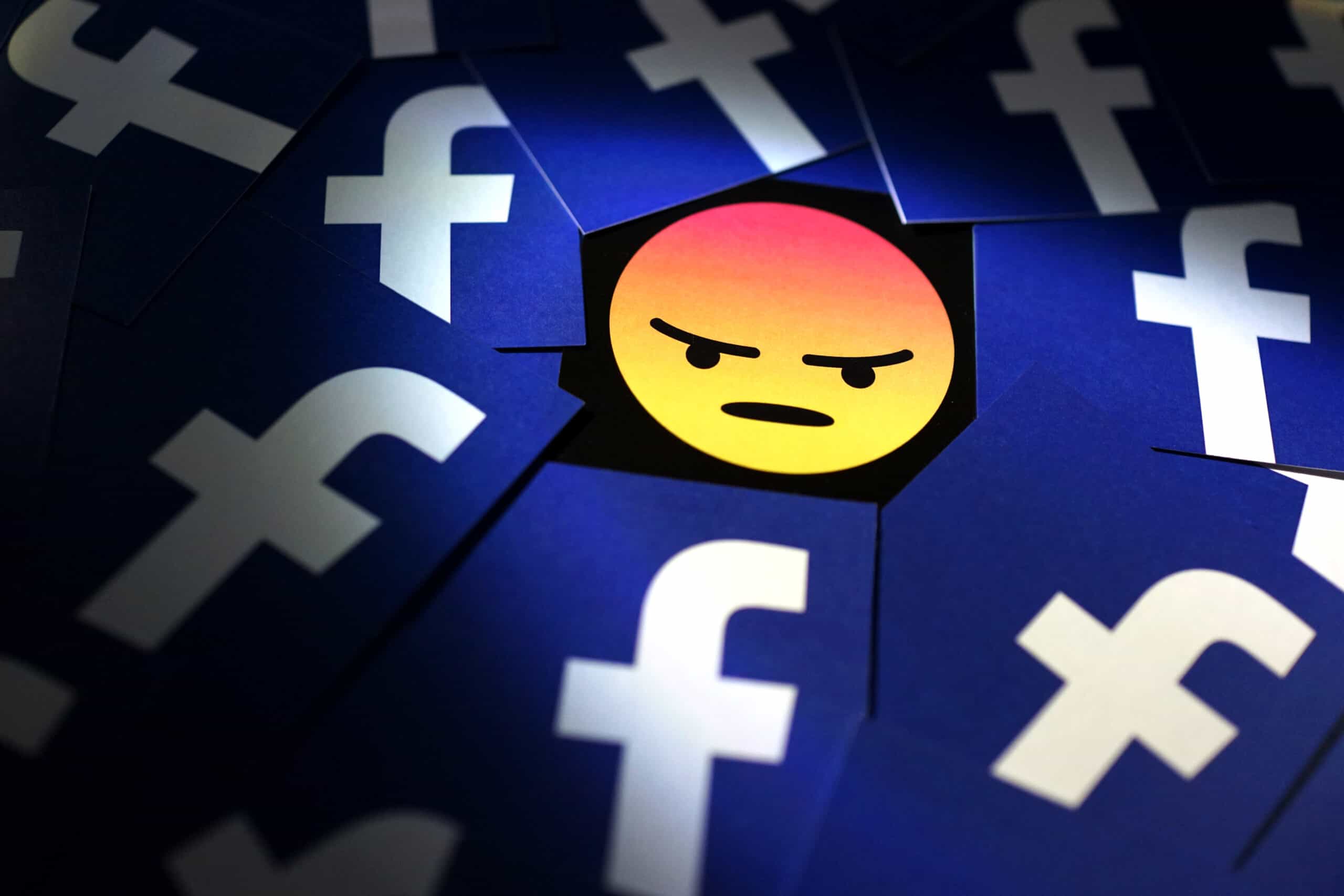
Facebook faced a global backlash in 2018 after reporting revealed that data associated with as many as 87 million users may have been improperly shared with political consulting firm Cambridge Analytica through a personality-quiz application. The information had been collected years earlier, but the controversy exposed how little many users understood about the platform’s developer ecosystem and how slowly Facebook had communicated the problem. Chief executive Mark Zuckerberg testified before lawmakers, the Delete Facebook campaign spread online and regulators intensified their scrutiny of the company’s privacy practices. In 2019, Facebook agreed to a $5 billion Federal Trade Commission penalty and broad new privacy restrictions covering issues that extended beyond Cambridge Analytica. The episode showed investors that personal data can create enormous value while simultaneously producing regulatory, legal and reputational liabilities.
A Cartoon Network Promotion Triggered a Citywide Security Scare

In January 2007, a guerrilla campaign promoting Cartoon Network’s Aqua Teen Hunger Force placed battery-powered LED displays depicting characters from the show around several cities. The devices attracted little concern elsewhere, but Boston authorities treated them as possible explosives after discovering them near bridges and transportation infrastructure. Roads and transit routes were disrupted while bomb squads investigated. Turner Broadcasting apologized and agreed with its marketing contractor to pay a combined $2 million to resolve costs and related claims. The campaign is sometimes remembered as an overreaction by authorities, but that misses the corporate lesson. A promotion placed unfamiliar electronic devices in sensitive public locations without sufficient coordination or risk review. For investors, creative marketing still requires operational controls, especially when a campaign can impose costs on governments and damage relationships with local communities.