



































10 States Retirees Should Consider Before 2030
The 2020s are bringing a major wave of new retirees as more baby boomers reach retirement age. That means millions of Americans are asking the same big question: where should I live next? The answer depends on far more than warm weather. Cost of living, taxes, housing prices, health care access, insurance costs, and overall quality of life can all make one state a better fit than another.
Florida has long been the obvious retirement pick thanks to its beaches, sunshine, and lack of state income tax. But it is not the bargain it once was for many retirees. A growing retiree population, higher home prices, and rising homeowners insurance costs have made the Sunshine State less affordable for some people living on a fixed income.
That is why this slideshow looks at 10 states worth considering before 2030. Each one comes with its own tradeoffs, from affordability and climate to taxes and access to medical care. For retirees planning their next chapter, the goal is not to find the “perfect” state. It is to find the one that best matches your budget, lifestyle, and long-term needs.
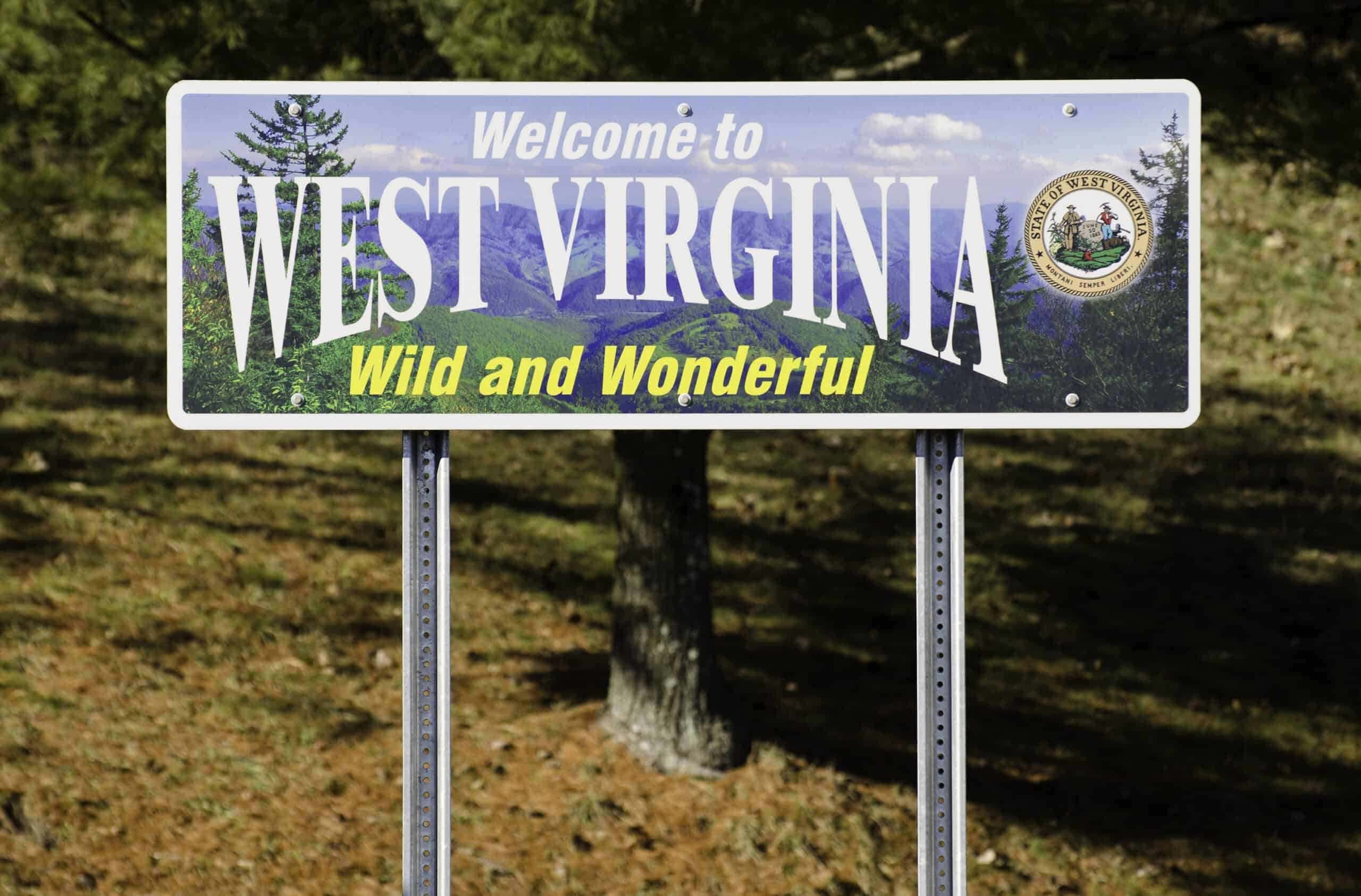
#10 West Virginia
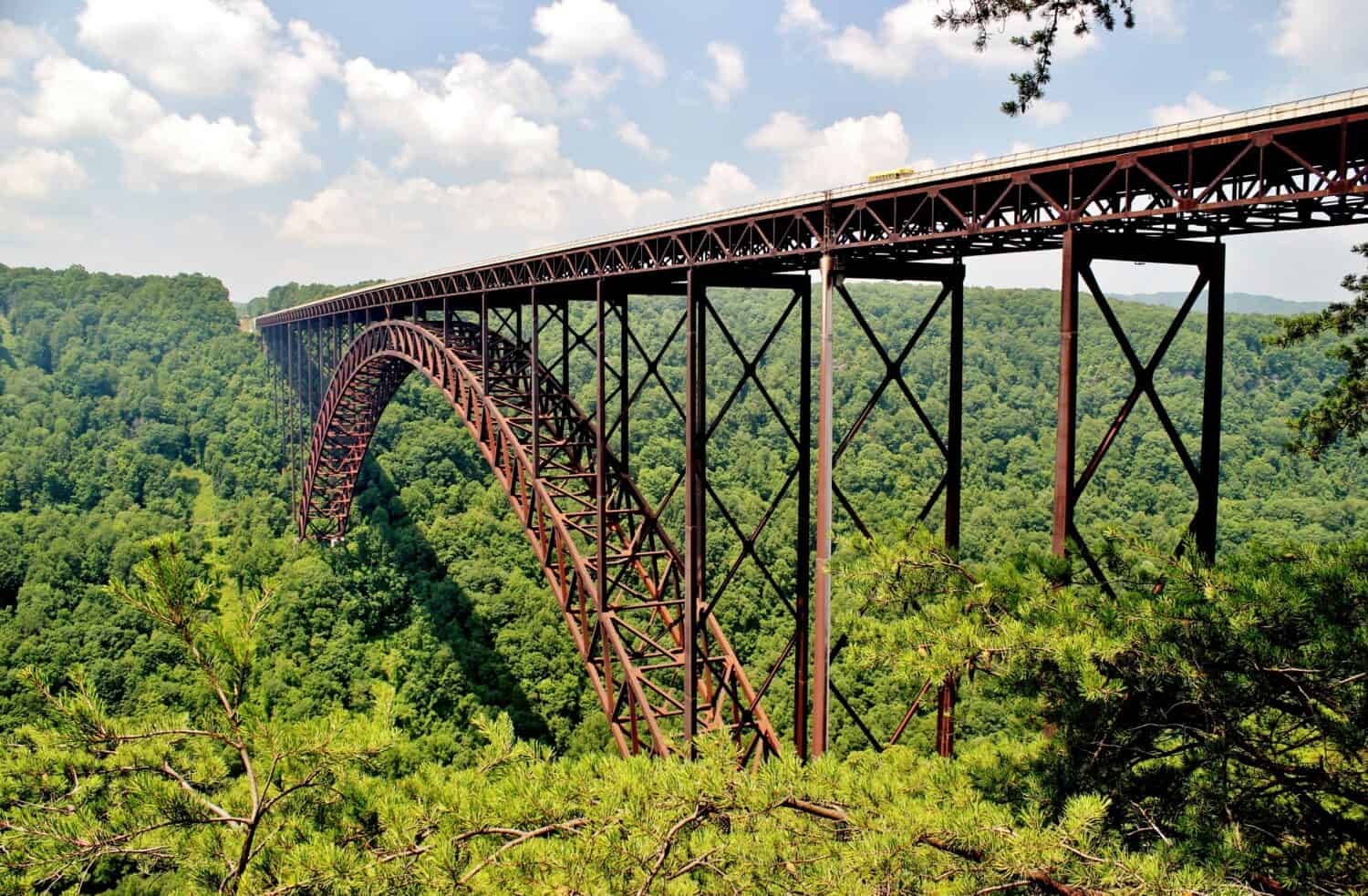
West Virginia earns the title of America's most affordable retirement destination, and the numbers are genuinely impressive. Retirees in Hawaii need over $2 million saved, but West Virginians can retire comfortably with just $712,913. If you're living on Social Security and a modest nest egg, this state lets you actually enjoy retirement rather than constantly pinching pennies. The mountain scenery is legitimately beautiful, with hiking trails, state parks, and outdoor recreation that rivals pricier destinations.
Life here moves at a slower, more peaceful pace that many retirees find deeply appealing after decades of rushing. If your priority is making your retirement savings last while living surrounded by natural beauty, consider living in this state.
West Virginia Pros and Cons
- Lowest cost of living in the entire nation (monthly expenses around $2,515 in Ohio County)
- Ranks 4th nationally for lowest homeowner's insurance at just $1,009 annually
- Beautiful mountain scenery with outdoor recreation including parks, trails, and the Caperton Trail system
However, there are some drawbacks to consider:
- Limited healthcare options and medical specialists in rural areas
- Lowest average retirement income among states with seniors earning only $21,118 annually
- Fewer urban amenities, entertainment options, and cultural attractions compared to other states
#9 Georgia
Georgia wraps you in Southern charm from the moment you arrive. This is a state where neighbors still bring over casseroles, where front porch conversations happen naturally, and where you'll genuinely feel welcomed into the community.
What really sets Georgia apart is how far your money goes here. It ranks in the top 10 most affordable states for retirees, which means you can enjoy dining out regularly, attending cultural events, and traveling without constant budget anxiety. Healthcare access is strong in metro areas, and the overall quality of life remains high while costs stay manageable.
Georgia Pros and Cons
- Low overall cost of living with affordable housing, groceries, and dining (Ware County: $2,469/month typical expenses)
- Strong healthcare access in cities like Atlanta, with multiple top-rated hospital systems
- Ranks in top 10 most affordable states for retirees nationwide
On the downside:
- High humidity levels and seasonal allergies can be uncomfortable, particularly in summer months
- Significant traffic congestion in metro Atlanta area
- Property taxes and other costs vary widely by county, so research specific locations carefully
#8 South Carolina
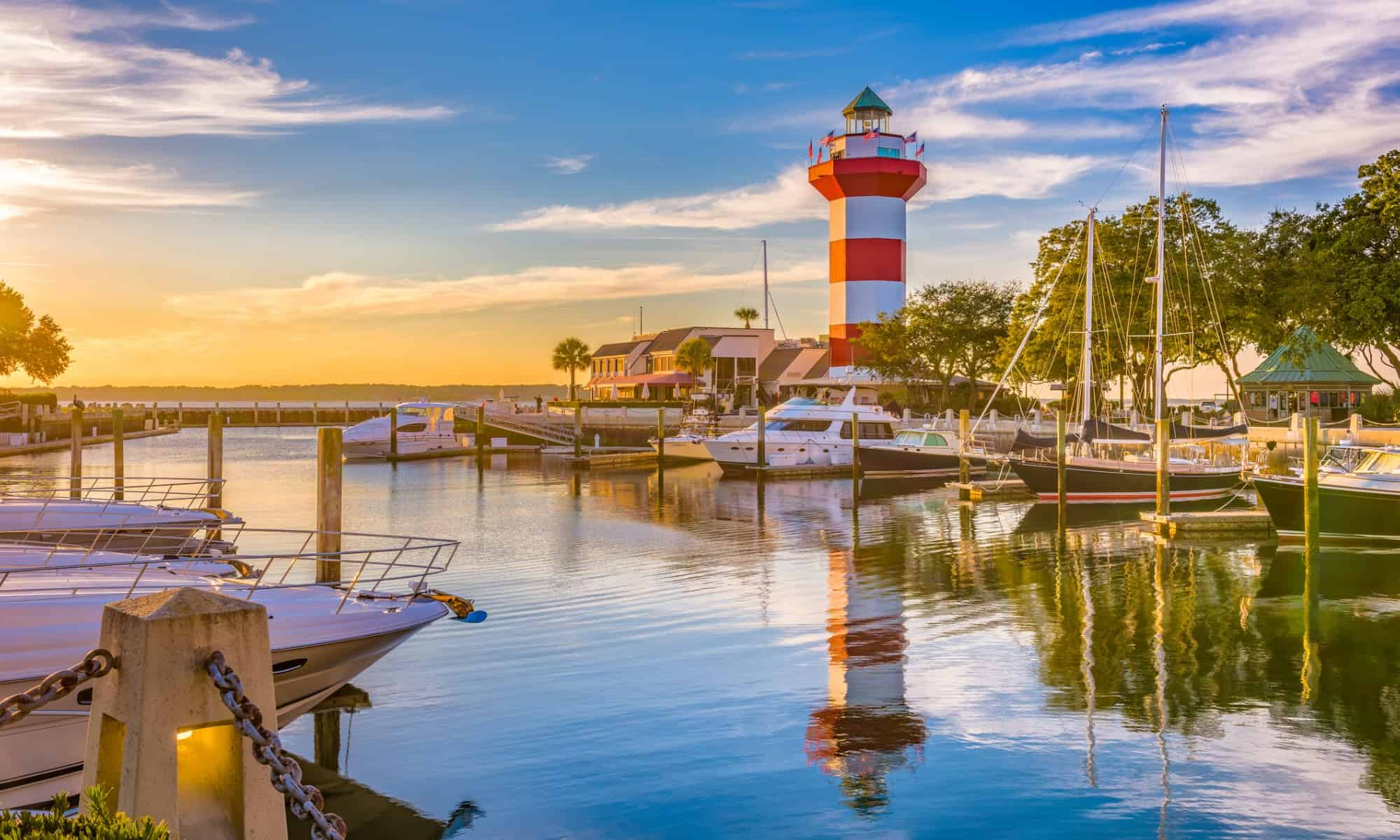
South Carolina delivers genuine Southern hospitality along with some of the most affordable coastal living you'll find on the East Coast. The state offers variety without the premium price tag of neighboring North Carolina or Florida.
The people here really do greet you with a smile, and you'll quickly find yourself part of a community rather than just another retiree. The tax structure is particularly kind to residents 65 and older, with deductions that can significantly reduce or even eliminate your state tax bill. The mild climate means you can enjoy beach walks, golf, and fishing year-round. Just be aware that hurricane season brings real risks to coastal areas.
South Carolina Pros and Cons
- Quite affordable, especially for housing (cost of living index: 88.5 vs. national 100)
- Substantial tax deductions on retirement income for residents 65 and older can eliminate state tax liability
- Mild climate with year-round outdoor activities and beautiful coastal communities
Some challenges to keep in mind:
- Prone to hurricanes, floods, and tornadoes, particularly in coastal Lowcountry regions
- Limited public transportation outside major urban areas
- Fewer top-ranked hospitals compared to neighboring states, but you can still find quality care
#7 North Carolina
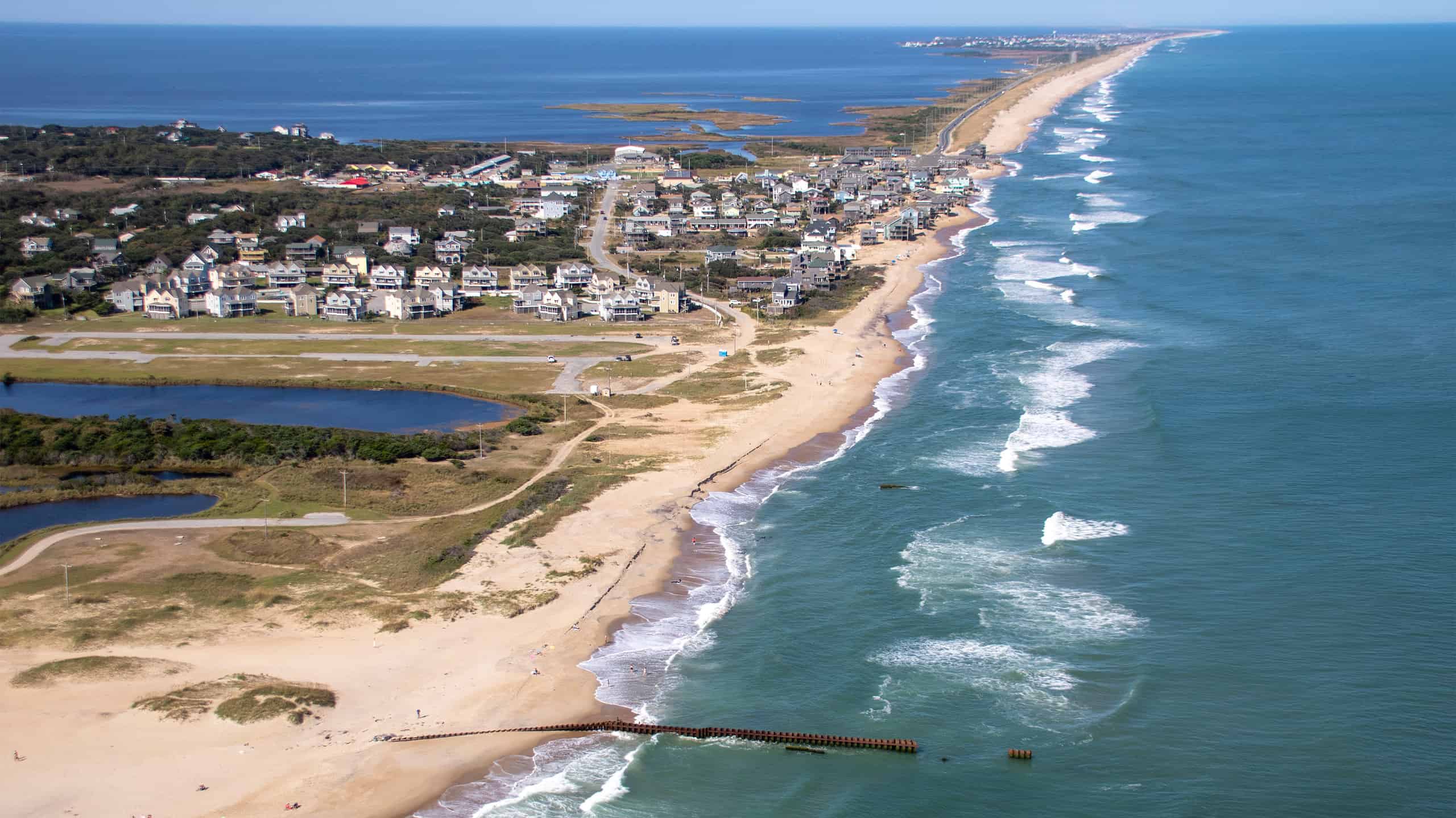
North Carolina gives you options, and that's a beautiful thing in retirement. Want cooler mountain air and an artsy community? Head to Asheville. Prefer warm beaches and coastal living? The Outer Banks awaits. Looking for urban sophistication with top hospitals nearby? Raleigh and Charlotte have you covered. This geographic diversity means you can find exactly the retirement lifestyle you're dreaming of without leaving the state.
The healthcare here is nationally recognized, which becomes increasingly important as we age. The climate offers true four seasons but stays milder than states further north, and your Social Security benefits remain completely tax-free.
North Carolina Pros and Cons
- No tax on Social Security benefits
- Lower cost of living than national average (90.6 index vs. 100 national baseline)
- Generally ranks higher for healthcare with nationally recognized hospital systems and medical research facilities
The downsides include:
- Other retirement income (401k, IRA, pensions) taxed at flat state rate of 4.25% (dropping to 3.99% in 2026)
- Housing costs significantly higher around major metro areas like Raleigh and Charlotte
- Hurricane risks along the coastal regions, particularly the Outer Banks
#6 New Hampshire
New Hampshire earned the top overall ranking for retirement quality last year, and it's not hard to understand why. This state prioritizes what matters most as we age: safety, excellent healthcare, and quality of life. Yes, the winters are cold and snowy, but in exchange you get some of New England's most charming small towns, where neighbors still look out for each other and crime rates remain remarkably low.
The healthcare system here is outstanding, with world-class facilities and specialists who know how to care for aging adults. You can ski in the White Mountains in winter, hike spectacular trails in summer, and drive to the coast for fresh lobster anytime. The tax benefits are substantial, too: no taxes on Social Security or pensions means more money for enjoying your retirement years.
New Hampshire Pros and Cons
- Ranks #1 in the nation for neighborhood safety and personal security
- Top 5 nationally for healthcare access and quality with excellent geriatric services
- No state income tax on Social Security benefits, pensions, or retirement account withdrawals
However, consider these factors:
- Ranked #40 for weather due to harsh, cold winters with significant snowfall
- Only ranks 14th for overall affordability with higher housing costs than many retirement destinations
- Skilled nursing care is expensive at $9,612/month, second highest in New England
#5 Pennsylvania
Don't overlook Pennsylvania if you're the type who loves changing seasons, American history, and vibrant cultural scenes. Lancaster County particularly stands out, offering a unique blend of pastoral beauty, Amish country charm, and surprising sophistication. You're close enough to Philadelphia and New York for world-class museums and theater, but your daily life unfolds at a much gentler pace.
The retirement communities here cater to intellectually curious adults with book clubs, lectures, and arts programs. Pennsylvania also treats retirees exceptionally well when tax season rolls around. Social Security, pensions, and IRA withdrawals are all tax-free. The cost of living runs about 10 to 15% below the national average, which means your retirement savings stretch further here than in many neighboring states.
Pennsylvania Pros and Cons
- No tax on Social Security, pension income, or retirement account withdrawals (401k, IRA)
- Ranks 3rd most affordable state for retirees with housing from $200,000 to $550,000
- Dedicated Department of Aging offers tax rebates, PACE prescription programs, and lenient inheritance tax policies
On the flip side:
- Cold, snowy winters that can be challenging for those with mobility issues
- Property taxes can vary significantly by county, with some areas quite high
- Rural areas may have limited access to specialized healthcare facilities
#4 Arizona
There's a reason Arizona has been synonymous with retirement for decades. With over 300 days of sunshine annually, this state practically begs you to get outside and stay active. The 55+ communities here are lifestyle destinations with championship golf courses, state-of-the-art fitness centers, and social calendars that rival cruise ships.
The dry climate also provides relief for arthritis sufferers, and cities like Phoenix and Tucson offer world-class healthcare like the Mayo Clinic. Just be prepared: summer heat here is no joke, and housing prices in popular areas have climbed significantly.
Arizona Pros and Cons
- No tax on Social Security benefits
- Over 300 days of sunshine perfect for golf, hiking, and outdoor activities year-round
- Extensive network of established 55+ communities with world-class amenities and social connections
The challenges you should know about:
- Extreme summer heat with temperatures regularly exceeding 115°F in Phoenix
- Rising home prices in desirable areas like Scottsdale (median around $900,000)
- Water scarcity concerns and increasing wildfire risks in certain regions
#3 Delaware
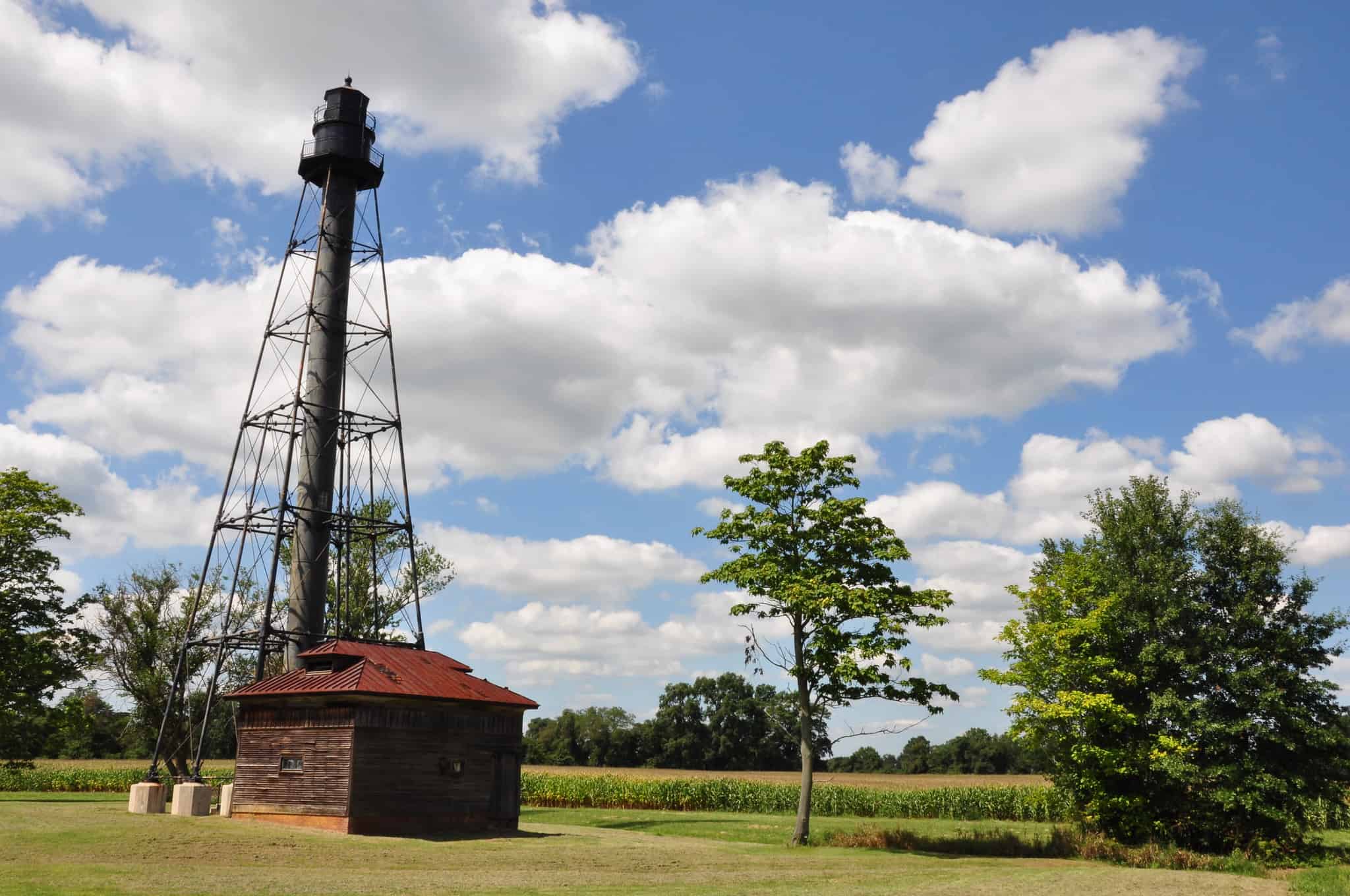
Here's a state that doesn't get nearly enough attention. Delaware offers the charm of coastal living combined with tax benefits. Picture yourself in towns like Rehoboth Beach or Lewes, where you can walk to dinner, spend mornings on uncrowded beaches, and enjoy fresh seafood without the tourist hordes you'd find in more famous beach destinations.
You're also just a short drive from Philadelphia, Baltimore, or D.C. when you want big-city culture. The 55+ communities here have embraced the coastal lifestyle, with clubhouses overlooking the water and social calendars packed with activities. Best of all, Delaware's tax structure means you'll actually keep more of your retirement income than in most other East Coast states.
Delaware Pros and Cons
- No sales tax, no inheritance tax, no estate tax: a true tax trifecta
- No tax on Social Security benefits, plus up to $12,500 pension exemption for those 60 and older
- Very low property taxes at approximately 0.43% rate, among the lowest on the East Coast
But there are some drawbacks:
- Coastal storm risks and flooding potential during hurricane season
- Housing costs near popular beaches can be expensive (homes range from high $400,000s to $600,000s)
- Limited public transportation options outside of urban areas like Wilmington
#2 Tennessee
Tennessee has quietly become one of America's retirement hotspots, and it's easy to see why. You can live well without spending a fortune. Even cities like Memphis are turning into great retirement destinations due to last year's executive order to curb crime.
The retirement communities here are genuinely welcoming, with amenities that rival expensive resort towns but at a fraction of the cost. You'll find pickleball courts, walking trails, fitness centers, and neighbors who quickly become friends.
Tennessee Pros and Cons
- No state income tax, no estate tax, no inheritance tax, and low property taxes
- One of the most affordable states with an average annual cost of living at just $42,469
- Median home prices remain below the national average ($302,628 in Chattanooga), with assisted living at $4,490/month
A few things to watch out for:
- Some retirement income distributions may still be taxed at the state level
- Seasonal tornado risks in certain regions of the state
- High summer humidity can be uncomfortable for heat-sensitive retirees
#1 Wyoming
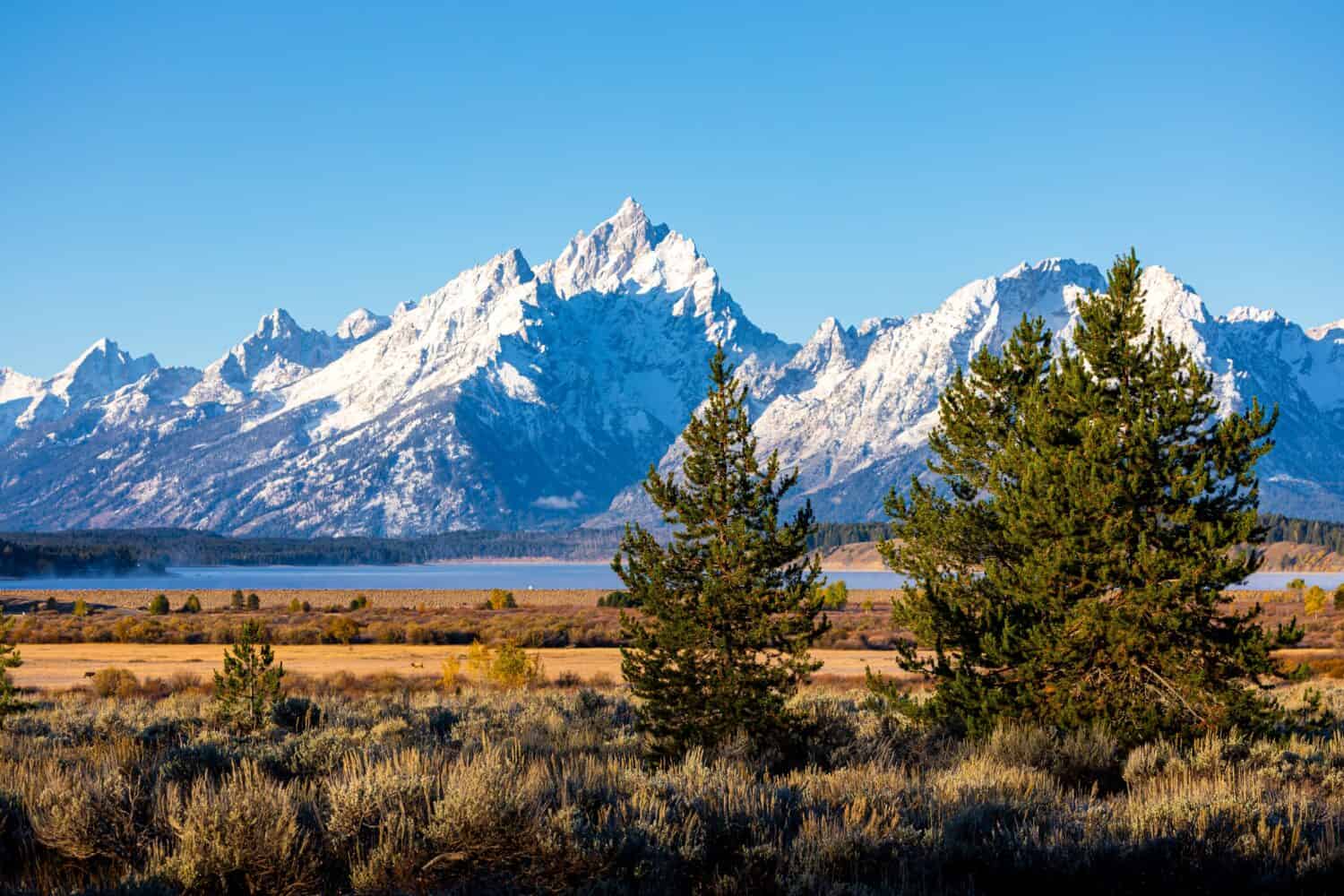
Wyoming consistently ranks as the #1 state to retire in 2026 according to multiple studies, including CareScout and WalletHub. This state is perfect for retirees who want to keep more of their hard-earned money while living surrounded by some of America's most breathtaking scenery. Imagine waking up to mountain vistas, spending afternoons exploring Yellowstone or Grand Teton, and knowing that every dollar of your Social Security and pension stays in your pocket.
The cost of living here is remarkably low, and the state has cultivated a thriving community of healthy, active seniors who embrace the outdoor lifestyle. If you value financial security and natural beauty over bustling city life, Wyoming might just be your retirement paradise.
Wyoming Pros and Cons
- No state income tax on any retirement income (Social Security, pensions, 401k withdrawals)
- Extremely low cost of living at $56,941 annually per person, with property tax median of only $1,659
- Lowest assisted living costs in the nation at just $3,642 per month
But keep these considerations in mind:
- Ranks 39th in healthcare access with a relative scarcity of doctors and medical facilities
- Harsh winters with cold weather conditions that can be challenging
- Remote location and smaller population can feel isolating for some retirees