












Americans With $50K Saved Still Need 20x More to Retire
Retirement savings in the U.S. have hit record highs in recent years, but those gains aren’t shared by everyone. A large portion of Americans over 50 have less than $50,000 saved, a figure that falls far short of what most will actually need. While headlines often highlight millionaire retirement accounts, the reality for many is much more concerning.
In this slideshow, we break down why $50,000 in savings isn’t enough, especially as inflation continues to drive up the cost of essentials like healthcare and housing. Over time, rising expenses can quickly erode limited savings, making it harder for retirees to maintain their standard of living.
The Math Doesn’t Work
Let’s be clear about what $50,000 actually means in retirement. Using the widely accepted 4% withdrawal rule, that amount generates just $2,000 per year, or about $167 per month. For many retirees, that barely makes a dent in basic expenses and offers little real support beyond Social Security.
A Small Cushion, Big Reality
For those relying heavily on Social Security, an extra $167 per month doesn’t go far. After covering essentials like housing, food, and utilities, there’s often little left over. Even before taxes, monthly budgets remain extremely tight.
Costs Are Rising Faster Than Expected
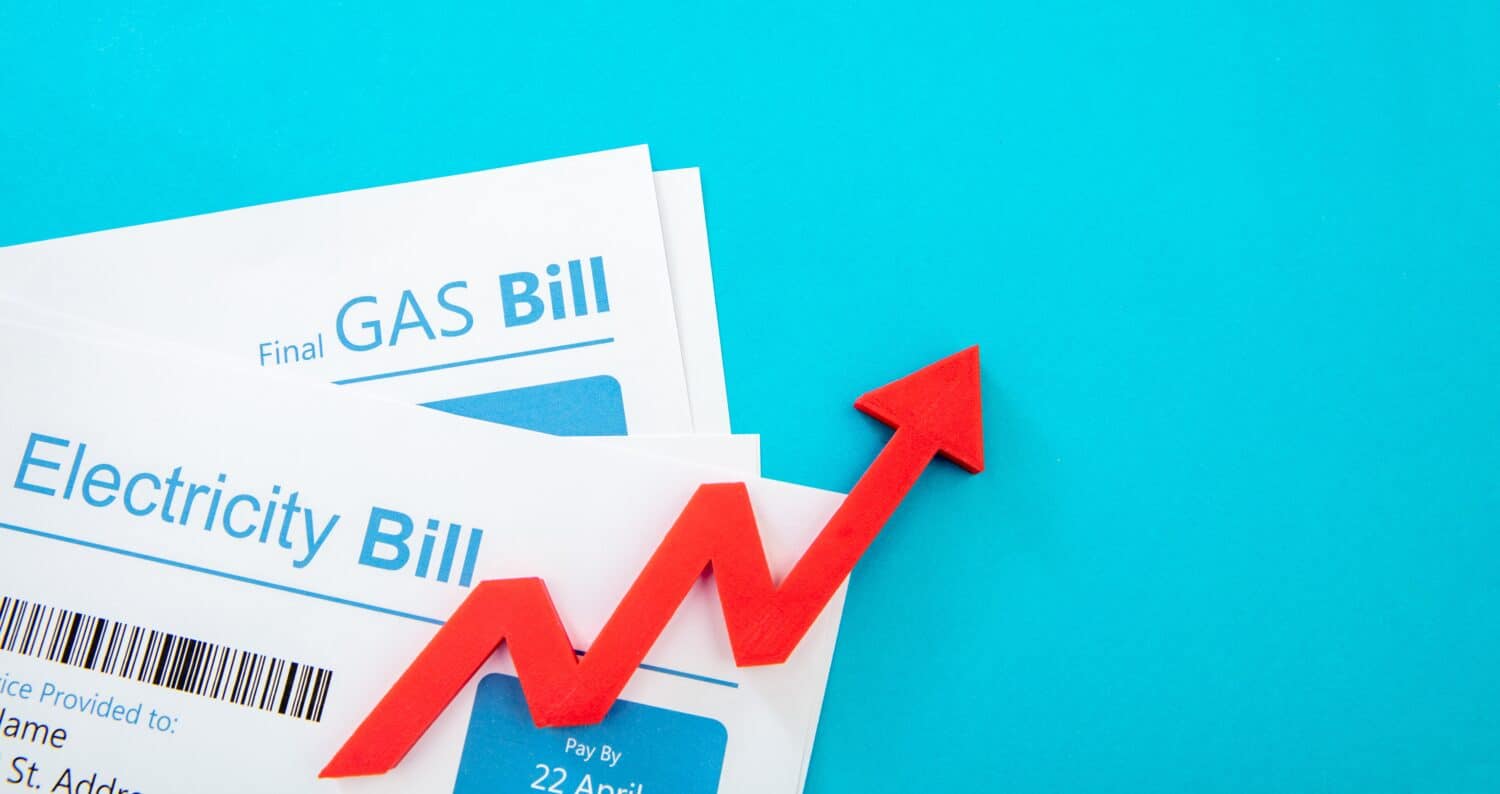
The biggest problem isn’t just low savings, it’s rising costs. Services like healthcare, housing, and utilities are increasing at a much faster rate than other goods. These are the exact expenses retirees can’t avoid, making it harder to stretch limited savings.
Inflation Hits Retirees the Hardest
While general inflation has cooled in some areas, essential services continue to rise. This means retirees are feeling a disproportionate squeeze, as more of their income goes toward unavoidable costs year after year.
Saving Is Getting Harder
Across the country, Americans are saving less. A growing share of income is going toward everyday expenses, leaving little room to build retirement savings. For those over 50, catching up becomes increasingly difficult.
The Safety Net Isn’t Enough
Social Security was never meant to fully fund retirement, yet more Americans are relying on it as their primary income. At the same time, healthcare costs continue to climb, putting additional pressure on retirees with limited savings.
Working Longer Becomes the Default
With limited savings and rising costs, many Americans are delaying retirement. Working into the late 60s or beyond is becoming more common, often out of necessity rather than choice.
A System Under Pressure
For millions of Americans, the issue isn’t just personal savings, it’s a broader system that hasn’t kept up. Rising living costs, the decline of pensions, and uneven access to retirement plans have created a growing gap. For those with less than $50,000 saved, the path to a secure retirement is becoming increasingly difficult.