
Where we heard itCNBC’s Squawk Box, Oct. 6, 2026. Speaker: Misha Laskin, co-founder and CEO of Reflection. Watch the full interview
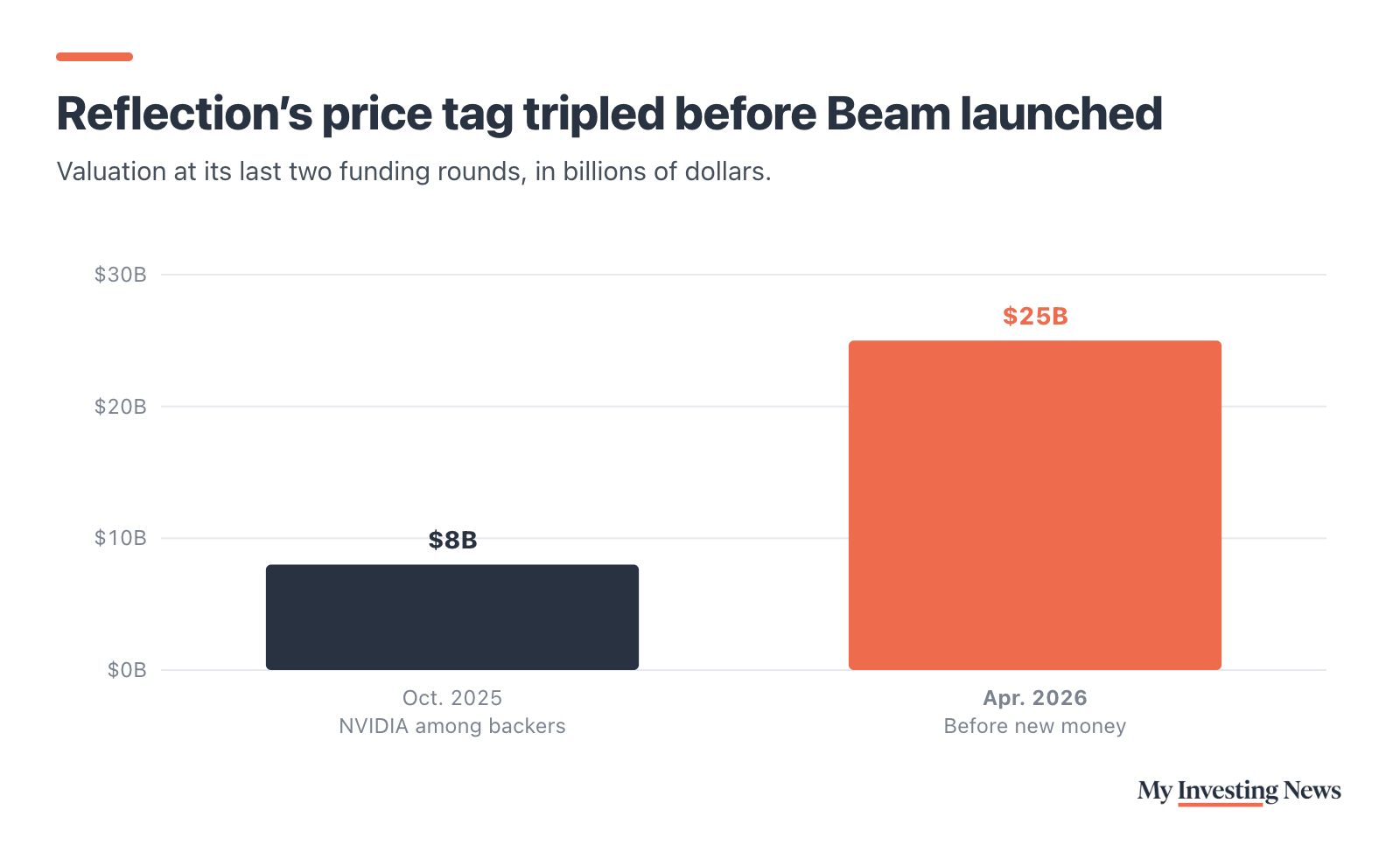
Reflection, a privately held AI company that counts NVIDIANVDA among its backers, has launched an open-weight model called Beam. Technology Org reported that Beam is a 501B-parameter open-weight model, which means companies can download its trained weights and run it on their own hardware. Reuters described Beam as Reflection’s first AI model and said it was built to take on Chinese open models. TechCrunch reported that it was designed to match Chinese models at lower compute cost.
Misha Laskin, Reflection’s co-founder and CEO, gave a CNBC interview on Tuesday. He said enterprises are moving away from closed models, meaning away from vendors they now pay for AI access.
NVIDIA sells the computing hardware either way, whether an enterprise rents a closed model or runs an open one itself, and a move from renting to owning changes who gets margin at the model layer. It does not necessarily change demand for chips.
Why Laskin Says Enterprises Want to Own Their AI
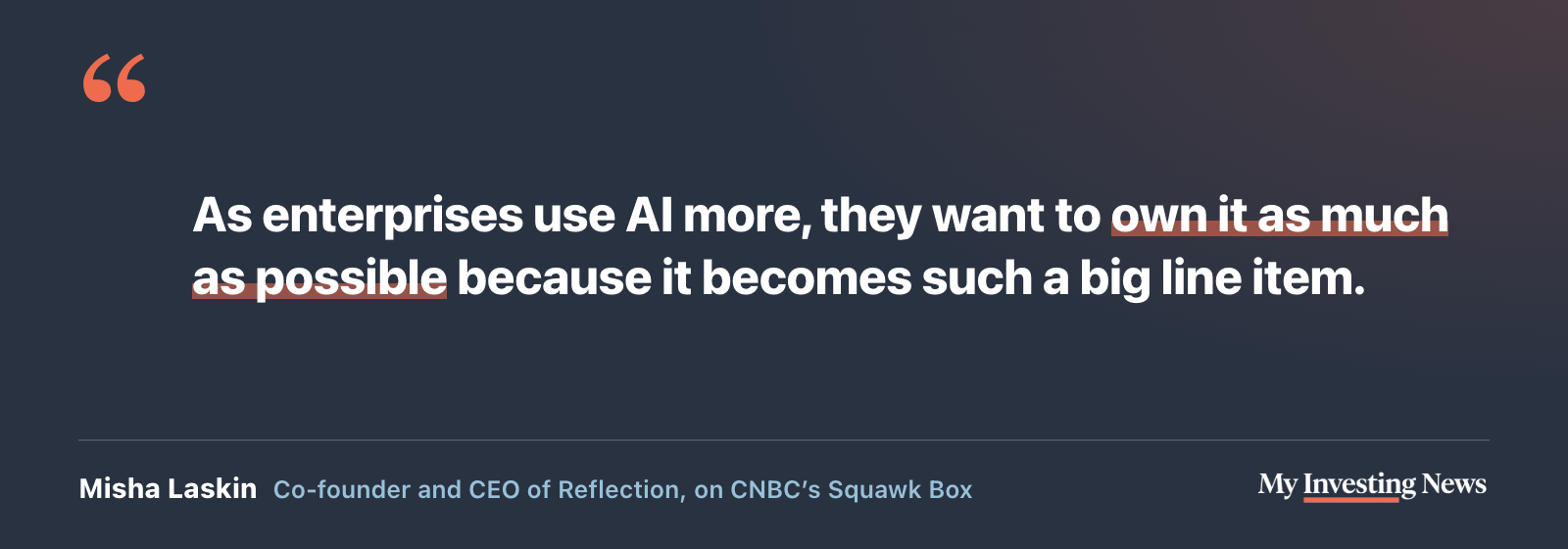
Laskin said a big shift is underway from an “AI rental market to an AI ownership market”. As enterprises use AI more, they want to own it because it becomes a major cost line item.
Laskin compared using a closed model to renting an apartment. In his view, once AI becomes a big line item for a company, it wants to own and control it.
Two Efficiency Claims to Keep Separate
Laskin said Beam solves comparable tasks 3 to 4 times faster at inference, making it cheaper for enterprise use.
Trade coverage has described the efficiency differently. A shattered.io headline said Beam claims 4x Less Compute. That measures computing power required; Laskin’s claim measures inference speed. Both come from the company and neither has been independently verified.
A Bank Executive’s Air-Gapped High Schooler
Laskin’s most striking example came from a bank executive. The executive told him the bank needs only an “air-gapped high schooler” rather than geniuses in a data center. Laskin took this to mean AI intelligence is now good enough for many critical workloads, and what matters now is control and the ability to customize models on a company’s own data.
If that view spreads, the return for having the smartest model shrinks for most enterprise work. Competition would then turn to cost, security, and control over data.
Pushback on Closed-Model Economics
The CNBC host asked Laskin about the obvious consequence: if more customers pick open-weight models because they are meaningfully cheaper, that changes closed-model economics. Laskin agreed that some margin compression might happen at the model layer but argued the market is still early and very large.
Where NVIDIA Shares Stand Today
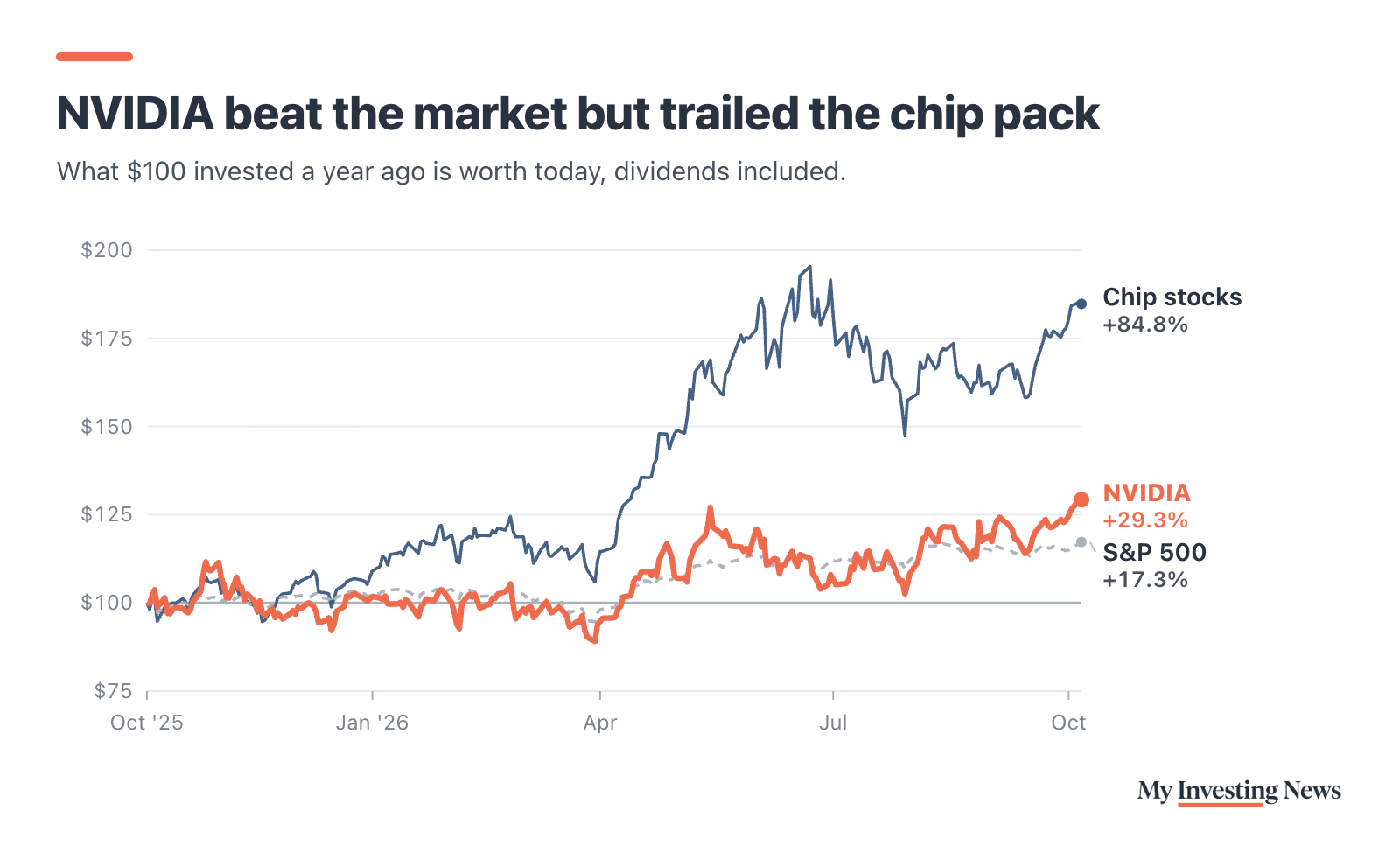
NVIDIA closed at $239.24 on Tuesday, October 6, 2026, up 0.14% on the day. The stock has gained 28.3% year to date and 28.9% over the past twelve months. There is no evidence that the Beam launch moved the stock. NVIDIA’s filings and announcements are available on its investor relations site.
NVIDIA by the numbers
NVIDIA’s ties to this part of the market go beyond Reflection. NVIDIA agreed on September 2 to buy Hugging Face, a major hub for sharing open models, for about $11.9 billion plus up to $1 billion in stock for Hugging Face employees who join, according to its filing. The deal is expected to close in the first half of 2027. TechCrunch has also reported that Ilya Sutskever’s Safe Superintelligence has partnered with NVIDIA to scale its AI research. Taken together, these arrangements show that NVIDIA’s hardware sits beneath both the open and closed sides of the model market.
What Remains Unresolved
Beam is a newly launched model, and the speed and cost claims come from its maker. Whether enterprises actually move from renting AI to owning it is still Laskin’s thesis, with no results yet to prove or disprove it. Reflection is private. So most readers who want exposure to this debate can only get it through public companies at the hardware layer, such as NVIDIA.
Laskin argues that companies will shift from renting closed AI models to owning open ones like Beam as AI becomes a bigger cost. NVIDIA sells the chips either way, and its bets now span both the open and closed sides of the model market. The risk is that Beam’s speed and cost claims come from Reflection itself and have not been independently tested.