






















States Where Retirement Savings Stretch the Furthest
Most retirement planning conversations focus on how much you have saved, and this is important, no question about it. However, there is also a second variable to consider that gets much less attention and arguably matters just as much: where you spend it.
The same $500,000 nest egg might last just eight years in coastal California could stretch well past a decade in parts of the Midwest or Deep South. The same Social Security check that barely covers rent in Hawaii can handle nearly half of all living expenses in Kansas. Geography isn't just a lifestyle preference, it's also a financial lever that needs to be pulled.
In today's world, the data makes a strong case for paying attention to it, as according to reports from LeadingAge and the National Council on Aging, nearly 45% of households headed by those 60 and older don't earn enough income to cover basic living expenses. In the same report, it's determined that 80% of people couldn't weather a serious financial emergency. This is why location matters, and why lists like these exist.
How These Rankings Were Built
The rankings here draw from cost-of-living data supplied by Investopedia, which used county-level housing, food, and transportation costs, as well as analysis by FinanceBuzz, which looked into how far Social Security stretches in each state.
Rather than relying on any single metric, this list looks at three different lanes: raw affordability, income replacement, and real-world living to help identify the states that consistently show up as strong options for retirees trying to make their money list.
On the plus side, the numbers only tell part of the story, as the monthly cost of living, average retirement income, and Social Security are all useful data points per GoBankingRates.
However, you also have to consider healthcare quality, transportation, and community engagement, as a low cost-of-living means very little if you are isolated and far from medical care or enjoy awful weather six months out of the year.
12. Pennsylvania
Cambria County clocks in at roughly $2,533 a month in combined housing, food, and transportation costs, making it an ideal location on Pennsylvania's eastern coast. Average retirement income in the state runs around $24,392 annually, but Pennsylvania also exempts Social Security, pensions, and most retirement income from state taxes.
11. West Virginia
Ohio County offers a monthly cost of living of around $2,515, with housing coming in at just $742 monthly, but the tradeoff is that West Virginia ranks dead last nationally in average retirement income at $21,118 annually. Stretching every dollar is a must, and for retirees who have modest portfolios for supplemental income, cash flow here has to stretch further than anywhere else in the country.
10. Tennessee
Tennessee charges no state income tax on wages, Social Security, or investment income, a meaningful advantage for retirees living on dividends, pensions, and withdrawals. The FinanceBuzz analysis found that Social Security covers roughly 42% of annual retirement expenses here. On the plus side, annual living costs come in at around $55,827, a moderate number nationally, and the state's healthcare network has been expanding steadily.
9. Indiana
Indiana might not be at the top of any list of retirement destinations, but it shouldn't be overlooked. Social Security covers approximately 43% of annual retirement expenses, one of the highest ratios in the country, against total annual costs of $56,012. The state does offer plenty of affordable housing, accessible healthcare, and stable costs, which make it an ideal retirement destination if you can skip the "flash" of coastal living.
8. Georgia
Among the best places to look in Georgia would be Ware County, where the cost of living hovers around $2,500 monthly, thanks to some of the lowest food expenses in the nation. Average retirement income is around $27,961 annually, which can be stretched more here than in most other Southern metros. Cultural hotspots like Savannah and Atlanta offer balanced options with affordability without isolation.
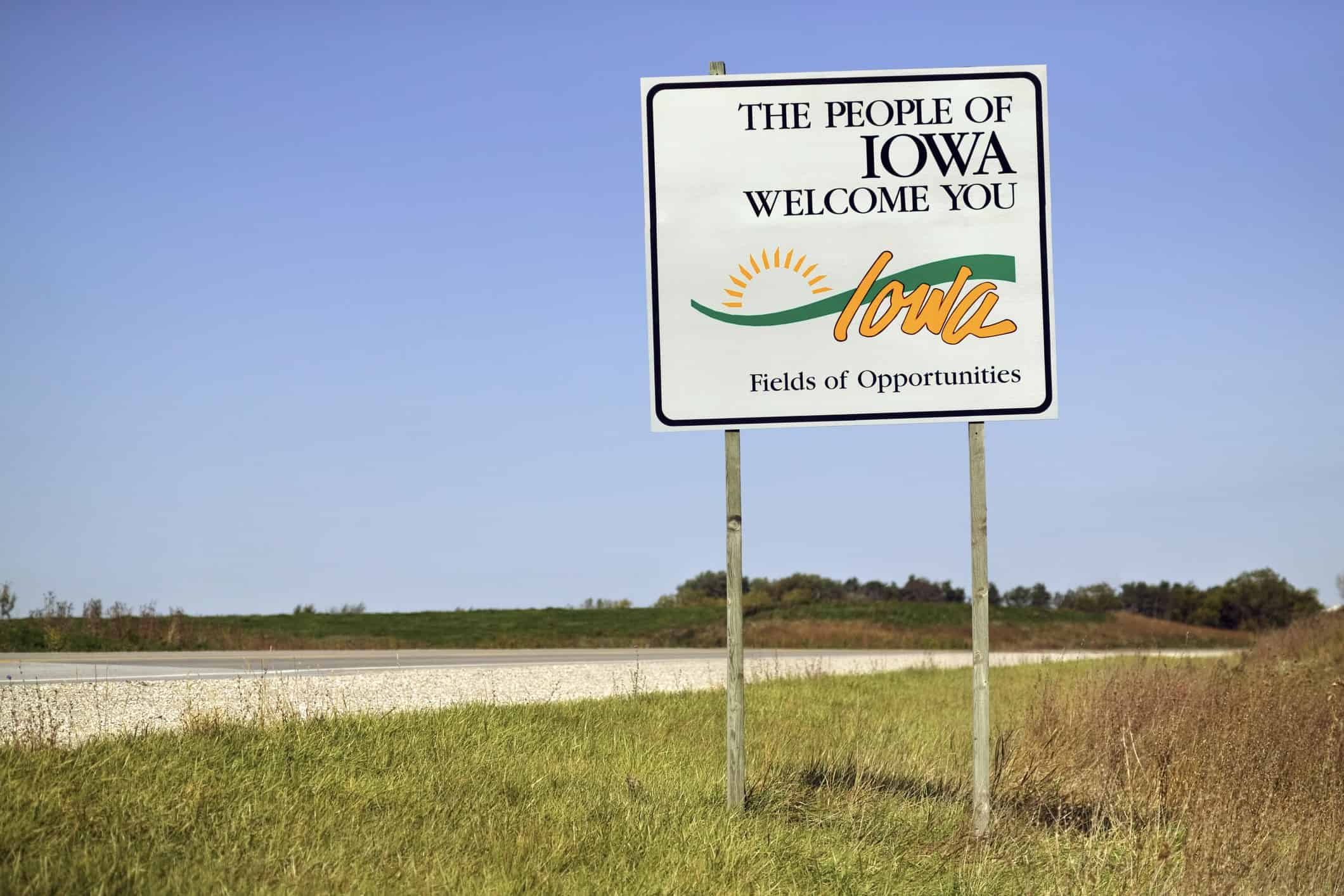
7. Iowa
Social Security checks in Iowa should cover around 42% of annual retirement expenses, placing it in the top 5 nationally on this metric. Annual costs run around $55,827, but the state's college towns, like Iowa City, offer access to excellent medical care, cultural life, and moderate living costs.
6. Arizona
La Paz County in Arizona comes in hot with an average monthly cost of living around $2,418 in core costs, with housing as low as $539 monthly. Average retirement income sits around $28,725, and the state remains popular thanks to its dry climate and plenty of outdoor activities. Home costs are rising, but the value proposition remains strong for those who look outside of areas like Phoenix.
5. Texas
Without a state income tax, no tax on Social Security or retirement income, and property tax deferrals for those 65 and older, Texas checks a lot of positive boxes on paper for retirees. Maverick County, along the Rio Grande, offers monthly costs as low as $2,500 annually, and food expenses only average $470 monthly. The catch is that property taxes are among the highest in the nation, and home insurance premiums are rising due to storms and floods.
4. Missouri
Butler County residents will pay around $2,495 a month for housing, food, and transportation, while Social Security income is exempt from state income taxes. Eligible seniors can qualify for a property tax credit, and the average retirement income arrives at around $24,125 monthly. This means that the low cost of housing here isn't just convenient, it's what makes the math work for so many.
3. Oklahoma
Oklahoma appears near the top of many lists thanks to areas like Choctaw County, where the combined monthly cost runs around $2,499. Social Security is said to cover around 44% of annual retirement expenses, the second highest in the country. Annual costs are also among the nation's lowest at around $52,179, but the tradeoff is that low retirement income hovers around $23,963, and it's hard to beat Oklahoma's purchasing power.
2. Kansas
Kansas leads the entire nation in Social Security coverage, with the average annual payment handling approximately 44.8% of retirement expenses. The total cost of living hits around $54,961 annually, low enough that a retiree pulling in just $25,000 from Social Security can cover half the cost of living before touching any part of a nest egg. Kansas offers affordable living, manageable healthcare costs, and a stable cost structure.
1. Mississippi
A surprising number one on the list, Mississippi tops cost-of-living ranks with Adams County coming in at just $2,350, which helped make it the top locale for Investopedia. Housing runs around $592 monthly, and the state doesn't tax retirement income, including pensions and Social Security. Homeowners over 65 can also qualify for property tax exemptions alongside their $23,347 average retirement income.