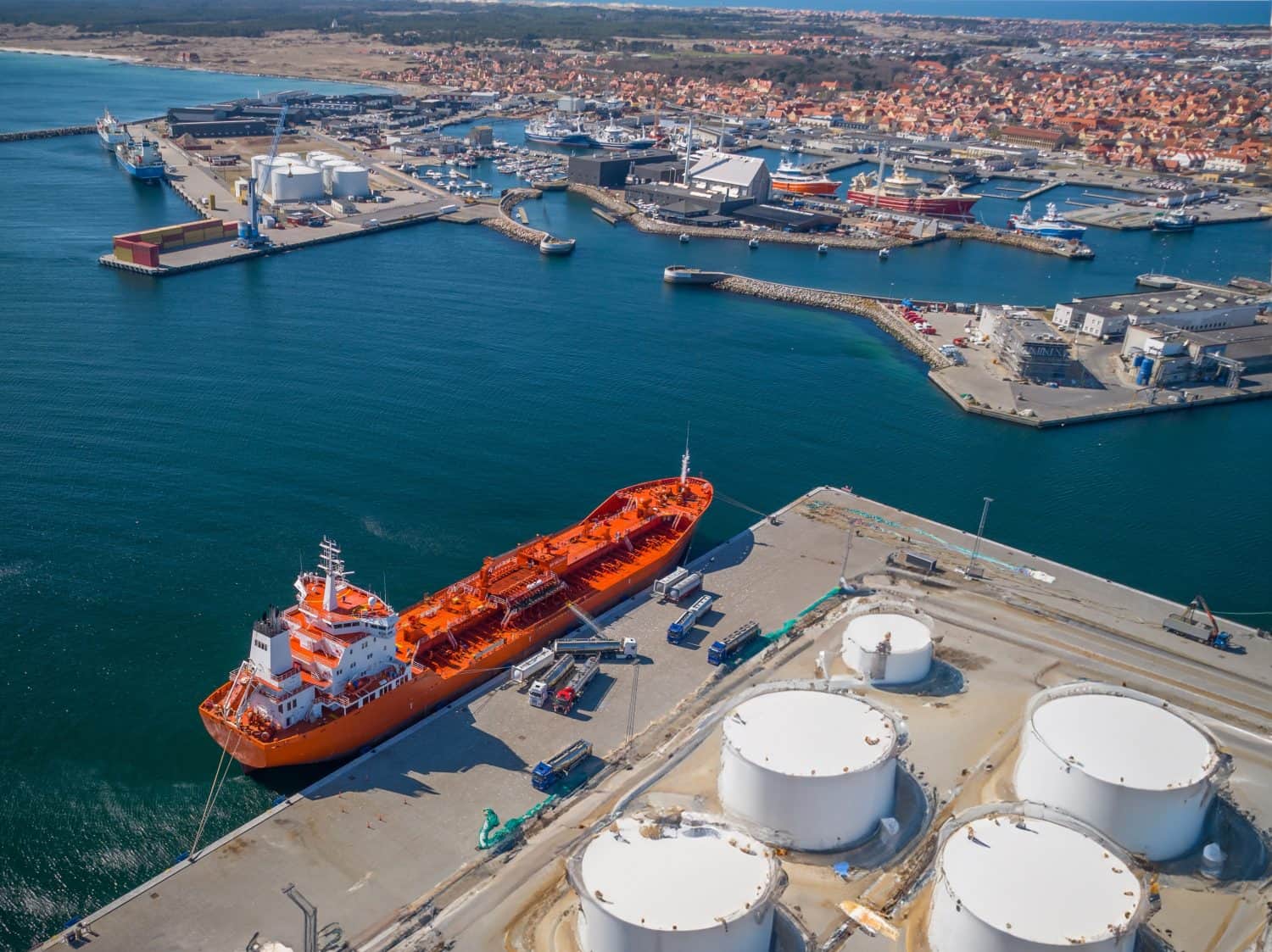
Oil tankers are moving through the Strait of Hormuz again, and the geopolitical picture has improved. Fuel costs have barely followed. Amrita Sen, founder and director of research at Energy Aspects, explained to CNBC: the published crude benchmark has stopped tracking what refineries actually pay, and shipping is now the biggest cost.
What Brent and WTI Show Right Now
In the latest published daily observations from the Federal Reserve Bank of St. Louis, Brent crude was at $113.96 on September 29, 2026, down 5.0% from the prior day. West Texas Intermediate (WTI) was at $96.16 on the same date, down 3.2% from the prior day.
Brent peaked at $130.80 on September 15, 2026, and fell to $97.59 on September 2, 2026. WTI peaked on the same mid-September date at $107.02 and fell to $85.23 on September 25, 2026. Oil has dropped well below its September peak, yet Brent still sits clearly above where the month began.
Sen Says Refiners Pay Far More Than the Benchmark Shows
Sen’s core claim: “The cost of crude to a refinery, which is what we care about, has gone up five times versus the benchmark because shipping has gone up so much.”
That five-times figure comes from Sen’s own analysis. No public benchmark tracks delivered refinery cost the way Brent and WTI track spot oil, so investors should treat her multiple as an expert estimate they cannot verify against a published price series.
Why Moving a Barrel Out of the Gulf Got So Expensive
Sen described the logistics: “Today sometimes you need 2 to 3 vessels per load to get it out because you’re doing what is called ship-to-ship transfers. It’s basically going dark. Then you load it to another vessel outside of Hormuz.”
A cargo that once needed one tanker can now need several. Each ship-to-ship transfer adds handling time and delay risk. When a vessel goes dark, it turns off its location signal, making insurance and charter terms more expensive. Reloading outside the Strait adds days at sea. Owners charge for all of that risk, and the extra cost goes into the price of every delivered barrel, even when the benchmark falls.
How Shipping Costs Reach the Diesel Pump
Sen then put a number on it: “Shipping costs are now like 30 dollars per barrel.” She added that “crude is only 40 to 50% of diesel price.”
Her conclusion follows: if oil makes up less than half of what diesel costs and the rest is rising, a lower benchmark will not bring diesel down by the same amount. In Sen’s view, freight, handling and risk premiums are filling the gap that cheaper oil leaves behind.
Sen Ties Freight Costs to Stubborn Inflation
Sen linked her point to the wider economy: “I think that’s why inflation hasn’t come down.” That is her opinion. Her case is plausible, and fuel costs feed into almost every supply chain, but no data presented here shows that oil logistics are driving any particular price index.
She also pointed out that better flows through Hormuz have not restored full supply: “We are still about 2.5 million barrels per day lower than where we used to be.” Amrita Sen’s estimate means the physical market remains tight even as tanker traffic picks up.
Should Drivers Expect Relief If Crude Keeps Easing?
Based on Sen’s argument and the benchmark data, a lower benchmark alone looks unlikely to bring quick relief at the pump. The drop from the mid-September peak is real, but the cost of moving those barrels has risen in ways the benchmark never shows, and that cost now makes up a large share of the final fuel price.
Three things will show whether that changes:
- Shipping rates: whether charter and insurance costs return to normal as tanker traffic picks up.
- Direct passages: whether cargoes can leave the Gulf on a single vessel without ship-to-ship workarounds.
- Delivered cost versus benchmark: whether the gap between quoted oil and what refiners actually pay shrinks.
Until those move, the benchmark price will keep giving drivers and investors only part of the picture.