
Social Security was never designed to cover everything, and, on average, its benefits replace about 40% of a retiree’s pre-retirement income, with roughly 42% of women and 37% of men over 65 relying on it for at least half of their income. Most importantly, where you can live can also make an enormous difference in how far this check actually goes.
AARP, working with cost-of-living data from the Elder Index at the University of Massachusetts Boston, crunched the numbers for all 50 states to see how the average Social Security retirement benefit stacks up against basic monthly expenses. The Elder Index draws on federal data covering housing, healthcare, food, transportation, and other essentials for a single person over 65 in good health. It does not include entertainment, travel, or gifts, just the baseline of keeping the lights on and the bills paid.
The ranking below focuses on homeowners still carrying a mortgage, likely the most common situation for retirees in 2026. The benefits reflect the 2025 cost-of-living adjustment that applies to the December 2024 SSA payment data. Unfortunately, no state on this list lets Social Security cover the full tab, but these 20 give your fixed income the best fighting chance.
20. Utah

Utah ranks in the top 20 with an average benefit of $2,065, covering 67.1% of $3,077 in estimated monthly expenses. Like Arizona, Utah tends to produce stronger-than-average benefits because its workforce historically earned above-average wages. The trade-off is a higher monthly expenses baseline, as retirees in Utah’s smaller communities and more rural locations will generally see a better personal ratio than the statewide figure might suggest. For retirees with lower housing costs, especially those who bought before the state’s recent growth, the monthly math may look meaningfully better than the headline estimate for the state as a whole.
19. Kansas
The state of Kansas posts an average benefit of $2,055 against $3,053 in monthly expenses, which roughly means 67.3% of those expenses are covered by fixed income. The higher expense figure relative to some peers reflects that the state of Kansas has a higher cost baseline than deep-south alternatives, but the stronger average benefit helps compensate. Kansas eliminated its state tax on Social Security benefits in 2024, improving the net picture for retirees beyond what this gross expense ratio captures. That tax change gives retirees a little more breathing room, especially those relying heavily on Social Security each month in retirement.
18. Louisiana
Louisiana’s average benefit of $1,818, the lowest on the list, covers 67.4% of $2,699 in estimated monthly expenses. The state’s low overall cost structure, particularly for housing, is what keeps it competitive despite some more modest average benefits. Retirees who call Louisiana home and have owned their home for many years and carry a small remaining balance may find the numbers work reasonably well in practice. Lower housing costs can make a major difference here, since a smaller mortgage payment leaves more of the average benefit available for food, utilities, healthcare, and other regular expenses each month in retirement years.
17. Delaware
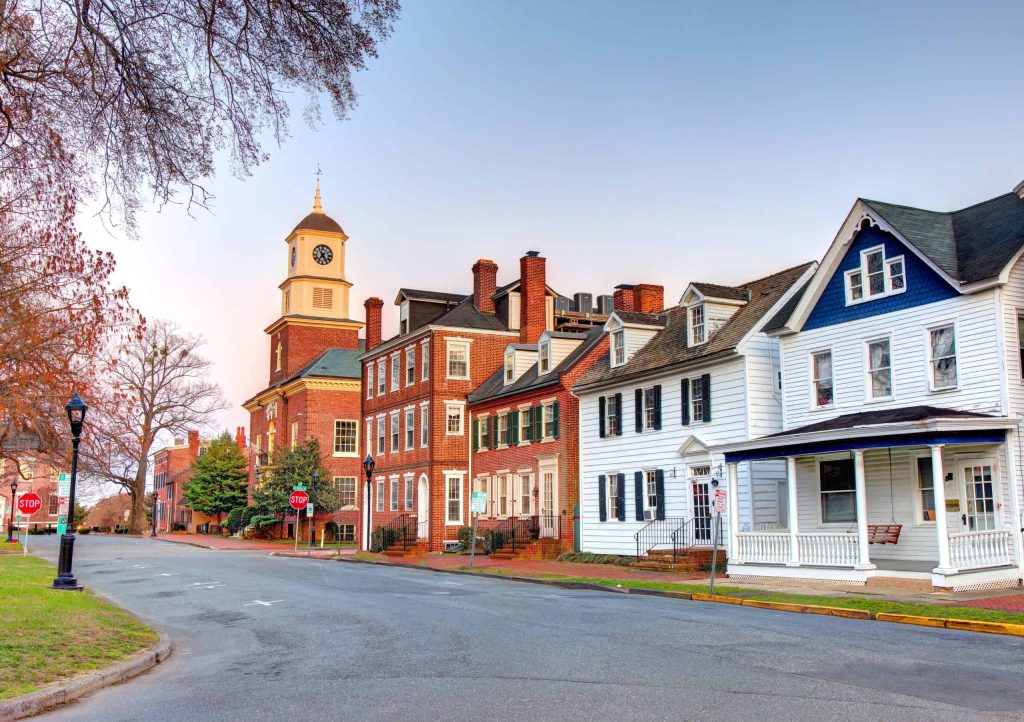
Delaware carries the highest average benefit on this list at $2,171, reflecting a workforce with above-average lifetime earnings, but also the highest monthly expense figure at $3,223, which drops it to 67.4% coverage ratio. For retirees already living in the state with a paid-off home, the picture looks dramatically different. Ultimately, Delaware ranks first nationally for homeowners without a mortgage, at 107.3% coverage.
16. Idaho
Idaho ties 67.4% coverage, with a $1,951 average benefit against $2,894 in estimated monthly expenses for a mortgage-carrying retiree. Idaho has seen significant population and cost growth in recent years, particularly in the Boise area, and that pressure shows up in a higher expense figure than many similarly sized states. Still, taken as a whole, Idaho ranks in the top 20. Retirees outside the state’s fastest-growing housing markets may find the ratio looks better in practice, especially in smaller communities where home prices, property taxes, and daily expenses can be easier to manage on a fixed income.
15. Pennsylvania
Pennsylvania’s higher average benefit of $2,052 covers 67.9% of the estimated monthly expenses of $3,022, the highest among the top 15. The benefit figure reflects the state’s historically strong wage base, but so does the cost of living. However, Pennsylvania’s basic expense number is notably higher than that of many other states on this list. Retirees in rural or smaller-city areas will likely see more favorable ratios than the statewide average suggests. That makes location especially important within Pennsylvania, where costs can vary sharply between larger metro areas, older industrial cities, and small towns across the state.
14. Oklahoma
Looking at Oklahoma, retirees receive an average benefit of $1,922, which covers 68.3% of $2,816 in estimated basic monthly expenses for a mortgage-carrying retiree. The state tends to fly under the radar in retirement planning conversations, but its affordability profile is strong and consistent. Housing costs in particular remain low by national standards, which is the single biggest factor in how far a fixed income stretches. For retirees with a manageable mortgage or long-held home, Oklahoma can offer a more stable monthly budget than many better-known retirement destinations, especially when everyday costs remain relatively modest.
13. Missouri

Shutterstock ID: 1175969386, Photographer: Sean Pavone
Retirees who call Missouri home can see the average benefit of $1,937 covering 68.6% of the $2,823 they need in estimated monthly expenses. On the plus side, the state does offer retirees a wider range of affordable communities, particularly in smaller cities and rural areas where housing costs remain low. The monthly gap of roughly $886 between average benefit and basic expenses is a manageable shortfall for retirees with modest supplemental savings.
12. Ohio
Ohio’s average retirement benefit of $1,923 covers approximately 68.6% of $2,802 in estimated monthly expenses. Like several Midwest neighbors on this list, Ohio benefits from a combination of solid lifetime wages producing reasonable benefits and a cost of living that stays manageable, especially for those outside Columbus and Cleveland, where housing costs moderate significantly.
11. Kentucky
Kentucky’s average benefit of $1,866 covers roughly 69.1% of the $2,702 in estimated monthly expenses for a homeowner with a mortgage. Modest housing costs are the primary driver here, and Kentucky consistently ranks among the most affordable states for older Americans. The gap between benefit and basic expenses, which runs around $836 per month, is one of the smaller shortfalls on this list.
10. North Carolina
Retirees in North Carolina average a monthly benefit of $1,980, which covers 69.3% of the estimated basic expenses of $2,859 for a mortgage-carrying retiree. The state’s affordability advantage is strongest in smaller cities and rural areas, while costs in coastal and mountain resort communities tend to run higher. For retirees living in the state’s lower-cost pockets, the numbers look even better than the statewide average suggests.
9. Iowa

Iowa retirees carrying a mortgage see their $1,992 average benefit cover 69.4% of $2,869 in basic monthly costs. Iowa doesn’t attract the same retirement migration attention as Sun Belt states, but its consistent affordability across housing, healthcare, and everyday expenses keeps it near the top of the AARP rankings year after year.
8. Arizona
For its part, Arizona’s average benefit of $2,020 covers roughly 69.7% of the $2,898 in estimated monthly expenses for a mortgage-holding retiree. The state ranks well despite having higher overall expenses because average benefits in Arizona tend to be stronger, reflecting higher lifetime earnings among its retiree population. It’s a destination state where the numbers still hold up reasonably well.
7. Arkansas
Arkansas posts the lowest average monthly benefit of this top-10 list at $1,852, but its equally low cost of living, which is $2,647 in estimated basic monthly expenses, keeps it in the running at 70.0% coverage. For retirees already living in the state, the cost-to-benefit ratio is one of the better deals in the country. Housing in particular skews low relative to most states.
6. Michigan
Michigan’s higher average benefit of $2,066, one of the biggest figures on this list, covers roughly 70.5% of monthly expenses, which are estimated at $2,929. The state’s mix of solid working-year wages producing stronger benefits, paired with a cost of living that stays in check outside major metro areas, keeps it competitive for retirees who are living on fixed incomes.
5. South Carolina

Retirees who live in South Carolina receive an average benefit of $1,996, which covers roughly 70.6% of the $2,828 in estimated monthly costs for a mortgage-carrying retiree. The Palmetto State has become increasingly attractive to retirees in recent years, and its relatively modest basic expense load relative to peers in the Southeast helps Social Security extend more than in many comparable Sun Belt destinations.
4. Tennessee
Tennessee’s retirement community with a mortgage sees an average monthly benefit of $1,958, which covers 70.8% of the $2,765 in basic expenses they need monthly, putting it fourth nationally. The state has no income tax on wages, which adds a meaningful edge for retirees managing a budget, and its cost of living remains well below the national average across most metro and rural areas alike.
3. Alabama
Alabama’s average Social Security retirement benefit of $1,920 covers 71.5% of the $2,685 in monthly expenses for a mortgage-holding retiree, placing it third on the AARP list. The state has long been among the lowest-cost places to retire in the South, and the cost advantage shows up clearly in how far a fixed Social Security income stretches here.
2. West Virginia
West Virginia retirees collect an average benefit of $1,898 against estimated monthly expenses of $2,564, covering 74.5% of basic costs. The state has consistently ranked near the top of affordability for older Americans, thanks largely to low housing and transportation costs relative to its neighbors. This is a state where a modest benefit goes meaningfully further than any national average number suggests.
1. Indiana

Shutterstock ID: 1007807809, Photographer: Sean Pavone
Indiana ranks first in the country for mortgage-carrying retirees, with an average monthly benefit of $2,034 covering 77.2% of the $2,636 in estimated basic monthly expenses. This is the closest any state comes to making Social Security a near-complete income source for homeowners with a remaining mortgage. Unsurprisingly, low housing costs across much of the state drive the favorable ratio.