
A low cost of living can make a state look perfect for retirement, but the full picture is often more complicated. Income taxes, property taxes, insurance premiums, healthcare access, housing costs, severe weather and local services can all change how far a fixed income stretches. This ranking highlights 20 states where one or more of those pressures may create unpleasant surprises for retirees. It is not a universal verdict, since the right choice depends on income, health needs, family ties and the community selected. Before moving, compare a realistic household budget and confirm how the state will tax each source of retirement income.
Updated July 25, 2026. Tax laws, deductions and local costs can change. Readers should verify current rules and consult a qualified tax or financial professional before relocating.
20. New Mexico

New Mexico can appeal to retirees with its sunshine, scenery and relatively attainable housing in many communities, but the financial picture deserves a close look. The state taxes ordinary retirement distributions through its graduated income tax, which reaches 5.9%, although qualifying residents can exclude federally taxable Social Security benefits below specified income limits. Healthcare access is another concern outside the largest population centers, where provider shortages can make routine and specialty care harder to obtain. Crime levels also vary sharply by city and neighborhood. A retiree considering New Mexico should compare local medical networks, insurance costs and taxes rather than relying on statewide averages alone.
19. Indiana

Indiana remains more affordable than many coastal states, but it is not automatically tax free for retirees. The statewide individual income tax rate is 2.95% in 2026, and many counties impose an additional local income tax. Social Security benefits can be deducted from Indiana taxable income, while most private pensions, IRA withdrawals and 401(k) distributions generally remain taxable unless a specific deduction applies. Housing and property taxes can be manageable, which helps offset some of that burden. The bigger practical issue may be location: retirees in rural areas can face longer trips for specialists, while larger cities may bring higher housing costs and neighborhood specific crime concerns.
18. Nevada

Nevada does not impose an individual income tax, so Social Security, pensions and retirement account withdrawals escape state income taxation. That advantage can be meaningful, but it does not guarantee a low cost retirement. Housing prices and rents have risen substantially in popular areas around Las Vegas and Reno, while summer cooling bills, vehicle expenses and insurance can add pressure to a monthly budget. Healthcare access is strongest in the major metro areas and becomes much thinner across rural Nevada, where specialist care may require a long drive. Retirees should also consider extreme heat, wildfire smoke and water constraints when deciding whether the state’s tax savings outweigh its other costs.
17. Tennessee
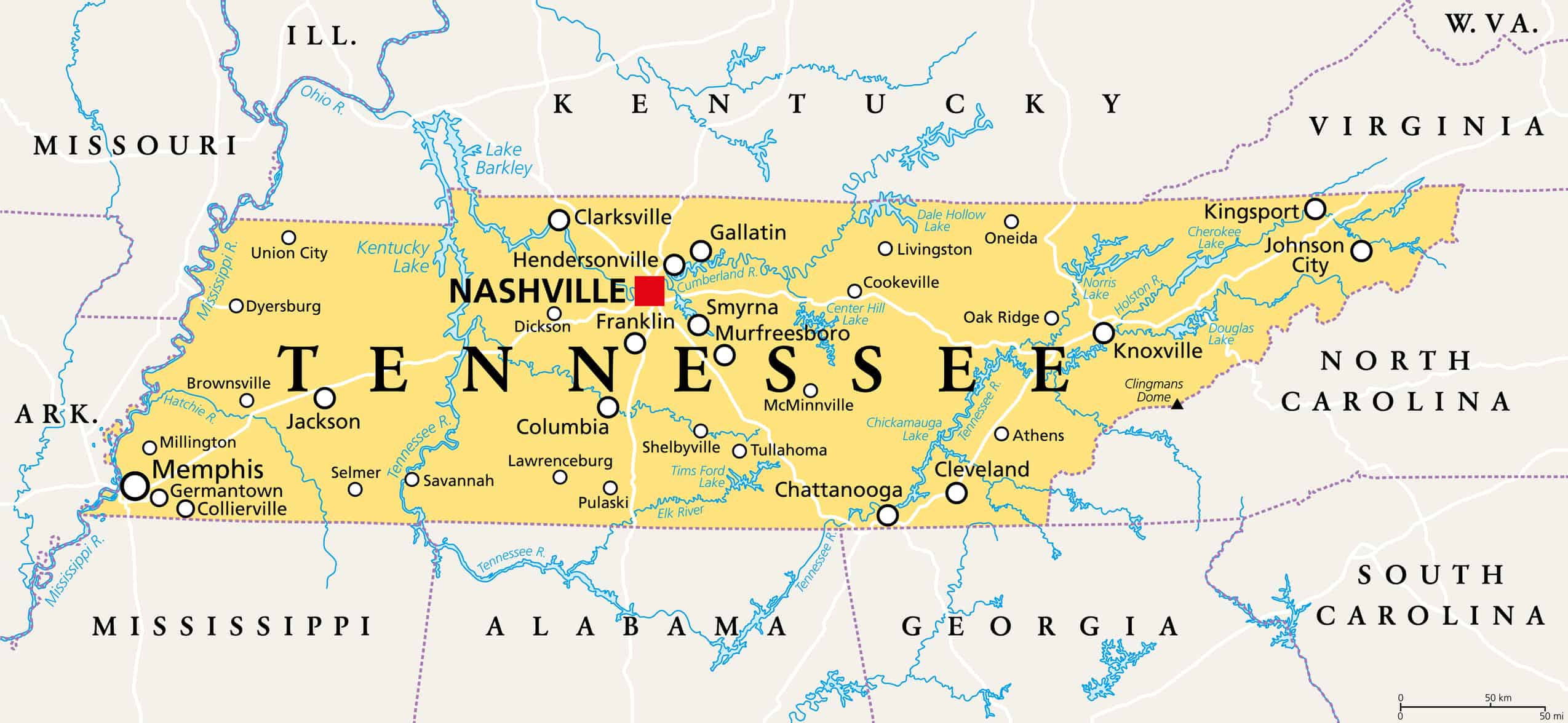
Tennessee is often marketed as a retiree friendly state because it has no broad individual income tax and generally does not tax Social Security, pensions or retirement account withdrawals. The tradeoff is a heavy reliance on sales taxes, including local additions that can make everyday purchases more expensive. Housing remains affordable in some communities, but popular areas around Nashville, Knoxville and Chattanooga have become much pricier. Rural retirees may also find fewer specialists and longer travel times for advanced treatment. Severe storms, tornadoes and flooding can affect insurance costs in certain counties. Tennessee can still work well, but the budget should account for consumption taxes, healthcare travel and local housing trends.
16. Vermont

Vermont offers beautiful small towns and a slower pace, yet maintaining that lifestyle can be expensive on a fixed income. The state uses graduated income tax rates that range from 3.35% to 8.75%, and retirement distributions may be taxable even though qualifying households can receive relief for Social Security income. Housing supply is limited in many communities, while property taxes, heating fuel, home maintenance and winter transportation can consume a larger share of a retiree’s budget than expected. Vermont’s rural character also means that some residents travel farther for specialty care. Anyone drawn to the scenery should price a full winter budget and confirm how state tax rules apply to every income source.
15. Connecticut
Connecticut combines excellent access to major medical systems with some of the highest recurring housing costs in the country. Its individual income tax has graduated rates from 2% to 6.99%, although eligible retirees may qualify for Social Security adjustments and pension or annuity income relief that phases out as income rises. Property taxes vary by town and can remain substantial even after a mortgage is paid off, while utilities, insurance and home services may also exceed national norms. The state can be comfortable for retirees with strong income and family ties nearby, but fixed income households should compare municipal tax bills carefully because two towns only a short drive apart can produce very different annual costs.
14. Kansas

Kansas removed state taxation of Social Security benefits beginning with the 2024 tax year, which improved its appeal for many retirees. Other retirement income, including IRA and 401(k) withdrawals, can still be taxable unless it comes from a qualifying exempt public plan. Housing is affordable in much of the state, but property and sales taxes can reduce the advantage, depending on the county and the retiree’s spending pattern. Access to healthcare is also uneven outside larger communities such as Wichita, Topeka and the Kansas City area. A low home price may look attractive, but retirees should calculate the cost of driving for specialty care, maintaining a vehicle and living farther from family or essential services.
13. West Virginia
West Virginia offers some of the country’s lowest housing costs, and its retirement tax picture improved again in 2026. The state completed its phaseout of income tax on Social Security benefits, while a new across the board income tax reduction also took effect for the 2026 tax year. Those savings are valuable, but affordability is only one part of retirement planning. Many communities have limited access to specialists, and the state’s mountainous geography can make travel to hospitals or family more difficult. Older housing may also require significant repairs, accessibility upgrades or heating expenses. West Virginia can stretch a modest nest egg, but retirees with complex medical needs should investigate nearby providers before choosing a town.
12. Oregon

Oregon does not tax Social Security benefits, but most pension income and withdrawals from traditional retirement accounts are subject to state income tax. Its graduated rates rise from 4.75% to 9.9%, creating a meaningful expense for retirees with larger taxable distributions. Housing can also be costly in Portland, Bend and other desirable markets, while wildfire exposure has complicated insurance availability and premiums in some areas. Oregon also imposes an estate tax beginning at a comparatively low threshold, an issue for households focused on leaving property or investments to heirs. The state’s natural beauty is a major draw, but retirees should model taxes, housing and insurance together before assuming the move will reduce expenses.
11. Texas
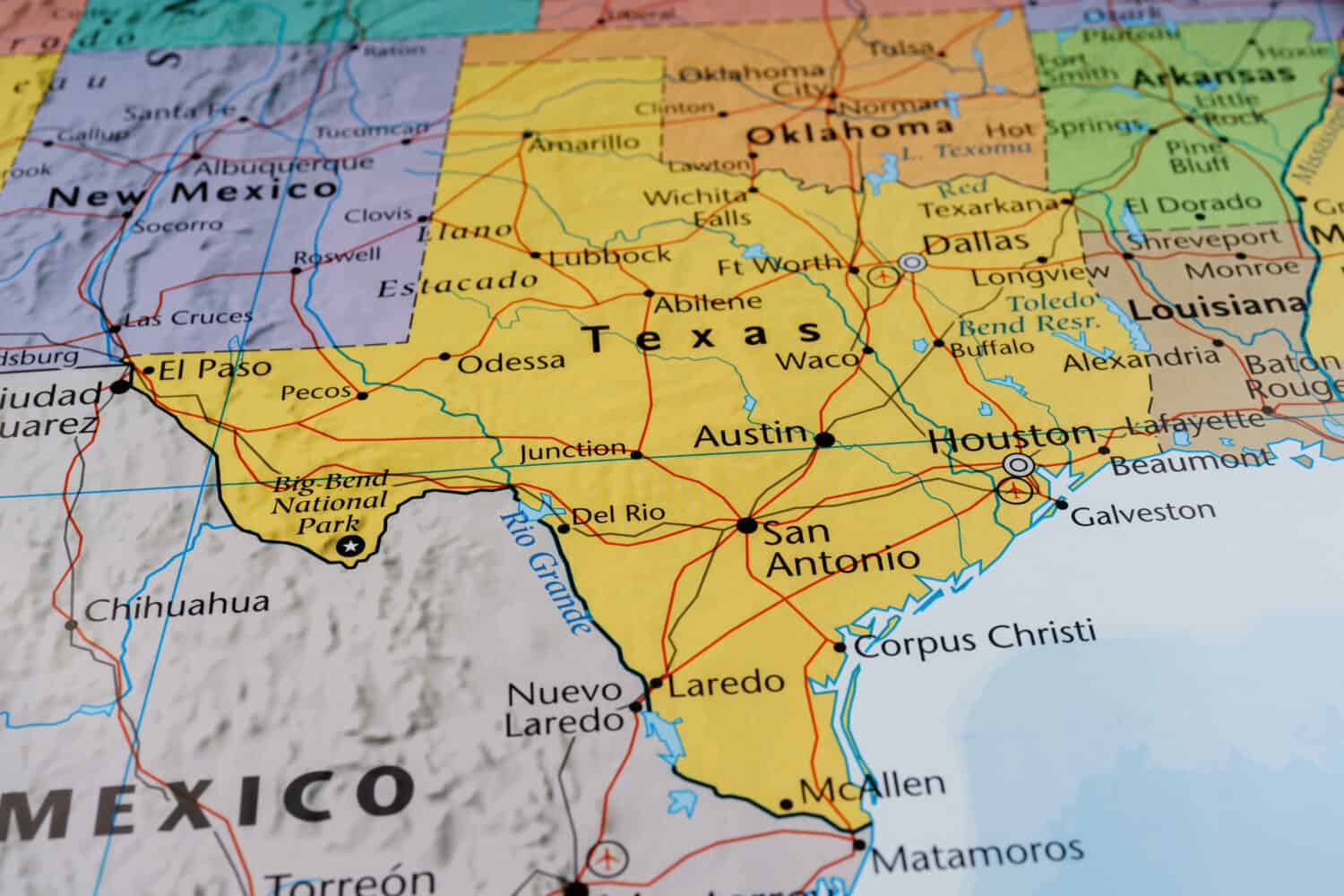
Texas has no individual income tax, so it does not tax Social Security, pension payments or retirement account withdrawals at the state level. Retirees can still face large recurring bills, especially from locally administered property taxes and homeowners insurance. Residents age 65 and older may qualify for valuable homestead protections, but the final burden depends on the home, county and local taxing units. Hurricanes, hail, flooding, wildfire and extreme heat can raise insurance, repair and utility costs. Healthcare options are broad in major cities, yet rural access can be limited. Texas may reward income rich retirees, but homeowners should compare the full carrying cost of a property before moving.
10. Rhode Island

Rhode Island places retirees close to beaches, historic towns and major healthcare networks, but the state’s compact size does not make it inexpensive. Housing and property taxes can be demanding, particularly in coastal communities and areas within commuting distance of Providence or Boston. Rhode Island taxes income under a graduated system, though qualifying residents may claim modifications for Social Security and certain pension or annuity income. Those benefits are subject to eligibility rules and income limits, so they should not be assumed automatically. A retiree who owns a high value home or plans to rent near the water may find that housing, insurance and taxes consume far more than expected, even when medical access is convenient.
9. Arkansas

Arkansas can be attractive for retirees seeking lower home prices and a warmer climate, and Social Security benefits are not taxed by the state. Residents may also exclude a limited amount of qualifying retirement income, but pension payments and IRA or 401(k) withdrawals above the available exclusion can still create a state tax bill. The more significant concern for many households is access to care. Rural communities may have fewer hospitals, specialists and long term care choices, requiring regular travel to larger cities. Crime and storm exposure also vary considerably by county. Arkansas can be affordable, but retirees should evaluate the nearest medical system and the exact tax treatment of their withdrawals before committing.
8. Maryland

Maryland gives retirees access to respected hospitals, cultural attractions and several distinct lifestyles, but those benefits often come with a high price. The state exempts Social Security benefits and offers a pension exclusion to some older residents, yet other retirement income may remain taxable. Maryland also layers county income taxes on top of the state tax, so the final rate depends heavily on where a retiree lives. Housing costs and property taxes can be steep near Washington, Baltimore and the Chesapeake Bay. Estate and inheritance tax rules may also matter to households planning a legacy. Retirees should compare counties carefully because moving only a short distance can materially change housing, taxes and insurance.
7. New Jersey

New Jersey does not tax Social Security benefits and offers retirement income exclusions to qualifying residents with total income within the state’s limits. Those breaks are meaningful, but they compete with the highest effective property tax burden in the country and generally expensive housing. Even a paid off home can produce a large annual tax bill, along with high insurance, maintenance and everyday service costs. Programs such as Senior Freeze and Stay NJ may reduce the burden for eligible homeowners, but benefits depend on age, residency, income and other requirements. New Jersey can make sense for retirees who value family access and strong medical networks, but the property tax calculation should come before the move.
6. Washington

Washington does not impose a traditional individual income tax on wages, pensions or retirement account withdrawals, which can benefit retirees with substantial taxable income. However, the state taxes certain long term capital gains above an annual deduction, with higher rates applying to gains over the first taxable tier. That can matter to retirees selling appreciated investments. Housing costs are also high across much of western Washington, while sales taxes, long term care costs and insurance can strain a fixed budget. Wildfire risk is a growing concern east of the Cascades, and rural healthcare access varies widely. The absence of a wage income tax should be weighed against housing and investment tax exposure.
5. New York

New York exempts Social Security benefits from state income tax and allows eligible residents age 59 and a half or older to exclude up to $20,000 of qualifying pension and annuity income. Even with those breaks, the state’s overall cost structure can be difficult for retirees. Income tax rates remain comparatively high, and New York City or Yonkers residents may owe additional local taxes. Property taxes and housing costs are substantial in many downstate and suburban communities, while heating and transportation can add pressure upstate. Access to healthcare is a strength, but care and long term services may be expensive. Retirees should compare specific counties rather than treating New York as one market.
4. Oklahoma

Oklahoma excludes Social Security benefits from state taxable income and provides a retirement income deduction for qualifying residents, which can soften the tax burden. Low housing costs are another advantage, but retirees should not ignore risks that are harder to see in a simple affordability ranking. Tornadoes, hail, wildfire, flooding and winter ice can affect homeowners insurance and repair costs. Healthcare outcomes and specialist access remain concerns in many rural communities, and some households may need to travel regularly to Oklahoma City or Tulsa for treatment. A retiree considering Oklahoma should compare insurance quotes, nearby hospitals and the remaining taxable portion of pension or account withdrawals before buying a home.
3. Mississippi

Mississippi is unusually favorable to retirement income because it does not tax Social Security benefits and generally exempts qualified pension, IRA and 401(k) distributions. Housing is also inexpensive in many communities. Those advantages are substantial, but they come with other planning challenges. Mississippi has persistent shortages of healthcare professionals in many areas, and access to specialty or long term care may be limited outside larger cities. Hurricanes, tornadoes, flooding and extreme heat can create property and insurance risks, particularly along the Gulf Coast. Retirees may save on taxes and housing, but anyone with ongoing medical needs should verify providers, travel time and insurance networks before relocating.
2. Louisiana

Louisiana moved to a flat 3% individual income tax in 2025, excludes Social Security benefits and allows residents age 65 or older to exclude a set amount of annual retirement income, with the exclusion adjusted over time. Those rules can help, but property risk is the defining retirement concern in many parts of the state. Hurricanes, flooding and severe storms have pushed homeowners and flood insurance costs higher, and some properties may be difficult or expensive to insure. Healthcare access and infrastructure also vary widely by parish. Louisiana’s food, culture and relatively low home prices are genuine attractions, but retirees should obtain insurance quotes and study flood exposure before judging affordability.
1. Kentucky

Kentucky reaches the top of this list because its low housing costs and tax breaks may not fully offset the challenges facing an older household. The individual income tax rate fell to 3.5% for 2026, Social Security benefits are exempt, and qualifying pension or retirement income can receive an exclusion of up to $31,110. Even so, healthcare access and health outcomes remain uneven, especially in rural counties where specialty care may require significant travel. Flooding, tornadoes, and severe storms can also affect insurance and home maintenance costs. Kentucky may still be a good fit for some retirees, but the decision should be based on local medical access, property risk and family support, not price alone.