
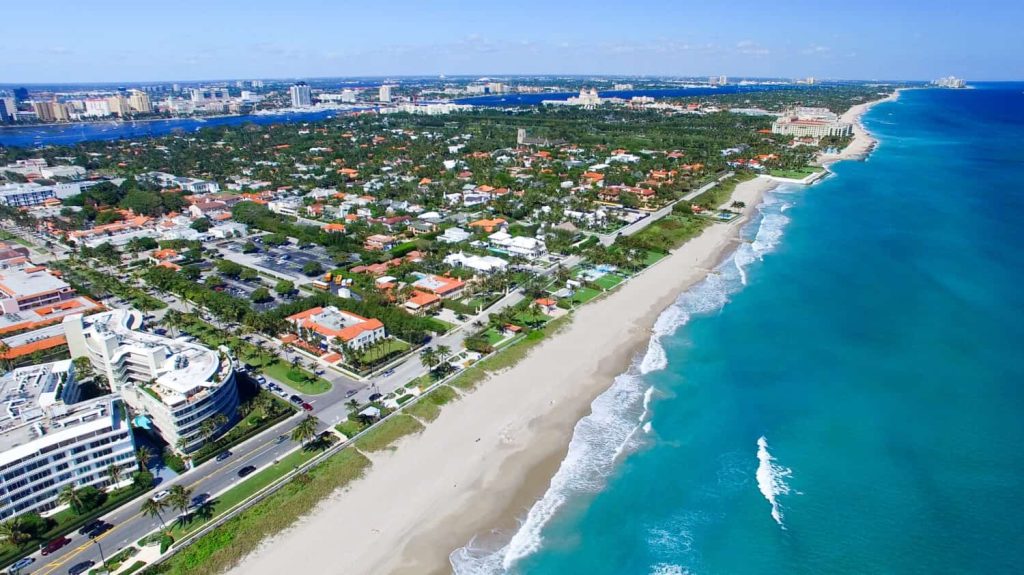
Florida remains America’s default retirement destination, and the tax argument is still compelling. The state does not tax wages, Social Security, pensions, or retirement-account withdrawals. But those savings can be offset by higher home prices in popular communities, rising HOA dues, flood coverage, and homeowners insurance tied to hurricane risk. Florida’s statewide cost of living was slightly above the national average in early 2026, making the Sunshine State less affordable than many retirees expect.
Wyoming offers many of the same tax advantages with a very different cost structure. Like Florida, it has no individual income tax and does not tax Social Security benefits. It also has no estate or inheritance tax, a 4% statewide sales tax, and relatively low property taxes. MERIC’s first-quarter 2026 index placed Wyoming’s cost of living at 93.7, compared with 100.7 for Florida, meaning everyday expenses were roughly 7% lower based on the participating markets surveyed. Wyoming also ranked first in the Tax Foundation’s 2026 State Tax Competitiveness Index.
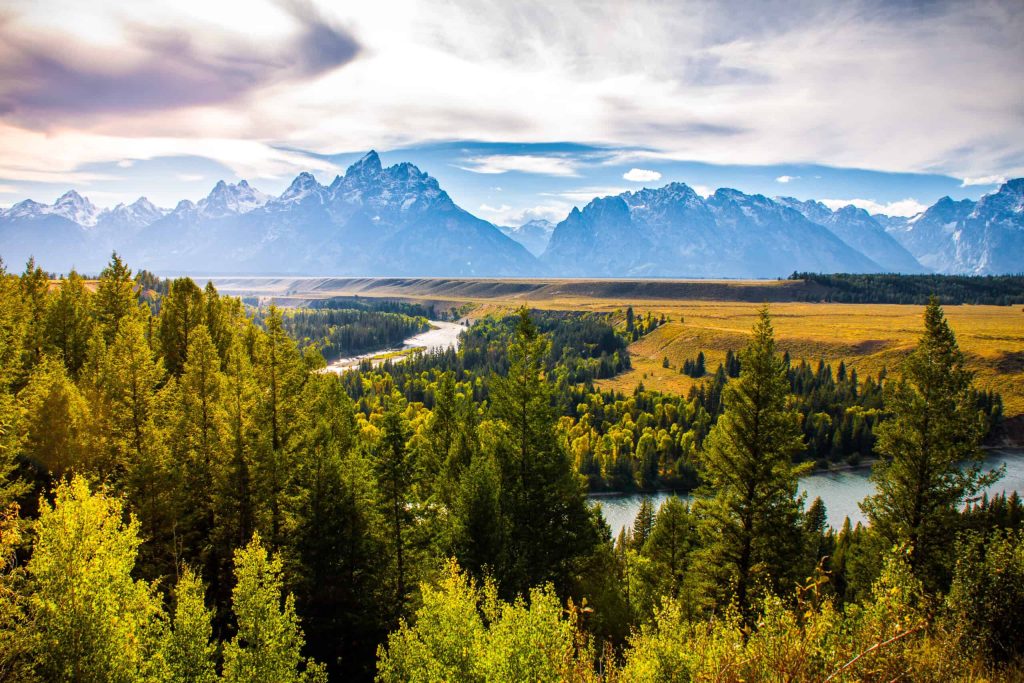
Consider a 62-year-old couple looking at Cheyenne or Sheridan and planning for a retirement that could last three decades. Wyoming could offer more room in the budget, especially for homeowners eager to avoid Florida’s hurricane-related insurance and condo-association costs. The tradeoff is clear: colder winters, smaller communities, longer travel distances, and more limited access to certain specialists outside the state’s population centers. For retirees willing to exchange beaches for mountains and wide-open space, however, the financial case deserves a much closer look.
What the Housing Budget Actually Looks Like
A paid-off home keeps Wyoming retirement math manageable, but buyers should not assume the state is uniformly cheap. Zillow’s July 2026 estimates put the average home value near $392,000 in Cheyenne and $442,000 in Sheridan. Wyoming now assesses residential property at 8.3% of market value, down from the older 9.5% rate, while the statewide effective tax rate on owner-occupied housing is about 0.53%. On a $450,000 home, budgeting roughly $2,400 to $3,000 for annual property taxes is conservative. Insurance is generally less hurricane-sensitive than in Florida, but winter utilities, maintenance, and driving costs still belong in the plan.
The Full Wyoming Budget
Housing all-in (taxes, insurance, maintenance, utilities): $14,000
Healthcare (pre-Medicare ACA bridge for two, silver plan with subsidy planning): $18,000
Food (USDA moderate plan, two adults): $11,500
Transportation (two vehicles, fuel, replacement reserve): $9,000
Travel, gifts, personal, discretionary: $12,000
Miscellaneous, home reserves, federal tax on withdrawals: $10,500
That totals about $75,000 a year in today’s dollars, just below the BLS national consumer-unit average of $78,535 for 2024. Treat it as a working estimate, not a promise: ACA costs depend on income and plan choice, while utilities and driving can run higher in Wyoming. Local quotes should replace every placeholder before a move.
The Social Security Calculation
Social Security becomes the main stabilizer once both spouses reach full retirement age. A combined benefit of $54,000 a year is possible, but only if each person’s Social Security statement supports roughly $2,250 a month at 67. It should not be treated as an automatic household average. The Social Security Administration estimated the average retired-worker benefit at $2,071 a month in January 2026 after a 2.8% COLA, or about $49,700 annually for two average workers. The bigger planning issue is timing: retiring at 62 creates five years in which the portfolio must cover nearly the entire budget before those benefits begin.
Navigating the Bridge Years
From ages 62 through 66, this couple would need roughly $75,000 a year from savings, or $375,000 before inflation, taxes, and unexpected medical costs. Setting aside about $400,000 in cash, CDs, or short-term Treasuries can reduce the risk of selling stocks during a downturn. Once $54,000 of annual Social Security begins, the spending gap falls to about $21,000. Dividing that gap by a 3.75% withdrawal rate produces a long-term portfolio need near $560,000. Add the bridge money and a $75,000 reserve, and the working target is about $1.04 million, reasonably rounded to $1.05 million. The reserve matters because one bad market year early in retirement can upset an otherwise workable plan.
How Wyoming Compares With Florida
That $1.05 million target could be lower than the amount needed for a similar Florida retirement, but only under the assumptions used here: a paid-off Wyoming home, controlled Marketplace income, and Social Security delayed until 67. Florida’s costs vary sharply by county, property type, insurance exposure, and HOA obligations, so there is no honest statewide rule that every couple needs $1.4 million or $1.6 million. The useful comparison is household by household. Retirees should price the same home, insurance, taxes, healthcare, transportation, and travel needs in both states before deciding that Wyoming automatically wins.
Wyoming’s Estate-Planning Advantage
Wyoming’s trust laws add an estate-planning benefit for families with substantial assets. State law permits private family trust companies, and qualifying trusts can continue for as long as 1,000 years when statutory requirements are met. That can help with multigenerational administration, privacy, and succession planning. It is not a simple shield that every retiree can set up after a problem appears. Spendthrift and asset-protection trusts involve qualified trustees, legal fees, notice rules, timing limits, and fraudulent-transfer restrictions. For a couple mainly funding its own retirement, the trust framework is a secondary planning tool, not the reason Wyoming’s budget works.
Healthcare Is the Bigger Trade-Off
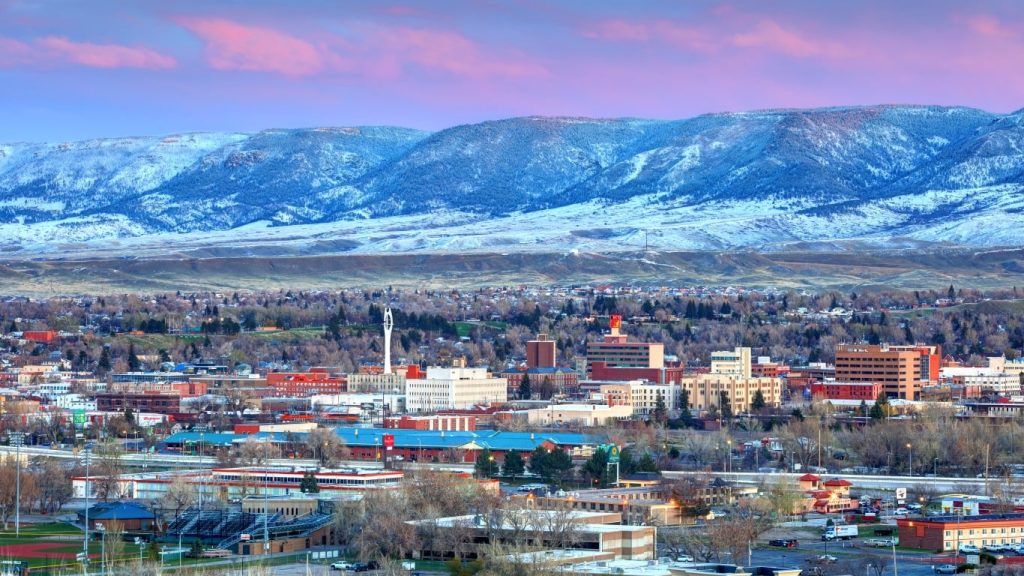
The more important trade-off is healthcare access. Wyoming’s own health department classifies much of the state as rural or frontier and continues investing in telehealth and rural-care programs. Sheridan has local specialty clinics, but some residents may still travel to Billings for advanced care; Cheyenne offers easier access to larger systems along Colorado’s Front Range. That travel can mean fuel, lodging, and weather delays, especially in winter. Before moving, retirees with chronic conditions should confirm that their doctors, hospitals, prescriptions, and preferred specialists are covered by the exact Marketplace or Medicare plan they expect to use.
What Makes Wyoming Work
In this scenario, a 62-year-old couple can make Wyoming work with about $1.05 million divided among a five-year spending bridge, a diversified long-term portfolio, and a separate emergency reserve. The plan depends on spending near $75,000, receiving about $54,000 in combined Social Security at 67, and limiting later withdrawals to roughly 3.75%. Roth conversions may be useful during low-income bridge years, but they also increase Marketplace income and can reduce premium subsidies before Medicare. The state’s low taxes and modest property-tax burden help, but the plan still needs stress tests for inflation, market losses, healthcare, vehicle replacement, and winter travel.