Where we heard itBloomberg Television, “Yemen Regains City of Mocha on Red Sea,” Oct. 6, 2026. Speaker: Stuart Livingstone-Wallace of Bloomberg News.
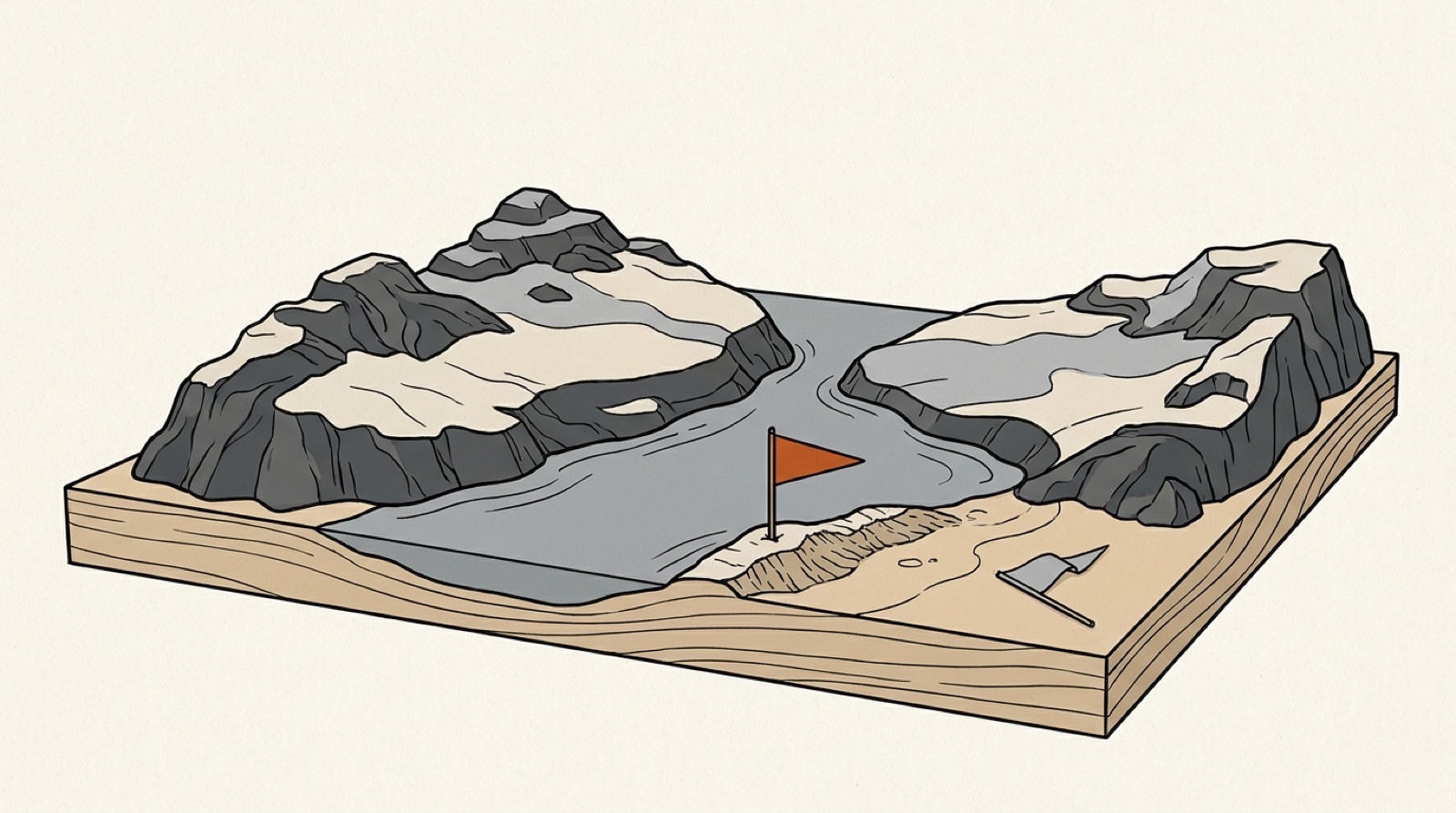
Yemeni government forces, backed by a Saudi-led coalition, have pushed the Houthis out of the Bab el-Mandeb Strait and taken the Red Sea city of Mocha, Marine Link reported. Reuters reported on October 5, 2026 that government forces had retaken “the coast around the Bab el-Mandeb Strait up to the city of Mocha,” according to the government, and Marine Insight described the forces as moving to “claim control” of the waterway. NewsCord attributes the claim to coalition military spokesman Major General Turki Al-Malki. The strait is the chokepoint between the Red Sea and the Gulf of Aden, and shipping through it has been under attack.
The Houthis hit back within a day. Al Jazeera reported Saudi Arabia saying three people were wounded in attacks on southern airports.
A Claim That Still Needs Proof
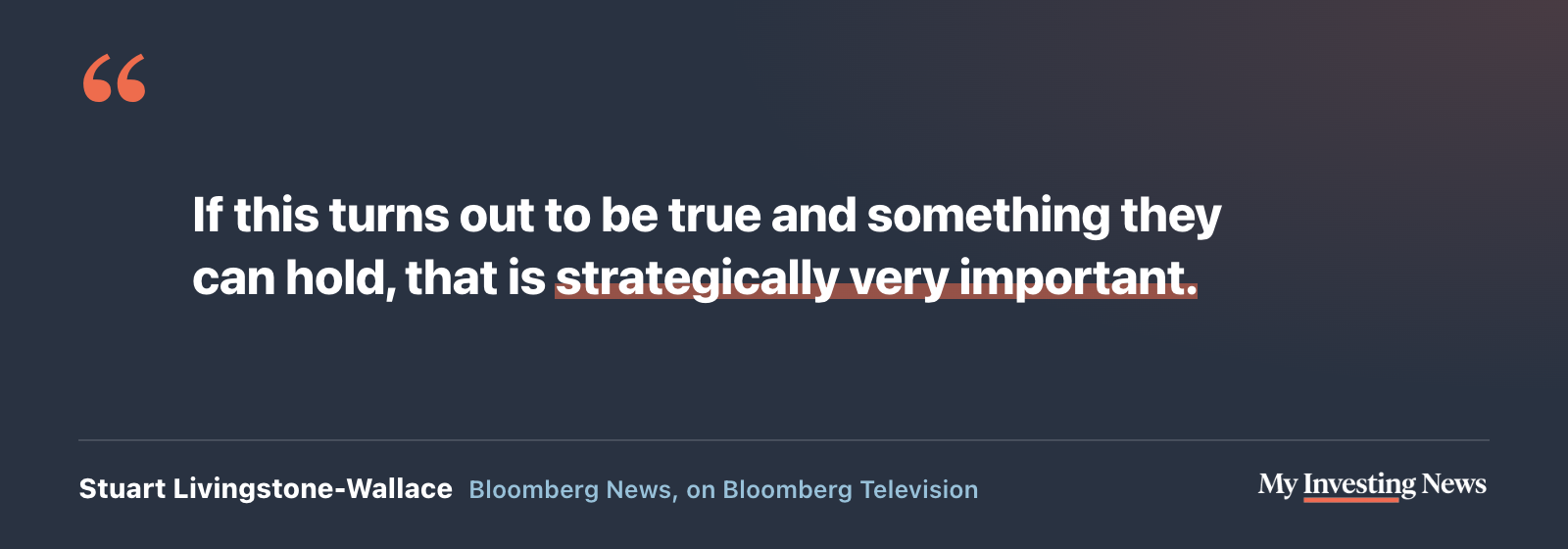
Bloomberg correspondent Stuart Livingstone-Wallace noted that caveats were needed, because the account rests “entirely” on claims from the internationally recognized Yemeni government. If the claim is true and the ground can be held, it is strategically “very important,” but the Houthis have held northern coastal areas for years and have fired on shipping from them.
Even if the loss of this stretch of coast is confirmed, the Houthis would keep the positions they have used to attack ships. India Today reported the forces claiming the capture of Mocha, while safety4sea described forces still advancing toward Mocha.
Airports Under Fire Point to Escalation
The Houthis claim strikes on Riyadh. Pakistan and Türkiye are set to deploy forces to Saudi Arabia. When a coastline changes hands and the side that lost it starts attacking airports across the border, the conflict is widening, according to Kurdistan 24.
What Oil Prices Show So Far
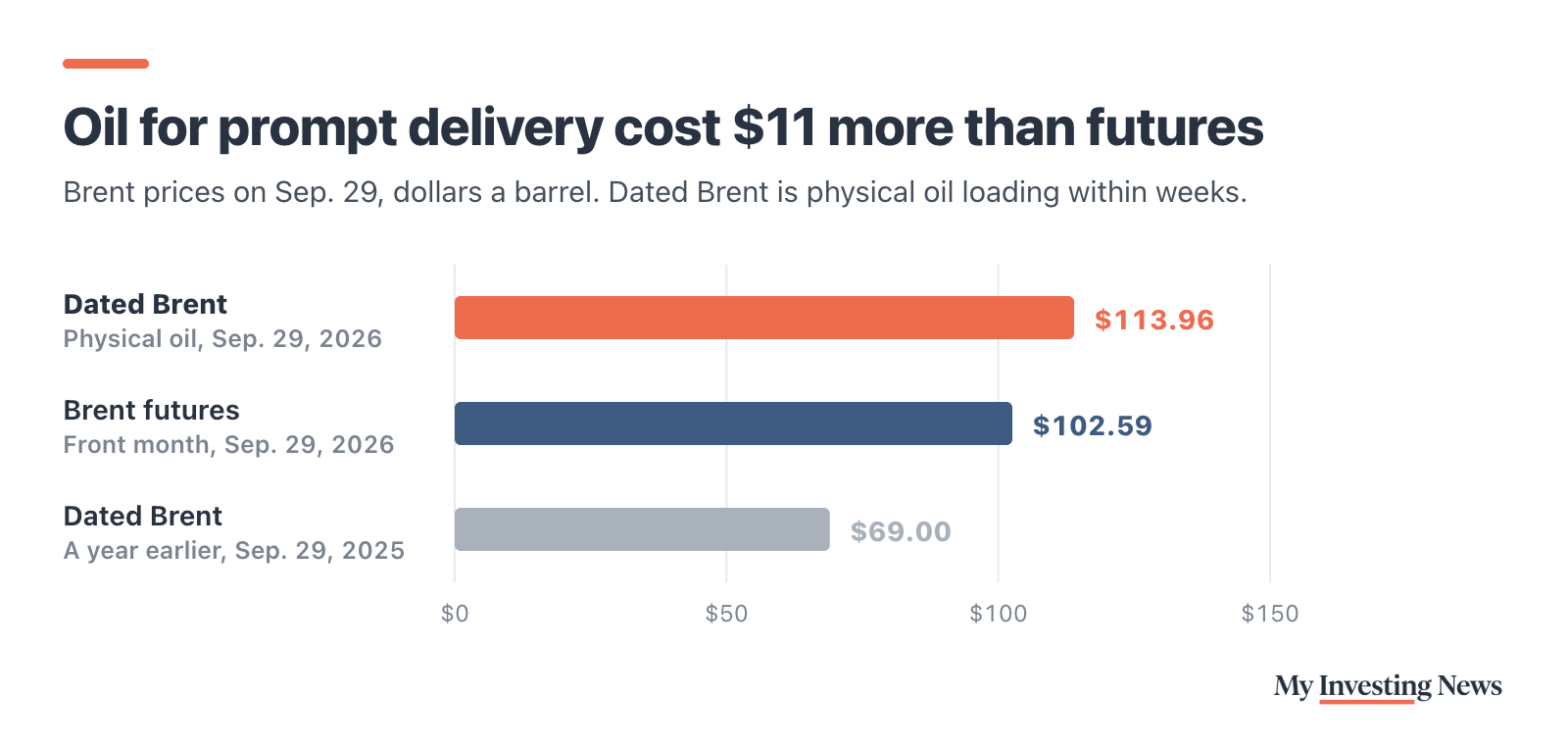
The most recent Brent readings available are $120.92 on September 24, 2026, $119.97 on September 28, 2026 and $113.96 on September 29, 2026. That series ends in late September, so it shows no reaction to the strait claim.
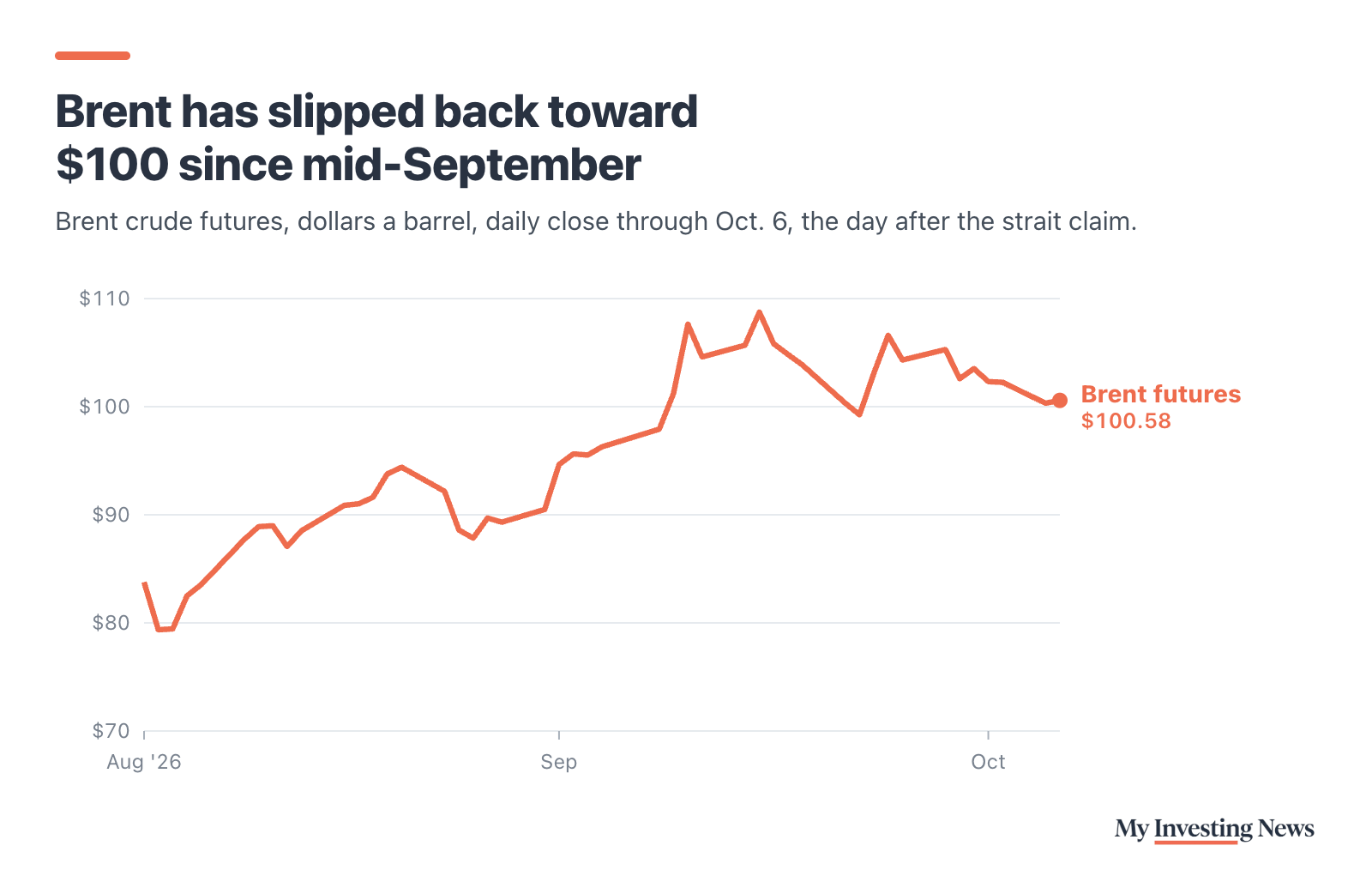
The direction has been down. On Mad Money on October 5, 2026, Jim Cramer said, “The price of oil is going down because a key producer lowered prices to take market share, not because the Iran war premium is going away. For oil to trade on its fundamentals, which, by the way, would be a lot lower, the war would have to end.”
The conflict and the oil market at a glance
Supply Recovery Against a Deep Hole
On the same Bloomberg segment, Livingstone-Wallace passed along an estimate from the head of Aramco that global oil stocks are down by about 4,000,000,000 barrels, and called it a huge number to make up. That figure is an estimate passed along indirectly and has not been independently verified.
He also pointed to signs of improvement: Kuwait says it is producing at 75% of its prewar capacity, and Iraq is in the market for new tankers to ship oil out through Hormuz. Production in the region is slowly coming back, but it is set against a shortfall in stored oil described as huge.
Does the Strait Claim Change the Oil Picture?
Not yet. A chokepoint may have changed hands, the side that lost it is attacking airports, and oil has been falling. One side’s battlefield statement is too thin to change the risk picture. The next check is whether the territory holds, needing reports from sources outside the coalition showing government forces in control of Mocha and the strait’s coastline, according to India Today.
Livingstone-Wallace sees the strait as strategically very important if the government’s claim proves true and its forces can hold the ground. For now the claim rests entirely on the government’s word, and the Houthis still hold the northern coast they have used to fire on ships. Oil has been easing, while the Aramco chief’s estimate puts global oil stocks about 4 billion barrels short.