Where we heard itBloomberg interview, published Oct. 20, 2026. Speaker: Anika Wells, Australia’s Minister for Communications.
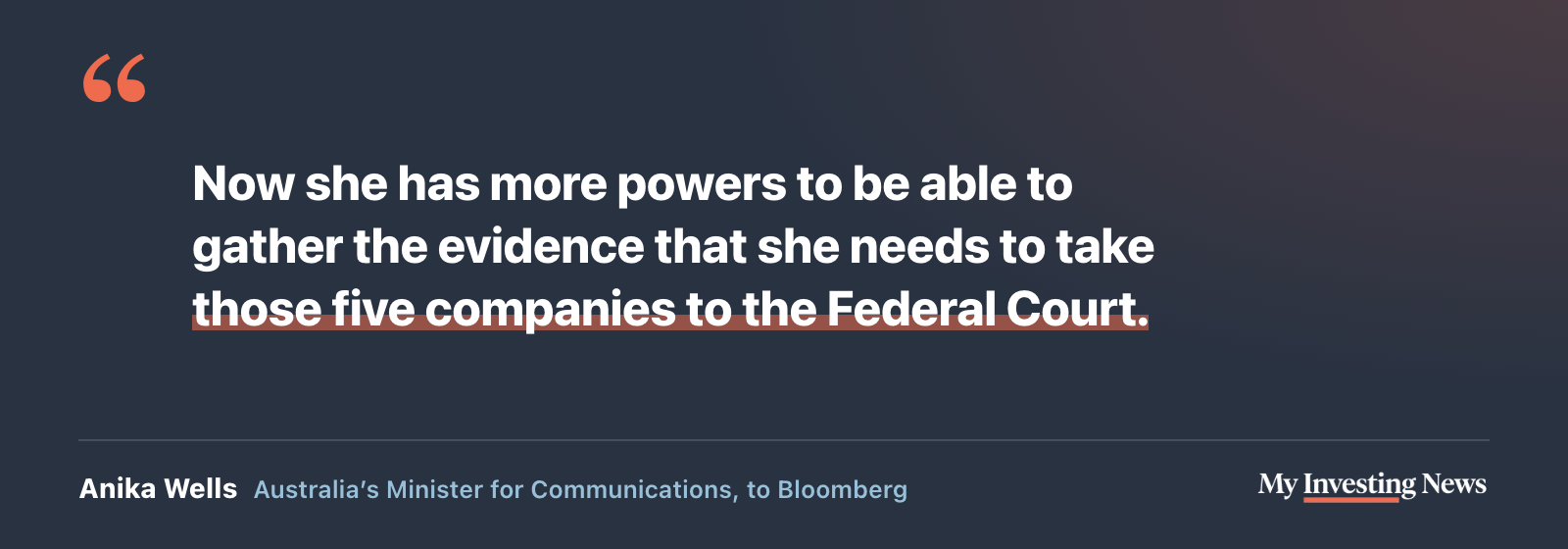
Australia’s Communications Minister Anika Wells told Bloomberg she expects the country’s online safety regulator to take five social media platforms to federal court over alleged violations of the nation’s youth social media ban. When asked whether cases would follow, Wells said: “Yes. It’s not my decision, but I would expect it.” The decision belongs to the safety commissioner, an independent office, and no case has been filed yet.
The News International, which reported that Australia plans to sue five tech giants, said the ban covers users under 16. Bloomberg, via Yahoo Finance Australia, reported on Oct. 20 that Australia will sue social media firms over alleged age-ban violations. Investing.com, carrying the same Bloomberg report, said Australia is preparing to take five major social media platforms to court. Australia passed the rules in late 2024, and they took effect on Dec. 10, 2025. Now the government wants to test them in court, and that adds regulatory risk for the world’s largest social platforms.
“We Do Seek to Enforce Our Australian Laws”
Wells described the move as enforcement. “We do seek to enforce our Australian laws,” she said in the interview. She added that “the safety commissioner isn’t convinced,” which tells you the regulator doubts the platforms have followed.
According to the regulator’s official guidance on social media age restrictions, age-restricted platforms have to take reasonable steps to stop underage Australians from holding accounts. The office has also said platforms are not required to age-verify every user. That flexible standard is where a dispute is likely to land. A court would decide whether a platform’s efforts count as reasonable.
New Powers to Build Five Cases
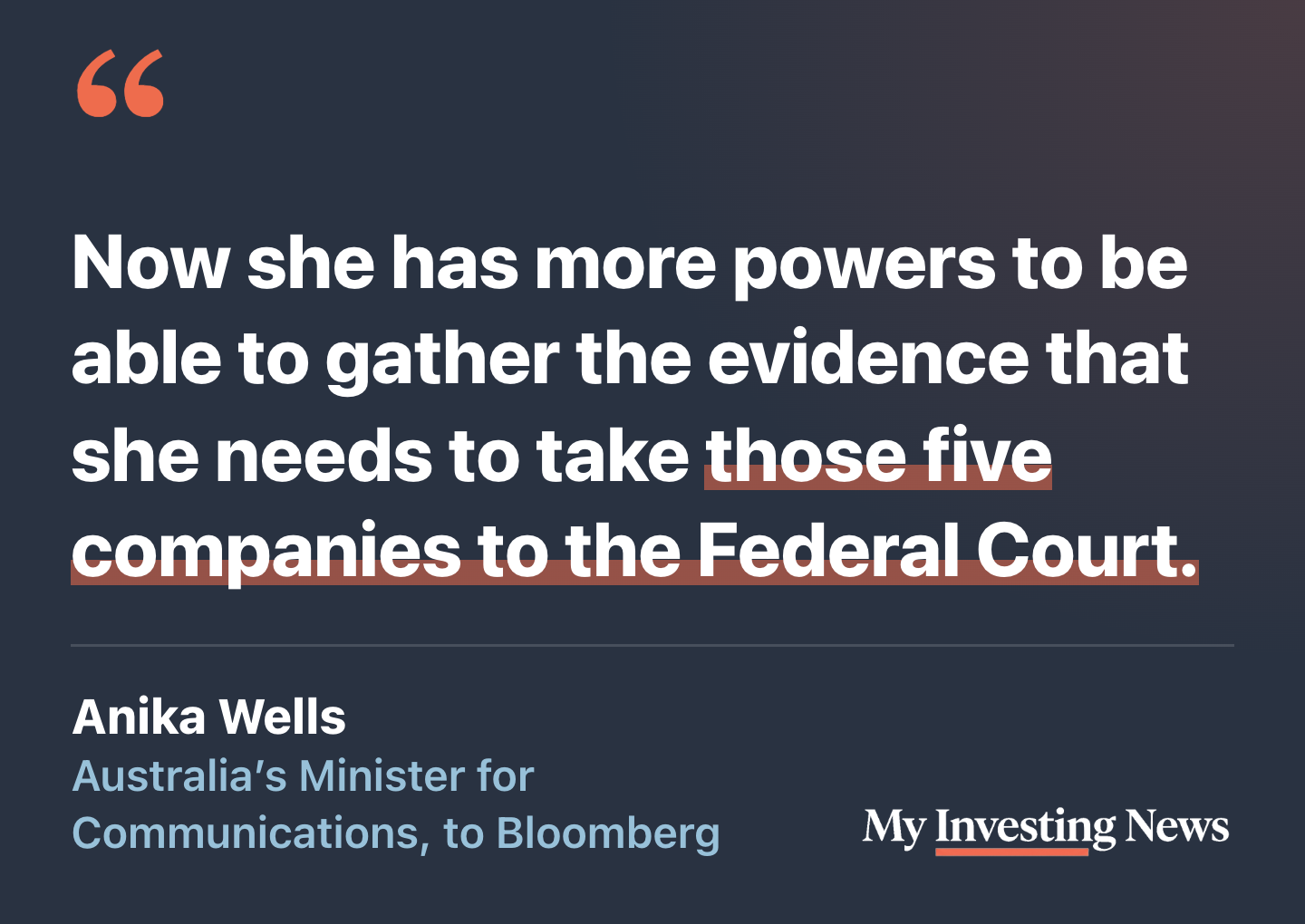
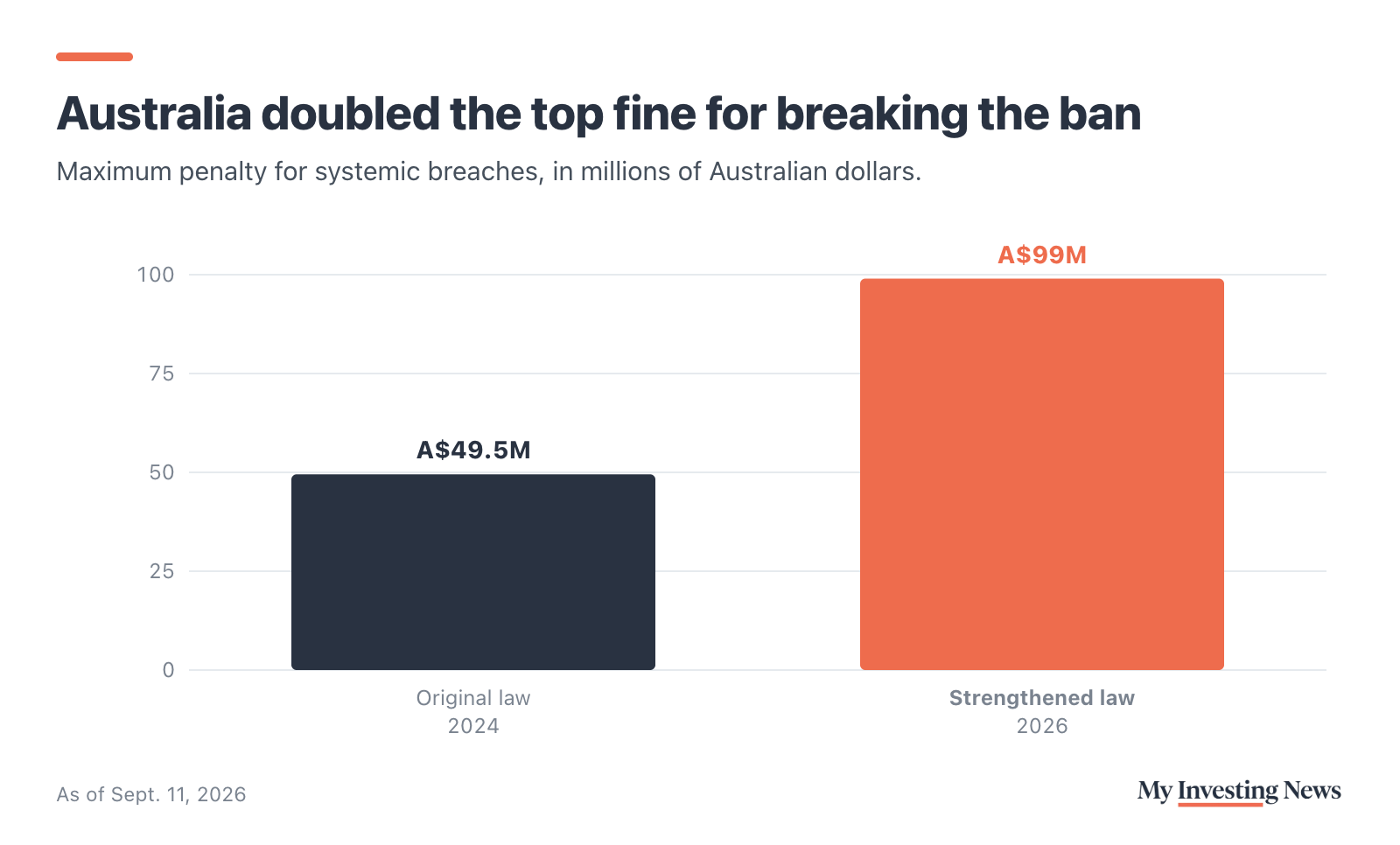
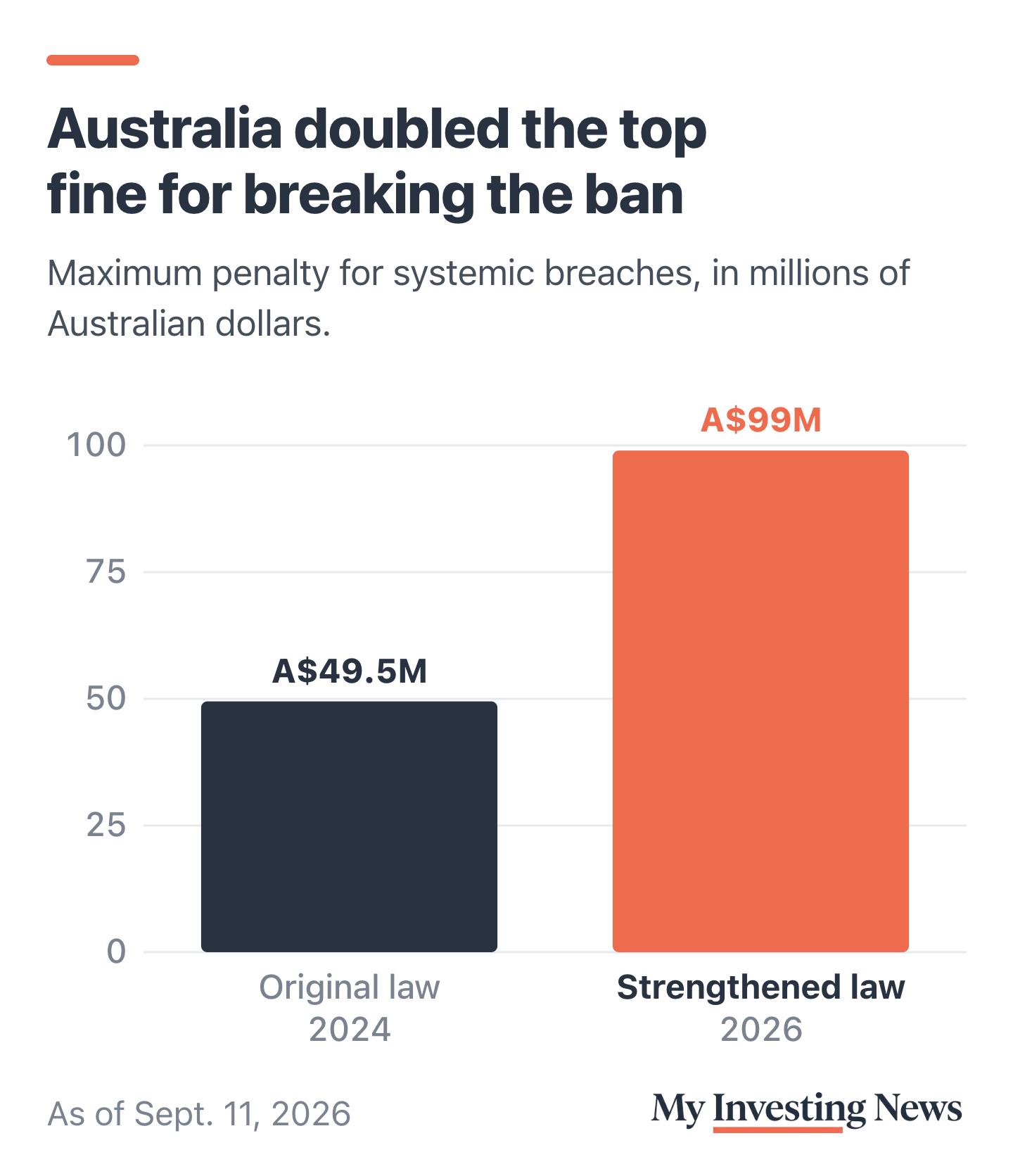
Wells linked the timing to recent changes in the law: “There are five investigations on foot. And now, with the laws that we recently strengthened in the parliament, a few weeks ago. Now she has more powers to be able to gather the evidence that she needs to take those five companies to the Federal Court.”
The Australian reported on June 29 that the eSafety watchdog would get “police-style powers.” Put simply, evidence-gathering powers let a regulator require companies to hand over documents, data and other information. With that material, investigators can check whether a platform’s age checks actually keep children off the service, without depending only on outside testing or public statements. The minister’s media release on the strengthened law describes stronger powers for enforcing the minimum age rules.
The ban so far
Facebook and TikTok Among the Platforms Facing Scrutiny
Business Standard reported that the Australian government will sue Facebook and TikTok. SBS reported that Facebook is one of the five platforms. eSafety named all five when it opened its investigations in March: Facebook, Instagram, Snapchat, TikTok and YouTube. Facebook and Instagram belong to Meta PlatformsMETA, so the cases are directly relevant to Meta shareholders. YouTube is owned by AlphabetGOOGL and Snapchat by SnapSNAP.
The investigations go back months. ABC News reported on March 30, 2026 that five social media companies were under investigation over how they responded to the teen ban. Reuters reported on March 31 that Australia was preparing court action, citing violations. By June 29, Wells had told the Sydney Morning Herald: “These companies want these laws to fail.”
Why Investors Should Track Australia’s Next Move
No filing has been made and the companies have not been found to have broken any law. Even so, the dispute raises several issues for platform investors:
- Enforcement risk: A court ruling against a platform would show that Australia’s rules can be enforced, which would make them more than a political statement.
- Legal costs: Defending federal cases in another country takes management time and legal spending, even for the largest companies.
- Age verification changes: If a court defines “reasonable steps” strictly, platforms may have to add age checks that create difficulties at sign-up and could affect how many users they keep.
- Copycat regulation: Reuters reported on Oct. 19 that Norway is going after “harmful” social media, games with its own youth ban. The Verge reported on Oct. 15 that age verification is spreading across the internet. A successful Australian case could become a template for other governments. In the U.S., Evercore ISI’s Sarah Bianchi has said a change in control of Congress could bring AI and chip companies in to testify.
The key things to track now are whether the commissioner files, which of the five platforms are named in any filing, and how the companies respond in court. Australia has passed its rules. It now wants a court to back them up.
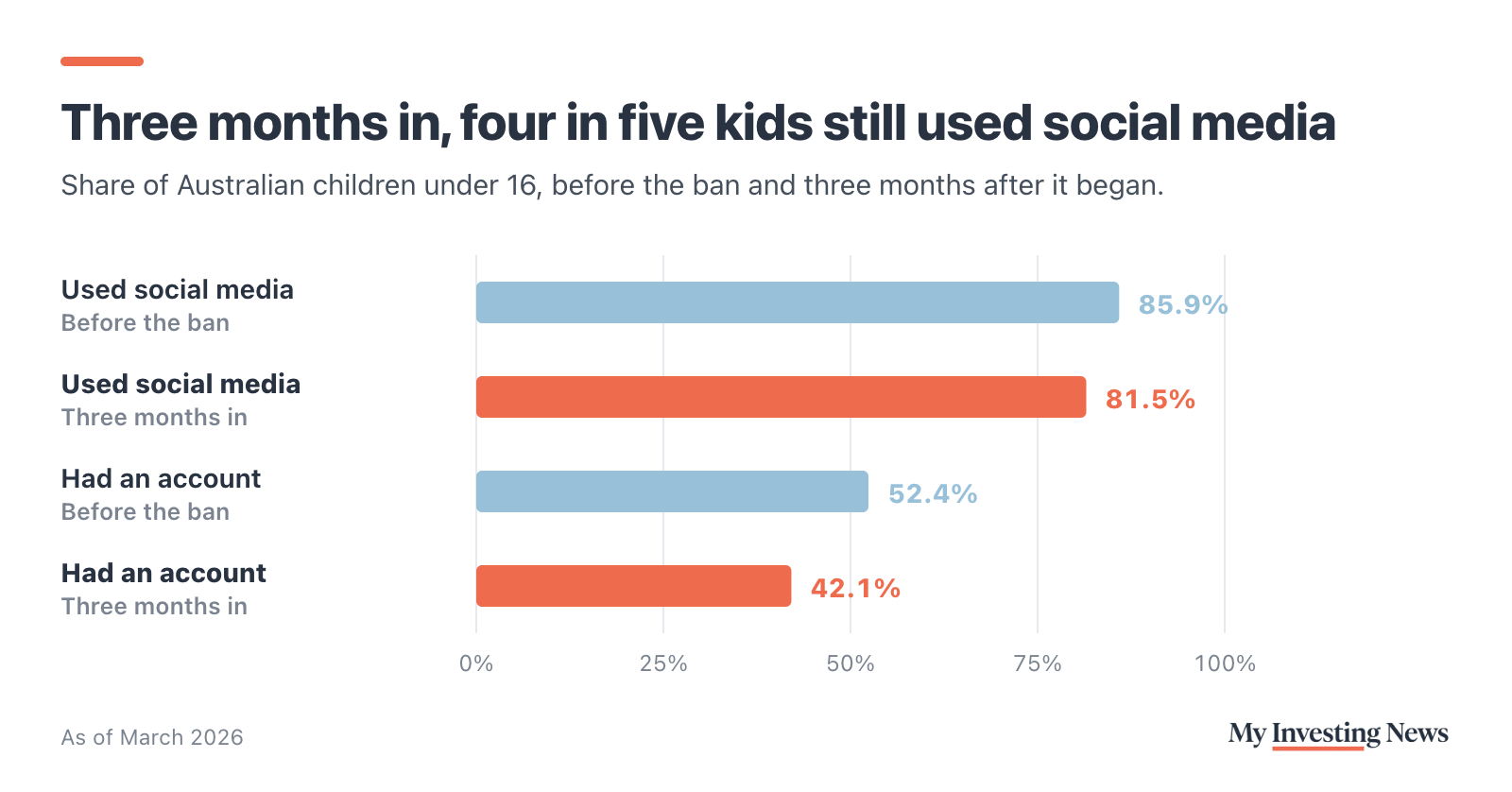
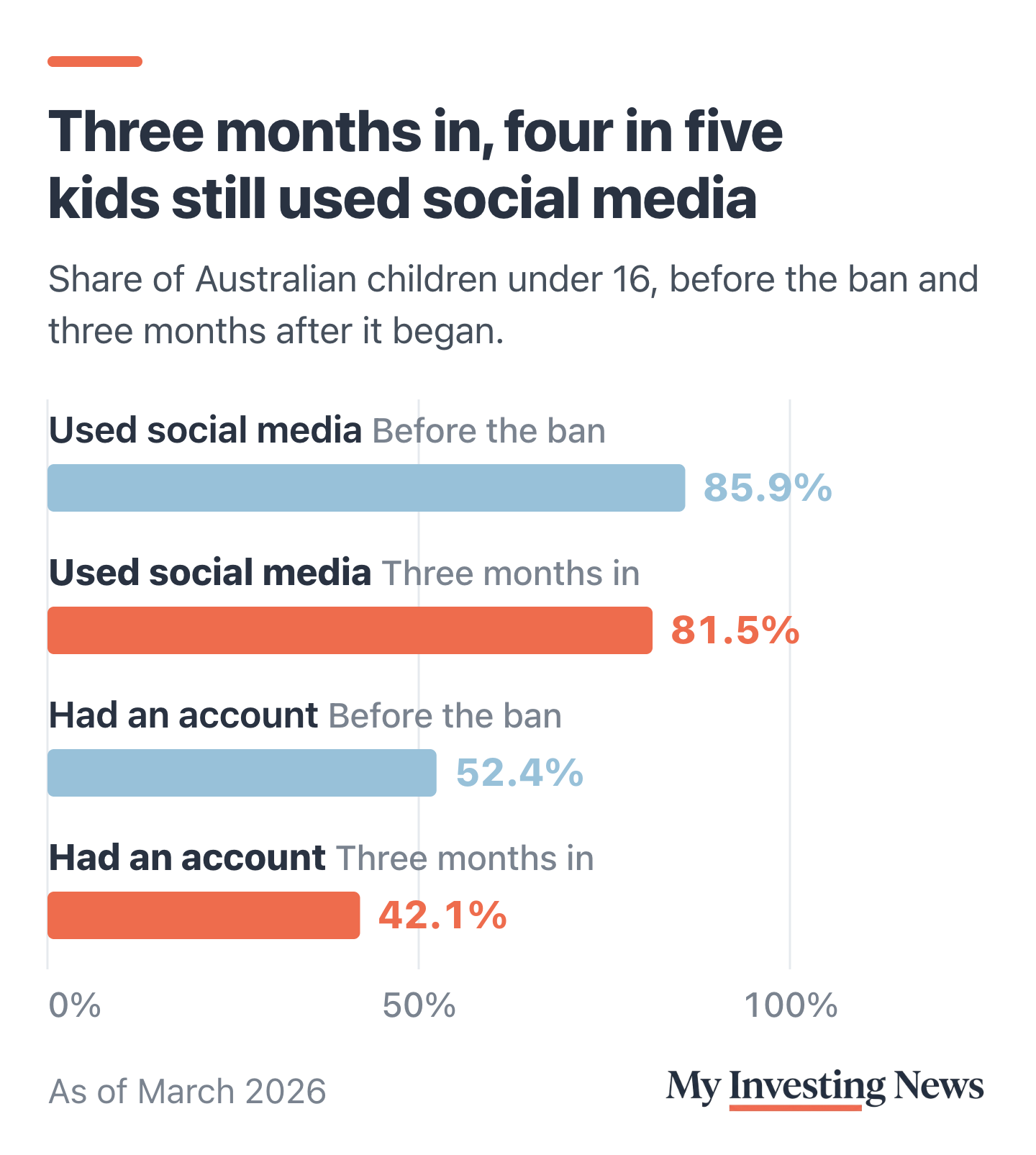
Wells expects the eSafety Commissioner to take all five platforms under investigation to court, armed with new evidence powers and doubled fines. Nothing has been filed, and no company has been found to have broken the law. The open question is what a court decides counts as reasonable steps to keep under-16s off, and the regulator’s own survey shows most of them were still online three months in.