Where we heard itCNBC, Oct. 19, 2026. Speaker: Adam Patti, CEO of VistaShares, whose ETF tracks Berkshire Hathaway’s portfolio.
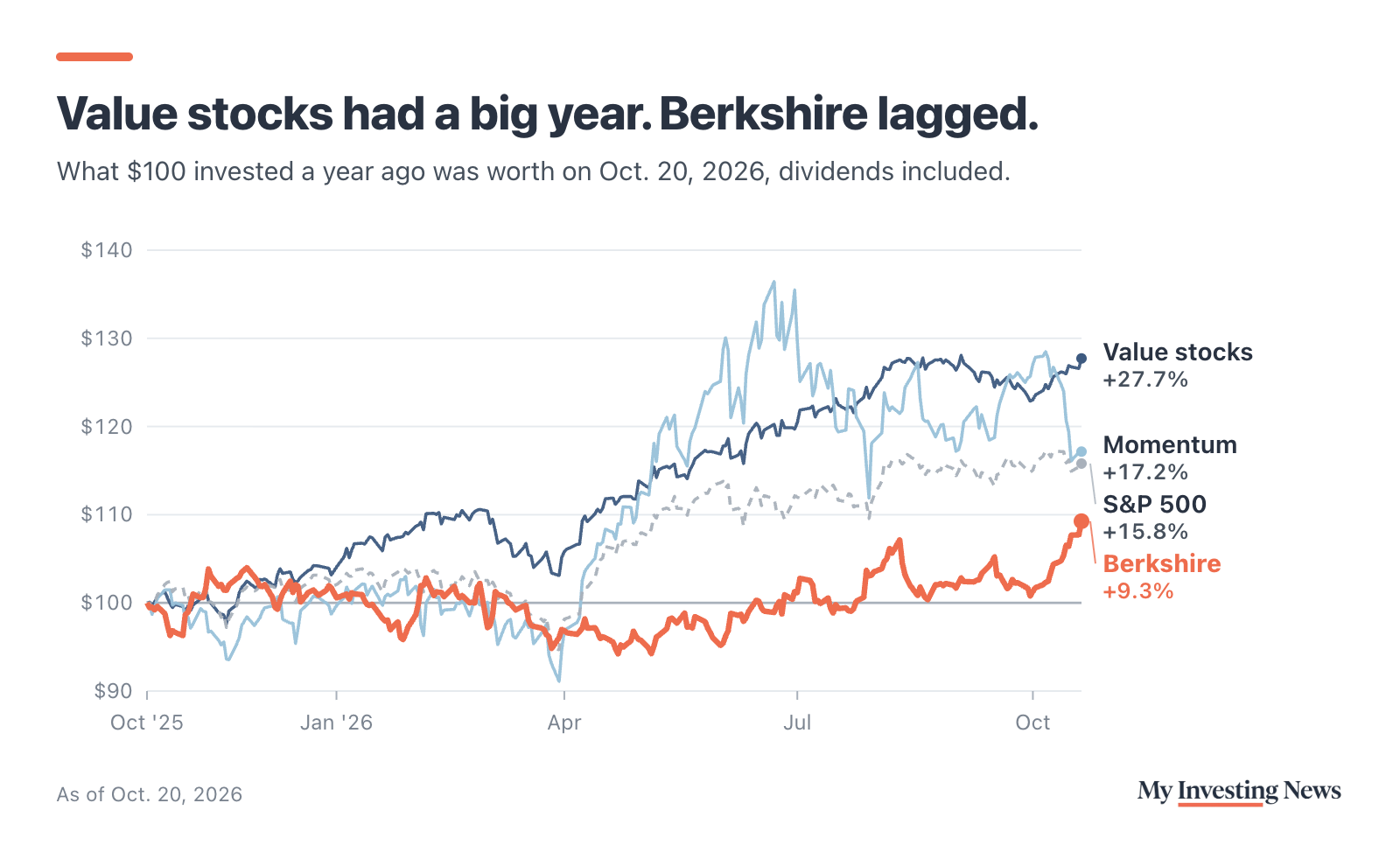
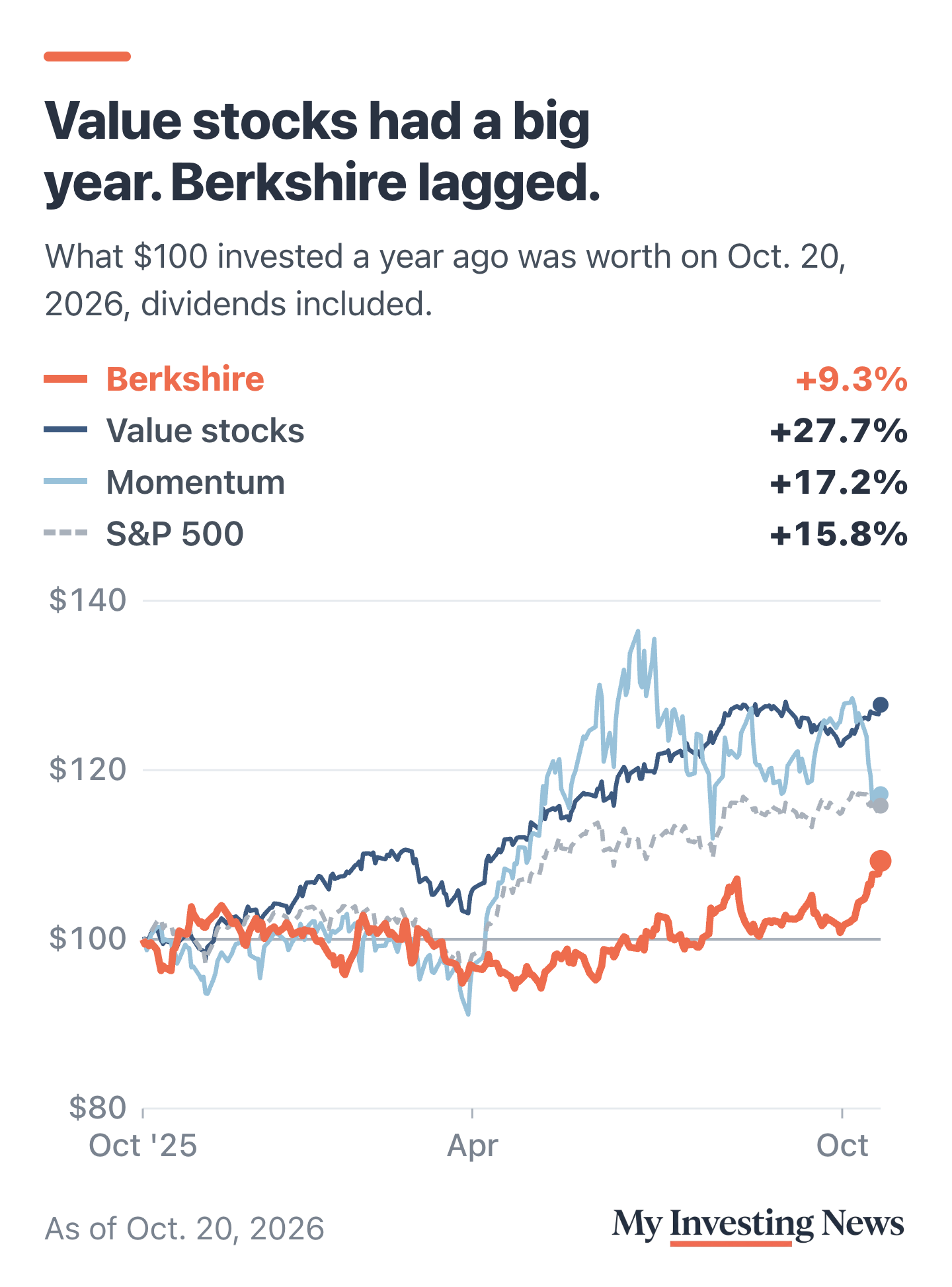
An Oct. 19 CNBC segment described Berkshire HathawayBRK.B Class B shares as trading near all-time highs. One fund manager who tracks the conglomerate’s portfolio thinks the reasons go deeper than one good quarter. The Class B shares closed at $539.82 on Oct. 20, two cents above their previous record close of $539.80 from May 2, 2025. They are up 7.4% year to date, 9.3% over the past year and 3.7% over the past week. On Saturday, CNBC reported that the shares had bucked a market sell-off and reached their highest level since Buffett said he would step down as CEO.
Adam Patti, CEO of VistaShares, whose ETF tracks Berkshire’s portfolio, told CNBC that the market has stopped marking Berkshire down for Warren Buffett’s absence. He named three drivers: the end of the drought for value and quality stocks, confidence in Greg Abel, and a new view of the cash pile. Keep in mind that his fund is tied to Berkshire’s holdings.
From “Berkshire Without Buffett” to “Abel Can Run It”
“The market’s been in a momentum-driven frenzy for years. Value and quality have been out of favor, which of course has hurt Berkshire shares. The other issue with Berkshire is that the market’s spent a year pricing Berkshire without Buffett. I think it’s finally decided that Abel can in fact run it,” Patti said.
Momentum investors buy whatever has been rising fastest, which in recent years usually meant high-growth tech. Value investors look for companies priced cheaply relative to their earnings or assets. Berkshire fits the value profile, and Lance Roberts has been adding to Berkshire as one of his value positions. At the Oct. 20 close it traded at about 13.5 times its last four quarters of earnings and about 1.6 times book value. Abel took over as CEO at the start of fiscal 2026.
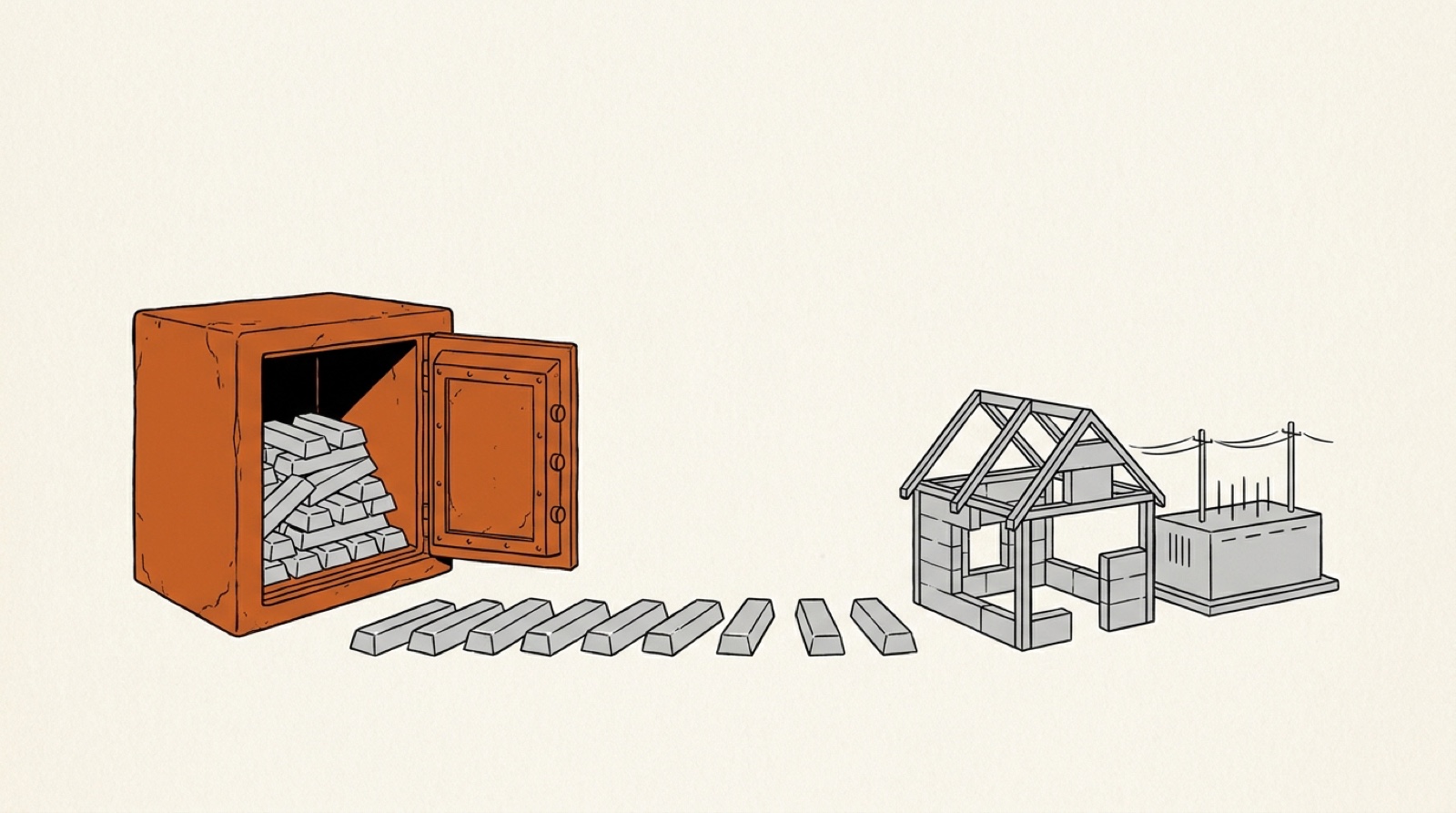
Cash Pile Flips From Bear Case to Dry Powder
“The cash pile at Berkshire, which is around 350 billion, was the bear case. Now it’s really being deployed, as we saw last quarter. And that’s really what the stock is reacting to,” Patti said.
Berkshire’s cash and Treasury bills reached a record $397.4 billion after the first quarter, then fell to $365.5 billion by June 30. In the second quarter, it became a net buyer of stocks for the first time in over three years and put about $23.5 billion into equities, according to its Aug. 11 filing with the SEC. CNBC reported in August that Abel had put a big chunk of the cash to work. Operating earnings rose to $12.98 billion from $11.16 billion a year earlier.
Buybacks Are Back
“They started the buybacks again last quarter, almost $5 billion in buybacks. And as we know, Berkshire has very stringent requirements about when they do buybacks. So they believe their stock is undervalued,” Patti said.
In a buyback, a company purchases its own shares, so each remaining shareholder owns a larger piece of the business. Berkshire buys back stock only when management believes the shares trade below their intrinsic value, which is why investors treat its repurchases as a signal about valuation. The filing shows about $4.5 billion repurchased in the second quarter and $4.8 billion over six months.
Berkshire’s second quarter at a glance
Where Abel Is Putting Berkshire’s Money
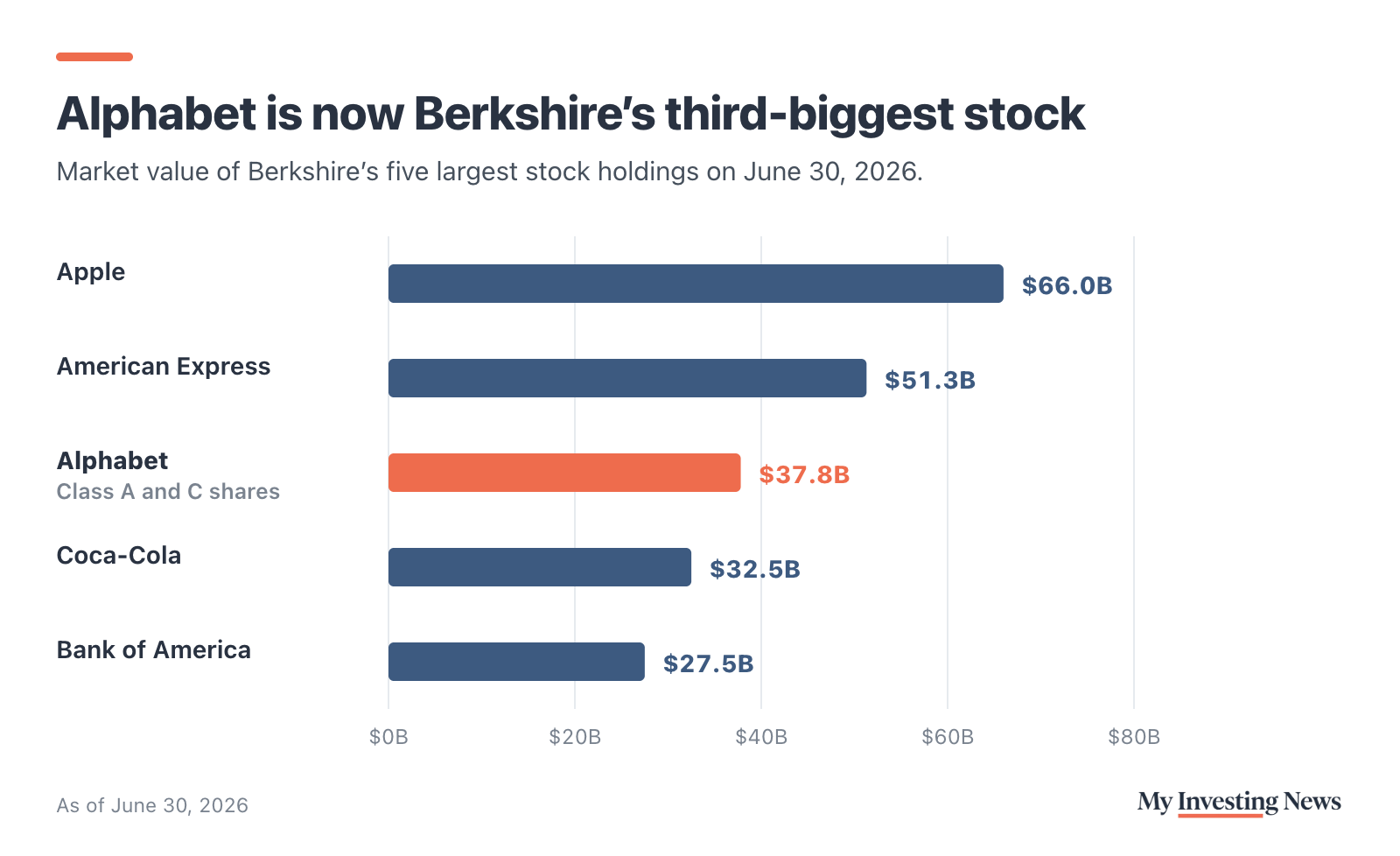
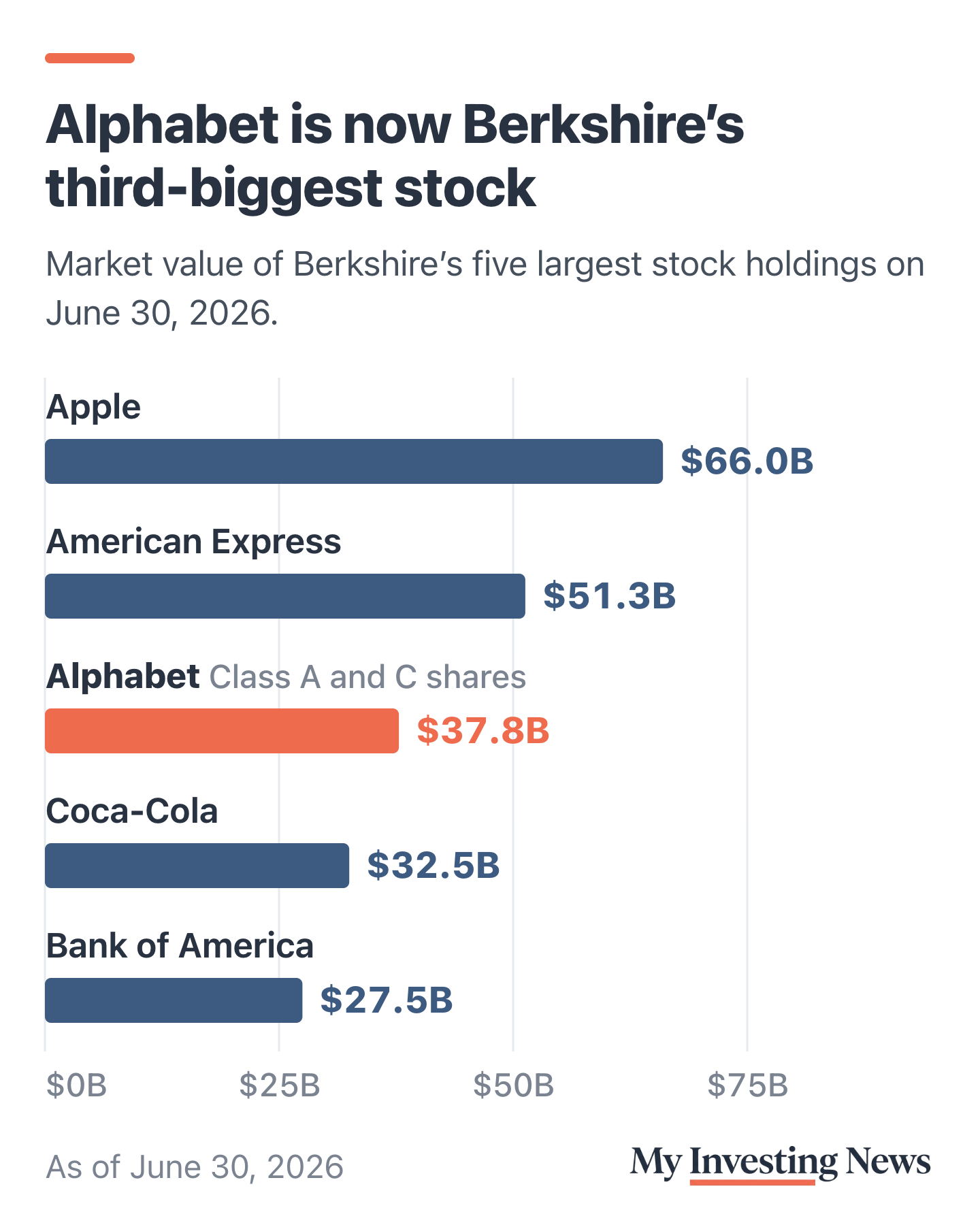
According to the CNBC segment, Berkshire is now the fourth-largest home builder in the U.S. Last quarter it bought $10 billion of new AlphabetGOOGL shares in a private placement that helps fund Google’s data center expansion, and Berkshire Hathaway Energy has around 9,000 MW of data center load contracted. Speaking on CNBC in September, Abel said he had recommended a six and a half percent discount on the block of Alphabet shares.
Berkshire’s 13F filing, which shows holdings as of June 30, 2026 and was filed on Aug. 14, places Alphabet as its third-largest holding, behind AppleAAPL and American ExpressAXP. These figures reflect the quarter-end portfolio and may not match what Berkshire owns today.
“A Coiled Spring”
“Berkshire is a coiled spring. When it comes back, it comes back fast and furious,” Patti said. He was describing how Berkshire has bounced after past slumps. He did not put a date on the next move.
Risks That Could Reverse the Rally
A return to momentum-driven markets could pull money back toward high-growth stocks and away from value names. Large deals funded from the cash pile could disappoint, and the appeal of the succession story could fade. Berkshire gives no forward guidance, so investors will see these risks only as each quarterly filing comes out.
Abel’s Report Card Is Still Being Written
Patti’s argument rests on three points: value investing has come back into favor, the market trusts Abel, and the cash is now being put to work. He points to the buybacks as evidence that management itself sees value in the stock. Investors who want to test his view can track Berkshire’s next earnings release and 13F filing on its investor relations site, which will show how much cash Abel keeps putting to work and where it goes.
Patti thinks the market has stopped discounting Berkshire for Buffett’s exit and now trusts Abel to spend the cash well, with the return of buybacks as his main evidence. The risk is that the rally depends on value stocks staying in favor and on big new deals paying off. Berkshire’s shares still trailed value stocks and the S&P 500 over the past year.