Apple‘s (NASDAQ:AAPL | AAPL Price Prediction) first foldable phone met its first demand test Friday morning, and the answer came quickly. Preorders for the iPhone Duo opened Friday, and within 30 minutes shipping estimates for new orders on Apple’s U.S. online store had moved to January 25, according to MacRumors as cited by Quartz. Bloomberg reported, per Quartz, that Apple stores sold through their entire launch-day allotment within minutes of the 8 a.m. ET preorder start.
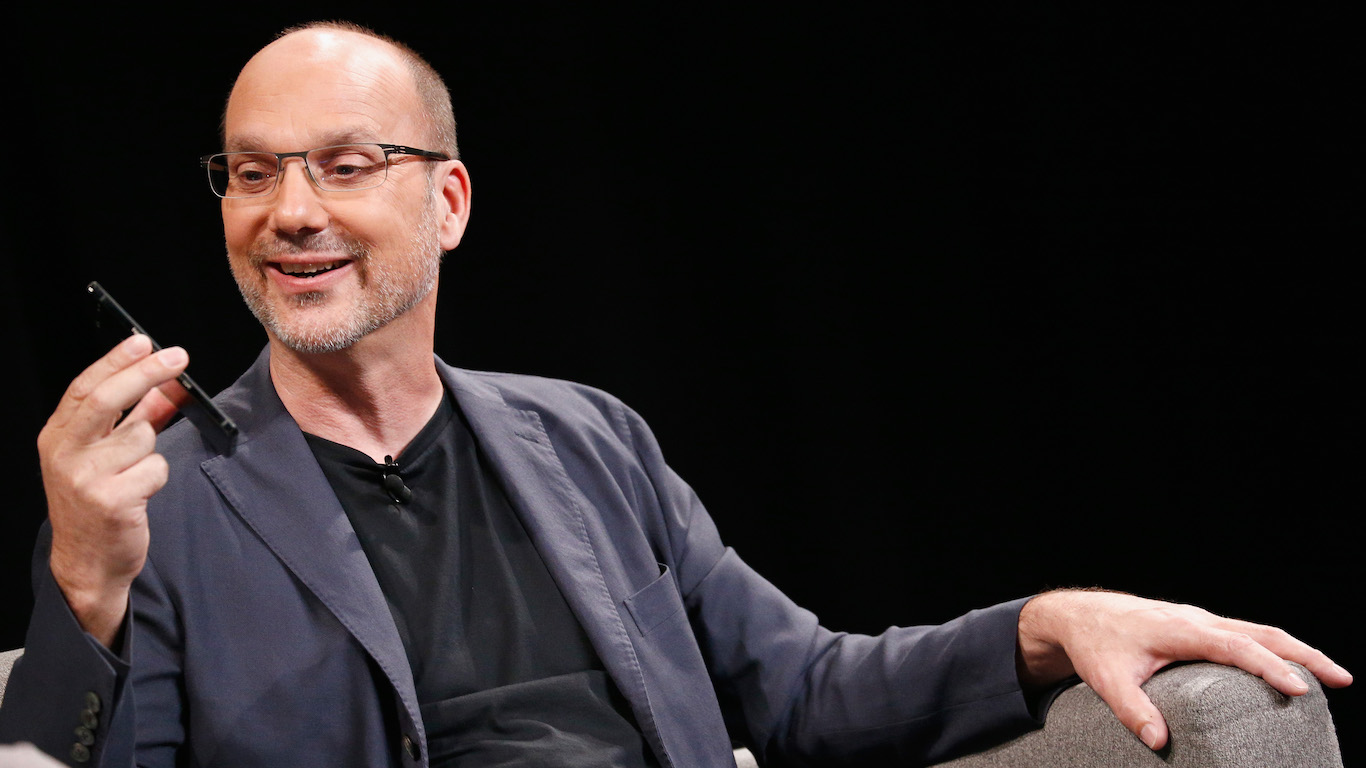
Tony Fadell, a former Apple executive, co-creator of the iPhone and creator of the iPod, told CNBC’s Squawk on the Street on Friday where that rush comes from: “Where all the demand is coming from is the iPhone buyer who just wants novelty. They want something different. It’s been years and years without any real dramatic change. This is a dramatic change.”
That covers launch day. Fadell’s harder question concerns the months after it.
A $1,999 Foldable With a January Wait
The iPhone Duo costs $1,999 and is due for release on Oct. 23, according to Bloomberg via Quartz. Apple revealed it last month alongside the iPhone 18 Pro and iPhone 18 Pro Max. Bloomberg describes iPhone Duo supply as constrained, and Apple disabled in-store pickup during online preorders, telling customers to check back on Saturday, Oct. 24.
What sold through was the launch-day store allocation and the earliest shipping slots. MacRumors said it is unclear how much supply Apple had on the first day of preorders, and Bloomberg noted Apple holds back part of its inventory for walk-in shoppers. A fast sellout of a constrained batch confirms appetite while leaving the size of that appetite unknown.
Usability Question Hanging Over Daily Use
Fadell’s concern centers on ordinary, everyday handling: “The question remains to see is how usable is it compared to the phone that they have today? It’s not going to be easy to type with one hand, you know, holding the device, opening it up and typing that way is also an issue.”
One-handed texting while carrying coffee or holding a subway rail is a common way people use a phone. A device that asks for a second hand more often changes that habit.
Why App Developers Hold the Deciding Vote
Fadell puts the outcome in developers’ hands: “We’re going to have to see a lot more usability from the app developers. Because you’re going to want to, how many times are you going to open it every day? Like, and have that extra weight, have that extra thickness and the extra width.”
The extra size and weight are a cost the owner pays every time they pick the phone up. Apps have to justify that cost by giving people a reason to open the screen: layouts that use the wider canvas, side-by-side tools, deeper editing. Without that, the Duo becomes a bigger phone that mostly stays shut.
Where the Duo Already Earns Its Bulk
Fadell sees clear wins in specific settings: “If we look at it, just say you’re on a plane, you know, you want to watch media… There’s going to be a lot of reasons why, like I said, an iPad in your pocket wherever you go. And you don’t have to have a phone and an iPad.”
In his view, media and tablet-style tasks are the strongest use cases. That framing carries a second-order question for Apple: iPad revenue was $6.2 billion last quarter, down 6% year over year, and a phone that replaces a tablet could pressure that line further.
What It Means for Apple Investors

As of 1:01 PM ET, Apple traded at $344.45, up 0.72% in the session and 27.05% year to date. Nothing we reviewed ties today’s move to the Duo launch.
The iPhone business was already strong before the Duo arrived. In fiscal Q3, iPhone revenue reached $54.25 billion versus $44.58 billion a year earlier, per Apple’s earnings release filed with the SEC. Wall Street remains divided: UBS kept a Neutral rating and $296 target while warning of limited iPhone upside, and KeyBanc held an Underweight rating with a $250 target.


Our read: launch-day demand is settled. The open investor question is whether usage holds once the novelty passes, and whether developers build for the format over the coming months.
Signals to Track Into the Holidays
Fadell’s first point is proven. His second gets answered in two places. First, shipping times: estimates pulling forward from Jan. 25 would signal supply catching up, while waits that stay long through the holidays would signal demand still exceeding production. Second, the App Store: watch for major apps announcing versions designed for the open screen. Those announcements will say more about the Duo’s staying power than any preorder sellout.