Where we heard itThe Everywhere Millionaire, research by economists Owen Zidar (Princeton) and Eric Zwick (Chicago Booth) built on linked federal tax records. Discussed on the Afford Anything podcast, episode 761, released Oct. 23, 2026, with host Paula Pant.
The wealthiest group in America mostly runs food distributors and car dealerships. On an episode of the Afford Anything podcast hosted by Paula Pant, economists Owen Zidar and Eric Zwick said their research identifies roughly 3 million private business owners at the top of the U.S. wealth scale.
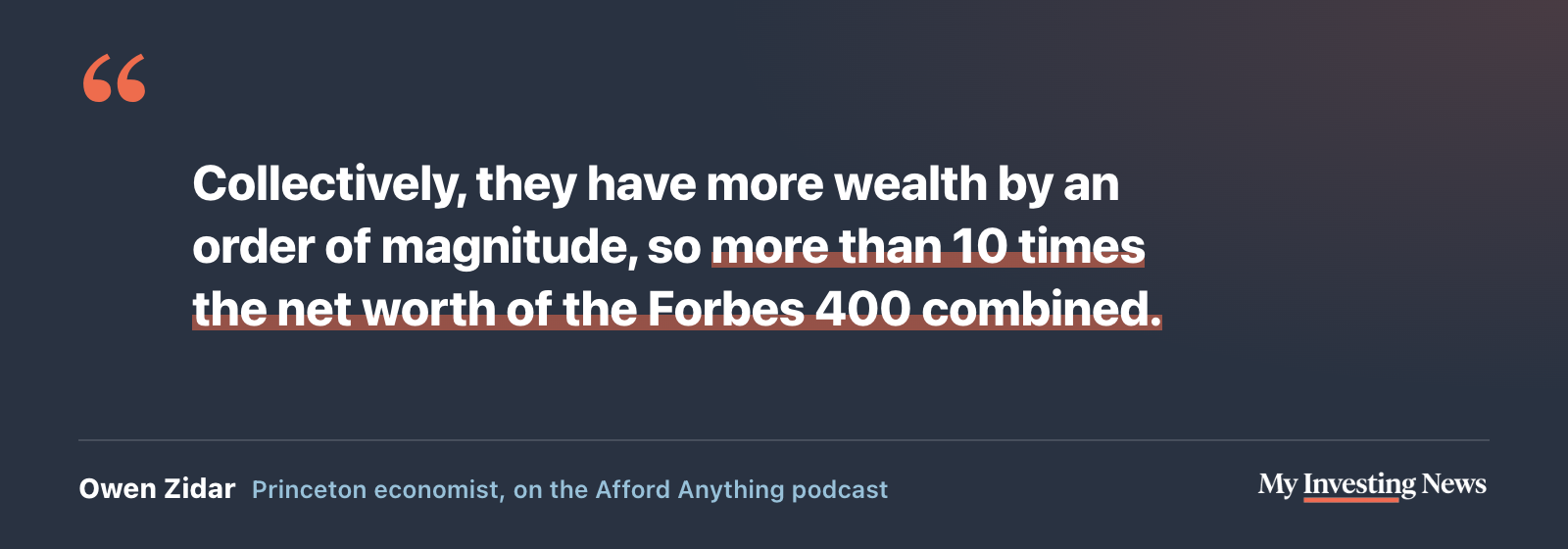
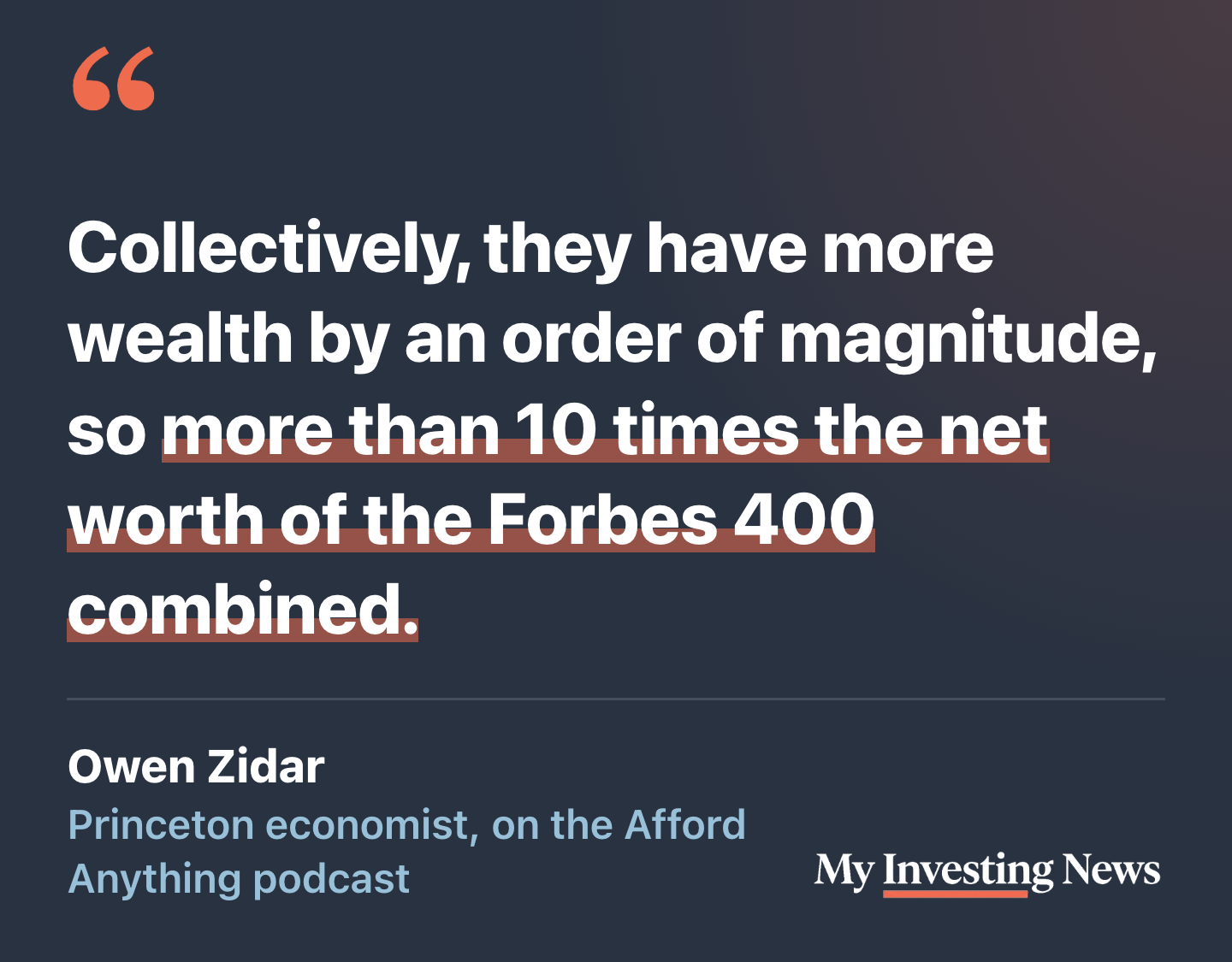
Zidar said these owners have an “average net worth of about $25 million.” He followed with a comparison: “collectively, they have more wealth by an order of magnitude, so more than 10 times the net worth of the Forbes 400 combined.”
The Forbes 400 is the magazine’s annual ranking of the 400 richest Americans, a list usually dominated by tech founders and hedge fund titans. Measure where the dollars actually sit, and a much quieter group comes out on top.
The research is drawing wide attention. Phys.org reported on Oct. 21 that private business fortunes reveal an overlooked source of wealth and inequality. The New Yorker called these owners “the wealthiest and stealthiest class in America,” Marketplace nicknamed them “Everywhere Millionaires,” and Persuasion argued that America’s real wealth sits outside Silicon Valley.
Rich People You’ve Never Heard Of
Pant pushed back on a common assumption: that extreme wealth requires being “a Warren Buffett” or “a Jamie Dimon.” The researchers’ data points somewhere far less glamorous. Food distributors. Auto dealers. Supply companies.
Zidar described a St. Louis family of food distributors who “started the business a generation ago” delivering food to grocery stores. That delivery operation grew into a very large company. Few people outside the industry know the name.
A Typical Fortune Runs on 10 to 50 Employees
Zwick outlined the usual setup: “It’s like they own one business and it’s typically a pass-through business… an operating business, 10 to 50 employees, 10 to $50 million in revenues, throwing off profits.”
The everywhere millionaires, by the numbers
A pass-through business skips the corporate income tax. Its profits flow straight onto the owner’s personal tax return. Partnerships and S corporations are the classic examples, and the tax code lists both as pass-thru entities.
Here’s how that works with sample numbers. Picture a supply company with $20 million in revenue and a 10% profit margin. That’s $2 million a year landing with the owner. If a buyer valued the company at five times profits, the stake would be worth $10 million, before counting the cash and property the owner built up from years of those profits.
That double return explains the wealth. The owner takes in the income and also owns the asset producing it.
Business Income Drove the Rise in Top Incomes
The researchers started from a policy question: what’s driving rising inequality at the very top? Zwick said wages turned out to be a smaller piece than many assume. The bigger driver was “direct business income from a closely held business,” which accounts for “more than half of the rise of the top 1% income share over the last 30, 40 years.”
A closely held business is owned by a small group, often one person or one family, and its shares don’t trade on any stock exchange.
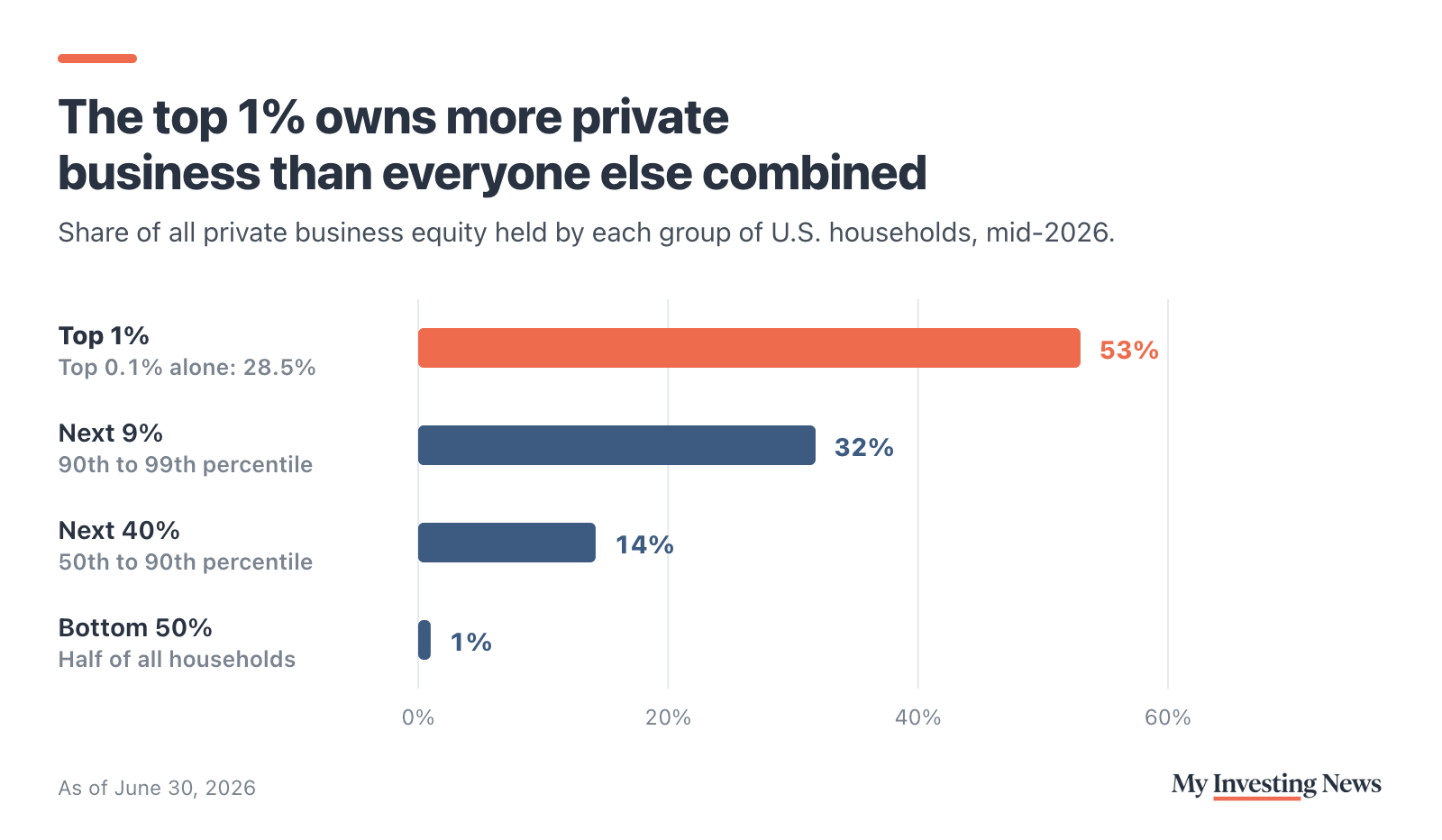
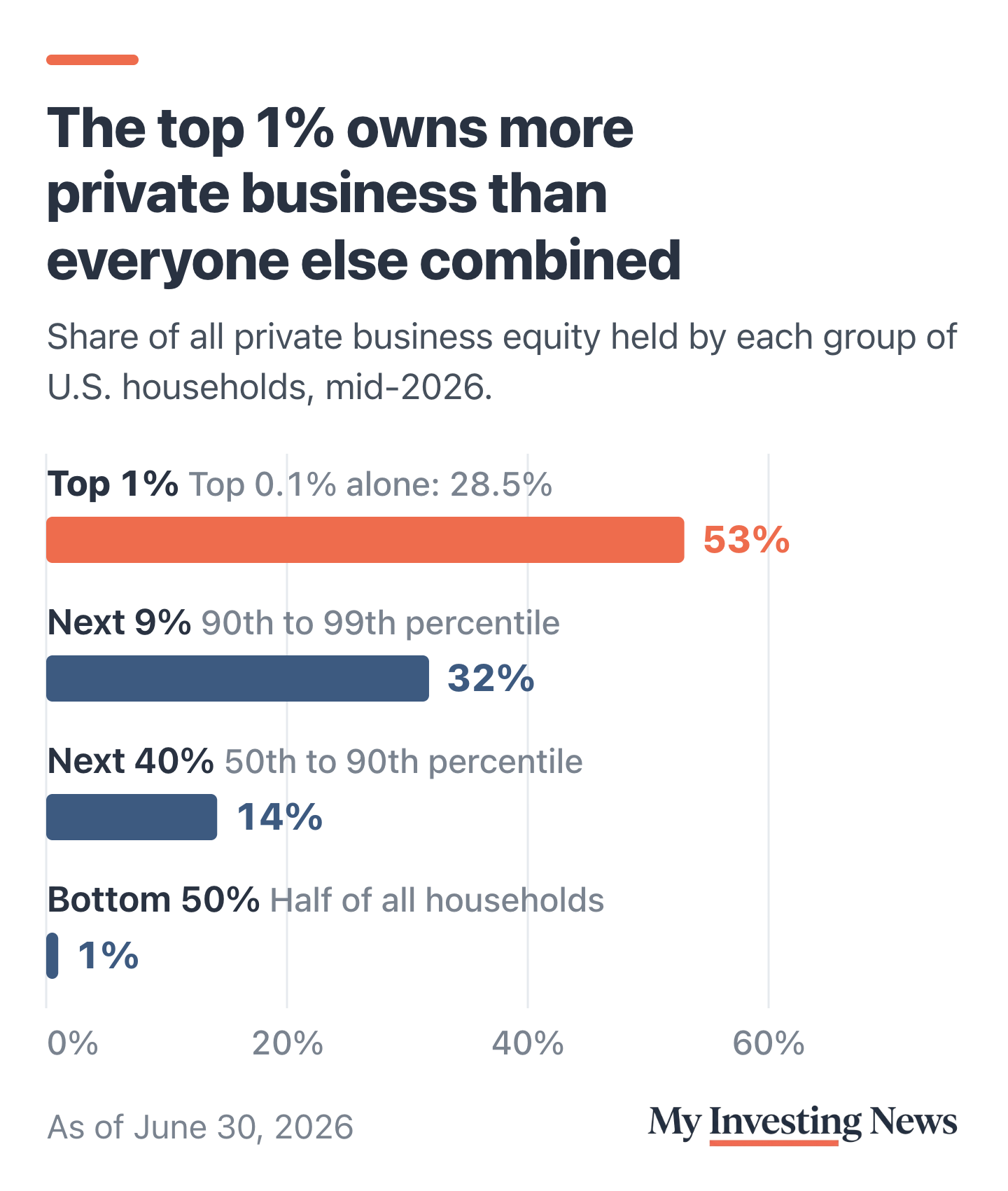
Federal Reserve data shows how concentrated this ownership has become. The top 1% of households holds 53% of all private, unincorporated business equity. Back in 1989, that share was 44%.
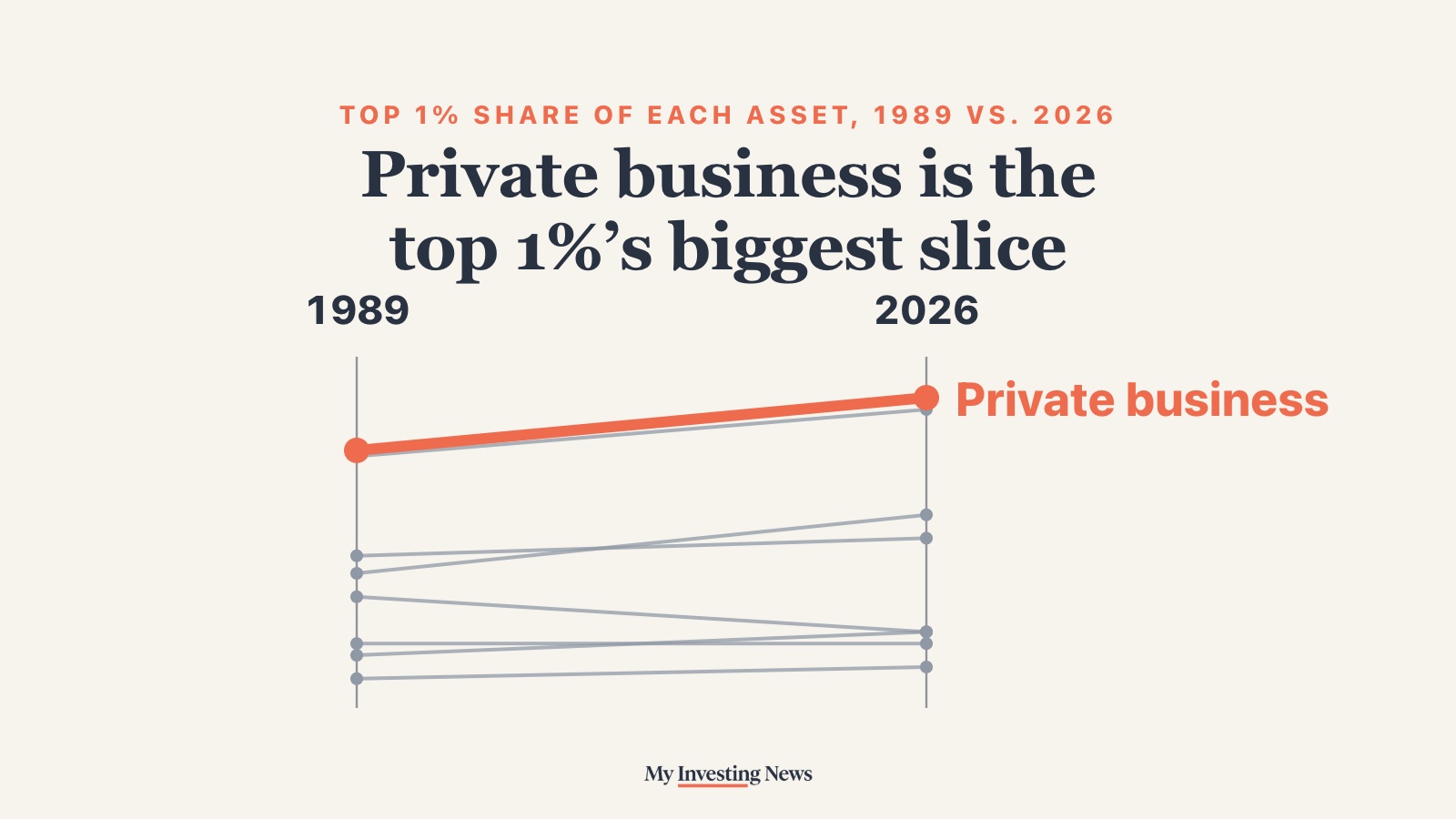
The bottom half of households holds just 1%. Private business is the asset where the top 1% holds its largest piece, bigger than its 51% share of stocks and mutual funds.
Private business is where the top 1% holds its biggest slice
Share of each kind of household asset owned by the wealthiest 1% of U.S. households, in 1989 and mid-2026.
Look for the Biggest House on the Lake
Zidar said these owners “don’t have to be elite to get there.” He offered a test anyone can run: find a lake community, look up who owns the 5,000 square foot house, and “there’s a pretty good chance it’s a private business owner.”
Their wealth stays quiet because it lives inside a private company with no ticker symbol and no public filings.
What This Research Reveals About Building Wealth
According to this research, the most common path to a top-tier American fortune runs through owning a profitable business. A high salary builds income. Picking stocks builds a portfolio. Owning a business that throws off profits builds both at once, because the owner keeps the earnings while the company’s value grows.
That path carries real costs. Owners take on personal risk, often guarantee loans themselves, and put in years of work before a delivery path becomes a regional distributor. A single business also concentrates wealth in one asset, which can shrink as fast as it grew.
The useful lens for any household is separating what you earn from what you own, since the researchers found the biggest fortunes come from ownership.
America’s quiet rich are more likely to run a distributorship than a startup.
Zidar and Zwick find that America’s biggest pool of private wealth belongs to about 3 million owners of ordinary businesses, and that their income drove more than half the rise in the top 1% income share. Owning a profitable business builds income and an asset at the same time. The risk is concentration: one business, often backed by personal loan guarantees, can lose value as fast as it gained it.